Sun and Steel (English.ver)

Outline of this post.


In 2018, during my recuperation period after a suicide attempt, I read Yukio Mishima" The Sun and Steel." In it, he wrote about feelings that were neither fiction nor criticism.
He wrote about "confession" at night, "criticism" by day, and a time when he was neither.

I will taste this neither time until 2021.

The book, which was also the subject of a controversial debate at the University of Tokyo (1969), seems not to have been appreciated in Japan at the time. I have been on the road from leaving Catholicism to conversion.
I was struggling to talk about this mortal disease in my story. Would it be non-fiction, or should I force it to be fiction? Whether I choose the sun or the night.

There was also the question of Catholicism and the political uncertainty of the future in Japan. For many years, I had forgotten the poetry of Mishima response to the sun.
In 2021, I have decided to move on to the night (literature).
This involves a lot of interpretation on my part. In Sartre's terms, it is "the other with the subject".

Apologies that this is not a thorough explanation of the sun and Steel.


The” Sun and Steel” was one of Yukio Mishima lesser-known works at the time. After a long time.I read this in 2018 and found much to sympathies with. I read this in 2018 and found much to sympathies with. In the process of writing, some things are difficult to express even as a novel. I too fell into that groove around 2017. Probably every artist. I feel like it comes to every artist. Sometimes we can’t establish ourselves because we are confused by current trends or common perceptions.  Mishima described it as an intermediate form between confession and criticism, “a kind of hidden criticism”.

Mishima is perhaps the only person who has focused on the area of twilight that exists between night as confession and day as criticism.

Sartre’s raison d’etre about existence and essence is that existence precedes essence, but this kind of wayward speculation, a combination of fiction and criticism, is a wandering interior that does not know the outer skin of existence, and is itself an embryo that does not know the outer world (essence).

It is the equivalent of inference, prediction and prophecy. When the result is not yet known, even if we think we have grasped the essence, we cannot be sure. A novel does not have enough material to be written, and a criticism is only an assumption made a few years in the future. But there are times when the feeling is strong.

At such times, I think back to Van Gogh’s Madness paintings.

His paintings were first of all existentially unsuccessful. Later, his brother Theo’s wife succeeded in selling Van Gogh’s paintings and made him into the genius that he is today. Over time, they created the essence of Van Gogh’s paintings. Over time, they created the essence of Van Gogh’s paintings, or the world discovered them.

The Starry Night
This is one of my favorite Van Gogh paintings. I don’t know of any other painting that depicts the stirring darkness so clearly.

I think Mishima is right when he declares in this book that he is not a poet. Poets, like Van Gogh’s paintings, are not afraid of consequences, and they do not fall between confession and criticism. Hermann Hesse is a genius as a poet and Rubaiyat dances without fear of criticism from Christians.

It seems to me that Iran is famous for its poets. Perhaps they are not afraid of death (or the oppression of others). That free enthusiasm, which neither the cooperation of the Japanese nor the argumentative nature of the West can match, is something to be admired and, as a result of more social experience, I think we will never have it again. We all dream of it and run with it, but the tragedy and happiness that we have created with our speculations, from pacifisms, through physical pain, gradually becomes a reality.

When I was young, I would have run without fear. In the midst of it all, joy and despair, like differential and integral calculus, were repeated, and expectation and despair may have exceeded real reality. In the midst of this repetition of the mundane routine, where sleep brings morning and daily life again, I had my moments of real despair.

In turn, disappointment and disillusionment increased, becoming part of the larger reality of the real world.

Gradually, disappointment and disillusionment increase, and the artist becomes part of the larger existential context of the real world.

That’s the end of the artist. It is only natural that he should lose his individuality.

I’m trying to be unique because of my long established taste, but my body is screaming. The days when I used to write poetry in the evening, even if it was bad, seem like a lie.

It was a mistake in the first place to see it as a defeat. The thought of being abandoned by night and day

It will always go somewhere. It is like a long, inflexible Steel. That is how I see it.

In my analysis, Mishima Steel element probably became the sun and led to his suicide.

I have decided, after a long time, to return to the Night once more. That’s when I retired as a journalist. It is proof that I am no longer outspoken about current affairs. The man who lives by night lives for the invisible presence of human sensibility. The man who lives by day lives for the market and the human condition.

There is no right or wrong, because both are necessary.

But when speech and knowledge are wasted, it is tempting to talk about real problems.

Isn’t it the starting point of a literary person to keep that ” babble ” silent until night?

I will not write directly about why I attempted suicide, or the process of my conversion. Instead, I will start to confess, as if in the night, my memories and records were a wild reflection.

In this fictional world, the person who speaks for me is a man and other women, and the story goes on. There is, in effect, a fictional character (a lie). But the essence is not a lie. Within the non-existent outer skin, there is an interior that I have experienced and gone through.

I have read a lot of Mishima during my illness. But I chose a different path from him.

In his writings he wrote

“Now I no longer believe with all my heart in the idea of classicism, about which I was so passionate at the age of twenty-six. I no longer believe in it with all my heart”

I might not have the awe-inspiring ardor of my youth, either. I sympathies with him in this confession under the sun.

But, like the protagonist of the piano tuner I am writing about, I intend to expand the literature to say that sound does not die. In the despair of the protagonist, my inner light is incorporated.

It is with God.

Matching

I went for Adam’s matching hair colour and eye colour. I’ m still developing!

Adam’s body is so big that I can’t hold him with one hand. I will have to buy a taking stand.

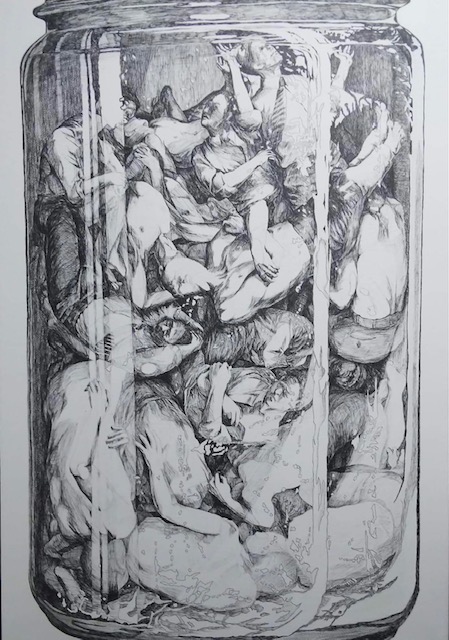
深淵とエゴイズム

絵:柿本セエカ“Bottled Griefs”

人間が臨むのは眼のくらめくような深淵であって、深淵に映ったその顔は、エゴの醜さを明らかに示しているだろう。しかし人はそのような時に、悲しいかな、水に映った自分の顔を見ないのである。

福永武彦「愛の試み」

前回の続き→カトリック聖職者による性被害について

 深遠の果てが深淵なのか、強ちそうでもないのと思うことがある。浅識に揉まれている中で精神が削れて深淵を疑似体験することがある。イエスキリストも決して賢いファリサイ派のみと関わったわけではない。愚かな人間からの罵声も浴びている。けれども、やはり読者はイエスに深淵を見出す。言語とイマージュ、イマージュが言語化するのか、言語がイマージュを引き連れるのか、それは私にとっていつも一定ではなかったが、物書きは最低でも言語を愛している。言語を愛して、イマージュから見染められることを待っている。

そうでなければ、他者に伝わらないからである。他者に言語としてのみでなくイマージュが伝わらなければ意味がない。

人を愛することは、深淵を実感させる。これはギリシャ哲学的なアイオーンなのかもしれないが、愛は強いものである。そして、弱いものでもある。愛によって距離を縮めた他者が、身体の一部になったかのように愛した後に、何らかしら、身体の一部を切り落とすかのような痛みを覚え、また距離が離れた他者となる際、悪魔となるか善人(善きサマリア人)となるか、その人間の資質となる。深淵への夢想は他者によって揺らされるが、どのようなイマージュを抱えているかはその人の資質となる。

前回言ったが、カトリックの神父が女性を何らかしらの理由で抱いたことが「同意」とするのは、何のためなのか理解に苦しむ。彼等は「叙階の誓い」によって同意も本来なら禁止なはずであり、神への裏切りである。私は穏健派なので女性に「愛」があった場合のみは、

問題視することはない。しかし、今回の問題は「愛」が無いように思えたので、私は一時期だけ追及した。該当神父の名前と顔も知っているが、私は漏らすことはしない。墓場まで持っていくのだろう。事実が同意であっても、女性が異議を申し立てればその神父は辞任すべきだというのが私の考えである。仮に女性が被害妄想だとしても、神の誓いを破った報いだと私は思っているからだ。法律上は確かに密室に入ることは同意したと考えらえるが、この場合はカトリックであり、神父はそれが出来ない立場だという認識で女性は入室する。

私は途中でこの取材を降りたので事実は分からないが、私の願いは、この神父の辞任要求だけが明確に見えていた。けれどもそうするには「広範囲」にカトリックを攻撃しなければならない。それが革命であり、人間はそうしないと動いてくれないからである。

その準備をジャーナリストとして自分は出来なかったのだ。何故なら、信頼しているシスターや司教がいたからだ。この「広範囲」に攻撃しなければならくなる残酷さを、この該当神父は少しでも感じたことあるだろうか。私はそれを祈りと共に問いたい。

 最後に何故、福永武彦のこの深淵部分を引用したのか、これは言い当てて妙だからである。

この引用は男女の恋愛がテーマであったが、深淵そのものはそのような区別はない。

よく疑問視されるのは、何故このような問題が多いカトリックに残るのかという問題は、「盲信」と片づけられやすい。実際に盲信も存在する。中には「深淵」に着目をしている

信者もいる。私もその一人だ。恐らく少なくともこの問題を理解している信者は「深淵」に目を向けている。イエスが磔刑の前夜にēli ēli lemā sabachthani(我が神、我が神、何故お見捨てになったのですか)と叫んだ後に、何故神は沈黙されたのか。私にその問いをしたのは神学者の和田幹男神父だった。彼は深淵について語った。それはフロイトの無意識、ユングの集合的無意識よりも更に深いところにあるとされる。それが深淵であると。ゆっくり経験をしていけば、かならず大きな渦を描いて見えると教えてくれた。

深淵とは必ずしも崇高な場所ではない。ニーチェはニーチェの深淵があり、

私には私の深淵がある。誰の深淵が素晴らしいかという基準はない。深淵とは人間の共通する神、愛や死に対する価値観もそこに潜んでいる。武彦は更にエゴイズムが映るとした。そうなのである。「深淵」に着目すれば、確かに同じ共同体での不正や苦しみさえも、自分の「深淵」として放置してしまう。各々感じることがあり、見えるものがある。闇すらも愛する、それが人間である。そう、人間はエゴイズムに顔を合わせられないのである。それが盲信と言われる所以であり、信者も功罪なのかもしれない。

少しでも自覚し、何が正しいのか、どうあるべきか、やはりイエスの愛に倣い、

この訴訟に限らず、クリスチャンは今後も判断してほしい。

被害者も関連記事を読めば分かるが何度も教会に戻ろうとした。そこで理解を得られず、教会で二次被害、三次被害に遭っている。被害者は、決定的な事故や事件だけで傷つくのではない。更にそれを取り巻く社会によって傷ついていく。それが自分と同じキリスト者なら尚更、もう少し関心を抱いても良いのではないのだろうか。何故私達が広範囲で攻撃されるようになったのか、深く考えてほしい。

確かに深淵は重要である。しかし、クリスチャンがエゴイズムから目を逸らして何になるのか。

画家:柿本セエカ→https://seheca-kakimoto.work/

Biblical Real image of Angels English .ver

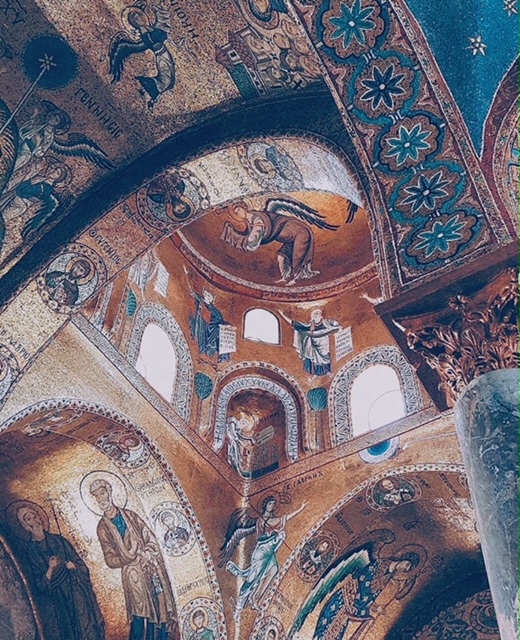
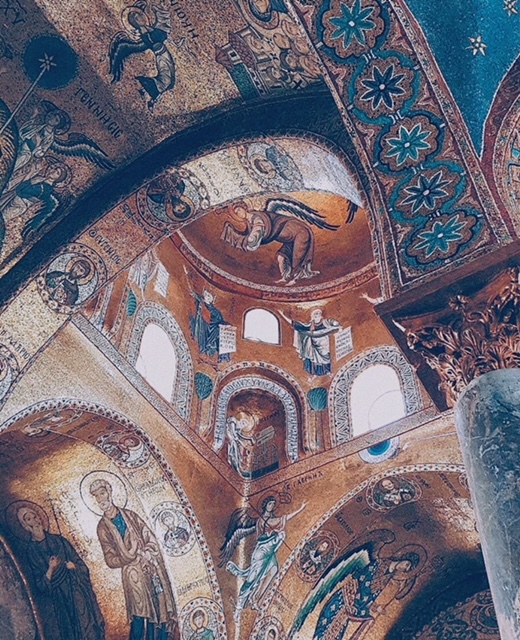
Chiesa della Martorana

Contents

  1. The Bible and Mental Functions
  2. Why I pursue angels
  3. Fr. Kabundi Honoré’ ” Biblical Real image of Angels”
  4. The meaning of my love for the Bible

 Reading the Bible makes us aware of various psychological functions. Whether this is a figment of our imagination or an archaeological fact, we experience rational (thoughts and feelings) and irrational (sensations and intuition) functions before the factual conclusion. The proposal of psychological functions is based on C. G. Jung, but those of us for whom Christianity is not the state religion will first judge whether we like the story or not (feelings). Next, we will reach to capture the system of the Bible (feeling). Then we analyses the content (thoughts), and intuitively we may temporarily try to explain the nature of Adam and Eve in Genesis, for example, and talk passionately about why women suffer. There are many choices: to repeat it again and again with changing thoughts, or to stop reading it because you don’t like it; but the person who does not let go of the Bible connects the experience of the outer world to the growth of the inner world. Following Jesus is when we reach out from our built-up inner world to the outer world.

 It is service. It is love. It is evangelization.

 At the same time, reading the biblical world requires a dynamic of imagination. Whether imaginary, dreamy or pictorial, what is clear is that there are no glib metaphors in the Bible. Many obstacles lie in the way of faith. This is because people’s psychological functions are processed differently from person to person, whether they become occultists and cults or exemplary Christians like Edith Stein.

The theologian Balthasar declared Angels as Mirrors of the Human. It is the way of theology. I leave behind those who dismiss this as pictorial. The Catholic Catechism states that angels are Messengers. As I wrote above, angels do not appear to people whose inner world is clouded. Angels play an important role in proving that one’s inner world is not clouded. Throughout history, poets and writers have attempted to return to nature through various poetic inspirations, which have also preceded philosophy and psychology. If not for German mysticism, philosophy would not have been derived until the present day. The Bible is a necessary part of the history of human wisdom, and we must not forget that there are still unknowns. It is important to read it again and again, to repeat its psychological functions and to grasp how it moves towards the existence of the world.

 I love angels first of all because as a feeling I find them beautiful, and because intuitively they do not seem to be the product of a pictorial imagination. Although I have been thinking about how to express and prove this sense and intuition for a long time, angels have not been dealt with much even in Catholicism; in 2018 the Pope talked about angels, but for a while they did not seem to be a topic of conversation in Japan. So I gradually gave up the pursuit of angels.

Recently, I came across a good book.

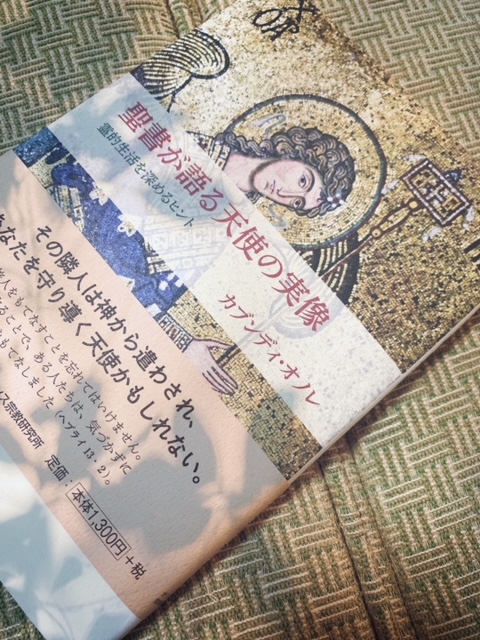
Fr. Kabundi Honoré’sbook ” Biblical Real image of Angels” was published by the Orient Institute of Religion. I had given up the pursuit of angels. The fog that had been clouding the mirror seemed to have lifted. The mirror shone with light.

 I found it fortunate and opportune that Father was living in Japan, so I contacted him. He was very kind and told me why he had written this book. He told me that he had been travelling around Japan with his silent retreats, communing with the faithful and felt the need to draw their attention to the presence and work of the angels in order to help them develop their spirituality.

Father Honoré’s book was both scholarly and beautifully written, as if the Holy Spirit were present in the words.

Book index

Ⅰ:Angels created by God

Ⅱ:The Angelic Ranks

Ⅲ:Exceptional angels mentioned in the Bible

Ⅳ:The appearance of angels

Ⅴ:Angels’ sins and destiny

Ⅵ:Demonic means of control over man

Ⅶ:Following the angels in the spiritual life

This work is wonderful because it includes the angels of the Old Testament book of Daniel, which is not often explained by Catholics. It is important to note that angels do not float, but fly. The popular non-biblical view of angels equates angels with God and does not understand angels as floating messengers. By biblical, I mean that angels have a purpose. Flight is having a purpose. This book is a very clear explanation of the whole of biblical angels and the purpose for which they appear.

 The book not only deepens our spirituality, but the stories of angels in the Bible, which are mystical in their own right, can be used to interpret the images of angels left behind by many great writers. For example, even the works of Balzac, Rilke and Shelley, who professed to be non-Catholic, often drew on the Bible for their angelic attributes. The unity and difference between the love we seek and the love angels give, the fact that angels are not gendered, the dynamism of people’s imagination and creation.

Only when people contemplate can the mystery live on. How does it happen that the dreaming of man coincides with the works of God? It is to trace what the flight of angels is like.

It might be to realize “the reflection of the purest thing” (André Paul Guillaume Gide)

It is only through faith that forgetfulness can become a mystery to accumulated memories, experiences and paradoxes.

Shakespeare said: “All the world’s a stage,And all the men and women merely players.”The stage is full of tragedy, comedy, folly, despair and cruelty. Nothing in his work has ever been made happy by breaking a biblical commandment. Hamlet completely loses his reason and even loses his beloved Ophelia to madness. Shakespeare could not have created such a tragedy without the foundation of the Bible and faith. He was well aware of the retribution brought about by the god of the script. A life that does not go mad like Hamlet’s is an angel’s inner mirror (Balthazar).

Tragedy repeats itself, but the life God has given us in this world can be made meaningful through agape and gratitude. That is certain. Simply writing about human hatred does not capture the essence of the story. In order to find the divine retribution and miracles, we need to feel our own heat through faith.

To do this, we need to know the angels better. Angels are complicated when it comes to explaining their relationship to the Trinity, but this labyrinth is the purest space of existence. Because it is pure, there are fallen angels. Even the angels let us know that we are losing the light.

It is rare to find a book so dedicated to the angels of the Bible.

Quotes

Angels are mentioned at least one hundred and eight times in the Old Testament and one hundred and sixty-five times in the New Testament.

Chapter Ⅰ – God’s Creation of Angels

Thus, the angels, before the Fall, were revealed to be very noble, sublime angels, full of wisdom and crystal.

Chapter V‐The sins and destiny of the Angels

The angels are not omniscient.

Chapter Ⅶ – Spiritual life in imitation of Angels

God does not allow us to worship angels. The Apostle Paul clearly warns against it.

Chapter Ⅶ Spiritual life in imitation of Angels

About the Author

Fr. Kabundi Honoré

C.I.C.M

(Language: Japanese)

https://www.oriens.or.jp/orienssite_shop/seisyo/B113.html

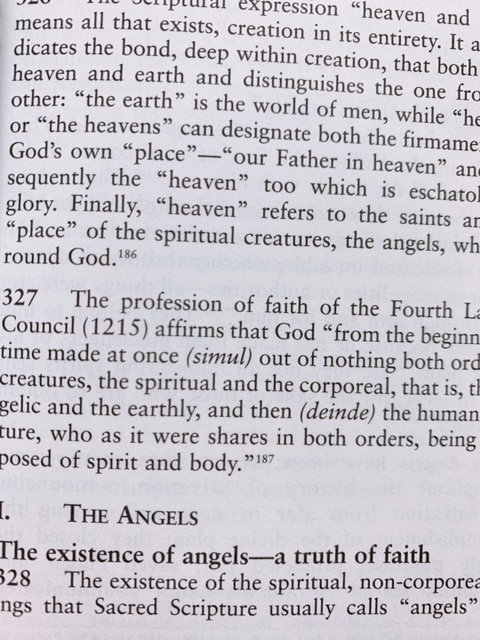
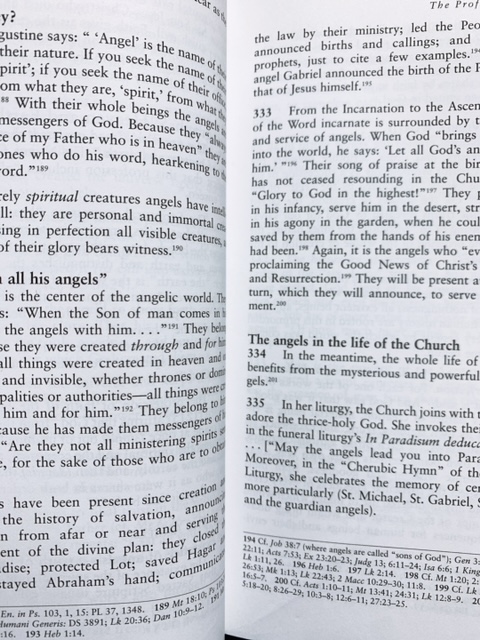
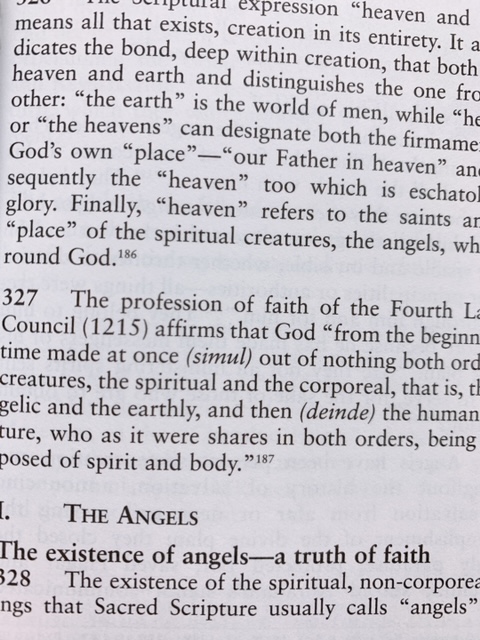
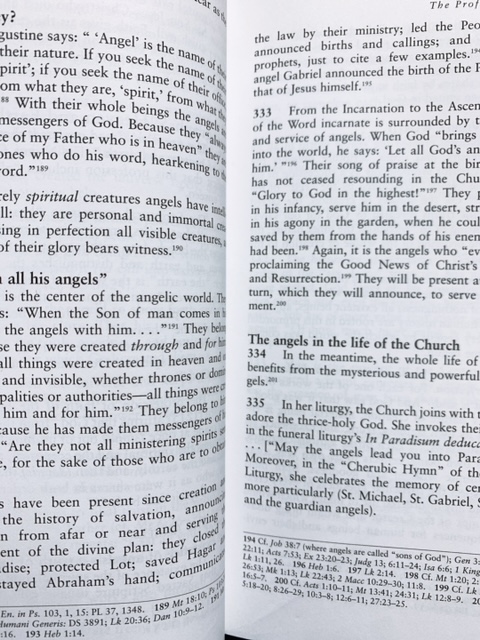
The Catholic Catechism 328-336

「聖書が語る天使の実像」ガブンディ・オノレ神父著

マルトナーラ教会
  1. 聖書と心的機能について
  2. 私が天使を追及する理由
  3. ガブンディ・オノレ神父様の「聖書が語る天使の実像」の紹介
  4. 私が考える聖書を通して学ぶ意味

➀聖書を読むときほど、様々な心理的機能を意識するものはない。これは想像の産物なのか、考古学的に史実なのか、その事実という帰結以前に私達は合理的機能(思考・感情)非合理的機能(感覚・直観)を体感する。心理的機能の提唱はC・Gユングを参考にしているが、キリスト教が国教でない私達はまずこの話が好きなのか、嫌いかで判断するだろう(感情)。次に、聖書の体系を捉えようと(感覚)に到達する。内容を分析する(思考)、そして直観で人は一時的に、例えば創世記のアダムとエヴァの本質を語りだそうとし、何故女性が苦しむのかを熱く語ることがある。それを何度も考えの変化を伴いながらも繰り返すか、嫌いで読まなくなるのか、それは数多の選択肢があり、それでも聖書を手放さなくなる人は外界世界の経験から内面世界の成長へと繋げていく。イエスに倣うというのは、構築された内面世界から外界へと手を差し伸べるときである。

 それは奉仕である。それは愛である。それは伝道である。

同時に聖書世界を読むのに必要なのは想像という力動である。空想なのか、夢想なのか、絵空事なのか、いずれにしても明確なのは聖書には口先だけの隠喩が存在していない。オカルティズム、カルトになる人と、エディットシュタインのように模範的なクリスチャンになるのかは、これらの心理的機能の処理が個々によって違うからである。

 それを説明するかのように神学者のバルタザールはAngels as Mirrors of the Humanと言った。ここからが、神学の道となる。これを絵空事として切り捨ててしまうのか、私はここで切り捨てた人を置いていく。人間の鏡とする天使、とはカトリックのカテキズムにあるように天使はMessengerである事を表している。先程の説明にあったように内面世界が曇った人間には、天使は映らない。天使は自分の内面世界が曇っていないかどうかを証明する重要な役割なのである。長い歴史の中で詩人や文学者は様々な詩的霊感によって自然に戻ろうとし、哲学や心理学の先行ともなっている。ドイツ神秘主義がなければ現代まで哲学は派生していない。聖書は人間の知恵の歴史として必要な存在であり、まだ未知のものがあることを忘れてはならない。何度も読んで心理的機能を繰り返し、世界の存在に向かってどう進んでいくのかを捉えていくことが重要である。

 ②私が天使を好きなのは、まず感覚として美しいと思ったからであり、直感的に絵空事の産物ではないと思えるからである。この感覚と直観をどう表現するのか、どう証明するのかをずっと考えてきたが、カトリックでも天使はあまり扱われることがなかった。2018年にローマ教皇様が天使について取り上げても、暫くは日本では話題になっている様子がなかったので、天使についての追及は徐々に諦めていた。

しかし最近になって良い本に出合えた。

③ガブンディ・オノレ神父様の「聖書が語る天使の実像」という本がオリエンス宗教研究所で出版されていた。初めは海外在住の神父様で翻訳者が書いたのだろうと思っていたのだが、手に届いてから日本在住だと知った。一度諦めて磨くことも忘れ何も映らなかった鏡が層雲が晴れるかのように光を帯びた。後は天使が映るだけである。

 神父様のプライバシーもあるので、あまり詳細は言えないが日本在住ということが幸運と機会だと思い、コンタクトを取った。神父様はとても優しくて何故この本を書いたかどうかを話してくれた。黙想会で日本各地を回りながら信徒と交流をし、彼等の霊性を深めさせるために天使達の存在と働きに目を向けさせる必要性を感じたとのことでした。

オノレ神父様の書かれた本は学問的でもあり、言葉に聖霊がいるように美しい説明でした。

本の構成はこのようになっています。

  • 神に創造された天使
  • 天使の位階
  • 聖書で言及される特別な天使
  • 天使の外観
  • 天使たちの罪と運命
  • 人間を支配するための悪魔の手段
  • 天使に倣う霊的生活

この著作はミサであまり扱われることがない旧約のダニエル書の天使も書かれてあって読み応えがあった。天使が浮遊ではなく飛行するというのは大切な意味を持っている。それは、非聖書的なものは天使と神の同一視、そして浮遊的な使いをするように天使を理解していない。聖書的とは天使は目的を持っていることです。飛行とは目的を持っていることです。飛行と表したのは私ですが、天使がどのような目的で表れているのかを、この著書は大変分かりやすく聖書の天使全体を説明している。

 日本では著作の中身の詳細を説明してしまうとマナー違反になるので、簡単な紹介になるが、この本は霊性を深めるだけでなく、著書にまとめられている聖書内の天使の話は並べられているだけでも神秘的で、数々の文豪達が残した天使像の解釈にも役立てることになる。例えばバルザックやリルケ、シェリー等、カトリック的ではないと公言した作品も天使の属性は聖書が元になっているものが多く見られる。人間の求める愛と、天使が与える愛との一致と違い、天使に性別がないということ、人々の想像と創造にダイナミズムがあり、人々に思索されてこそ、また神秘も生きる。人間の夢想と神の偉業が一致するということは、どのようなことなのか。天使の飛行がどのようなものかを辿っていけば

「最も純粋なものを反射すること」(A・ジッド)を実感することが出来るのかもしれない。

 ④蓄積された記憶や経験、パラドックスに忘却が神秘となり得るのは、信仰のみである。

シェークスピアは「人生は舞台である。人は皆、役者」と言った。悲劇、喜劇、そこには愚かな事や絶望、残酷なこともあった。彼の作品の中で、聖書の戒律を破って幸福になったものは居ない。ハムレットは完全に理性を失い、愛するオフィーリアを狂わせて失ってしまった。シェークスピアに聖書や信仰という基盤が無ければ、このような悲劇は生まれない。彼は脚本という神のもたらす因果応報を熟知していた。ハムレットのように狂わない人生、

天使はそれを内面の鏡(バルタザール)を通して知らせてくれる。悲劇は繰り返されるが、神から与えられたこの世での生き方は、アガペーと感謝によって意味をもたらせる。それは確かだ。ただ人間の憎悪を書くだけでは真髄が捉えられることはない。神がかり的な因果応報や奇跡を見つけるためには、信仰を通して自分の熱量を感じ取っていく必要がある。

そのためには、もっと天使を知る必要がある。天使は三位一体との関連性を説明するとなると更に複雑にするが、この複雑であるという迷宮は最も純粋な存在な空間なのである。純粋が故に堕天使も存在した。劣っていたからではない、天使でさえも見失うのだと知らせてくれる。

聖書内の天使をこれだけ綺麗にまとめている本は珍しいので、是非手に取って貰いたい。

「聖書が語る天使の実像」引用

天使は旧約聖書で少なくとも百八回、新約聖書で百六十五回言及されています

第一章・神に創造された天使

このように堕罪前は、非常に高貴で、崇高な天使であり、知恵と結晶であることが明らかにされました。

第五章 天使たちの罪と運命

天使は全知ではありません。

第七章 天使に倣う霊的生活

神は私達が天使を礼拝することを許しません。使徒パウロははっきりと戒めます

第七章 天使に倣う霊的生活

著者紹介

カブンディ・オノレ神父

Kabundi honoré cicm

淳心会司祭

現在、レジオマリエ東京レジア指導司祭

販売元 オリエンス宗教研究所

https://www.oriens.or.jp/orienssite_shop/seisyo/B113.html

カテキズム(英訳版)の天使の箇所

英訳版は番号が日本語版と違います。英訳版は328~336

Amour et Justice. English Ver

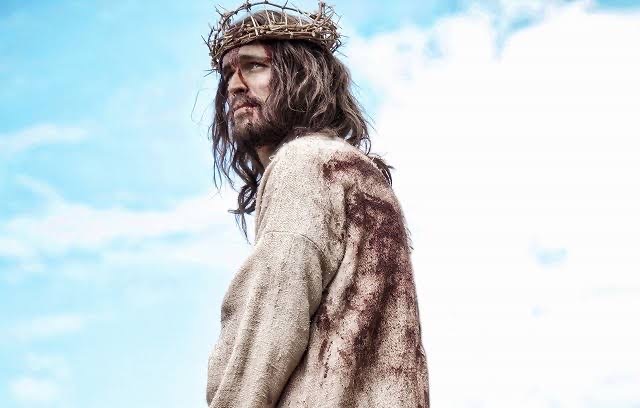
movie: Son of God

(Paul Ricoeur, Love and Justice, a book I would recommend to young philosophers and theologians)

 If justice is possible because of love, can we call it love when a person is punished for doing justice, for example, the ” Capital Punishment “? Thus, love and justice are always dichotomous. Paul Ricœur’s book is a dialectical meditation on this dichotomy, trying to bridge the gap.

The point to be kept in mind is that “love” refers to Jesus Christ and “justice” to Moses.

Justice is concerned with social practice, while love is at best a motive. Justice, on the contrary, is more likely to have a narrow effect and less likely to be widely applied. We can see this in the history of Moses, when we consider the number of deaths. Even though the love of Jesus is slow in spreading, it spreads to many people. That movement is also called the grace of God. Justice is the spear, love is the shield. What non-Christians misunderstand is that they do not distinguish between God’s love and justice. (I don’t mean that as an evil thing.)


Particularly the Catholic emphasis on “God is love” has led to a number of misunderstandings.

And these misunderstandings are not limited to misunderstandings, they are also flaws in social practice due to the distorted interpretation of love. At the point where crimes committed by the clergy are covered up, for example, when clergy talk about God’s forgiveness for crimes, they are criticized in social practice as “they are distorting love”. However, through my experience as a journalist, I have also witnessed victim fraud. This experience has made me realize that the distortion of “love” is not enough. The testimony of victims, between lies and illness, takes advantage of people’s conscience and justice. It causes us to lose sight of the direction of justice.

 To contemplate the dichotomy between love and justice is labour intensive and unrewarding. Many Hebrews would not have been saved if the revolution had not taken place in the time of Moses. This was the proper love and justice of the time. At the time of Jesus’ birth, it was hoped that he would be a revolutionary like Moses, but he did not make any great revolution. At first people were disappointed, but Jesus went to the poor on his own feet and saved them through love. Love is thus slow to progress and is attacked and persecuted by those who fail to understand it. Jesus’ quintessence of ‘love’ is that his justice was not in escaping justice, but in accepting the death penalty.

His justice was not in escaping justice, it was in accepting the death penalty, which is the essence of “sacrifice”, of love, of covering up all the sins of others. For those who follow Jesus, the practice of this supreme justice is no different from suicide, and whether or not Jesus himself would want people to do this has yet to be archaeologically proven. The same is true of martyrdom itself, which is not yet clear whether Jesus would have wanted it or not. But nowadays martyrdom is considered a virtue and worthy of praise, provided that the conditions are fulfilled. (Song of Solomon: Love is as strong as death)

 Reading the Bible is like looking into the mirror of one’s self, a chapter which was originally in the book but was left out in the Japanese version because it was incomplete as a philosophy. This imperfection must be challenged by us, the next generation. We must return to the question of what the Bible exists for. We should read it honestly before we listen to the answers of the clergy. I urge young people to do this especially. The question that arises in the Bible is the self itself. It is a mistake to look for answers in a story, but the questions raised by the story are a guide on the journey to reality. As Paul Ricoeur says of love, it can be spoken of in both shallow and deep ways. The same is true of stories. They are made both shallow and deep. The Bible is considered a deep book, but it is less and less necessary for modern people. It was known that the world was falling according to gravity, though it was also the fall of the world. Probably the reason for the lack of attention is that there is something about Christians and the clergy that is not respected.

 The bible has been around for a long time and has been interpreted by many different people. It was important that there were great men in it that we would still want to study. But we don’t have them today. They may exist, but they are not easy to find. When we lose our bearings, we need to go back to the basics of self-image as seen in the Bible. That is why the inscription on the temple of Apollo at Delphi, which existed before the Bible, says: “Know thyself”.

When you ask a Catholic priest a question, you will get a dozen different answers. The views of the Pope and theologians continue to change. However, we will come to realise this. People touched by the love of Jesus do good works voluntarily. It is not that Jesus is the only one, but that people are voluntarily awakening their conscience. I want people to know this glimmer in this age of information overload.

Paul Ricoeur’s philosophy, although it is an application of earlier phenomenology, is a “narrative theology”, the origin of the idea of the existence of Jesus. We recommend his book to many believers and students of theology who, in the future, will encounter incredible absurdities and disappointments. Paul Ricœur is a philosophy of problematic regression.

Remark.

The thought which seeks to understand God is always brought back to the story. God’s thought can only be conceived as a narrated version of a story in which the concept is carefully checked. Thus, if a thought is to think of God, it must hear the story being told.

And again, ” God seeks to be told”

Paul Ricœur (from Love and Justice, original notes)

Vision

The wing veins are for the butterfly, its organ, nerves and also its bones. 

When drawing a butterfly, its wing veins must be drawn with precision,

 otherwise, it will only represent a butterfly unable to fly. Belief and philosophy are for me like wing veins. Creation is for me all about soaring.

Soaring is freedom predetermined by wing veins. There cannot be any other freedom.

蝶にとって翅脈とは器官や神経であり、骨である。蝶を描くとしたら翅脈は、正確に描かなければ飛べない蝶になってしまう。私にとって、信仰や哲学というものは翅脈である。私にとっての創作とは、飛翔によって成り立っている。飛翔とは翅脈有き自由であって、それ以外の自由は在り得ない。 

和解 


image 高橋 真琴


I was reconciled to Catholicism in order to protect my beloved Adam.I fight criticism with their help, too.

I can cause a great awakening for my beloved Adam.I do not hate Catholics.

Thank you.
Sr.Y
Fr.V 

Joseph Anton Bruckner

Joseph Anton Bruckner,


初めて聞いたとき、この人はカトリックだなと何故か分かった。
近代に近づくにつれプロテスタント系列の作曲家が多い中、
特に宗教性を感じさせない曲調でありながらも、カトリックの
人の思考性を感じた。ブルックナーは修道院では音楽について
何も評価されなかった過去を持っている。この曲は交響的か教会的かといえば
聞けばすぐ分かるが交響的要素が強い作品である。ブルックナーは
ミサ曲など、明らかに教会曲と分かる曲も作曲しているが、
彼は、教会的な音楽は神との対話、
そして交響曲は人間との対話だと言われている。

しかし、身についた性なのか、宗派は人間と対話していても
すぐに表れてしまうのかもしれない。「栄光を」という感覚が
拭いされないのだろう。


またあなたが抱いている偽りの無い信仰を思い起こしている。
この信仰は、まずあなたの祖母ロイスとあなたの母ユニケとに
宿ったものであるが、今あなたにも宿っていると私は確信している。

こういうわけであなたに注意したい。私の按手(あんしゅ)によって
内にいただいた神の賜物を、再び燃え立たせなさい。

テモテへの手紙 第二の手紙 第一章 5節6節


Sacramentum Poenitentiae et Reconciliationis

酒井司教と会って貴重な話が出来た。プライバシーがあるので詳細は言えないけれども、

聖職者の中でとても尊敬する人だ。書籍を買おうと思う。

酒井司教

https://ja.wikipedia.org/wiki/%E9%85%92%E4%BA%95%E4%BF%8A%E5%BC%98

La misa de las ánimas

迷える魂に捧げるミサ(La misa de las ánimas)

昔、小さな子供が三人いる貧しい夫婦がいました。父親は病気で働けず、哀れな妻が物乞いをしながら養っていました。ある日、施しを求めて回っていると、1ペセタを貰いました。しかし、それではご飯を買うことが出来なかったので、ミサが一番必要な魂に祈りを捧げようと、司祭のところへと行きました。「司祭様、この1ペセタを一番、ミサを必要としている人に捧げてください」と頼むと司祭はそれを聞き入れました。
その帰り道に、一人の若い紳士に出会いました。その紳士から奥さん、何処へ行かれるのですか?と尋ねられ、今までの経緯を妻は話しました。すると、その紳士が一枚のメモを渡し、「こちらの家に行きなさい、そしてそこの女主人に働かせてくださいと頼んでみてください」と言いました。
妻は別に不思議に思わずに書かれてあるメモの通りに進みました。ある一軒家にたどり着き、ベルを鳴らすと、女中が出てきました。「ここの奥様に用があるのですが」と言うと、奥様がやってきました。妻は「さっき、一人の紳士が働きたいのなら、この家に行くといいと勧められました」というと、奥様は「まぁ、それは一体どんな紳士なんでしょう」と不思議がると、妻は「あの方です。あの絵の人がここを紹介してくれました」と言いました。
すると、奥様は「あれは、四年前に死んだ息子ですよ?」と答えました。
妻は自分が貧しいこと、1ペセタをミサに捧げたこと、帰り道に紳士に会い、ここを紹介してもらったことと、今までの経緯を語りました。
すると、奥様は仕事を与え、沢山の食べ物も与え、明日また来るようにと言いました。
それから5日後、奥様の前に死んだ息子の亡霊が現れ、「お母さん、もう私のことで泣かないでください。もう私の冥福のためにお祈りを捧げなくても結構です。私はもう天国へ入り、神様の前にいるのですから」と。
あの1ペセタはこの息子のために祈られ、天国へと行くことが出来たのです。
******
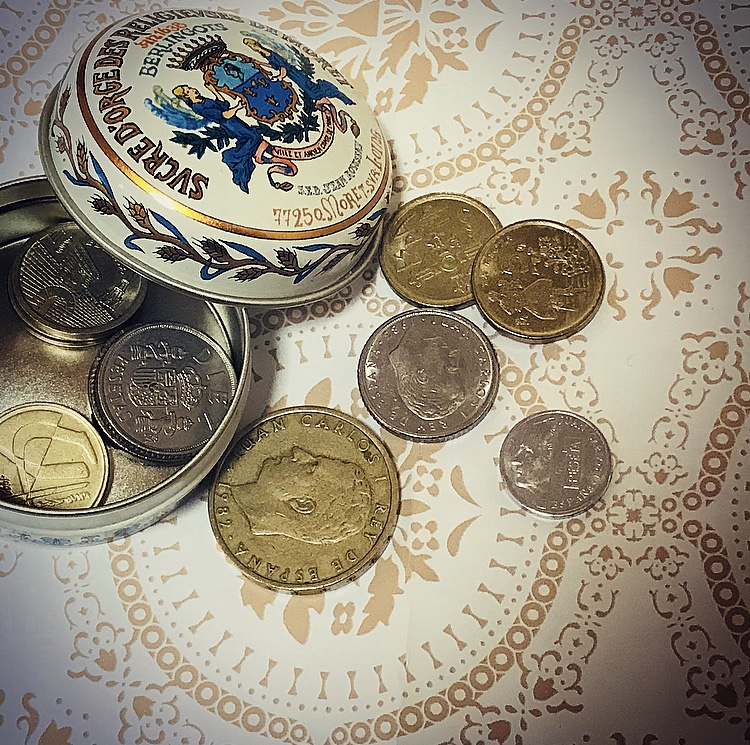
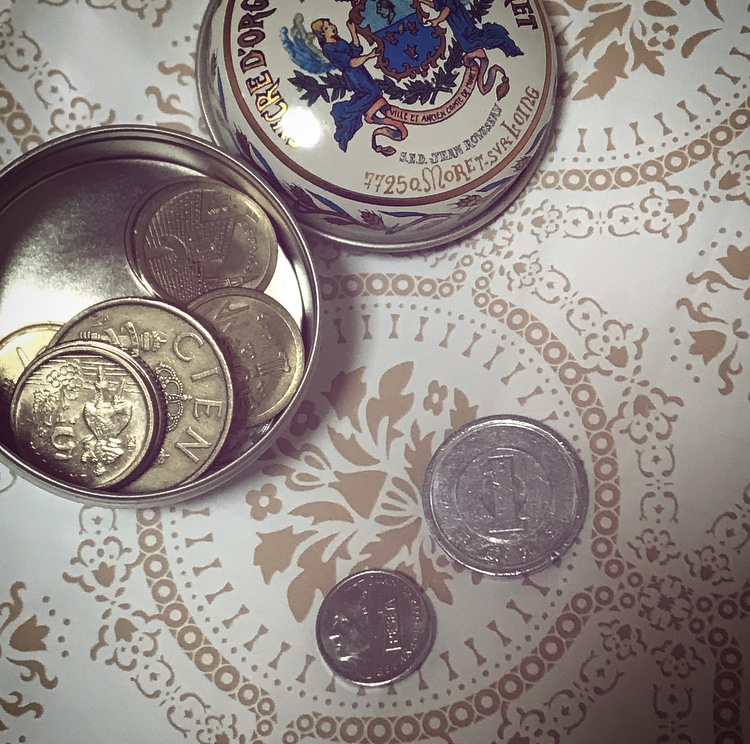
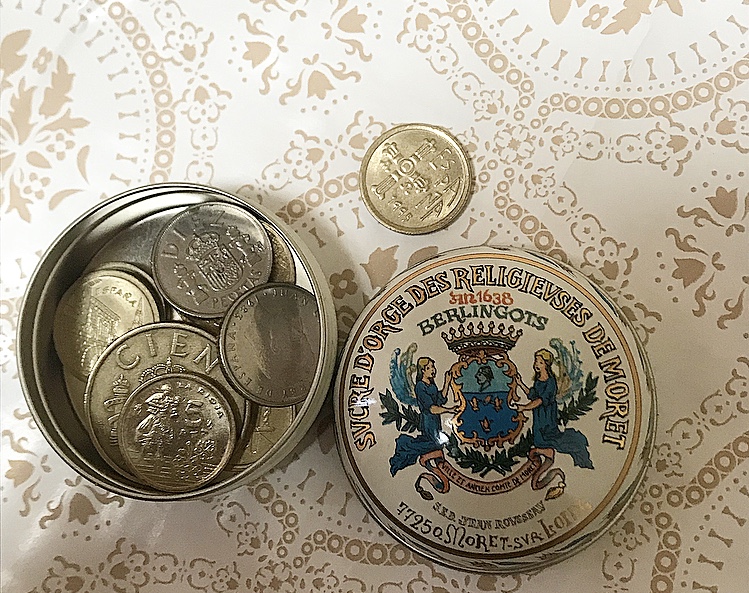
スペイン民話の中で、最も私が好きな話です。スペインのカトリック文化の良い一面がよく出ている話です。ペセタとは昔のスペインの通貨です。1ペセタがどれほどのものか実際に触ってみたくなって、手に入れてみましたが、思ったよりも小さくて驚いてしまいました。日本の1円玉よりも小さいです。勝手なイメージで100円玉ぐらいの大きさで見ていましたので、この小ささを知れて感動しました。
私がこの話が金額だけではなく、たとえ小さな祈りでも重要なことだなと知れたお話。
5ペセタには可愛い十字架が記されています。

bible

 英訳版は、一応カトリック教会でお勧めになっていた
christian community bible
を使っている。私は英語ミサしか受けないけど、
英語ミサの英語は東京で翻訳されたもののようで
少し違う。
後はドイツ語版もカトリック推薦だったかな?
今度、新しい新共同訳聖書出るみたいですね。

The Lord’s Prayer

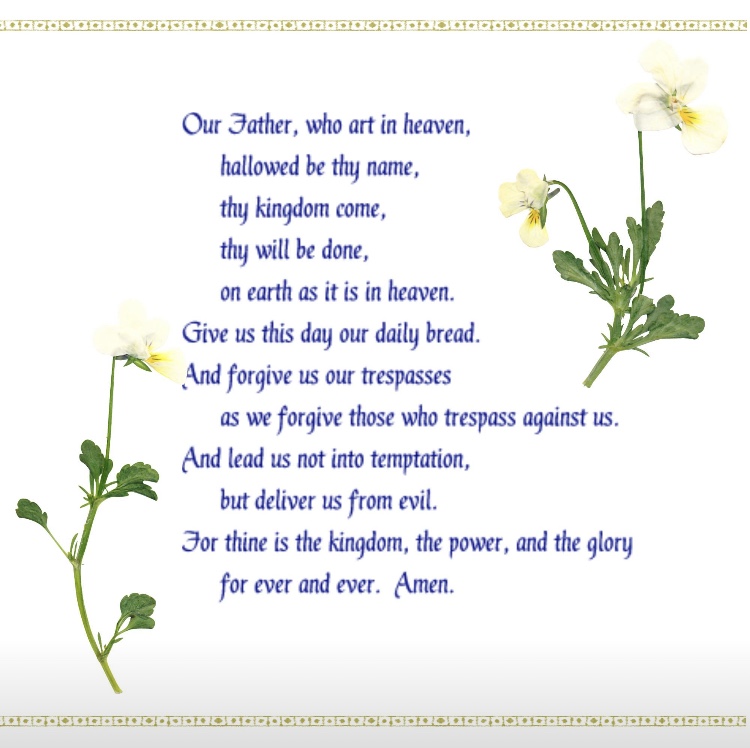
Our Father, who art in heaven,

hallowed be thy Name, 

thy kingdom come, 

thy will be done, 

on earth as it is in heaven. 


Give us this day our daily bread. 

And forgive us our trespasses, 

as we forgive those

who trespass against us. 


And lead us not into temptation, 

but deliver us from evil. 


For thine is the kingdom, 

and the power, and the glory, 

for ever and ever. Amen.

好きなお祈りの言葉2
Favorite words of prayer2

(my design)


Stabat mater

           
Stabat mater dolorosa               
iuxta Crucem lacrimosa,
dum pendebat Filius.

Cuius animam gementem,
contristatam et dolentem
pertransivit gladius.

O quam tristis et afflicta
fuit illa benedicta,
mater Unigeniti!

Quae maerebat et dolebat,
pia Mater, dum videbat
nati poenas inclyti.

Quis est homo qui non fleret,
matrem Christi si videret
in tanto supplicio?

Quis non posset contristari
Christi Matrem contemplari
dolentem cum Filio?

Pro peccatis suae gentis
vidit Iesum in tormentis,
et flagellis subditum.

Vidit suum dulcem Natum
moriendo desolatum,
dum emisit spiritum.

Eia, Mater, fons amoris
me sentire vim doloris
fac, ut tecum lugeam.

Fac, ut ardeat cor meum
in amando Christum Deum
ut sibi complaceam.

Sancta Mater, istud agas,
crucifixi fige plagas
cordi meo valide.

Tui Nati vulnerati,
tam dignati pro me pati,
poenas mecum divide.

Fac me tecum pie flere,
crucifixo condolere,
donec ego vixero.

Iuxta Crucem tecum stare,
et me tibi sociare
in planctu desidero.

Virgo virginum praeclara,
mihi iam non sis amara,
fac me tecum plangere.

Fac, ut portem Christi mortem,
passionis fac consortem,
et plagas recolere.

Fac me plagis vulnerari,
fac me Cruce inebriari,
et cruore Filii.

Flammis ne urar succensus,
per te, Virgo, sim defensus
in die iudicii.

Christe, cum sit hinc exire,
da per Matrem me venire
ad palmam victoriae.

Quando corpus morietur,
fac, ut animae donetur
paradisi gloria. Amen.

バッハも天才だと思いますが、ペルコレージのスターバト・マテルは
鬼才かな。(宗教曲の範囲では)スコアを見ても単純な構造なのに、
重厚感がある。特に数式のようなものは感じないが、長年繰り返されて
きたミサの儀式の流れを感じる。
音そのものは安定していて、人間らしさが削ぎ落とされていているが、聖母マリアの悲しみは伝わってくるところが秀逸。

悲しみの母は立っていた
十字架の傍らに、涙にくれ
御子が架けられているその間

呻き、悲しみ
歎くその魂を
剣が貫いた

ああ、なんと悲しく、打ちのめされたことか
あれほどまでに祝福された
神のひとり子の母が

そして歎き、悲しんでいた
慈悲深い御母は、その子が
罰[苦しみ]を受けるのを目にしながら

涙をこぼさないものがあるだろうか
キリストの母が、これほどまでの
責め苦の中にあるのを見て

悲しみを抱かないものがあるだろうか
キリストの母が御子とともに
歎いているのを見つめて

その民の罪のために
イエスが拷問を受け
鞭打たれるのを(御母は)見た

愛しい御子が
打ち捨てられて孤独に死に
魂へ帰っていくのを見た

さあ、御母よ、愛の泉よ
私にもあなたの強い悲しみを感じさせ
あなたと共に悲しませてください

私の心を燃やしてください
神なるキリストへの愛で、
その御心にかなうように

聖なる母よ、どうかお願いします
十字架に架けられた(御子の)傷を
私の心に深く刻みつけてください

あなたの子が傷つけられ
ありがたくも私のために苦しんでくださった
その罰[苦しみ]を私に分けてください

あなたと共にまことに涙を流し
十字架の苦しみを感じさせてください、
私の生のある限り

十字架の傍らにあなたと共に立ち
そして打ちのめされる苦しみを
あなたとともにすることを私は願います

いと清き乙女のなかの乙女よ
どうか私を退けずに
あなたとともに歎かせてください

どうかキリストの死を私に負わせ、
どうかその受難を共にさせ、
そしてその傷に思いを馳せさせてください

どうかその傷を私に負わせてください
どうか私に十字架を深く味わわせてください
そして御子の血を

怒りの火に燃やされることなきよう
あなたによって、乙女よ、守られますように
裁きの日には

キリストよ、私がこの世を去る時には
御母によって私を勝利の栄誉へ
至らしめてください

肉体が滅びる時には
どうか魂に、栄光の天国を
与えてください。アーメン

Litany of Loreto


(Litany of Loreto)


Lord, have mercy on us. 
Christ, have mercy on us. 
Lord, have mercy on us. 
Christ, hear us. 
Christ, graciously hear us. 
God the Father of Heaven, 
Have mercy on us. 


God the Son, Redeemer of the world, 
Have mercy on us. 
God the Holy Ghost, 
Have mercy on us. 
Holy Trinity, one God, 
Have mercy on us. 


Holy Mary, 
pray for us. 


Holy Mother of God, 
pray for us. 


Holy Virgin of virgins, 
pray for us. 


Mother of Christ, 
pray for us. 


Mother of divine grace, 
pray for us. 


Mother most pure, 
pray for us. 


Mother most chaste, 
pray for us. 


Mother inviolate, 
pray for us. 


Mother undefiled, 
pray for us. 


Mother most amiable, 
pray for us. 


Mother most admirable, 
pray for us. 


Mother of good counsel, 
pray for us. 


Mother of our Creator, 
pray for us. 


Mother of our Savior, 
pray for us. 


Virgin most prudent, 
pray for us. 


Virgin most venerable, 
pray for us. 


Virgin most renowned, 
pray for us. 


Virgin most powerful, 
pray for us. 


Virgin most merciful, 
pray for us. 


Virgin most faithful, 
pray for us. 


Mirror of justice, 
pray for us. 


Seat of wisdom, 
pray for us.

 
Cause of our joy, 
pray for us. 


Spiritual vessel, 
pray for us. 


Vessel of honor, 
pray for us. 


Singular vessel of devotion, 
pray for us. 


Mystical rose, 
pray for us.

 
Tower of David, 
pray for us. 


Tower of ivory, 
pray for us. 


House of gold, 
pray for us. 


Ark of the Covenant, 
pray for us. 


Gate of Heaven, 
pray for us. 


Morning star, 
pray for us. 


Health of the sick, 
pray for us. 


Refuge of sinners, 
pray for us. 


Comforter of the afflicted, 
pray for us. 


Help of Christians, 
pray for us. 


Queen of angels, 
pray for us. 


Queen of patriarchs, 
pray for us. 


Queen of prophets, 
pray for us. 


Queen of apostles, 
pray for us. 


Queen of martyrs, 
pray for us. 


Queen of confessors, 
pray for us. 


Queen of virgins, 
pray for us. 


Queen of all saints, 
pray for us. 


Queen conceived without Original Sin, 
pray for us. 


Queen assumed into Heaven, 
pray for us. 


Queen of the most holy Rosary, 
pray for us. 


Queen of peace, 
pray for us. 

Lamb of God, who takes away the sins of the world, 
Spare us, O Lord. 
Lamb of God, who takes away the sins of the world, 
Graciously hear us, O Lord. 
Lamb of God, who takes away the sins of the world, 
Have mercy on us. 

Pray for us, O Holy Mother of God, 
That we may be made worthy of the promises of Christ. 
Grant, we beseech Thee, O Lord God, that we Thy Servants may enjoy perpetual health of mind and body and by the glorious intercession of the Blessed Mary, ever Virgin, be delivered from present sorrow and enjoy eternal happiness. Through Christ Our Lord. Amen. 


好きなお祈りの言葉と私のミサっ子ブライス。背景は
ボタニカルアートのPierre Bulliard

朗報②

日本看護協会出版会の「教養と看護」という特設サイトにて「魂の世話」というテーマで連載をしています瀧本 往人様よりIcon o graphの評価を頂きました。瀧本様は哲学の講師ですので、こちらは哲学的な評価です。お忙しい中、ありがとうございました。とても感動する書評でした。

評価はこちら→

https://drive.google.com/file/d/1WzZ1Uuo1R5CAIi1hF8WX1xiCu-Pe7prI/view?usp=sharing

Icon o graph 案内はこちら→

http://chriskyogetu.blogspot.jp/2016/07/icon-o-gprah.html

カイエ

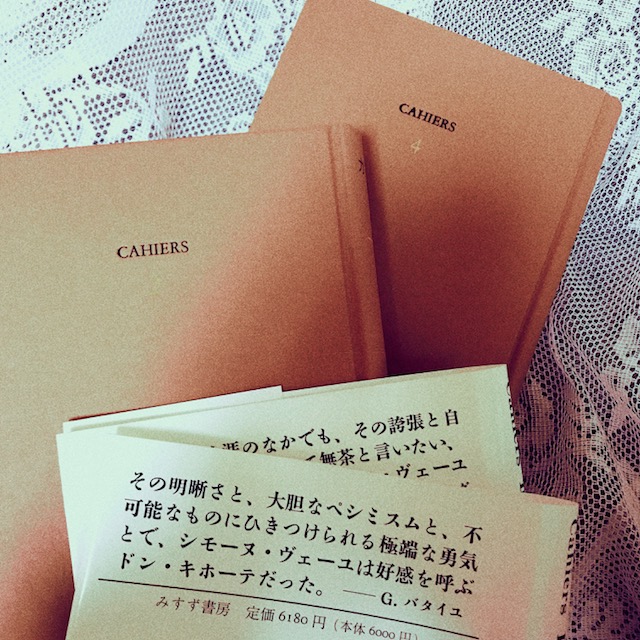
シモーヌ・ヴェイユの「カイエ」は二巻と四巻を持っている。中古のみの販売で、一巻と三巻は数万円まで高値がついてしまって買えない。安くても一万円は超えている。
フランス語か英語で探しても、新品でも一冊五千円はいくので、送料も考えるとなかなか手を出せないが、近いうちにフランス語は買おうかと思う。
 カイエとは、フランス語でノートという意味で、特別な意味は無い。ヴェイユが書籍になる予定なんて無い状態で書いたノートで、有名な「重力と恩寵」は、ギュスターヴ・ディポンの手によってカイエから纏められてある。
とりあえず欲しかったのはキリスト教考察で、丁度それが二巻と四巻だった。労働が一巻で、哲学と神秘神話が三巻のようで、
日本という国に感謝なのか、 キリスト教の濃い部分が安く買えたし、古いけど新品同様に読み込まれたような跡が無くて綺麗だった。
(元々一冊、六千円の本を三千円)
カイエにはカイエの良さがあって、重力と恩寵も纏められているから良い部分もあるかな。ノーカット版の映画と、編集後の映画を
見るような感じ。

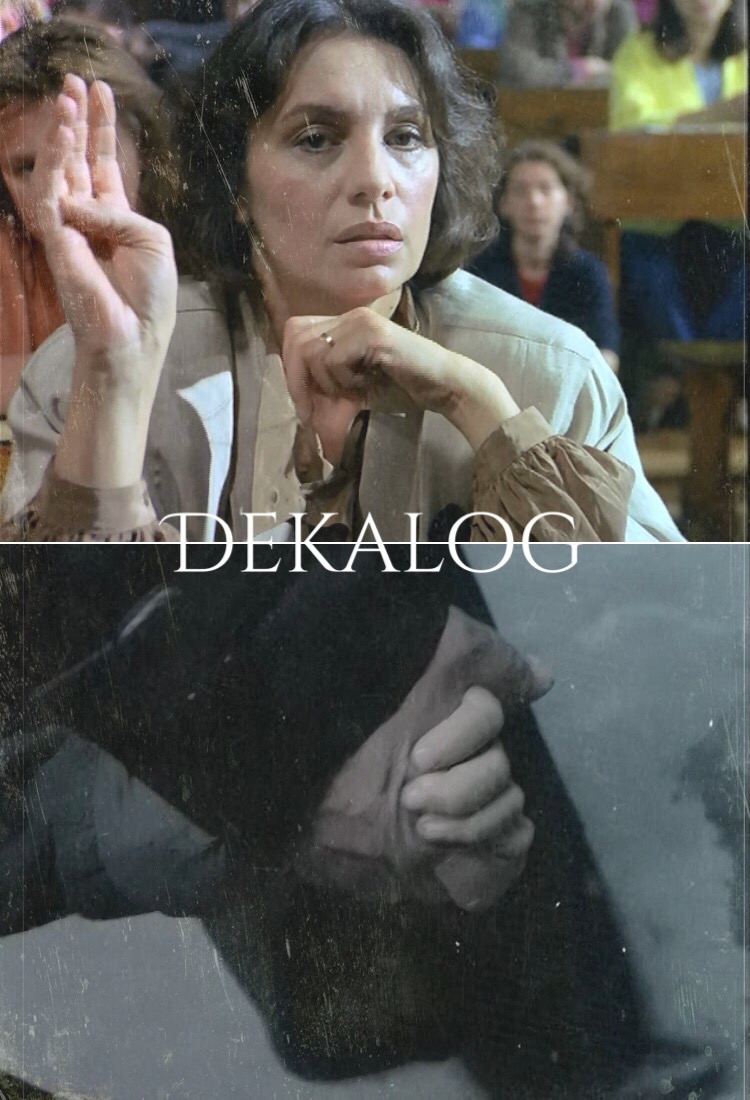
Dekalog episode8

「デカローグ」

第8話「ある過去に関する物語」
「本当にその若い夫婦が敬虔なカトリック信者なら、何故、十戒の“偽証してはならない”を重視したのかが不可解です」(訳は私)
私が、脇役のこの学生の台詞の意味が分かるのは、キリスト教徒になった後だった。

(解説と感想)
 物語の始まりは、一人の少女が大人の手に引かれて暗がりの中に連れていかれるところから始まる。キェシロフスキ関連の書籍によると、戦後のポーランドは、ユダヤ人の移民一世からは元凶であるナチスドイツよりも、ユダヤ人を見捨てた国として厳しい目で見られていた。
大学で哲学・倫理学の教鞭を執るゾフィアには、第二次大戦中ユダヤ人少女を匿うための洗礼の立会人なることを、「偽証してはならない」を理由に断ってしまった過去を持つ。
学部長のところに、自分のポーランド語の英語翻訳を担当している女性がアメリカから来ていて、
彼から、この女性がゾフィアの講義を聴衆したいと伝えられる。
彼女とは二度目の再会だった。
その女性がいる目の前で、ゾフィアは「人間は感情に捉われている限り、最も善きものを見て最も悪しきことをなす」と、スピノザの引用を語る。
一区切りがついた後、ゾフィアは生徒にテーマを出させる。
一人目に選ばれた女学生は、ある夫婦の話をした。”夫は癌で死にかけて子どもを作れない状態だったので、妻はどうしても子どもが欲しくて他の男との子どもを作った。妻は医者に何度も夫は本当に死んでしまうのかを問うが、この医者は敬虔なカトリック信者で「死の宣告」が出来ない。
妻は、夫が助かるのであれば子どもは堕ろすが、夫が駄目なのであれば産みたいと。なので、医者の死の宣告が赤ん坊の命を左右することになる”
(この話はデカローグの第二話に収録されている。)
それに対して、ゾフィアもその妻には子どもが生まれたという結末を知っていると話す。
「子どもが生きている、それが最も重要」と語ることに、エルジュビエタは強い反応を示し前に来る。
次の発言は、エルジュビエタだった。
エルジュビエタはあるユダヤ人少女の話をし始めた。
①その六歳の少女は、あるポーランド人宅の地下倉庫に匿ってもらっていたが、その家がゲシュタポに接収される。なので、大人達がその少女のための新しい隠れ家を探さなければならなかった。
②あるポーランド一家に受け入れが見つかるが、キリスト教徒になることが条件だった。そして洗礼をしたという証明も求められた。
③ 洗礼の名付け親(立会人)となる夫婦として、敬虔な信者である若い夫婦が選ばれる。そのための神父を外に待たせ、急いで事を済ませようとするが、妻は「偽証をしてはならない」という理由で断る。
その話を聞いて、一人の女学生が、
「本当にその若い夫婦が敬虔なカトリック信者なら、何故、十戒の“偽証してはならない”を重視したのかが不可解です」
と言うわけですね。
キリスト教徒じゃなかった頃は、法のようなものにも生じる矛盾だと思っていたのですが、これが結構な意味を持ちます。
**十戒とイエス**
イエスは十戒で定められていた安息日を守らなかったり、姦淫の罪を犯した女性を許したり、解放的な面がありました。
イエスといえば第一に重要なのは神への愛、第二に隣人への愛と二翼の翼となっていて、片方だけでは成り立ちません。やはり隣人への愛ありきなのです。
ですので、キリスト教徒なら恐らくこのへんを重視するはずですが、(戦時中は分からない)
この妻、ゾフィアは十戒の「偽証してはならない」を選んだ。確かにこれも重要ではあるが、断る第一の理由にしては説得力に欠けるし、違和感を覚える。この不可解なところはエルジュビエタも感じていていたのかもしれません。何故なら後に彼女はキリスト教徒となったようでしたので。(それは定かにはしていない)
やがて、真実を問うとゾフィアはあの当時、誤報に惑わされていて、その少女もゲシュタポ関連者だと知らされてあった。 洗礼に立ち会えば自分達も捕まると思ったと、漸く「偽証してはならない」は本心では無かったということが分かります。
それで結局、ゾフィアは「偽証」してしまったのです。ゾフィアは敬虔な信者だったが、「神という言葉はもう使わない」と、教会にも通わなくなり、哲学・倫理学の教授となった。心の中にいる善意を知っている一人さえいればいいと語る。 
彼女は罪を背負って今まで生きてきていた。子ども命が重要だと言うのも、この流れでエルジュビエタへの贖罪のように思える。
エルジュビエタは祈りの時間を作るほどのキリスト教徒となり、ゾフィアを許す。そしてまた自分と関わった人へ話に行く。
戦時中と戦後の善悪の基準の変化、感情に支配されてしまうと見えなくなる恐ろしさと、感情があるからこそ生まれる許しや、贖罪の念がこの55分の短いフィルムで、人間標本のように収められている。
この冷静と静寂の中に、時を超えても人々に想像される感情が詰まっている。
********
「デカローグ」とは。
映画監督の巨匠、クシシュトフ・キェシロフスキが、旧約聖書の「十戒」をモデルに戦後のポーランドを舞台にドラマ化。ただし、十戒の正解に合わせたり、問いを生み出しているわけでもない。これはポーランド人が直面した倫理や道徳、哲学的問題に取り組んでいる。(1988年)
私は 命題の作り方とかは彼から学んだのかもしれない。

画像の版権は販売元である紀伊国屋書店、イマジカにあります。


******


酒井司教、女子パウロ会、瀬戸内寂聴からも楽しんで読んでもらえた
イコノグラフはこちらで買えます。

桜桃


・子供より親が大事、と思いたい。子供のために、などと古風な道学者みたいなことを殊勝らしく考えてみても、何、子供よりも、その親のほうが弱いのだ。少なくとも、私の家庭においては、そうである。

・私は疲労によろめき、お金のこと、道徳のこと、自殺のことを考える。

・私は悲しいときに、かえって軽い楽しい物語の創造に努力する。

・人はそれに気づかず、太宰という作家も、このごろは軽薄である、面白さだけの読者を釣る、すこぶる安易、と私をさげすむ。

・しかし、父は大皿に盛られた桜桃を、極めてまずそうに食べて種を吐き、食べては種を吐き、そうして心の中で虚勢みたいに呟く言葉は、子供より親が大事。
桜桃―太宰治。(1948年5月)


****

◎はじめに

われ、山にむかいて、目を挙ぐ。(文語訳)

(目を挙げて、私は山々を仰ぐ・新共同語訳)
詩篇、第121

 旧約聖書の詩篇の引用から始まる。この続きは「わが扶助(助け)はいずこよりきたるや」と続く。(文語訳)意味は、「わたしは山に向かって目をあげる、わが助けは、どこから来るであろうか」(角川春樹事務所文庫より)
「子供より親が大事、と思いたい」と始まることによって、何て薄情な親なんだと思うか、共感を生むのか、もっと他の意味があると読むのか、様々な読者の「立場」をひきつける。桜桃は短い作品で、この中の父親の名前が著者である「太宰」となっていること、長男の障がいのあること等の一致、妻子を置いて、愛人と心中事件を起こす約一月前に書かれた『桜桃』は私小説扱いでもある。この父親である「私」(太宰)は人を楽しませることや、人の期待に応えようと自分を追い込んでいく。死にたいと思うこと、長男の障がいについて父親は一緒に死にたいと思うことがあると独白で語る。そして贅沢なものでもある桜桃(サクランボ)を子どもに与えず、自分だけがまずそうに食べては種を吐く。

****
◎感想

 日本語では「うそつき」を「嘘吐き」(ウソハキ)と書くことがある。この最後の桜桃(サクランボ)を食べては種を吐き、食べては種を吐きというのは、嘘吐きのことをあらわしてるのだと思った。私は(わたくしは)まずそうに演じたということは嘘をついたと同等だとし、 嘘とは種に纏わりついた彼の唾液のことだとする。そうなると、何かを実ろうとする小さな種が彼の口から落とされるイメージがすぐにできる。「嘘とは唾液」とは、「吐いた唾は飲めぬ」と、一度口から出した言葉は取り消すことができないということと、私はキリスト教徒なので、植物の種にはなるべくならプラスの意味を持たせるので、意味を分離させた。サクランボの花言葉は「善良な教育」。それを子どもには与えず父親だけがまずそうに食べて種を吐く。植物の種というものは本来は可能性を秘めているが、恐らくこの種は沈黙のまま捨てられるのだろう。
それら全て含めて親の弱さであり、性(サガ)であり、子を想うからこそ、弱いと認識してしまう葛藤を静かに表している。私は子どもがいないのでまだ確かなことは分からないけれども、親になると自身が弱いと感じることは屈辱なんだそうで、そういう弱さを告白することはとても勇気がいることなんだと聞いたことがある。今は親にも余裕を与えてやろうという考えが広がってるので実際はどうなのか分からないが、誰でも子がいると自分の未熟さを感じることはあるというのは、いつの時代も変わらないとは思う。
 他にも太宰は文学を書こうとする者なら誰しもが悩む普遍的なことなんだろうと思う。 愛や死の同調で喜ぶ読者を見ると彼等に合わせてしまいそうになる。 特に死の価値観は厄介で、死や儚さの同調について、読者の文学への期待は思いのほか高い。もしかしたら生きることや愛の同調よりも期待が高いかもしれない。それは死の同調が「私だけじゃなかった」という安堵感を与えて、「生」に繋がることがあるからかもしれない。死への同調は、生きることも意味する。これは私の独断だが、そういったことを求めるのは女性が多いのかもしれない。
それは現代の私の周りでも変わらない。男性は愛や哲学的なことを主に理性を求めるけれども、女性は死(生)や、人知れず抱いている夢への感情の同調を私に求めることが多い。(それでも、あまりそれに応えすぎないようにはしている)
似たような人がいるという灯りになること、それが作家の弱さの告白の意味である。そしてフィクション作家であるのなら、何処か現実とは違う何かを見せなければならない。例えば、この前紹介したガルシア・マルケスのようなものが良い例だろう。海からバラの香りがするということ、人はこのようなもう一つの現実を期待する。
死や愛を丁寧に書くとすれば基本は一人身のほうが身軽なのかもしれない。 もしくは一人身ではなくても自分を押さえつけない少数の理解者で充分だったりする。作品を第一に考えてくれる理解者がいるのなら、それで良い。それは気楽かといえばそうでもない。一人身でも自由きままに生きることなんて出来ないが、子は犠牲にしていないというのが私の中で安心する一つである。
子育ても経験にとって重要なのかもしれない。
しかしながら、子が可愛いのなら、子を踏み台にしたような経験はしたくないというのがある。完璧な子育てでなくても子は育つけれども、初めから約束出来ないことを誓うことは出来ない。
未来については、神の計らいによるけれども、今の私はそうだ。
 太宰の「桜桃」は作家の葛藤も非常にシンプルに書かれてあるが、妻や子を持った故の葛藤だけで済ませると少し違うのかもしれない。子を持った場合でも持たない場合でも、同じぐらいの課題の重さはある。これは与えられたものに対して、何らかの理由で身軽に動けない人間の葛藤だと私は思う。
だから家庭が無い私にも心に響いたのだと思う。私も家庭が無いことに身軽で極楽トンボだとは感じたことがない。別にあったからといって拠り所になるという理想も今は無い。私は、誰かを泣かせるようなことや、裏切ることや、非道徳的な犠牲が目に見えないだけで、これが正しい生き方なんて自信がないのも私も同じである。これが「私」としか言えない。いえることは、今の自分を必要としてる人がいて、応えたいと思う人がいて、与えられたものは、自分にとって生きるための「かすがい」に違いはない。家庭と違うが、仕事においてはお互い犠牲を払いあって成り立つ関係であるので、感謝すら感じる。
それでも、子や才能(賜物)のように与えられたものによって、身動きが取れなくなるということは多々あり、葛藤があるのだ。
今の私は「桜桃」をそう読む。今回は太宰が残した遺書や太宰の人生とはあまり重ねず作品だけで纏めた。 ただ、太宰は妻以外の女性と心中するときに、子を想う文も残し、生活していけるように印税を残した。残された子について私は詳細不明だが、経歴だけなら立派に成長している。
 取り残された妻は、太宰の遺骨は家に入れなかったが作品が残るように活動をした。心中した相手の女性の家族は名誉回復のために長年に渡って活動した。今では彼に対しては賛否両論はあるけれども揺るがない知名度の高い文豪となった。人の吐いた一つの嘘なんて誰かの誠意で綺麗になっていくように、捨てられたはずの種がまるで育ったようだ。

Lord, have mercy.

*今回、太宰治の本を朗読する機会があったので二作続けて書くことにしました。
*長男の行く末に関しては表現が思いつかなかったので省略しました。
****
◎参考にした他の書籍の一部


「ふたりの主人に兼ね仕えることはできない。神か富かどちらかを選べ」 (マタイによる福音書・6・24)


信仰は本来、人間の弱さや源として希求されてまいりましたが、その観点を忘れた「いい人間ぶること」がこの頃はやりすぎているように思います。人間は美点もあり醜点もあるのものです。 その相克に苦しむとき、悲しいことながら人間は誰でも多少神が見えやすくなるのでしょうか。

曽根綾子

聖人とは欠点のない完全な人間を言うのではなく、この愛とエネルギーに行き、生かされた人のことですね。
尻枝正行神父
別れの日まで―――作家・曽根綾子とバチカンの神父の往復書簡。


酒井司教、女子パウロ会、瀬戸内寂聴からも楽しんで読んでもらえた
イコノグラフはこちらで買えます。

アマゾン→https://www.amazon.co.jp/Icon-graph-Chris-Kyogetu/dp/153493037X/ref=sr_1_2?s=books&ie=UTF8&qid=1512118298&sr=1-2

紀伊国屋→https://www.kinokuniya.co.jp/f/dsg-02-9781976279713

Joyeux Noël et Bonne Année !

HAIL MARY

Hail Mary, full of grace, the Lord is with thee.
Blessed art thou among women, and blessed is the fruit of thy womb, Jesus.
Holy Mary, Mother of God, pray for us sinners, now, and at the hour of our death. Amen.


WordPress.com でブログを始める.

ページ先頭へ ↑