The Beauty and Poetry of Labour(2) Simone Weil /English


Continued from the previous article

  1. Ⅶ. The Labourer and Poetry: Jesus Christ, ed
  2. Ⅷ. Reflections 


Ⅶ. The Labourer and Poetry: Jesus Christ, ed

In this context, it seems reasonable to conclude that Weil is referring to the Catholic Eucharist, or Eucharistia hostia. This is, of course, an intuitive conjecture, yet it remains plausible to suggest that Weil maintained a critical perspective towards the monotonous and arduous nature of factory labour. Moreover, she implies that the hostia has been reduced to a mere habit—an observation aligned with her critique of the increasing materialism and secularisation of the Church. I argue that this insight emerged from her personal experience as a labourer, leading her to realise that the act of consuming food and drink, devoid of the accompanying physical effort, could be seen as a more materialistic pursuit.

My preference for Weil, over many other philosophers and theologians, lies in her focused exploration of the condition of the ‘labourer’. Furthermore, her spiritual ‘turns’, which many find challenging to interpret, are consistently anchored in the figure of Jesus Christ. The issue of poverty tied to labour remains a pervasive and universal challenge, even in modern contexts. It is also worth noting that Jesus himself had a profound connection to labour, given that Joseph, his foster father, was a carpenter.

***

・Travail manuel. Pourquoi n’y a-t-il jamais eu un mystique ouvrier ou paysan qui ait écrit sur l’usage du dégoût du travail ? La pesanteur et la grâce

・(Manual labour. Why has there never been a labourer or peasant mystic who wrote about the experience of disgust towards work?

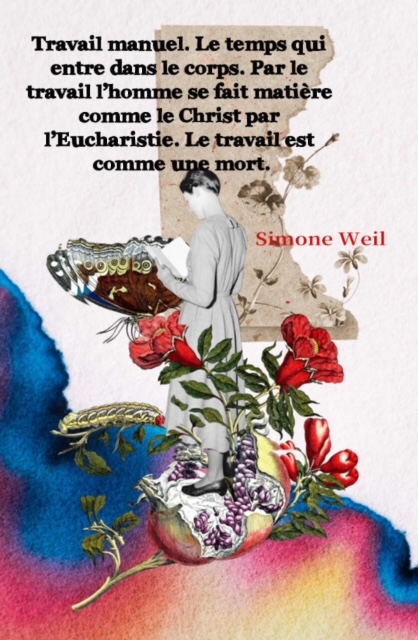
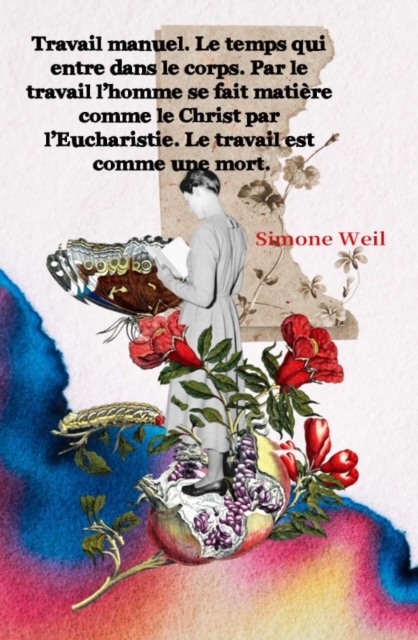
Travail manuel. Le temps qui entre dans le corps. Par le travail l’homme se fait matière comme le Christ par l’Eucharistie. Le travail est comme une mort.

***

This assertion appears in Gravity and Grace (La pesanteur et la grâce), where Weil reflects on the mystery of labour, drawing a parallel between work and the transformation that Christ undergoes in the Eucharist. This connection evokes Christ’s anguished cry from the cross: “My God, my God, why hast thou forsaken me?”—an expression of divine abandonment. Christ suffered fully as a human being, and conveying the meaning behind these beliefs can be profoundly challenging. Faith is often deeply intuitive and internal, making it difficult to articulate through rational discourse alone. From a Catholic perspective, reflecting on why one might embrace Catholicism involves recognising the inherent contradictions within the institution, which may serve as part of its appeal.

In early Christianity, the teachings of Jesus were transmitted orally and through personal encounters, embodying a distinctly spiritual and individual approach to faith. As the Church’s influence expanded within the Roman Empire, however, faith became increasingly institutionalised, with doctrines and rituals formalised over time. This evolution established faith as an entity rooted in institutional authority, often intertwined with political power. Catholicism continues to value mystery and intuition, yet these elements have also been absorbed into its institutional framework. Although Weil’s exact reasons for embracing Catholicism remain unknown, I believe it was the very contradictions within the faith that captivated her. Amidst the materialism and corruption that taints some members of the clergy, she found solace in her connection with the humanitarian Fr Perrin. When I challenged Fr Perrin on the Church’s practice of excommunication, he replied in writing, comparing it to an act of weeping. Regrettably, this letter never reached Weil.

Weil recounts three significant encounters with Catholicism following her factory experience. The first occurred in a small Portuguese village, where she witnessed fishermen’s wives singing sorrowful hymns. This encounter led her to perceive Christianity as a “religion of slaves,” realising that those who suffer need faith for solace—and that she, too, was one of these “slaves.” The second encounter took place in Assisi in 1937, where, for the first time, she knelt in a small chapel associated with St Francis, experiencing a profound reverence for God. She also immersed herself in the liturgy at Solesmes, enduring severe headaches but finding comfort in the beauty of the hymns and words. These experiences offered her a glimpse into the possibility of understanding divine love beyond human suffering, etching the Passion of Christ deeply into her spiritual consciousness.

For her third encounter, Weil committed to reciting the Lord’s Prayer (Pater) in Greek each morning with complete focus. During these prayers, she often experienced a profound silence, sometimes feeling as though her thoughts transcended her physical body, enabling her to sense the loving presence of Christ. This practice of prayer became a vital means of direct contact with the divine for her. Her engagement with Catholicism left a significant imprint on her thoughts and beliefs.

The term “Catholicism” in this context encompasses the formal doctrines, rituals, and institutions of the Catholic Church, along with its social and cultural impact. The Pope is viewed as the supreme authority, and Catholicism emphasises the institutional and public dimensions of tradition-based education and social action. It can be described as an “outward-looking” phenomenon, centred on the officially recognised doctrines and institutions of the Roman Catholic Church. Although personal “intuition” remains vital for practising Catholics, it is noteworthy that Weil—despite her deep involvement—never received baptism, or passed away before she could do so, suggesting that her spirituality transcended institutional boundaries.

Weil’s factory experience allowed her to empathise with the suffering of others and to recognise herself as a “slave.” This realisation profoundly shaped her spirit, leading her to see herself as an anonymous figure within society, much like Christ, who bore the weight of human suffering.

The Psalms of the Old Testament offer a poetic connection between God and humanity, expressing a spectrum of emotions through praise, prayer, and lament. Other biblical texts, such as the Song of Solomon, Job, Proverbs, Lamentations, and sections of Jeremiah and Isaiah, also contain poetic elements. However, the New Testament does not portray Jesus Christ in poetic form.

Why, then, is Jesus not praised through poetry? This absence may reflect the early Christian focus on spreading the faith and establishing communities within the material world. The practical need to communicate teachings clearly and accessibly took precedence over poetic expression, leaving any poetic sentiment about Jesus to the reader’s interpretation. The narrative structure and instructive parables used in the Gospels were essential for conveying the message to diverse audiences across different cultures and languages.

In this context, Weil’s concept of the ‘labourer’ serves as a symbolic connection to Jesus. It is not merely physical sustenance that labourers require, but rather the nourishment of the soul and imagination.

Even today, the issues surrounding poverty and labour are not easily categorised as either social problems or matters of personal responsibility; they remain deeply intertwined, presenting challenges without clear solutions. Viewing poetry solely as an act of creative expression reflects a subjective perspective, reminiscent of Plato’s theories. However, my focus has been on Weil’s engagement with Catholicism, despite her not being baptised.

Can we view labourers not as mere material beings but as individuals who share in Christ’s suffering?

While the hostia, representing Christ’s flesh, may exist within sacred rituals, it is undeniable that institutional corruption often reduces it to mere bread. Labourers need more than this—they require a poetic sentiment capable of inspiring and enriching their lives. Historically, poetry has expressed devotion and reverence towards God, articulating moral and ethical ideals. To what extent, though, can humanity embrace such ideals today?

Weil does not deny the necessity of bread in addressing physical hunger; rather, she distinguishes between this and the spiritual nourishment she seeks. Her writings call for a deeper exploration of suffering and the human experience, frequently referencing Jesus Christ as a guiding figure. In doing so, she reveals a profound religious intuition that underpins her perspectives on contradiction and transformation.

Ⅷ. Reflections 

Perhaps you may glimpse poetic sentiment in the theme of ‘light and shadow.’ I wonder what thoughts stir within you as you observe the shadows cast by trees and the way light dances upon an outdoor wall. The delicate interplay between light and shadow conjures countless associations. Shadows, it could be said, are ephemeral—born from the presence of light, yet perpetually shifting and fleeting. If we draw upon Plato’s allegory of the cave, we might surmise that what we perceive as reality is but a shadow of the true essence, a projection on the wall that we mistake for the real. This enchanting scene offers only a fragment of truth, revealing but a glimpse of a larger whole.

In Japanese thought, this interplay evokes the concept of mujo—impermanence—capturing the transient meeting and parting of light and shadow. In Japanese literature, cherishing such seemingly insignificant moments is, in itself, a literary act. Gaston Bachelard, for his part, refrained from naming such experiences, instead drawing profound meaning from the essence of the fleeting moment.

While some may interpret this view as offering solace to labourers, my perspective has been shaped by Christian evangelism. Light and shadow, deeply symbolic throughout tradition, reveal beauty wherever the heart is open to see it. Yet if we are to embrace the full scope of Weil’s reflections on ‘labour,’ we must look beyond the mere interplay of light and shadow. We are called to confront the very symbol of ‘labour’ itself, not in its economic sense, but as a representation of poverty. Symbols, which merge the tangible with the abstract, demand both conceptual understanding and authentic engagement with reality.

One might say that while poetic sentiment grants us a certain freedom, we must also tread the path of poverty that Jesus embodies.

In Matthew 25:40, Jesus offers a parable that illuminates his royal worthiness: “Whatever you did for one of the least of my brethren, you did for me.” Conversely, he warns, “What you did not do for one of these least, you did not do for me.” These words convey that service to the most vulnerable is, in essence, service to Jesus himself. Yet bound within this message are daunting challenges, tangled with complexity, leading us away from the realm of poetry and heartfelt inspiration.

Indeed, those who place their faith in Jesus Christ may encounter moments of profound intuition, a deep sense of spiritual insight. Yet to articulate the poverty that Jesus embraced, and to share its meaning with others, is no easy task. The human heart, it seems, is caught in tension—yearning to draw nearer to the divine mystery, while fearing to lose itself within it. In recognising my own impermanence, I discover within myself a compassion tinged with humility—a challenge that mirrors my understanding of Jesus. This reflection becomes the essence of my redemption: not a pursuit of abstract beauty, but of a beauty that longs to take tangible form.

Amid the complexities of doctrine and the mysteries of faith, I have anchored my thoughts in the figure of the ‘labourer.’ Honouring Joseph, the earthly father of Jesus, I pay tribute to Simone Weil, whose words resonate with this enduring theme. Through her eloquence, Jesus walks the landscape of the heart, emerging as a poetic sentiment. Though the New Testament does not portray Jesus in the language of poetry, it was perhaps Weil who most profoundly conveyed that the journey to discover this poetic truth lies within us.

Lastly, I have chosen to translate “Work” consistently as “Labour.” In English, “Labour” encompasses not only work but also the pains of childbirth, whereas French distinguishes between these meanings with different words. For Weil, however, the shared Latin root may have embodied a deeper connection. She left us with these poignant words in her notebooks: “Writing is akin to childbirth. One cannot help but strive to the point of feeling limits.” This is an experience familiar to anyone who has engaged deeply in writing, regardless of their grasp of Latin. Yet knowing Weil, it is likely she uncovered within this act a profound mystery.

In this light, perhaps she was indeed a ‘teacher’ in the truest and most profound sense.

Comments:

*Although this work does not engage with Kantian thought, it is possible to reflect elements of Kant’s philosophy.

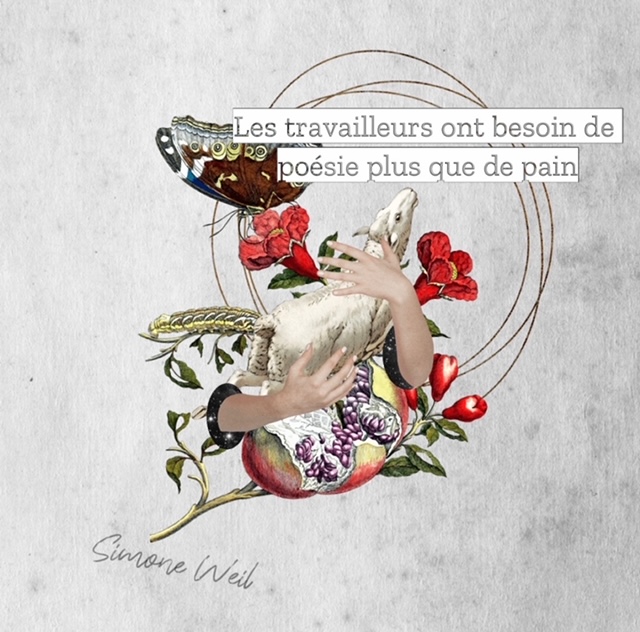
Les travailleurs ont besoin de poésie plus que de pain is part of the “Workers and Mysteries” chapter in Gravity and Grace, and it continues with Seule la religion peut être la source de cette poésie. (Only religion can be the source of this poetry).

*I hope you will accept this critique, even though it references literature. While it does not mention Kantian thought, it can reflect it as well.

Les travailleurs ont besoin de poésie plus que de pain appears in the “Workers and Mysteries” chapter of Gravity and Grace, followed by Seule la religion peut être la source de cette poésie. (Only religion can be the source of this poetry).

References:

• Simone Weil 『La pesanteur et la grâce』『La Condition ouvrière』『Attente de Dieu』『La pesanteur et la grâce』

• Tome VI, volume 2, Cahiers 2 (septembre 1941- février 1942), Paris, Gallimard, 1997.

• George G. Humphreys, Taylorism in France, 1904-1920: The Impact of Scientific Management on Factory Relations and Society

• Plato / Allen, R. (TRN), 『The Republic』

暗い時代の三人の女性, 晃洋書房

シモーヌヴェイユ アンソロジー, 河出出版

Please note that, as of now, this paper does not provide references to literature specifically addressing Catholic sacraments. The relevant details will be submitted at a later date.
労働者の美と詩(2)シモーヌ・ヴェイユ

前回はこちら


Ⅵ.「労働者と詩」イエス・キリスト編

私は、このヴェイユのパンというのをカトリックの聖体拝領、エウカリスティアのホスチアも指していると思っている。これは単なる直観に過ぎないが、ヴェイユは工場勤務によって、単調で過酷な仕事に対して、批判的な意見を持っていた。そしてそれは、ホスチアが、単なる「習慣」であり、

物質的になっていく世俗化された教会の問題も彼女は知っていただろう。それは彼女が労働者になった経験で、過酷な労働で、ただ飲み食いするだけのことをより物質的だと実感したことに繋がっている。

私が数多い哲学者や神学者を差し置いて、ヴェイユを選ぶ理由は彼女が「労働者」について着目しているからだった。そして、彼女が難解ともされる「転回」を繰り返す背景には、イエス・キリストという軸があることである。労働による貧困は現代にも通じ、そして普遍的な課題である。

イエス・キリストもヨセフが大工だったので、労働者ということが、より一層深く思えた。

***

・Travail manuel. Pourquoi n’y a-t-il jamais eu un mystique ouvrier ou paysan qui ait écrit sur l’usage du dégoût du travail ? La pesanteur et la grâce

・(肉体労働。なぜ、これまで労働の嫌悪をどう活かしていくかについて書いた神秘家が、労働者の中からも、農民の中からも一人もいなかったのか)

Travail manuel. Le temps qui entre dans le corps. Par le travail l’homme se fait matière comme le Christ par l’Eucharistie. Le travail est comme une mort.

(肉体労働。肉体の中へと入ってくる時間。労働を通じて、人間は物質となる。キリストが聖体の秘蹟を通じて、そうなるように。労働は、死のようなものである)

***

これは、「重力と恩寵」の労働の神秘に同じく収録されている断章だが、「キリストが生体の秘蹟を通じてそうなるように」とは、キリストが処刑前に「わが神、わが神、なぜわたしをお見捨てになったのですか」と詩編第22章を叫んだことに通じている。彼は人として苦しんだ。これらは信仰の理由を伝える際に、なぜそれらを説明できるのか、直観的、内的であるが故に、人に伝えようとすると、途方もなく疲れてくる。カトリック信者である私からみても、何故、彼女がカトリックを選んだのかという点は、この団体そのものが持つ「矛盾」への探究心がそうさせたのだと捉えている。

キリスト教の初期は、イエスの教えは口伝や直接の体験を通じて伝えられ、非常に霊的で個人的な信仰の形を持っていた。やがて教会がローマ帝国の中で影響力を持ち始めると、信仰は組織化され、教義や儀式が形式化されて、この過程で、教会は信仰を制度や権威に基づくものとして確立し、時には政治的な力とも結びついていった。カトリック内では神秘や直観も重視される一方、利権や制度化された側面も存在していた。彼女がカトリックを選んだ心理はわからないが、私はそこにある矛盾に惹かれたのだと思う。堕落した物質主義的な聖職者も多い中、人道主義のペラン神父と交流を持つようになる。ぺラン神父に、教会の「破門」について異論を述べ、ぺラン神父は、それについて破門によって教会が泣いている、と書き記したが、その手紙はヴェイユには届かなかった。(1942年)

彼女は工場勤務の後に、3回ほどカトリシズムに触れたと記録している。一回目はポルトガルの小さな村で、漁師の妻たちが悲痛な聖歌を歌う姿に触れた彼女は、キリスト教が「奴隷の宗教」であり、苦しむ者たちが信仰を必要とすることを直観する。彼女自身もまた、そのような「奴隷の一人」であることを理解した。二回目は1937年にアッシジでは、聖フランチェスコにゆかりのある小聖堂で初めて膝をつき、神への畏敬を感じた。さらに、ソレームでは典礼に没頭し、激しい頭痛に苦しみながらも聖歌と言葉の美しさに慰めを得る。この経験を通して、彼女は不幸を超えて神の愛を理解する可能性を見出し、キリストの受難が深く心に刻まれることになる。三回目、ヴェイユは毎朝、完全な集中をもって「主の祈り」(パーテル)をギリシア語で唱えることを自身の務めとした。祈りの中で深い静寂を体験し、時には思考が身体から離れ、キリストの愛に満ちた現存を感じることになる。この祈りの実践は、彼女にとって神との直接的な接触を可能にする重要な行為となった。彼女が「カトリシズム」に接触した経験は、彼女の思想や信仰に重要な影響を与えたものでした。彼女が接触した「カトリシズム」は、組織的な教会の教義や制度としての宗教的側面と、個人の内面的な霊性体験や神秘主義とは異なるニュアンスを持つべきものとして理解する。

   「カトリシズム」とは、カトリック教会の正式な教え、儀式、制度、そして社会的・文化的影響を広く意味し、ここでは、教皇を最高権威とし、伝統に基づく教育や社会的活動といった制度的・公的性格が強調される。「カトリシズム」とは、ローマ・カトリック教会の公認された教義や制度を中核に、信仰の実践と社会的役割を含む「外向き」の宗教的現象ともいえる。カトリックでも、当然ながらこの個人の内面的な「直観」はとても重要なことであるが、

しかし、彼女がカトリックで洗礼を受けなかった、もしくは受ける前に亡くなってしまったことも配慮すると、思想家として、宗教にとらわれない内的な神秘も持ち合わせていたと捉えている。工場での経験により、自分を含む多くの人々の不幸を身をもって感じ、自らを「奴隷」として認識するようになった。この体験は、彼女の精神に深い烙印を刻み、以降、自分を社会の中で名もなき存在と見なすようになっていった。これはキリストが人としても苦しみを背負ったことに通じている。

本来なら、神と詩を結びつけたとするのが旧約の「詩篇」が代表的で、これは多様な感情や状況において、神への賛美、祈り、嘆きなどを表現している。他にも雅歌、ヨブ記、箴言、哀歌、預言の箇所で詩的な表現や格言を含むエレミヤ書、イザヤ書とあるが、新約聖書では詩でイエス・キリストを表してはいない。

何故、イエス・キリストへの賛美は詩ではなかったのか。これは考察に過ぎないが、初代キリスト教が、現実世界での布教活動や共同体形成を目的としたため、教えを具体的かつ、実用的に伝わるようにし、詩的表現よりも説明や教義の明確な伝達が優先された。よって、イエスへの詩情というものは、読者の想像力に委ねられている。イエスを伝道する際、重要なのは物語形式や教訓的な逸話であり、異文化、異言語の人々が理解しやすい形式である必要性があった、と考えられる。

 ヴェイユの「労働者」を象徴として、イエスと繋げるとこのようになる。「労働者に必要なのは、パン(物質的なもの)ではなく、詩(直観)が必要」と私は思ったのである。

現代に置き換えて考えたとしても、貧困や労働者の問題は、社会の問題か、自己責任か、境界線を引こうと思って簡単に引けるものではなく、四方八方に問題や課題があり、出口がない。詩というものを創作活動のみで考えることも、彼女のプラトンの国家論の解釈を借りれば「好きか嫌いか」という各々の捉え方だと思うが、私は、ヴェイユが洗礼を受けなかったとしてもカトリックと交流していたことに焦点を当てた。

人は「労働者を物質的な存在ではなく、人の苦しみを受けたイエスと同等に見れるのか」

イエスの肉と表されているホスチアも、儀式の中に存在こそするが、団体の堕落によって、単なる「パン」になっている現実も否めない。労働者に与えるものはそのようなものでなく、

それらに感化され、深かまるほどの「詩情」が必要だということだと私は思う。かつては詩は神への忠誠と賛美であり、道徳も倫理も誓えるほどのものだった。人間は何処までそれを受け入れることができるのか。

彼女は空腹だからこそ、パンを食べることを否定していない。だからこそ、そのパンとは違うのだと私は思っていた。もっと精神的に、そして霊的に、不幸に光を当てるものをと考えると、背景にイエスを考えざるを得ないほど、彼女はイエス・キリストについて書き残している。

そこに彼女の宗教的な直観を感じてやまない。彼女の深化した「転回」と「矛盾」の視点を支えているとすら思うのである。

Ⅶ.考察 

例えば「光と影」について詩情を浮かべるとする。屋外の壁に映る木々の影と光の揺らめきについて、貴方は何を想うのだろうか。壁に映る光と影は、様々なものを連想させる。影は瞬間的なものであり、光に依存して生じている。その一方で常に変化していく。この「瞬間」でしかないものを、プラトンの「洞窟の比喩」に結びつけるとするのなら、現実に見えるものは本質の影であり、私たちは、壁に映る影を現実と思い込んでいるだけなのかもしれない。この美しい光景は、私たちが認識できる一部分に過ぎない真理の断片とも言えるだろう。

日本の感覚では、これは「無常」であり、光と影の出会いと別れ、日本文学ではこの何気ない瞬間を愛でることが文学的な行為となる。ガストン・バシュラールは、この光景に名前をつけず「瞬間」を感じることに意味を見出した。

こういった視点を持つことが、労働者に必要だという解釈も一部ではあるが、私はキリスト教伝道の視点で見るようになった。光と影、そのような伝統的な詩の象徴となるものは、何処までも心次第で美しくなれる。けれども、彼女が「労働者」と関連づけたことについて、全てを呑み込むとするのなら、労働者が光と影を見を向けるのではなく、自分自身が「労働者」という象徴を見つめなければならない。経済学における「労働」ではなく、それは象徴としての「貧しさ」である。象徴というものは、現実と連想を兼ねて私たちに抽象的理解を要してくるが、現実的である必要がある。

謂わば、自由な詩情を保証されながらも、イエスが示す貧しさを通らなければならない。

マタイによる福音書 25:40で、イエスが王に値することについての譬え話だが、彼はこう言った。「これらの最も小さい者のひとりに対してしたのは、わたしに対してしたことなのです。」「この最も小さな者の一人にしなかったのは、すなわち、私にしなかったのである」この言葉は、特に弱者や困っている人々への奉仕が、イエスへの奉仕と同等であることを示している。しかし、そこには出口の見えない課題や、問題が集まっている。それは詩からも感動からも遠ざかっていくものでもある。確かにイエス・キリストに信仰を持ったものは、直観による感動を色々と知っているだろう。それを、伝え、共有することが困難なのは、イエスが立った貧しさの上にある。そこには人間的なものが神秘から離れようとしながら、近づこうともする。無常が根底にある私自身に、憐れみ、そして地を指して、課題を与える。それが私のイエス像なのである。それは私の贖罪も含んでいる。それは造形的な美ではないが、形を持とうとする美である。

私は教義や様々な神秘へのアプローチの中で、必ずこの「労働者」と言うものを軸にするようになった。イエスの育ての父がヨセフという労働者であったことから、その先駆者的な存在のシモーヌ・ヴェイユに敬意を払っている。イエスは彼女の心を歩き、ヴェイユの言葉によって詩情として現れている。新約聖書では詩となったイエスは存在していなかったが、それは人が見つけ出すことだと、もっとも伝えたのは彼女だったように思える。最後に、「労働」をなるべく英訳では「Labor」とする際の意味について述べたい。英語では「Labor」には陣痛の痛み、苦しみという意味もあるが、フランス語では別々の単語になっている。彼女にとって共通しているのは、語源となったラテン語だったのかもしれない。彼女は『カイエ』にこのような言葉も残している。「執筆とは出産である。もう限界だと思える努力もせずにはいられない」これは執筆をしていたら、誰もがラテン語の知識がなくとも体験することだが、彼女のことだから神秘を発見した気持ちで気づいていたのだろう。

やはり彼女は「先生」だったのかもしれない。

注釈:

*これは文献を参照しつつも評論です。カント思想について触れてはいませんが、カント哲学を

反映することもできます。

*Les travailleurs ont besoin de poésie plus que de pain.は重力と恩寵の「労働者と神秘」の章であり、Seule la religion peut être la source de cette poésie.この詩の源になれるのは宗教だけだ、と続きがあります。

*I hope you will accept this critique, even though it refers to literature. While it does not mention Kantian thought, it can also reflect.

**Les travailleurs ont besoin de poésie plus que de pain. is the ‘Workers and Mysteries’ chapter of Gravity and Grace, and Seule la religion peut être la source de cette poésie. only religion can be the source of this poem. It continues with.

参照文献

Simone Weil 『La pesanteur et la grâce』『La Condition ouvrière』『Attente de Dieu』『La pesanteur et la grâce』

Tome VI, volume 2, Cahiers 2 (septembre 1941- février 1942), Paris, Gallimard, 1997.

George G. Humphreys『Taylorism in France, 1904-1920: The Impact of Scientific Management on Factory Relations and Society

Plato/ Allen, R. (TRN)『The Republic』

暗い時代の三人の女性 晃洋書房

シモーヌヴェイユ アンソロジー 河出出版

本稿では、カトリックの秘蹟に関する文献については、現在のところお示しできませんが、その詳細については、後日提出します。

The Beauty and Poetry of Labour(1) Simone Weil /English

Les travailleurs ont besoin de poésie plus que de pain.
La pesanteur et la grâce Simone Weil

  1. Ⅰ.Introduction
  2. Ⅱ.Premonition
  3. Ⅲ .Turning Points and Contradictions
  4. Ⅳ ouvrière and ouvrier
  5. Ⅴ The labourer and Poetry’ (1) Plato, ed. 
  6. Continued in ‘Labour and Poetry (2): The Christ Edition.

Ⅰ.Introduction

Simone Weil’s life and philosophy were characterised by numerous intricate twists, as reflected in her writings, which offer a breadth of interpretations that often elude certainty as to whether she herself foresaw them. Her notebooks comprise a collection of fragmented reflections, which, after her death, were organised, edited, and published by her friends and fellow believers. Among her works, the celebrated Gravity and Grace (La pesanteur et la grâce) stands as a masterpiece, owing in no small part to the editorial contributions of Gustave Thibon.

The recurrent themes of ‘turning points’ and ‘contradictions’ in her philosophy, I argue, demonstrate a persistent consistency throughout Weil’s thought, especially in relation to her spiritual quest and profound engagement with Jesus Christ. Weil’s exploration of Jesus Christ led her to confront numerous religious and philosophical questions, which, I believe, served as a central axis that imparted coherence to her seemingly disparate transformations. Her efforts to reconcile faith with reason, and to deepen her understanding of life’s inherent suffering, demand thoughtful reflection, no matter how often one revisits them.

For me, engaging with her work remains an enduring source of profound joy.

Ⅱ.Premonition

In 1932–1933, a year before beginning her work in a factory, Simone Weil travelled to Germany to gain deeper insight into the foundations of fascism. In a letter dated 20 August, she observed that the Nazi Party had garnered support not only from the petit bourgeoisie but also from a significant number of unemployed individuals and other vulnerable groups. Although her stay in Berlin lasted just over two months, she retained vivid impressions of the city’s atmosphere. Former engineers struggled to obtain even a cold meal, yet no military personnel were visible on the streets.

At that time, Germany was grappling with widespread unemployment and severe hardship. In 1942, Weil confided in a letter to Father Perrin, with whom she shared a close relationship, expressing an inner conflict: “I know that if twenty German youths were to sing a Nazi song in unison before me at this moment, a part of my soul would instantly resonate with that of the Nazis. This is my profound vulnerability, yet it is how I exist.”

Upon her return from Germany, her analysis of the country encountered criticism from orthodox Marxists. Nevertheless, she endeavoured to support German exiles to the fullest extent possible.

Ⅲ .Turning Points and Contradictions

In his book Strength to Love, Martin Luther King Jr. draws on a quote attributed to a French philosopher, asserting that “a person who lacks a clear and prominent antithesis in their character is not strong.” However, the identity of the philosopher in question remains uncertain. King frequently invoked philosophical concepts in his speeches and writings, often referring to thinkers like Hegel to emphasise the necessity of balancing opposing forces to achieve harmony and progress. Hegel’s notion that truth emerges through the synthesis of thesis and antithesis aligns with King’s message of deriving strength and understanding through the reconciliation of differences and unity. Moreover, King observed that Jesus also preached about the fusion of opposites, as seen in his admonition: “I am sending you out like sheep among wolves,” and the instruction to “be wise as serpents and innocent as doves.” Although this teaching is undoubtedly demanding, it reflects the expectations that Jesus placed on his followers.

That said, Hegel was a German philosopher, which raises the question: which French philosopher might King have been referencing? Given the period, Gaston Bachelard is a plausible candidate. However, I argue that Simone Weil is equally likely. In late 1934, having resigned from her teaching post, Weil began working as a press operator in a factory, driven by a determination to confront the demands of the “real world.” Before embarking on this factory work, she had been preoccupied with the idea of creating “masterpieces” and “posthumous works.” Yet, the ideals she cherished proved difficult to sustain in the face of the harsh realities of factory life. She reflected on these experiences, recording: “I can’t help but think that interchangeable parts are like labourers. The parts seem to have more citizenship than we do,” as she entered the factory gate, displaying her numbered ID.

Simone Weil left behind a pivotal statement that encapsulates her philosophy: “What labourers need is not bread, but poetry.” During her time in Germany, she observed the plight of the unemployed and expressed her feelings of inadequacy to Father Perrin. The contradictions she grappled with in her philosophical and theological inquiries reflect the inherent complexity of human existence. Indeed, the notion that human essence is fundamentally complex has been explored by philosophers long before the advent of psychology. Plato’s tripartite conception of the soul and Aristotle’s examination of human nature in relation to logical virtues laid the foundation for this discourse. The exploration of human reason, emotion, and self-awareness evolved through the works of philosophers such as Descartes, Kant, and Hegel during the Middle Ages and Renaissance, expanding our understanding of the human mind. In the modern era, Freud’s scientific approach marked a critical turning point in this tradition.

Returning to Simone Weil, her assertion that “What labourers need is not bread, but poetry.” might appear paradoxical when juxtaposed with the brutal conditions of factory work. In such an environment, uncovering beauty and poetry presents a profound challenge. This tension echoes Hegel’s dialectic of thesis and antithesis. However, Weil’s philosophy, I contend, offers a distinctive perspective that requires deeper engagement with the complexities of the human spirit and psyche.

Weil also recognised that poetry could seem irrelevant to labourers, given the harshness of their daily struggles. She herself experienced the exhaustion and disillusionment intrinsic to physically demanding labour. Her philosophical explorations, particularly those rooted in biblical engagement, reflected the inner turmoil she faced. She even recorded that her distress in the factory was so overwhelming that she contemplated suicide by throwing herself into the River Seine.

Weil’s intellectual transitions and fragmented thoughts seem to form an inclusio structure, wherein statements that appear contradictory—much like the reflections of Koheleth in the Old Testament—gain coherence when examined in relation to one another. While Weil acknowledged that artistic expression had little relevance in the context of labour, she also explored the interplay between timepieces and artistry. She remarked that a clock, even when crafted with precision, functions without love, whereas a work of art requires love to resonate meaningfully. One may wonder why Weil insisted that “What labourers need is not bread, but poetry.” Even if we were to systematically outline the logical implications of her statement, conveying the mental state induced by labour at that time remains an arduous task.

I intend to unravel this challenge in my own way.

Ⅳ ouvrière and ouvrier

The direct translation of Simone Weil’s La Condition ouvrière is The Condition of the Labourer. The term ouvrière refers to female labourers, and in this work, Weil distinguishes between ouvrière and ouvrier, using the former to denote female labourers, including herself, and the latter to refer to male labourers. This distinction follows standard French grammatical conventions.

I am close to concluding that the salvation of a labourer’s soul depends primarily on their physical constitution.” While this idea is subjective, her use of ouvrier reflects an awareness of the collective and universal role of labourers. This distinction thus signifies both the importance of individual existence and a broader, societal perspective.

“mais jusqu’à quel point tout cela résisterait-il à la longue ? – Je ne suis pas loin de conclure que le salut de l’âme d’un ouvrier dépend d’abord de sa constitution physique. Je ne vois pas comment ceux qui ne sont pas costauds peuvent éviter de tomber dans une forme quelconque de désespoir – soûlerie, ou vagabondage, ou crime, ou débauche, ou simplement, et bien plus souvent, abrutissement – (et la religion ?). La révolte est impossible, sauf par éclairs (je veux dire même à titre de sentiment). D’abord, contre quoi ?” On est seul avec son travail, on ne pourrait se révolter que contre lui –La Condition ouvrière Simone Weil

Next, we turn to:

“But to what extent would all this endure over time? I am close to concluding that the salvation of a worker’s soul depends primarily on their physical constitution. I cannot see how those who are not robust can avoid falling into some form of despair—whether it be drunkenness, vagrancy, crime, debauchery, or simply, and far more often, stupefaction—and what of religion? Revolt is impossible, except in fleeting moments (even as a feeling). First, against what? One is alone with their work; one could only rebel against it.”

Weil’s expressive power is paradoxically revealed through her encounter with the flower of evil, exemplified by her exposure to the Bessarabo Affair (l’affaire Bessarabo) in 1920, when a man was murdered by his wife, and his body transported by train. This incident reflects the human longing for goodness, even in the midst of moral decay. Weil argues that the concept of sainthood—particularly of a female saint—is ultimately flawed. She possessed the strength to maintain opposition to idealised moral righteousness. Furthermore, her factory experience gave her first-hand insight into the lives of individuals lacking the resilience she had cultivated.

By ‘individuals lacking resilience,’ Weil refers to those without the physical and psychological endurance necessary to withstand harsh conditions. In this context, the physiological and psychological composition of the individual becomes critical in resisting social and economic pressures. For those with limited physical capacities, the risk of succumbing to despair in difficult environments increases substantially, often manifesting in addiction, social deviance, delinquency, or emotional paralysis. Moreover, their rebellions are typically reduced to brief emotional outbursts; without a clear target of opposition, the potential for meaningful change remains blocked.

映画:「渇水」

(Drought -渇水)

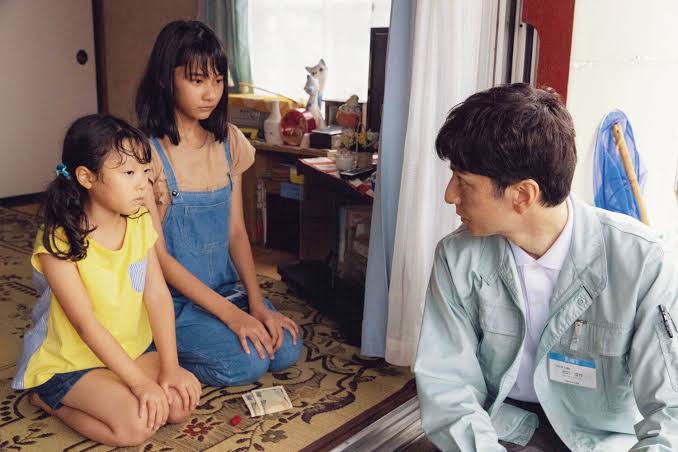
This tension is also evident in the increasingly complex nature of contemporary poverty. The film Drought (渇水) portrays the struggles of a municipal water department worker tasked with visiting households and businesses in arrears on their water bills. When payment cannot be collected, he must carry out water shut-offs, cutting off access to water. During a summer heatwave, the residents affected by these shut-offs do not always present sympathetic cases. Some have fallen into despair, losing any sense of priority or financial planning. Others appear selfish, failing to pay their bills due to gambling addictions. In some cases, mothers in arrears prioritise their smartphones over their families’ essential needs.

In this context, the term labourers primarily refers to the water department employees. These workers often bear the brunt of public frustration, facing insults such as, “You’re just working for taxpayer money.” This conflict illustrates the tension between institutional policy and individual responsibility. Water shut-offs are implemented based on public policy, which must be applied uniformly to all users to maintain fairness and sustainability. However, these workers, despite being agents of the system, are human and must enforce these policies while facing resentment from those unable to pay. This dynamic extends to vulnerable groups, including single mothers, some of whom depend on men who leave them financially and emotionally stranded. In such cases, financial survival—not mere pleasure—drives their behaviour. Even under these circumstances, the water department employee may assist by helping families store water before shutting off their supply.

(Social Support and Institutional Constraints)

Support systems within institutions and society must continuously evolve to accommodate the needs of the vulnerable. Conversely, decisions to withdraw support on a personal level become necessary to safeguard mental health and the sustainability of shared resources. As individuals do not possess infinite emotional or material resources, boundaries must sometimes be established to preserve long-term relationships. In practice, however, people rarely have the clarity to assess these considerations when overwhelmed by hardship. This may partly explain why society often seems indifferent to individual tragedies.

Weil’s writings highlight how institutional inadequacies and injustices—such as precarious employment and insufficient social security—constrain individuals and perpetuate cycles of poverty. However, her reflections transcend the conflict between institutions and individuals by focusing on human fragility. Her philosophical inquiries explore what individuals can do and what emotions ought to be nurtured between people. Yet, the boundaries of these inquiries remain ambiguous. Weil’s search for meaning unfolds through the ‘hypothetical truths’ she articulated in her factory diaries. It is here that her concepts of ‘turns’ and ‘contradictions’ demand both lived experience and abstract understanding.

Ⅴ The labourer and Poetry’ (1) Plato, ed. 

In the secondary literature surrounding Simone Weil’s renowned work “Poetry for the Labourer,” many interpretations suggest that labourers may find salvation by cultivating sensitivity and mystical richness through engaging with poetry. However, I find that this reading does not align with my understanding of her text.

First and foremost, poetry revolves around ‘intuition,’ a concept that both the author and the reader must grasp. Yet, articulating such a concept within an academic or self-help framework is exceedingly difficult. Intuition resides in a realm that language may only partially express, never fully resolving it. While language is a powerful medium for conveying human experience and emotion, it remains inherently limited.

Spiritual fulfilment and cultural experiences often transcend the boundaries of language, relying on intuitive understanding and sensitivity. This realm encompasses complexities, depth, and contradictory emotions that resist verbal expression, manifesting instead as inner transformations and profound realisations. Weil herself noted that persuading others is challenging when relying solely on impressions without concrete evidence, yet she asserted that human misery could only be expressed through impressions: “Misery is constituted solely of impressions.” Through her writing, she captures the nuanced layers of human experience that extend beyond words.

In early 20th-century France, Taylorism—a system of scientific management developed by Frederick Winslow Taylor in the United States—was widely criticised. Taylorism divided labour into smaller tasks to maximise productivity, clarifying the roles of individual workers. However, the outbreak of World War I forced France to adopt Taylorist principles to facilitate the mass production of munitions. The need for efficiency and large-scale output led to the application of task specialisation and standardisation, improving productivity but rendering the work more monotonous and exhausting. Labourers faced faster-paced tasks with reduced autonomy, and both women and children entered the workforce. After the war, France pursued economic reconstruction and industrialisation, often under difficult conditions. Many factories operated with lax safety standards, subjecting workers to long hours and constant risks of injury. Wages were low, leaving working-class families in crowded, dilapidated housing, barely able to meet their basic needs. In this environment, Weil encountered the dehumanising aspects of factory work and observed the suppression of labourers’ potential.

Despite its limitations, recognising the value of language remains essential for fostering empathy and holistic understanding. Beauty, sensitivity, and intuition play crucial roles in bridging the gaps left by verbal expression. At the age of 16 in 1925, Weil demonstrated an early appreciation for the symbolic nature of wisdom, observing that “Plato’s thought is most beautiful when revealed through myths.” Although she frequently referenced Plato, her interpretations of Books VI and VII of The Republic were uniquely her own.

Weil engages with Plato’s metaphor of the ‘gigantic animal’ (θηρίον μέγα) in Book VI of The Republic, in which the state and society are likened to a vast and ferocious creature. This creature possesses distinct likes and dislikes, controlled by a ‘keeper’ who knows its tendencies well. What the creature favours is deemed “good,” and what it rejects is labelled “evil.” The key insight of this metaphor is that moral judgments are dictated by the preferences of the masses, symbolised by the animal. Plato warned of the dangers posed by societies governed by such relative and arbitrary standards. Weil aligns with this critique, emphasising that social morality is merely the reflection of collective preferences—nothing more than the likes and dislikes of a gigantic animal. She contended that morality, governed by social necessity, is inherently relative and can only be transcended through divine intervention. True goodness, in her view, must be directly revealed by God to the human soul.

Weil extends her engagement with Plato by reinterpreting Book VII of The Republic through the lens of love and ethics. Using the famous allegory of the cave, she argues that “humans must turn towards the good and love beyond themselves,” advocating for ethical growth grounded in a relationship with God rather than in intellectual achievements alone. Her interpretation moves beyond Plato’s educational theories, emphasising the moral and religious dimensions of human development. In Plato’s original text, the allegory of the cave depicts the gradual progression from ignorance to knowledge. While the focus is not on love, Weil reinterprets the allegory as a meditation on the capacity to love and the impossibility of self-love, comparing the eye’s inability to see itself directly with the limits of self-love.

Even in modern times, based on my own experience, when I worked part-time as a newspaper collector in 2013, I had to visit households to collect payments. The area I was assigned to mainly consisted of elderly people living in poverty. As solicitation and collection were handled by different personnel, I often received complaints about discrepancies between what had been promised and what was delivered. When payments could not be collected, I had to visit the same households two or three times. In practice, several elderly individuals were locked into auto-renewed newspaper subscriptions, unable to read what they purchased or withdraw cash due to physical infirmities. In some instances, I found elderly women wearing adult nappies, unable to dress themselves, calling out for help. Despite their circumstances, collectors could only leave notifications of unsuccessful payment attempts. Rooms were often filled with neglect and strong odours, a testament to the overwhelming difficulties these individuals faced.

Collectors lacked the authority to cancel contracts, even when it was clear that the other party could not fulfil their obligations. Without an explicit request to cancel, I had no power to advise them otherwise. These experiences revealed the limitations of personal enlightenment and sensitivity in addressing poverty and incapacity.

Collection work, while straightforward, does not cultivate transferable skills or essential competencies. It is a task that even children could perform, offering those without experience or qualifications an opportunity to earn a modest income. However, it requires patience and a significant degree of inner resolve. In stark contrast, proficiency in my primary occupation, details of which I will withhold, directly correlates with skill development through the completion of tasks. Skills gained from collection work, however, rarely translate into other career opportunities.

It is important to acknowledge that the situations I witnessed in these homes could one day become my own reality. Life viewed through a strictly materialistic lens suggests that a severe brain injury could render me incapable of sustaining my current lifestyle. If existence is reduced to mere materiality, the erosion of human dignity becomes an ever-present risk.

It may be argued that Simone Weil’s exploration of love and God was profoundly influenced by Platonic thought, particularly by reflections on the absurdity of Socrates’ execution, which deeply affected Plato himself. Articulating such abstract concepts is no small feat, requiring the translation of intuitive insights into verbal expression. Yet, for Simone Weil, this task was indispensable.

Following the Platonic tradition, Weil believed that liberation from the tyranny of society’s ‘great beast’ could only be achieved by transcending egocentric perspectives and locating one’s value in a relationship with God. For Weil, the inherent human capacity for love manifests in turning one’s attention beyond the material world, discovering true goodness through divine connection. This pursuit, for her, embodied the Platonic “Idea.” Plato’s exploration of ideal societies and true beauty rested on the notion that material existence is transient, with real value residing in the intangible. This resonates with Weil’s yearning for spiritual depth, symbolised by her emphasis on “poetry.”


Continued in ‘Labour and Poetry (2): The Christ Edition.

労働者の美と詩(1) シモーヌ・ヴェイユ

Screenshot
Les travailleurs ont besoin de poésie plus que de pain.
(労働者はパンではなく詩(詩情)を必要としている)
La pesanteur et la grâce Simone Weil

  1. Ⅰ. はじめに
  2. Ⅱ.予感
  3. Ⅲ  転回と矛盾
  4. Ⅳ.ouvrièreとouvrier
  5. Ⅴ .「労働者と詩」(1)プラトン編 
  6. 「労働者と詩」(2)イエス・キリスト編に続く。

Ⅰ. はじめに

シモーヌ・ヴェイユの思想や人生には、書き残したものにも表れているように複雑な転回が多く、その中には彼女が予期していたかどうかわからない多くの解釈が秘められている。彼女のノートは、断章も含まれていて、彼女の死後、友人や信仰の同士が彼女の思考を整理し、編集して出版した。その中でも有名な『重力と恩寵』は、ギュスターヴ・ティボンが編集したからこその傑作でもある。

 彼女の文章から掴み取れる「転回」と「矛盾」は、ヴェイユの思想において一貫していると、私が考えるものは、彼女の精神的な探求とイエス・キリストへの深い関心だった。彼女はイエス・キリストを追い求める過程で、多くの宗教的、哲学的な問いに取り組み、それが彼女の転回をある種の一貫性で貫く軸となっていると考えている。彼女は信仰と理性を結びつけ、人生の苦しみに対する理解を深めようとしたため、その探求がどのように彼女の思考に筋を通しているのかを考察することは、何度取り組んでも、非常に意義深い歓びである。

Ⅱ.予感

シモーヌ・ヴェイユは工場に入る一年前の1932-1933年に、ファシズムの基盤を理解するためにドイツへ赴いた。彼女は8月20日の手紙で「ナチスはプチブルジョワだけではなく、多くの失業者等の弱者を味方につけている」と報告している。ベルリンには二ヶ月余りの短い滞在だったが、街の光景を目に焼き付けていた。−元エンジニアたちが、冷たい食事にありつけられることがやっとだという反面、まだ軍服を着た人たちは歩いていなかった。−

丁度この時期は、ドイツ民衆にとって失業者も多く大窮困の時だった。後に、1942年に交流の多かったペラン神父に、彼女は自分の「矛盾」について手紙で告白をしている。「私にはわかっているのですが、もしも今、私の前で、20人のドイツ青年が声を合わせてナチスの歌を歌っていたら、私の魂の一部は直ちにナチスのそれになることでしょう。(略)それこそが私の大きな弱点なのですが、そのようにして私が存在するのです」

ドイツからの帰国後、彼女のドイツに関する論文は正統派マルクス主義者批判に晒された。それでも彼女は可能な限り、ドイツの亡命者たちを助けた。

Ⅲ  転回と矛盾

マーティン・ルーサー・キングは、著作『汝の敵を愛せよ』において「自分の性格の中に、はっきり目立ったアンティテーゼを持たない人間は強くない」とフランスの哲学者の引用を使ったが、

それが一体誰の言葉なのか、私は分かっていない。彼は演説や著作の中でしばしば哲学的概念を用い、ヘーゲルのような哲学者(思想家)を引き合いに出して、調和と進歩を生み出すために対立する力のバランスをとることの重要性を表現していた。真理はテーゼとアンチテーゼの統合から生まれるというヘーゲルの考え方は、団結と相違点の和解を通じて力と理解を見出すというキング牧師のメッセージと一致していたようだ。キング牧師はイエスも相反するものの融合することについて説いたとされ、「私があなた方を遣わすのは、羊をおおかみの中におくるようなものである」「だから蛇のように賢く、鳩のように素直であれ」という行動の定則を与えた。これは難しいことだが、イエスが期待されているようなことだとした。

しかし、ヘーゲルはドイツの哲学者である。では、フランスの哲学者とは誰なのか? 時代を考慮すると、ガストン・バシュラールなども考えられるが、私は彼が引用したものは、シモーヌ・ヴェイユも考えられる一人だと思っている。1934年末、教職を辞めたシモーヌ・ヴェイユはプレス工として工場に従事し、「現実世界」に向き合うことを決意する。彼女は工場に入る前に「傑作」「遺作」に拘っていた。けれども、その構想は現実世界では骨が折れることばかりだった。「交換可能な部品は労働者ではないかと思いたくなる。部品のほうが市民権がある」と胸に番号が刻まれた身分証を見せて門を通った等、彼女の記録が残されているが、

シモーヌ・ヴェイユは「労働者における美と詩」という彼女の思想の核とも言える言葉を残した。

彼女は、ドイツに赴いた時に、失業したドイツ人を目の当たりにし、ペラン神父に自分の弱さを表している。彼女のように、哲学や神学において矛盾が必要とされる理由は、多くの場合、人間の存在や経験が本質的に複雑だからである。人間の存在や本質が複雑であるという認識は、心理学が発達する以前から多くの哲学者や思想家によって論じられてきた。たとえば、プラトンの魂の三分説、そして、アリストテレスも、論理的美徳を考える上で人間の多様な側面を研究し、中世やルネサンスを経て、デカルト、カント、ヘーゲルなどの哲学者たちが人間の理性、感情、自己意識について深い考察を行い、人間の心の複雑性の理解を深めていった。近年において、科学的な枠組みでアプローチをしたのは、ジークムント・フロイト(Sigmund Freud)が大きな転機となった。

シモーヌ・ヴェイユの例に戻ると、彼女が書き残した「労働者に必要なものはパンよりも詩である」という思想は労働の過酷さを理解している人にとっては矛盾している。工場労働という厳しい環境において、美や詩を見出すことは難しく、この矛盾とはヘーゲル哲学のテーゼとアンチテーゼを彷彿させるが、ヴェイユの哲学はより一層、人間の精神や心の理解を要する、彼女独特の哲学だと私は判断しています。彼女は、労働者には詩が無意味なものとも知っていた。過酷な労働者の心が疲弊することを、自分の身をもって体感し、このように聖書を通して哲学的になろうとすること自体、自分のやっていることの無意味さに悩んでいたのである。それは彼女自身が工場生活に嫌気が差してセーヌ川に飛び込みそうになったという記録にも表れている。

 彼女の転回と断章は、旧約聖書のコレヘトの言葉のように矛盾を意味する文同士が包括的に相互で意味を成す構造、インクルージオ構造のようだ。彼女は芸術が労働において何の意味もないことを知っていた。また、彼女は時計と芸術家について語っている。作られた時計は愛がなくても動くが、創られた芸術は愛がなければ動かない、としていた。そんな彼女は何故、「労働者に必要なのはパンよりも詩である」と定義したのか。これを定義として論理学として外延を書きだすにしても、当時の労働と同質な精神状態を表すのは困難であるが、少しずつ私なりに紐解いていきたいと思う。

Ⅳ.ouvrièreとouvrier

シモーヌ・ヴェイユの「工場日記」はLa Condition ouvrièreと直訳すると、「労働者の条件」となる。ouvrièreとは女性の労働者を表していて、本作では女性労働者ouvrièreと男性の労働者ouvrierが分けて書かれている。基本的には自身を表している、もしくは女性労働者の場合が前者、そうでない場合は後者と、フランス語の文法通りのことだが、mais jusqu’à quel point tout cela résisterait-il à la longue ? – Je ne suis pas loin de conclure que le salut de l’âme d’un ouvrier dépend d’abord de sa constitution physique.と、ヴェイユが「労働者」の魂の救済は、何よりもまず体質に左右されるということに、すぐに結論づけてしまいそうになる、と主観的な考えであっても、彼女は労働者をouvrierとすることによって、労働者全体に対する普遍的で社会的な役割を意識しているようにも感じる。この使い分けは、個々の存在の重要性と、社会全体を見渡す視線の両方が含まれている。

そして次に続く

“mais jusqu’à quel point tout cela résisterait-il à la longue ? – Je ne suis pas loin de conclure que le salut de l’âme d’un ouvrier dépend d’abord de sa constitution physique. Je ne vois pas comment ceux qui ne sont pas costauds peuvent éviter de tomber dans une forme quelconque de désespoir – soûlerie, ou vagabondage, ou crime, ou débauche, ou simplement, et bien plus souvent, abrutissement – (et la religion ?). La révolte est impossible, sauf par éclairs (je veux dire même à titre de sentiment). D’abord, contre quoi ?” On est seul avec son travail, on ne pourrait se révolter que contre lui –La Condition ouvrière(工場日記)シモーヌ・ヴェイユ

「しかし、このようなことが何処まで通用するのだろうか。たくましくない人たちが、なんらかの絶望的な状態におちこまずにすませるとは、とても思えなかった。──たとえば、酒に酔うこと、浮浪化、犯罪、放蕩、あるいはまた、たいていの場合がそうであるように、考える力の麻痺──(そして、宗教もそうではないか)。  きびきびした態度でなければ(わたしは、感情の点について言っているのだ)、これに対抗することはできない。まず第一に、何に対して抵抗するのか。人は、ただひとりで自分の仕事ととり組んでいるのだ。抵抗するといっても、自分の仕事に対して抵抗するだけのことしかできないであろう」

彼女の文章表現の鋭さは、1920年に夫を殺害して、その遺体を列車で輸送する「ベッサラボ事件」(l’affaire Bessarabo)に接したことにより、善への欲望は逆説的にも、悪の直中においてこそ見出されている。彼女はこれによって「聖女など存在しない」とした。彼女には理想的な善と対峙したものを持ち合わせる強さがあった。そして、工場体験によって「たくましくない人たち」を身をもって体験している。

ここでの「たくましくない人たち」とは、物理的な強さや精神的なレジリエンス(resilience)が欠けているために、過酷な状況において持続的な抵抗ができない人々を指している。ここで、社会的・経済的な圧力に対して持続的な抵抗を示すためには、個人の生理的および心理的な構成が極めて重要であり、特に、身体的な能力が不足している「個人」にとって、厳しい環境においては容易に絶望に陥るリスクが高まる。それによって、依存症、社会的逸脱、非行、あるいは精神的麻痺といった形で現れるかもしれない。加えて、彼らの反抗心は一時的な感情表現としての暴発に限られ、対抗する対象が明確でない限り、根本的な変革への道は閉ざされていると言える。

映画:「渇水」

これは現代の複雑化していった貧困にも通じる。「渇水」という映画で市の水道局に勤める主人公は、水道料金を滞納している家庭や店舗を回り、料金を徴収できなかった場合は、水道を停止する「停水執行」をしていた。夏の猛暑日が続く中、そこに登場する水道を止められた住人たちは、同情できる事情だけとは限らない。そこには困窮が故に優先順位や計画性を失った状態の者もいた。ギャンブル依存ので払わないという身勝手にも思えるものも登場する。生活に必要なものを最優先に考えられずに、滞納した状態で、スマホばかりを見ている母親もいる。この場合の「労働者」というのは水道局の職員のことも第一に指すだろう。「お前らなんか、税金で働いているだけ」と人々は払えない腹いせを職員に暴言を吐いていく。これは、制度と個人の対立であり、水道の供給停止は公的な制度に基づくものであり、すべての利用者に対して同じ基準で適用される。これは公平性と持続可能性を維持するために必要な措置であり、そのルールは公共の運営を支えるために設定される。しかし、従業員も人の心を持っているので、制度を執行していると言っても、払えない人たちから恨まれながらやらなければならない。また、社会の焦点が当たった母子家庭にも当てはまる。幼い子供を抱える母親は、シングルマザーとして男に依存していた。男のことがあると、

母親は子供を置いて帰ってこなかった。それは快楽だけでなく、金銭のやりくりのためでもあった。その時に、水道局である主人公は水道を止めることを実行しなければならない。しかし、この水道局の人は、すぐに止めずに、ある程度の貯水を手伝った上に彼女たちの水を止めた。

 社会と制度に対する支援は、常に変え続け、弱者を考慮していく社会になっていくことが望ましい。それに対して、個人間の支援停止の決定は、お互いの精神的健康やリソース(資源)の持続可能性を守るために必要となってくる。個人というものは、無限の精神や、リソースを持っているわけではなく、長期的に関係を維持するためには、どこかで限界線を引かなければならないことがあるからである。実際に、苦境に陥ってそこまで整理して考えられることは少ない。

だからこそ、悲劇に対して社会や人が冷たく感じるのかもしれない。

ヴェイユが取り組んだのは、貧困者が直面する制度上の欠陥や不公正さ(例えば、不安定な雇用条件や不十分な社会保障)は、彼らの能力を制限し、貧困の悪循環を生み出す要因の一部であること、社会制度と個人の対立にとどまらず、個人の脆さも記録し、哲学的に個人に何ができるのか、そして個人から個人へどのような感情を持つべきなのか、 “もがきながら”境界線を探っているようだった。そして、この境界線は明確に決まっていない。これは『工場日記』を含めて、仮説的事実なのである。そこに彼女の「転回」や「矛盾」によって人々による経験と、抽象的理解が必要となってくる。

Ⅴ .「労働者と詩」(1)プラトン編 

ヴェイユの有名な「労働者にとっての詩」について、多くの解説を見ていると、労働者にも「詩」に目を向けるような感受性や神秘性の豊かさがあったら救われるという方向性にしようというものばかりだったが、私はそうとは思えなかった。そもそも詩とは、著者と読者に必要なものは「直観」であるが、それを学術的に、そして自己啓発的に言い表せることは不可能に近いのである。言葉によって部分的に表現され説明されるものの、完全には解決されない領域である。言葉は人々の経験や感情を伝える強力な手段ではあるが、すべてを包括できるわけではない。

精神的な充足や文化的体験は、しばしば言葉を超えた直感的な理解や感受性によって初めて深く実感されることがある。ここには、言葉では説明しきれない複雑さや深み、矛盾した感情が含まれていて、それが人々の内面的な変化や気づきとして現れる。

彼女は工場生活での経験について、「印象しか描写しない時に信じてもらうことは困難である。しかし人間の条件の不幸はそういう方法でしか描写できない。不幸は印象だけでできている」と綴っている。

20世紀初期、フランスはアメリカのフレデリック・ウィンズロー・テイラーによるテイラー主義(科学的管理法)を批判し続けていた。テイラー主義とは、生産効率を最大化するために労働を細分化し、各労働者の役割を明確かつ標準化するものだったが、第一次世界大戦により、フランスは軍需品の大量生産を迫られることになる。効率的かつ大量に生産する必要性から、テイラー主義の原則、特に作業の分業化と標準化が活用されることになった。これにより労働の効率を高め、生産を迅速に行うことができたため、戦時中の生産性向上に寄与した。しかし、それは同時に労働者の作業が単調で過酷になることを意味していた。労働者はさらに速いペースで働かされ、個々の作業の自由度が減少、女性や子供も働くようになった。戦後、フランスは経済復興と工業化の進展を進めることになる。多くの工場は劣悪な環境で、長時間労働が一般的となり、安全基準は現在ほど厳しくなく、労働者は労働災害のリスクを常に抱えていた。賃金は低く、特に低賃金のために、労働者階級の家庭は経済的に逼迫、多くの家族は、労働者の住む地域に密集して住んでおり、住環境も悪いところも多かった。 シモーヌ・ヴェイユは、このような環境で働きながら、工場労働の中での非人間性や労働者の持つ潜在的な力が抑圧されている現実に直面することになる。

このように、言葉が持つ限界を認識しつつ、なおもそこに価値を見出すことこそが、言葉を超える全体的な理解や共感を深めるために重要である。言葉では捉えきれない部分を補完するために、美や感受性、内面的直感が果たす役割は極めて大きい。

ヴェイユは1925年に16歳で「プラトンの思想は、神話によって開示されるものがもっとも美しい」と既に、叡知は象徴に宿ることを示しているようだった。彼女はプラトンの引用を繰り返しているが、プラトンの『国家』7巻についての解釈はヴェイユ独自のものでもあるので、留意しておかなければならない。

ヴェイユはプラトンの「巨大な動物」(θηρίον μέγα)の比喩(『国家』第6巻)も言及し、プラトンのこの比喩では、社会や国家は巨大で獰猛な動物に例えられた。この動物は、好きなものと嫌いなものがあり、それをよく知る「飼育係」が動物をコントロールする。動物が好むものは「善」とされ、嫌うものは「悪」とされた。この比喩での重要なポイントは、道徳や善悪の判断がこの動物(=大衆)の好悪によって左右されている。プラトンは、こうした相対的で恣意的な価値基準に基づいた社会の危険性を指摘した。対してヴェイユは、「社会の道徳の本質」として、社会の道徳が巨大な動物の「好き嫌い」に過ぎないと指摘した。つまり、道徳とは社会や集団の好悪の感情に基づいたものであり、絶対的な善悪ではないとしています。ここで、ヴェイユの批判と宗教的転回が展開されることになる。社会の道徳は、必要性に基づいた「相対的な善悪」にすぎず、これを超えるためには神の介入が必要だと述べます。真の善は、神が人間の魂に直接開示するものでなければならないという結論に至る。

次にプラトンの『国家』第7巻を、愛と倫理という視点から再解釈しようと試みている。彼女は、有名な洞窟の比喩を通じて「人間は自分自身を超えた善と愛に向かわなければならない」と主張し、単なる知的な認識ではなく、神との関係に基づいた倫理的成長を説こうとした。この解釈は、プラトンの教育論を超えて、宗教的・道徳的次元を強調したものと考えて良いだろう。プラトンの原文では、洞窟の比喩は知識の段階的な変化(無知から真理への道)を表現し、愛そのものを中心に扱っているわけではなかった。しかし、ヴェイユはこれを「愛の能力」と捉え直し、目は自分自身を直接見ることができない等、自己愛が不可能であることを示す比喩として再解釈している。

現代でも、私の経験ではあるが、新聞の集金のアルバイトをした時に各々の家に訪ねて集金を

しに行ったが(2013)、私の管轄は貧しい年寄りが多かった。勧誘と集金は担当が違うので、勧誘で聞いたことと違うという苦情をこちらが受けることになるし、回収できない場合は、2、3回

行くことになる。その各々の家庭を見ることになるが、確かに「美」や「詩」がなんの役に立つのか、私にもわからない。実態は、契約が自動更新されているだけで、手足が不自由で、引き出しの現金を取り出すことも不自由な年寄りに、読まない新聞を売っている状態になっているのもいた。老女が紙おむつを着けて、衣服も着ることもままならず、叫んでいるだけの状態だったこともある。そういった契約でも、集金がきたことだけ通知を置いて帰る。掃除もできていない異臭の部屋は何件も見た。集金係は、退会手続きの権限はないので、相手が支払い能力がないのも分かっていながら、そのままになる。相手が解約したいと言わなければ、私にはそこまで言う権限がなかった。そういう不自由さと貧しさを目の当たりにすると、個人の神秘体験や、感性というものが、いかに無力かを実感する。集金の仕事というのを真面目に数をこなしても、世の中の必要な能力とは程遠い。小学生でもやれる作業でもあり、良く言えば経験やスキルがない状態でも、少しの工面ができる仕事である。しかしそれには、忍耐も必要であり、人の精神を使う。一方で、(本職は伏せるが)本職は案件をこなせばこなすほど、スキルへと繋がっていく。反対に、こういった仕事はいくら積み重ねても、他のキャリアに転用できない。

ただ、忘れてはならないのが、彼らの部屋の光景が、いつ自分自身の身に降りかかるのかということである。自分の存在を物質的に捉えすぎると、私が仮に脳の損傷でも起こせば、今の状態を保てないのかもしれない。このように、もしも、全てが物質的な存在でしか意味を見出せないのなら、簡単に生きる尊厳がなくなるのである。

シモーヌ・ヴェイユが愛と神を見出したのは、プラトンの背景に、師のソクラテスの不条理な死刑への思いと同調したものがあったからかもしれない。これらの抽象概念は、感動や、共感によって本来なら「直観」で済ませることを言葉で表さなければならないのは、苦痛にもなり得る。しかし、それでも、彼女にとって、それはやらざるを得なかった。

 それはプラトンから通じる、人間が自己中心的な視点を超え、神との関係に自分の価値を置くことで、社会の「巨大な動物」の支配から解放されること、人間の本来的な愛の能力は、自分の身近な現実を超えたものに向けられ、神を通じて真の善を知ることによって実現されるということは、彼女にとって「イデア」なのだろう。プラトンは理想的な社会や真の美という概念を探求し、現実の不完全さを超える為の「イデア」を提唱した。プラトンの視点では、物質的な存在は一時的であり、真の価値は目に見えないものに宿る。この考え方は、ヴェイユが語る「詩」という精神的な豊かさへの渇望と共鳴するものがある。

「労働者と詩」(2)イエス・キリスト編に続く。

Cahier(2023年11月27日)

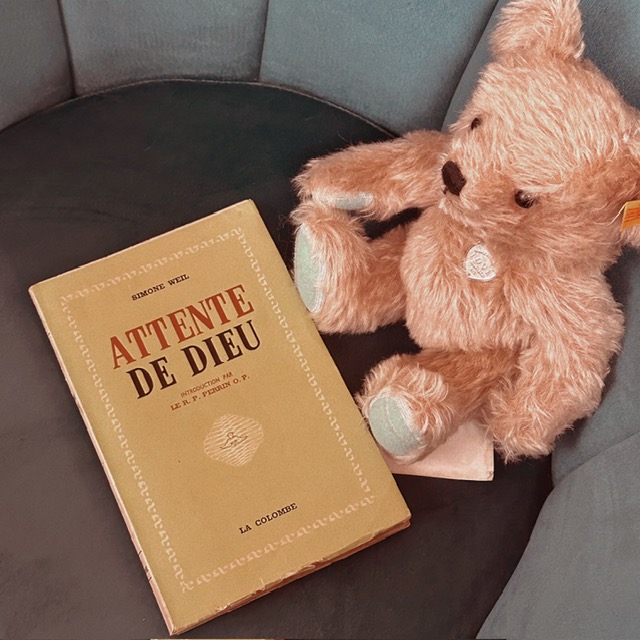
A ceux qui voudraient faire grief à Simone Weil, sur- tout présentée par un prêtre, de ses erreurs, de ses exagé- rations, volontiers je répondrais : « Que lui lance la pre- mière pierre celui qui n’a jamais péché contre la lumière, qui en a suivi toutes les exigences, qui a été jusqu’au bout fidèle! » Le mot immortel du grand converti d’Hip- pone remonte à mes lèvres : « Que ceux-là s’emportent contre vous, qui ignorent le prix de la vérité…

>>> 特に一司祭が紹介する「シモーヌ・ヴェイユ」について、その誤りや誇張を不満とする人々に対しては、私は進んでこう答えたい。「光に反して罪を犯したことはなく、光のすべての要求に従い、最後まで忠実であった人は、彼女に最初の石を投げるが良い」(ヨハネ福音書3:20、8:7)・・・・・・ヒッポの偉大な改宗者(アウグスティヌスのこと)の不滅の言葉が私の唇にのぼる。「真理の価値を知らない人々はあなた方に怒るがよい・・・・・・」

La joie d’avoir trouvé, ou plutôt d’avoir reçu la vérité, doit-elle nous rendre insensibles à la sagesse douloureuse et incomplète  de ceux qui cherchent en gémissant et qui tâtonnent dans leur ascension? Fr. J.-M. PERRIN, Dominicain.

うめきつつ求め、上昇のために手さぐりする悩める不完全な知恵に対して、私達は自分が真理を持っているという喜び、あるいはむしろ自分が真理を受けいれたという喜びによって無感覚であるべきだろうか? ――シモーヌ・ヴェイユ著・神を待ち望む・ペラン神父の序文――

日本語訳に収録されているぺラン神父序文は、フランス語版は初版しかないようで、古本で購入しましたが収録されておらず、

キンドルで出るたびに買ったり、何度か買おうとトライしてますが日本には送れませんとかで手に入らなかったのが漸く届きました。la sagesse (知恵)douloureuse(痛み) et incomplète(そして不完全)と、不完全と知恵に「痛み」が挟まっている。これが知りたかった。

C’est pourquoi j’ai intitulé ce livre Attente de Dieu, j’ai essayé par ce titre de traduire le « en upomèné », en patience de l’Evangile, un des mots que Simone savou- rait le plus, peut-être parce qu’elle y retrouvait une cer- taine saveur stoïcienne, mais plus certainement parce que c’était sa manière de se donner à Dieu, de s’en remet- tre à lui de tout rester en attente et en disponibilité totales.

私がこの本を「神を待ち望む」と題したのはそのためであって、シモーヌが最も気に入っていた言葉のひとつである福音の「忍耐のうちに」« en upomèné »(ルカによる福音書8:15、21:19)という言葉を翻訳しようとしたものである。 おそらく彼女は、ある種のストア学派的な香りを、この言葉に感じていたのだろうが、より確実なのは、それが神に身を委ね、完全な期待と可能性の中にとどまるという彼女の方法だったからである。

日本語版に収録されている何故、ぺラン神父が「神を待ち望む」としたのか、ヴェイユの好きな福音書から選んだという箇所も見れた。

悩める不完全な知恵

「誰が主の思いを知り、主に助言するというのか」しかし、私たちは、キリストの思いを抱いています。1コリントの信徒への手紙 2:16 (共同訳:以下同じ)

使徒パウロがコリントの信徒たちに対して述べた言葉。この文脈では、パウロは知恵や知識について語っていて、人間の知識や理解力には限界があること「不完全な知恵」について指摘している。他にも

1. イザヤ書55:8-9「『わたしの思いは、あなたたちの思いと異なり、わたしの道は、あなたたちの道と異なる』と主の仰せ『天が知よりも高いのに わたしの道はあなた型の道より高く』

2. ローマ書11:33-34「ああ、神の富と知恵と知識のなんと深いことか。神の裁きのいかに究め難く、その道のいかに辿り難いことか。誰が主の思いを知っていたであろうか。誰が主の助言者となっただろうか。誰がまず主に与えて その報いを受けるであろうか」

というように聖書には似たような話が繰り返されている。イエスの到来以降、その繰り返しが少し変わるのは、「誰が主の思いを知り、主に助言するというのか」という問いに対して、パウロは「しかし、私たちは、キリストの思いを抱いています」と答えるところにある。これは、パウロ自身やキリストの信徒たちは、神の恵みによってキリストを受け入れ、キリストの教えに応じることができると言っていることを意味する。したがって、パウロは知識や知恵が限定的であることを認識しながらも、キリストに信頼を置き、キリストの教えに従うことの重要性を強調している。

シモーヌ・ヴェイユの「神を待ち望む」(Attenet de Dieu)について、死後に集められた原稿を編集したものだが、私はこのペラン神父の序文があってこそ成り立っていると思っている。ペラン神父のように、貧しい人への活動を怠らなかった聖職者がつくことによって、「キリストの思いを抱いていること」を肯定される。

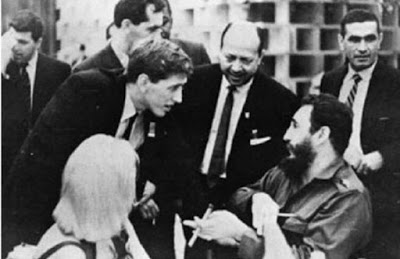
2016年に「不完全な知恵」に関して、チェスのボビーフィッシャーの話に準えて書いたことがあったけれども、何故私が並べたのかは記載がなかったため、その理由をいまいち思い出せない。ただ単に、書き残すことについて、美談にするか現実的に書くのか、「本意」すらもわからない状態で何かをもがいていたのかもしれない。

なぜ、チェスだったのか、それだけ触れることはできる。

チェスはフィッシャーのように対戦するものと、芸術性を表す「チェスプロブレム」というものがある。数学でも、解の一意性というものがあるけれども、チェスの対戦とチェスプロブレムの違いは、一意性であるか、ないかの違いに分かれる。普通のチェスは、例えば白にとって何手でも打つ手が存在する場合、減価事項となる。チェスの専門用語でこれをデュアルと言う。チェスプロブレムというのは、芸術に特化したもので、詰め方に一意性だけしか見当たらないものが条件だったりする。他の手が見つかると「不完全」となる。

 聖書にも一意性はあったりする。勿論、文脈や時代背景に左右されるのであくまでも「側面」的なことではあるが、ユダはやはり裏切らないと話が進まないし、洗礼者ヨハネはヘロデに警告しなければならないし、イエスは処刑されなければならない。他の選択肢があったら「聖」でなくなる。このように、動かしてはならないものがある。文学や哲学において一意性というのは存在するのか、といえばそれこそ「不完全な知恵」なのかもしれない。それには一意性を意識しているものであれば、完全に離れていくものもある。オスカーワイルドサロメは、サロメが最後に処刑されるという、洗礼者ヨハネとはどういう存在だったかという一意性に沿っている。ジェーンエアの親友の死もそうだ。神の家というものの一意性を意識している。ヴェイユはどうだったのだろうか、思想として正統派ではないものもあるが、ペラン神父が注釈や批評をつけていることによって完成した何かがあると思っている。

一意性を巡った不完全な知恵は迂回しながら、何処かへ向かおうとする。痛みを伴うのは、進もうとするからである。それこそ「神を待ち望む」ように。

他サイトリンク(カトリック・あい)私が書いたコラムです。

>>二枚目の写真について:チェスプレイヤーのボビー・フィッシャーがカストロ議長と話している写真である。(カストロ議長はトーナメント前にフィッシャーに横槍を入れている)

聖と俗の現象学

何故、それが美しいと言えるのか。
追いかけ続ける間に、
私の心は、私よりも知っている。そのために


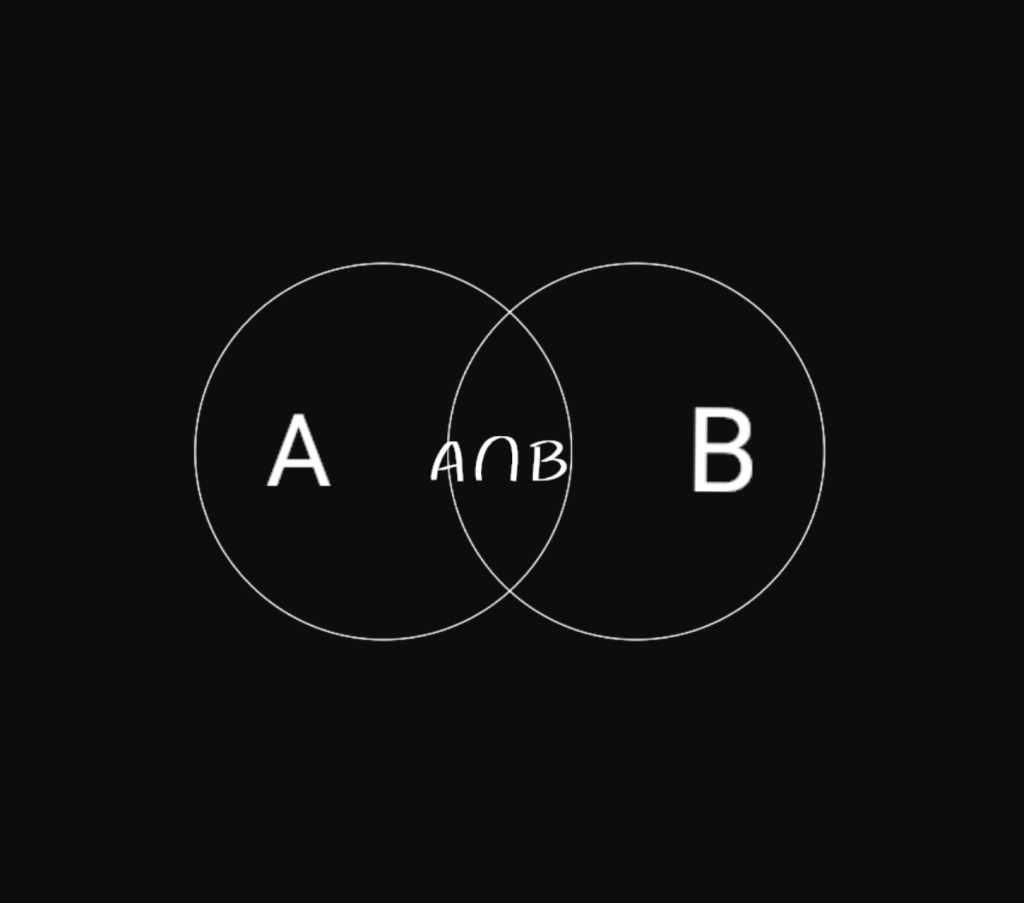
Aを聖、Bを俗とする Chris Kyogetu

  1. 1 芸術と聖なるもの
  2. 2 芸術作品と作者の死
  3. 3 聖と俗の現象学
  4.  4 ständig vorangent(絶えず先立っていること)

1 芸術と聖なるもの

何気なくよく見ている建物を一度でも描いてみようと思ったことがあるだろうか。毎日見ているはずの建物、その建物の特徴を語ることは出来ても咄嗟に窓の数を言えるだろうか。描くということは、それを知ることから始める。

感受性というものが感性となって生きていく場所を定めることは困難である。単純なコミュニケーションの一つとして使えないのも感受性だった。20‐21世紀に生きる私達は「表現主義」や「芸術至上主義」の作品に触れ、私達は「自由」を手にしていると教わった。恰も自由と人の善意によって選ばれたように有名な作品を見ていく。

しかし、かえってこの一枚が何故生き残れているのか、高価なのか、絵画を目の前に多くの疑問が浮かんでくるようになった。何故この一枚の絵画が有名になったのか、その魔術的な生存戦略を経営学のように説明できる人は少ない。教会が絵画を要求した時代以外は、その需要がどのように生まれるのか、これもまた多くの嘘が溢れている。それらを細分化せずに漠然と私達は世界を受け入れている、それが窓の数も知らない、でもいつも建っている建物である。一つの建物には役割がある。しかしそれを外部の一人がスケッチしようとするとき、その建物の持つ外的な時間と、窓を数え始め心象を混ぜようとするのなら、それによって自己の内面世界を持つことになる。

宗教が絵画を選んでいた頃の判断基準はシンプルだった。そこに教会側の理解が及んでいなかったとしても、描く事は聖人であればよかった。それから人間の心理を描くことによってテーマは無限大となった。「共感覚」をどれほどの人間が持っているのか定かではない中で、何故彼等は選ばれるのか。一人の「夢」がどうして何億もするのか。他者から認められることによっての顕在化と、自分だけが知っている価値の顕在化、人によっては、片方を選ぶことが出来る。人によっては選ぶことが出来ない人がいる。私は選ぶことが出来なかった人だ。それは聖と俗を二分化するように、単純なことではない。

だからこそ区別できなくなったのが「神聖」である。「神聖」への一歩として感受性から感性への昇華としてまず洗礼を受けるべきこと、それが「禁止」を身体で覚えることである。バタイユの「禁止」について、多くの無宗教者が誤解をするのは、禁止への侵犯のことを「神聖」の廃止や取り除くことだと思い込み、それによって進化‐自由だと勘違いしていることである。(Erostisme coll P68,69)

バタイユやボードレールのエロティシズム、ロラン・バルトのフェテシズムとは新しい発見ではない。元々あった自然状態を彼等はタブーを侵しながら哲学とした。彼等はカトリック、キリスト教の神聖を理解し、抑圧を受けていたが、神聖を廃止しようとしなかった。それを漠然と権威によるものだとは思ってはならない。

2 芸術作品と作者の死

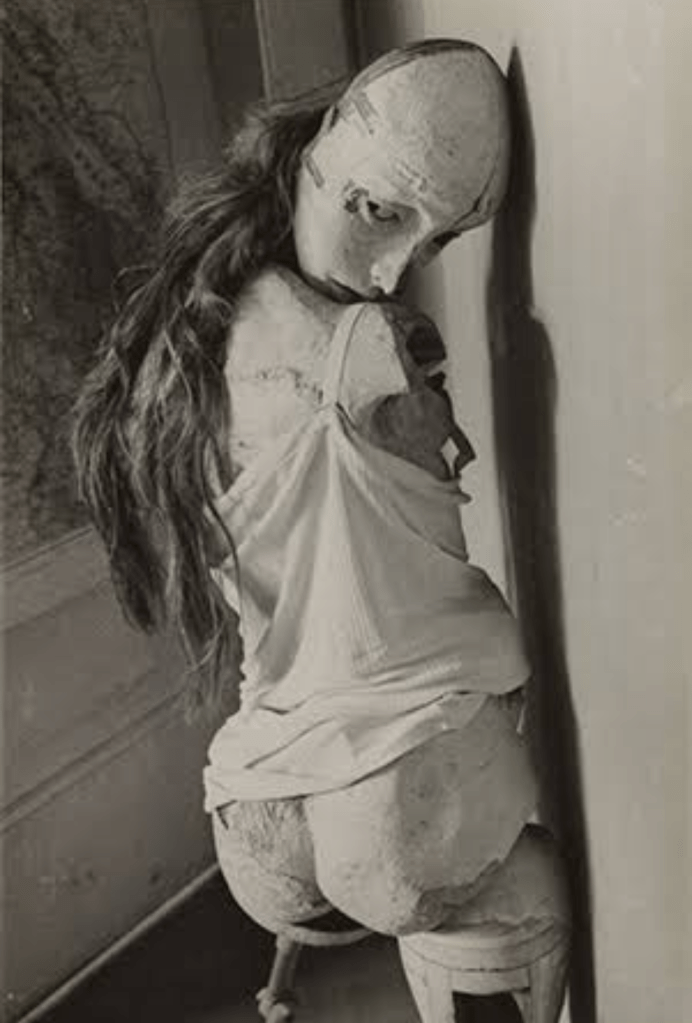
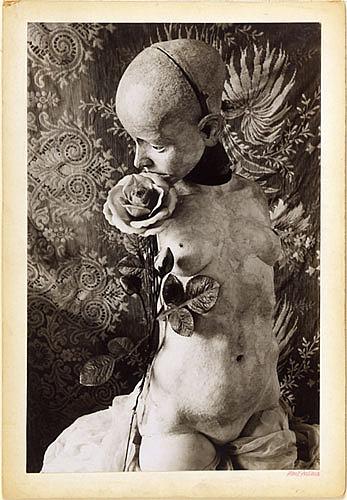
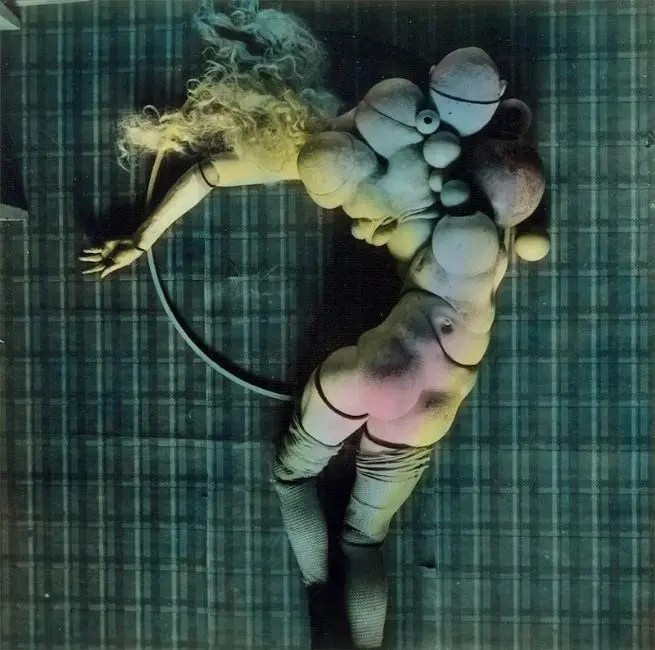
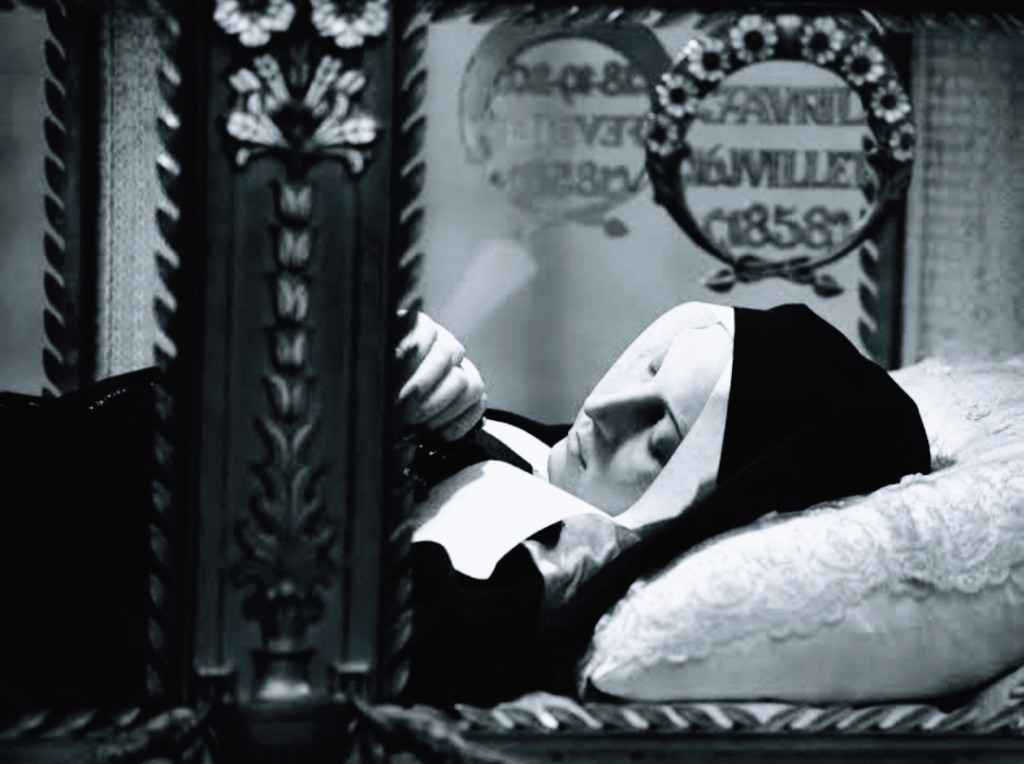
 球体関節人形と聖母マリア像の工程は違う。聖母マリア像は裸体を意識していることを隠すように直方体から掘るが(彫刻の範囲で骨組みと肉感は意識する)球体関節人形は材質を捏ねて裸体こそ意識する。例えばハンス・ベルメールの作品の意識された裸体は、痛々しい姿だからこそ、痛みを連想させる。露わに移される性器と裸体、切断された遺体を連想させることで一層バタイユ哲学の性と死とも結びつく。球体関節人形の対峙している存在とは何か、それは聖人である。聖ベルナデッタは不朽体として綺麗に温存されていることを思い出してほしい。彼女も遺体を超越した存在になっているが、人形にはその資格があるのだろうか。

聖ベルナデッタ
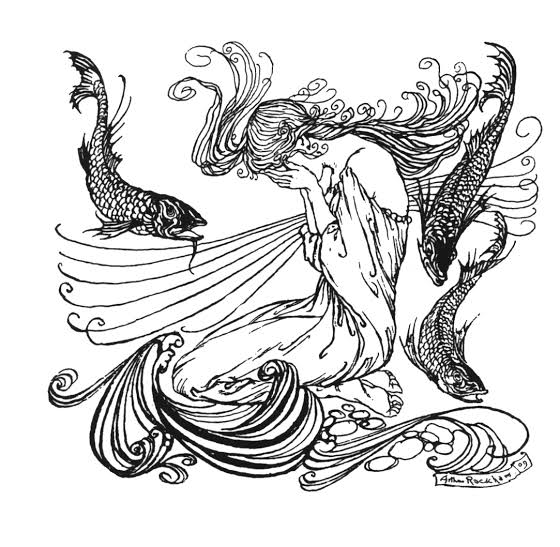
ウンディーネ 画アーサー・ラッカム

聖と俗はA∩Bの関係であって交わるとろに芸術‐人間の神聖部分がある。文学で例えるのなら、キリスト教圏内の童話「ウンディーネ」でも水の精が人間になるための必要な条件をカトリックの司祭が用意する。それでも彼女は人間の愚かさによって魂を得られず死んでしまう。この話の最も美しい事は何だったのか。司祭やキリスト教的価値観によって定義される「人間像」に近づこうとする水の精の「愛」だった。契約を破ってしまった男を殺さなければならなかったウンディーネの悲壮感がより一層愛となって現れている。ここでもバタイユ的な「禁止」と「侵犯」と言える。ハンス・ベルメールの人形は秘密の証拠を残したとされる。腹部の球体、人工的な娘、彼女は自分の生い立ちを語らない。人形とは玩具であったが、この人形は人間の精神を弄ぶ。

抽象作品とは視覚情報だけでは判断出来ないことが多く、マレーヴィチのように画家の論文を要する。それでも常に求められるのは読者や観客への感受性の働きである。作者がどんな生い立ちであっても、彼等は記号化した存在となって現れる。それこそロラン・バルトの「作者の死」と言える。作品と作者は別の「物」であって作品は作者の顕在化ではない。但し、勘のいい(共感覚)鑑賞者が作者の断片を見出すことがある。長い月日を経て記号の効果がいつ出るのかは分からないが、記号化が担う役割は戦争や、人種弾圧、観念や文章の世界では、忘れがちな「痛み」が形となって現れることである。

アウシュビッツ収容に残された十字架の爪痕がその一つだが、同じ痛みを体験することは不可能だ。ではアウシュビッツのような場所さえあれば、「惨劇」を伝えることについて事足りてしまうのかといえば違う。戦争の記録は戦争に、災害の時は災害の過去を持ち出す。しかし人形は戦争にも、現代の別の惨劇にも当てはまるようになる。芸術作品は色んな立場に当てはまる準備をしている。

外的存在としての価値とは、スケッチでいえば窓の数を数えるようなものである。数を知らなくても日常に困ることは無い。しかし数え始めたところに人間性が表れる。

「例えば貴方が教師で、生徒達に建物を描かせたらそれぞれ違うのは想像できる」

その純粋な作業と、不正や不道徳な心と同じことなのか。残念ながら人間の機能としては同列である。優劣をつけるとしたら時代による道徳倫理に左右される。その証拠に現代になってゴーギャンの絵がポルノ扱いになったことは記憶に新しい。

3 聖と俗の現象学

聖と俗に関して掘り下げるためにエポケー(現象学用語:判断停止)しなければならないのは「幸福」である。現代において幸福とは、咄嗟に他者に伝える幸福、自身の存在価値としての幸福と分かれている。常に幸福を求めて生き、幸福を侵害されたくないと思う。宗教の話を気嫌う場合は、自身の幸福の価値観が揺らぐからだ。だから、自身の幸福という衝動を停止させなければならない。事象は幸福のみで動いていない。その現実をまず見開かなければならない。漠然と芸術作品は自分を幸せにしてくれる、と思い込んでいないか。それがそもそもの間違えである。自身の幸福感が聖への認識を邪魔する。それは宗教者にも言えることであって、真の幸福という意識が阻害し、言葉だけが独り歩きをし不正に及ぶことがある

現象学が「事象」に拘るのは信仰を批判するためではない。哲学と幸福を結び付けている人にとって宗教は邪魔な存在にもなっているが、それこそエポケーしなければならない。それは現存在すら理解していないに等しい。「宗教がなくても哲学で幸せになれた」と、幸福の価値観によって世界の何処に落とされたのかを思考停止しているからである。現代は詩人ボードレールが位置付けたように神と世俗は二元論ではなく、人間から見て垂直に同等の位置にある。私は聖と俗の関係を二元論ではなく、A∩Bのように集合論として捉えている。世界の事象として聖は「接続attachment」しているのではなく「含んでいるinclude」のである。

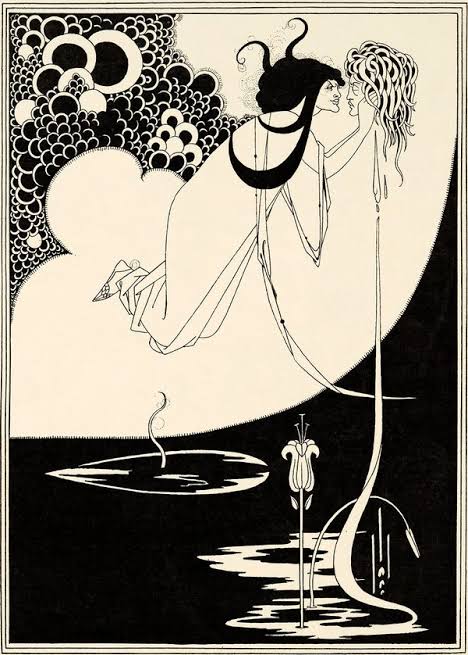
オーブリー・ビアズリー画「サロメ」オスカー・ワイルド

 オスカーワイルドのサロメの例を最後にする。処刑された洗礼者ヨハネはA-Bに位置していた。オスカーワイルドは聖書の脚色でありながらよく理解していた。彼がカトリックに改宗しようと試みなかったのなら、この「禁止」へと目に向けられなかっただろう。オスカーワイルドの「サロメ」は単なる耽美ではない。もしも彼が無秩序に想像力のみを豊にするのであれば、ヨカナーンは処刑されず、サロメも殺されない結末も考えられた。そうしなければならなかった、彼は自由と掟(Interdit)を熟知していた。その証拠にオスカーワイルドは晩年にカトリックに改宗をしている。イエス・キリストは自分の足で人々の元へ渡り歩いたが、洗礼者ヨハネ(ヨカナーン)はヘロデ王の不貞を頑なに許さなかった。サロメの元となった聖書ではヨハネはどのように位置づけられているのか、ヨハネは光を証するために現れた(ヨハネによる福音書1章)、そしてイエスこそが神の子だと言うためである。洗礼者ヨハネは、宗教指導者に対しても忠告するほどの正義の存在だった。(マタイによる福音書3:7~12)

ワイルドがそれを理解した理由は知らないが、サロメの愛に答えなかったのは聖書としても正解だったのである。イエスは正義から愛へと動ける。三位一体がそれぞれのペルソナを持ち、聖霊が行き来するというのもこの世界の事象に聖が関わってくることを説明するのに理に叶っている。

芸術作品の作り主は「死」を迎えるが、この死を単なる死だと捉えると勘違いをする。この「死」はイエス的だということを見落としてはならない。洗礼者ヨハネは生き返らず、ラザロは蘇生だった。イエスの復活は輪廻転生のように別の生が与えられたわけでもない。墓の傍で泣いていたマリアですら復活後の姿が分からなかった謎が残っている。ベルメールや他の作家もそのまま蘇生しているわけではない。私達が記録や作品から分析した作り主を想定しているに過ぎない。

作者の変容を、美術館の中だけ(本のみ)の観察となるのは凡庸である。現象学的還元にするのであれば、その変容を日常的にしようと試みることである。現象学は日常の哲学である。

 4 ständig vorangent(絶えず先立っていること)

イエス・キリストは、ヘブライ文字に対応する数を合計すると、(イエス888+キリスト1480=2368)これら三つを並べると3:5:8と黄金比であるが、ハンス・ベルメールの人形は聖ベルナデッタではないが、モデルになった女性にユダヤ人ということを隠しながら生きた女性がいた。黄金比は、認識する前に既に組み込まれて存在している。人にしてもらいたいことを自分が行うというのは近代聖書解釈の中で黄金比とされる。(マタイ:7,ルカ:6)人にしたことは自分にも返ってくる等ビジネス書にもなっているほど、この考えはキリスト教という名でなく私達は手にとっている。幸福のためだけに事象は動いていない、それは紛れもない事実だが、何故、貴方はその「作品」に惹かれたのか、黄金比を知らずとしても目に行くことがある。聖人の奇跡、ベルナデットの存在に人は祈るが、痛みを表したこの人形には祈らない。誰が彼女を模したのか、それは作家の愛である。愛がある故に世に怒りがあった。そして魂の解放を表した。何か意味があるもの、それを表す決まりはない。そこに自由創作の意義がある。

もしも人生において栄光を認められることよりも、何故「存在」しているのか、存在に目を向けだしたら聖と俗との交わりを経験することになる。イエス・キリストは民の元へと赴き痛みや病を見つけた。この時代にとっては、これらは見放されていたものである。この行為と哲学の反省や純粋観察の違いはあるのだろうか。

貧しい存在を意識したイエスが居たように。俗とは誰かの権威が世の中に広まるまでに、一つの生が刹那に終わることだ。遺体が転がることが珍しくなかった戦時中に、愛する女性の人形を作った作家がいた。戦争の終わりを待つこと、これは俗の時間である。時の流れは戦争の傷を残さず都市を作る。痛みが無いように隠してしまう現実、その隠れたものに眼差しを向けることは聖なる時間といえる。

タイトルにもなった「聖と俗」の元になったM・エリアーデは聖なる時間とは幾度となく繰り返すことが可能であるとしている。宗教的な人間が体感する時間の二種類と、現象学の時間軸は酷似している。クロノス(外的時間)かカイロス(内的時間)か。内面の時間は独自の時間軸を持つ。聖と宗教(主に秘跡)が密接になってくると「信仰」を要するのでまた別の話になってくる。意識が信仰という扉の前に立つ。今回、その手前まで来られたのなら本望である。信じることと、信仰とは別の話であり、私はこれより先は語らない。

信じることと、感受性は密接に関わりあっている。それが魂とでも言うかのように、多幸感と悲劇を持ち合わせている。造り主となって「顕在化」させたいと思うこと、これは単なる脳の性能なのか、神の賜物なのか、ここから哲学では不可分の信仰になるが、これまで隠しておいた「幸福」について新しい「眼」が与えられることを祈る。

このページは飛翔点についての第三弾です。サロメ、ウンディーネは出版作「Iconograph」でも扱った。

鳥は日常から摘み取って巣をつくる。それはただのパーツなのか、もしくは神の御言葉なのか(マタイ13章)

この作品でも出てきた鳥の巣の現象学の続きです。「生かされていることや生きていること、信じていること、私達それぞれ違うこと、それらが一致を夢見て、離れてはお互いに締め付けながら、茨のように締め付けあいながら巣を作る」Iconograph引用

シモーヌ・ヴェイユの哲学講義の鳥の巣について「機能と本能とあいだの一連の中間的な事実」

https://atomic-temporary-188649724.wpcomstaging.com/2022/02/25/%e6%96%87%e5%ad%a6%e3%81%a8%e7%a7%81%e5%88%91%e3%80%80%e9%a3%9b%e7%bf%94%e7%82%b9%ef%bc%88%ef%bc%92%ef%bc%89/

https://atomic-temporary-188649724.wpcomstaging.com/2022/06/05/%e3%83%9e%e3%82%bf%e3%82%a4%e3%81%ab%e3%82%88%e3%82%8b%e7%a6%8f%e9%9f%b3%e6%9b%b813%e7%ab%a0/

解放の神学と魂の存在

La vulnérabilité des choses précieuses est belle parce que la vulnérabilité est une marque d’existence.

貴重なものが傷つきやすく無防備なのは美しい。なぜなら、その弱さは存在の証なのだから。
シモーヌ・ヴェイユ

「重力と恩寵」偶然の章


この話は自殺に関する記事があります。

「文章の正しい書き方は、翻訳するように書くことです……そこには何も付け加えないということです」とヴェイユがギュスターヴ・デュポンへの手紙でそう書き記した。

それは、常にイデアがあるようで、文章から広がるイマージュに振り回されない迷いないペンである。私も無駄なものは削ぎ落とすようにしている。どんなに哀しいことがあっても、そしてそんな憎悪があろうとも全部を書くわけにいかなかった。伝えたいことが辛いことでも、自分の声であっても何が無駄か見つめることだ。削ぎ落とされた跡に「詩」のように本当に残したいものが残る。それは神の恩寵の一つである「時間」という癒しを手に入れなければならないのである。極めてそれは孤独な作業だが、そこで生まれた喜怒哀楽は与えられたものである。


 ある尼僧の生前に本を読んでもらえると一報を頂いた。その当時の私はこの尼僧が出家前にカトリックに救いを求めたというのを、あまり深く考えていなかった。窮地に陥った彼女が最初に見開いて救いを求めたのは教会にあった。それでも、不倫に我が子を見捨てたカトリックの教理に反していた彼女は断られた。その人は出家後も人の煩悩に対してユーモラスな視点で人気を得ていた。 私は2018年の事故後、彼女を尊敬する年配から作家でもある彼女の元へ行くように勧められた。確かに、一旦は受け入れてもらったが、私がカトリックだったので丁重に断られた。

彼女が最後の便りの綱だったので、その後、2月の寒空の下で自問自答を繰り返していた。(2019)

私は、当時は自分の所属教会の極左活動と豪遊に悩まされていたが、他の信者はその神父が好きなので私の異議申し立てに対して「もっと気楽に考えてください」と私は一人ぼっちになった。だから無宗教に帰ろうとしていた。確かに無宗教のほうが友達とも話が合う。買い物の話、ラグジュアリーブランドを買いまくる毎日のほうが、日本では「正常」なのである。寧ろその財力に尊敬すらされる。それでも毎日は空しくなっていった。次第に、その自分を憎むようになった。そして助けを求めようにも求め方も忘れてしまっていた。二度目の自殺を考え始めたのは2019年の初夏である。二度目の決意は無宗教に戻れなかったからだった。この国だと「頭おかしい」という扱いだろうと、それが決め手になった。もしも、これで肯定されれば私は宗教者として立つことができたが、そうではなくなった。ただの、頭がおかしい一般人である。この尼僧との交渉決裂は更にそれを加速させた。窮地に陥ったとき、魂の和解を次第に求めなくなる。実際に私もそうだったが、PTSDで2018年の一度目の自殺未遂で何度も記憶が飛んでしまう。まるで床にオイルを塗ったように思考が立ち上がれず滑ってしまう。窮地に陥った人間は、切羽詰まっていて、身から出てくる言葉は支離滅裂な時もある。だからこそ、自分の醜態こそが二次被害のトラウマとなった。

療養期間の時に特にキリスト教徒ではなく、趣味で聖書が好きだというレベルでいることも勧められた。しかし、私を肯定するものは無宗教には見つからなかった。収入や仕事ではなく、魂や神聖さの論拠をたどると無宗教は、すべて寄せ集めである。オリジナルがない。それでも腑に落ちて生きていける何かが私には欠落していた。

私は何度も何度も信仰に戻ることから逃げてはいた。それでも、昨年(2020)私は窮地に陥ったときにカトリック教会と司教が助けてくれた。思い返せば、その時に私を受け入れる利点は無かったはずなのに、この司教を受け入れてくれた。それが回心の一歩だった。

もしも救われた場合、救われなかった平行線の世界を想像する。救われなかった人もいることは知っている。

しかし、私は一歩回心の道を歩くことにした。

「偶然」の連続が運命となる。人はそれを出来るだけ解消したいと思うが、偶然は生まれる。

南米カトリック発祥の「解放の神学」は必要であるとは思う。聖職者も信徒も、窮地に陥った人間とイエスの間を閉じる門であってはならない。窮地に陥ったときこそ、魂が残そうとする。傷ついた大いなる和解は時間を要する。

私がイエス・キリストを軸にしようとしたのは、宗教団体とは別に他の学問と違って彼こそ平等だったからである。

他の学問は常に不条理に晒されている。そして自分自身の存在も肯定するのに、社会からの評価に左右される。「私は私」だと誰が自身を持てているのだろうか。持てないのだから人という「鏡」に自分の姿を試すのではないか。イエスにはその必要がない。忠誠心のみでそれが自分の姿である。これがあれば私は投資でも、社会に入っていける、苦しくても、そのことに意味を持つことができる。他の学問や生活は平等に得ることは出来ない。貧しければ、本すら開けない。他の宗教は、人種が違うことで壁がある。しかし、聖書の御言葉はお金がなくても手に取ることができた。これは他にないと思っている。キリスト教こそが絶対ということはないが、私がそれだけ貧しかった。心だけではなく全てが貧しかった。それでも世界を愛せるのは、愛し方や生き方を道しるべとしてくれたイエスキリストがいたからである。イエスは歩けない男に言った。何の治療もせず男に「お前は立てる」と言った。洗礼後の信仰とは

そういうことだ。

それに気付けるまでの時間とは神が与えるのだと思った。漠然と与えられた時間は無機質だが、神から与えられた時間は確かだった。弱さを知り、魂の和解に苦しむことは神が与えた時間である。私の弱さこと、「存在の証」だったのだ。

L’éternel substitut(jp and english ver)

Le temps est une image de l’éternité, mais c’est aussi un ersatz de l’éternité.

時間は永遠を映すものである。けれども、また永遠の代用品でもある。

Time is a reflection of eternity. But it is also a substitute for eternity.

Simone Weil (Renoncement au temps)

l’éternité

解説: 永遠というのは時間を伴うが、時間が有限であるのに対して永遠は無限を表す。しかし、私達は永遠を知覚することは出来ない。時の区切りは、永遠の一部、だから永遠の代用品。la éternitéの略。

Explanation: Eternity involves time, while time is finite, eternity represents immutability. However, we cannot perceive eternity. Time is part of eternity and therefore a substitute for eternity.

Aufheben


世界の中に中心はない、ただ世界の外側にある 
シモーヌ・ヴェイユ

神を幾ら語っても知覚したと言えるのかどうかという問答は信仰に値する。

その知覚を言語化すると神学と哲学のアウフヘーベンとなる。哲学は哲学史を

見ていても、神と共存していた。ギリシャ神からキリスト教の神と共存していた時代もあった。この二つの学問がいつ分かれたのか、思想の三統領のニーチェ、マルクス、フロイトだろうか。それともホッブスの「自然状態」ともいえるのか、私はニカイア公会議の1世紀頃としている。当時の教父たちは「哲学者のようにではなく、漁師のように」と人間の深みに達することを哲学のように人間の言葉ではなく、古びることのないとしていた。しかし彼等は当時、アリストテレスの「ホモウシオス」から抜け出せなかったとベネディクト16世が論じている。彼はそれでも「哲学者より漁師のように」信仰することを望んでいる。

トマス・アクイナスはスコラ哲学で「哲学は神学のはしため」とした。それをオッカムは「オッカムの剃刀」によって、哲学は神学と切り離すべきだとした。それでも、後のデカルトの神の存在証明の反論は沢山の哲学者が挑んでいるが、今世紀でも論破出来ていない。

スピノザが「汎神論」を唱え、異端とされた。ライプニッツは精神的存在の原子に相当する概念をモナドとした。世界の最小も最大も我々は祖父名することが出来ない。しかし、世界は偶然作られたわけではなく、これらのモナドが世界は最善へと設計されていくことを「予定調和」とした。バークリは、聖職者だったために誰もが見ていない間は神が見ているので、

実存とした。カントは敬虔なプロテスタント信者で、当時は神秘主義者のスウェーデンボルグに抗議の手紙を出し、真の信仰を理性とした。ヘーゲルも同じく経験な信者だったが、カントの客観は認識できないというものに異議を唱える。それが弁証法の一つの止揚(アウフヘーベン)だった。

産業革命以降、工業化により人々は過酷な労働や環境問題に悩まされ、幸福を疑問視するようになった。当時のキリスト教への信仰も薄れていく。人間に核たる良心や信念を持つ必要があると、ニーチェは「神は死んだ」と象徴的な言葉を残しました。自分自身で新しい価値観を作り出す「能動的ニヒリズム」と既存の価値の存在によって生きる希望を失う「受動的ニヒリズム」とした。

フッサールの現象学によって、人間の意識、志向性と人間の知覚と実存の研究となりました。

カトリック神学部だったハイデガーによって、脱カトリックを試みた彼は人間の存在は

生まれ落ちた「現存在」とする。

それでも、レヴィナスの「顔」はまた旧約聖書回帰へと繋がりました。レヴィナスはフッサールの「間主慣性」の反論を成功しました。これがレヴィナスの「他者論」である。

レヴィナスは奇跡的に強制収容所から生還しました。彼は多くの家族を失ったが、世界は存在していた。こういった形骸化、主語を失ったものを彼は「イリヤ」と呼んだ。

彼を取り巻く存在は黙示録の獣の数字だったに違いない。何故なら獣には名前は存在していないからである。旧約聖書の「汝、殺すなかれ」を引用し、イリヤから抜け出すのは「他者の顔」を知ることによって、無関心から他者と関わるとした。レヴィナスの「他者」とは、フランス語で見ると分かるが、「私の世界に踏み込めない存在」である。彼は他者の「顔」を認識することで、この亀裂を解消できるとした。

この哲学をヨハネパウロ2世は、忘れてはならない哲学者と評価した。

神学は、もう衰退の一途を辿っていると言われている。それでもバルタザールは美しい文章と論理性によって、三位一体の愛の不思議について学問的に、そして私達の感情に語り掛けている。神学も哲学者を無視したものは存在していない。(ネオプラトニズム)

哲学は恐らく、ポールリクールの宗教と哲学の共存を最後に神の否定に進んでいる。

神学は形骸化した世界から神の存在を答えとして、進んでいる。

神学史の中では大衆が清廉潔白の時代は存在しない。それは他の無宗教の歴史とそれほど

懸け離れていると思えない。これらを両方取ることに錯乱が無い事はないが、アウフヘーベンである。科学の結果を待ちながら、科学でも不完全さが残るときに人間は知覚を追う。

哲学と神学は恐らく同一の軌道を進むのである。人間のそれは智慧であり、弱さでもあり、

賜物である。

外の世界も美しい。けれどもそれを意識出来るために内面世界の奥行を愛さなければならない。例え、病で記憶を失っても、心と世界は繋がっている。病で自分のことを忘れてしまっても、神と私は繋がっている。生きている間は沢山のものを愛する。そのうち、肉体の衰えによって、外界世界は削ぎ落されていくのかもしれない。それでも光が見えるのは魂である。

魂が見る外界世界が世界のコアである。

カイエについて(1)

シモーヌ・ヴェイユ カイエⅡ
「キリストに対して忠実であるのは困難なことであった。それは真空状態に対して忠実であることだった。ナポレオンに対してなら、死に至るまで忠実であることも、ずっと容易なのだ。まだ、のちの殉教者たちにとっても、忠実であることは容易であった。なぜなら、すでに教会という一つの力、地上での成就の約束をともなう一つの力が存在していたからである。人は強いもののためになら死ねるが、弱いもののためには死なない。今は一時期的に弱くても、力の後光をいただいているもののために死ぬにすぎない。
「まことにあなたは隠られておられる神である」そして同時に、「かれらは、神を明らかに示している世界によって、神を知ることが出来た。」世界は神を明らかに示し、また神を隠す。
 第二作のイコノグラフは教会の良いところ、キリスト教の良いところを手探りで探って書き上げたが、第三作目によってカトリックから距離を置いている。イエスはイデアのようにアイディアの宝庫であるが、キリスト教という組織自体は、どうも哲学や文学にとっては同じ軌道を回っている存在だが、相性が悪いようだ。ヴェイユも同じ気持ちだっただろうなと少し思う。
真空とは空気もなにもない状態のこと、彼女は造語かのようにこの真空についてよく語っている。彼女の言っている真空とは何か、それは彼女の語りに耳を澄ますしか方法がない。
今回の場合、何もない空間に忠実であるべきだったと記されている。見返りも求めず、愛も求めず、何もない場所への忠実=キリストに対しての忠実としている。
それが人は出来ない。少なくともナポレオンのように多少の即物的な対価を
下さる現時点で生きている人を選ぶのが世の常である。
*****
第三作発売しました。5日間で320部達成しましたが、友人の話から
アップル製品等、macから購入する人、ipad、iphone
から購入する人が苦戦しているようです。

酒井司教、女子パウロ会、松本准平監督、瀬戸内寂聴からも楽しんで読んでもらえた
イコノグラフはこちらで買えます。

アマゾン→https://www.amazon.co.jp/Icon-graph-Chris-Kyogetu/dp/153493037X/ref=sr_1_2?s=books&ie=UTF8&qid=1512118298&sr=1-2

紀伊国屋→https://www.kinokuniya.co.jp/f/dsg-02-9781976279713

WordPress.com でブログを始める.

ページ先頭へ ↑