To the poorest talent (English)

My dear, I implore you, will not die. Blind affection, as it calls itself,If you die, your Vacancy will be at my side forever.
Osamu Dazai, The Defeat of Thought


 Butterflies passing through the sea lie on the surface of the sea. And the wings, weighed by the water, fly away. Even if the little existence by the side of death disappeared, the ocean would only stir. The scent of the waves swallows you up, and Garcia Marquez compares the sea of dead bodies with the scent of roses. The smell of the tide is mixed with the smell of the rose and the perfume of the dream rose becomes thicker with the dark at sunset.

It falls asleep, the sun’s reverie.

Only the sound of the wave remains, and reverberation attempts. Nobody goes looking for the body of the butterfly.

Just the right amount of desperation, Debussy’s music called La Mer.

2018 was the centenary of Debussy’s death,

In the end, consciousness didn’t move a finger.

Psychology is the study of life and death, and the mechanism of mind has been proven and tested many times. Even what is natural to the mind is still at the research stage.

The research is released and then buried, In our epoch, Christianity was strong in its total affirmation of life. Doctrines existed as doctrines, the assumption that God’s love existed unchecked, and yet my heart was dry.

As for love, as far as human love is concerned, it is deduced in psychology through scores and circumstances. However, he may still be interested in me, he may still look at me sexually, but an inner love is unimpeded as faith. It was more certain that this supreme thing was God’s love than man’s ever-changing love.

Believe or not believe, the condition exists as a good response apart from consciousness.

Should I ask for the love of God to heal me, or the love of a man to heal me?

I couldn’t believe it either.

First of all, I couldn’t form words with my consciousness any more, if not in fragments.

Keeping it hidden, I kept quiet about how I couldn’t write my work anymore. In the middle of all this, I lied, thinking of my dried-up love.

I took a pill mid-way through the meeting,Another day I had to take a pill before I got to the hotel.

I paid extra for the water,The shell of the drug resembled this butterfly which was never searched. All secrets lie in my belly, devouring me alone.

There was an earthquake of magnitude 6 in June 2018. The earth quaked and I had no idea what had happened. I thought I could die, but I didn’t call the guy I was dating back then.

Because it would hurt me if he walked out on me,I avoided it because I was scared of the result. I should have said goodbye before.

Ugliness and malice exist in human love but love also includes believing. Love between human beings falls and becomes sinful, but the love of God goes beyond human understanding.

Human beings believe in protection,Human beings choose their own selves rather than the love of others, but God does not.

Psychology, philosophy, this unholy notion that without this ugliness, there would be no vitality in life. We are raised by fate, so we mix them together and, blushing through our enthusiasm, we are still precious today.

Each time I repeat a bit of despair, a smile fills my face and Little by little, we become increasingly convinced of our limitations.

――The angels come and mock us because we are not so happy in heaven.

Only today, 3 years later, did I read part of the suicide note. I was writing as if I didn’t hate anyone, when I really did. And the writing was terrible.

I can understand that my language was broken and that I could not write any more. It seems like I’ve been in a desperate situation, but I couldn’t write, not just today, I couldn’t write long ago.

It was in October, always warm and damp, the day of the International Mass. I was afraid of something, afraid of something, and hate spread from one form to another.

My friend cleaned the bloodstain and Adam the cat came. So I thought he was an angel. I remembered Lucifer that day, but he was missing. Adam had many blessings. Adam, why I need him forever brings me back to that day.

We often see people who have been victimized by others reveal their worst days when they succeed. People say” ” I took revenge on those who discriminated against me, I overcame the fact that I was oppressed” Well, people usually connect to their worst days and So we stay away from the best.

Quiet tames the bad days, but the best days are crushed by the bad days,Tranquility tames the worst days, but the best days are crushed by the worst days.

On this day in 2021, I did not dare choose any part of the Bible. I chose those words by Osamu Dazai, who says that if you die, I will miss the empty space. I was under the impression that his love for me was a divine word. Perhaps this is what I wanted to hear,But I couldn’t hear that.

I’ve been helped by so many people that I don’t know who thanks everyday.

I don’t know where I’m going since the most unwise day.

And that voice reading gave a beautiful voice to my long-lost world. It has been a long and thoughtful journey. I want to rest beside this beautiful voice now, so that the worst days are far away. I want to write something that will use that beautiful voice. The butterfly has awoken from sleep. I promised you a trip, and I’ll go someplace with you.

Readers and writers

To the poorest talent

Japanese

Adam

2016 I called an ambulance for chest pains.

2017 I was constantly on stabilizers, anti-vertigo, and various medications.

2018 Words became choppy in my consciousness.

2021 Recovering on heart and liver medication.(Stop taking psychotropic medication and change to heart medication such as Vasolan )

It was Dazai Osamu who wrote this suicide note: “I can no longer write”

I had no awareness of the words, but I knew them.

It’s not that I couldn’t think about a story, it’s just that there was a time when my words went missing. I don’t mean whether it was a psychological problem or a side effect of the medicine,It took me a while to settle everything without it getting too heavy.

Even after my Catholic conversion, in some of the best days of my life but I got flash backs from that day.

For instance, when people succeed, they expose the worst days of their lives.

I declare that I am overcome.

In my best days, I can’t stop thinking back to my worst days. For me, in the past three years, there has not been one day that I have been able to really rejoice, except for Adam.

I want to reorganize my articles and, in a number of ways, reconstruct them.

Starting with him doing the readings.

I would like to thank everyone for their help. Thank you very much.

The poorest talent, from the gospel. ” Blessed are the poor in spirit”.

最も貧しい才能へ

君、たのむ、死んではならぬ。自ら称して、盲目的愛情。君が死ねば、君の空席が、いつまでも私の傍に在るだろう。
――太宰治「思案の敗北」

 海を渡る蝶は海面で休むが、水の重さで羽が重くなったら飛びはじめる。死と隣り合わせの小さき存在は消えてしまっても大海が蠢くだけだった。生きていた痕跡を知らせない死、波の香りに呑まれる、ガルシアマルケスが水死体の浮かぶ海を薔薇の香りに見立てた。潮の香りと薔薇の香りが融合する。夢の薔薇の香りは太陽が沈むと同時に闇と共に濃くなっていく、それが眠り、太陽の夢、

波の音だけを残して、残響が誘惑する。蝶の肢体を探しにいく人は誰もいない。

程よい、絶望にドビュッシーの海、

2018年はドビュッシーの没後100周年だったが、

結局、意識が指を動かすことがなかった。

過去に学んだ心理学上は生も死も研究対象で、心のしくみについての立証、検証、の繰り返しだった。心の正常が何かさえ研究段階、発表しては埋もれていく。生きることを肯定しているのが強いのはキリスト教だった。教理は教理として存在していて、神の愛は検証無く存在するという前提条件、それでも私の心は乾いていた。

愛に関して、人間の愛に関しては、心理の中では点数や状況で推測される。興味があるか、性的に見ているか、しかし、内包された愛とは信仰と同じように囚われない。この最高のものが神の愛ということは、移ろう人間の愛よりも定かだった。信じるも信じないも、その条件は意識の外に正解として存在する。神の愛に治療を頼むのか、人間の愛に治療を頼むのか、

私はどちらも信じることが出来なかった。

まず言葉が途切れ途切れにしか意識で構成できなくなった。それを隠しながら、書けなくなった事を黙っていた。その中で枯れきった愛を思い浮かべながら、嘘をつく。会議の途中で薬を飲み、ホテルに行くのも薬を飲んでから行っていた。割高の水の料金を払って、薬の抜け殻は探されない蝶のようだった。全ては腹の中、秘密は自分だけ蝕んでいく。2018年6月に震度6の地震があった。地鳴りがして、何が起きたのか分からなかった。死ぬのかもしれないと思ったが、当時付き合っていた人には電話しなかった。彼が冷めていたことを知っていて、冷たくされた場合、傷つくからだ。別れ話は早く済ませるべきだった。

人間の愛には醜悪も悪意も存在するが、愛は信じることも含まれていた。人間同士の愛は墜落し罪悪になるが、神の愛は人智を超えてくる。人間同士は我が身を守ることを考える。他者への愛より自分を選ぶ、それが人間だが、神はそうではない。自己犠牲は神に近く、理想はそれを目指すが桃源郷。人間同士の愛は、罪悪がある。心理学、哲学、神に囚われない考えは、この醜さもなければ、生きる活力にならないとする。私達は運命に育てられているのだから、それらを混合し、熱意のせいでのぼせながら、今日も人は尊い存在。

小さな絶望を繰り返すたびに、笑みが溢れて、限界に確信が近づく。死に向かうよりも蘇生法は苦しく、取り残された毎日は、波にかき消される日と待ち望む。

「天使達は天国でそれほど幸せでなかったと笑いに来る」

遺書の一部を読んだのも3年後の今日のことだった。本当は恨んでいるのに、恨んでないように書いて、文章が酷かった。言語が途切れ途切れで、もう書けない状態だったと理解出来る。切羽詰まっているだけのように思えるが、この日に限らず、長らく自分の意思すら伝えられないまま、書けなかったのだ。10月、まだ蒸し暑い、国際ミサの日だった。

何かを恐れて、何かに怯えて、憎悪が形相を超えては溢れかえっていた。

 血痕を掃除してもらい、猫のアダムが来た。だからあの子は天使だと思った。あの日の思浮かべた天使はもう居ない。この子は祝福に溢れていた。何故これだけアダムを愛しているのか、何故これだけ必要なのか、それを語ろうとすると、常にこの日に繋がっていく。人に虐げられた人間が成功すると、最低な日を暴露する光景はよく見かける。あの時、差別した人間を見返す、あの時、虐げられたことを乗り越えた、人は必ず最低の日と繋げるものなのだ。最高の日は最低の日と繋がる。だから最高を避けるようになる。

平穏は、最低の日を飼い慣らせるが、最高の日は最低の日によって押しつぶされる。

 今年のこの日は敢えて聖書の引用を選ばなかった。空席ができたら寂しいと言わんばかりの太宰治のこの言葉を選んだ。人の恋慕が神に近い言葉だと思った。恐らく、あの日はこれを聞きたかったのだろう。でもあの日は聞けなかった。

 最も愚かだった日から、私は何所へ向かっているのか分からない。誰に毎日感謝を言えばいいのか分からないほど、色んな人に助けられた。そしてこの朗読の声は、数年の私の失った世界に綺麗な声をくれた。辿ってみると、長い思案の旅だった。

最低の日が遠のくように、今はこの綺麗な声の傍で休息したい。この綺麗な声が生きる文章を書きたい。蝶は眠りから覚めた。また旅路の約束をして、何処かへ行こう。

私達、最も貧しい才能へ。

アダム

2016年 胸が痛いと救急車を呼んだ

2017年 常に安定剤と眩暈止め、色々な薬が手放せなくなった。

2018年 意識の中で言葉が途切れ途切れになっていった。

2021年 心臓と肝機能の薬で回復傾向(向精神薬の服用停止、ワソラン錠等の心臓の薬に変更)

「書けなくなった」そう遺書を残したのは太宰治だった。その言葉を意識したことはなかったけれども、知ってはいた。私は無意識の中でその言葉があったのだと思う。話が思いつかなかったわけではない、自分の言葉が消えてしまった時期があった。

あの日はそうなった。誰のせいでもなく、全てが書けなくなったからだった。

それは心の問題か、薬の副反応だったのか野暮な事は言わない。

重くならないように整理することに時間を要した。

回心をしてからも、人生の最高の日には、

あの日が戻ってくる。3年、長いようで早く済んだのかもしれない。

記事の整理も色々と、立て直したいと思っています。

朗読してくれる彼を始め、

皆さまの協力があったからです。ありがとうございました。

実は2018年のこと、もう乗り越えてます。

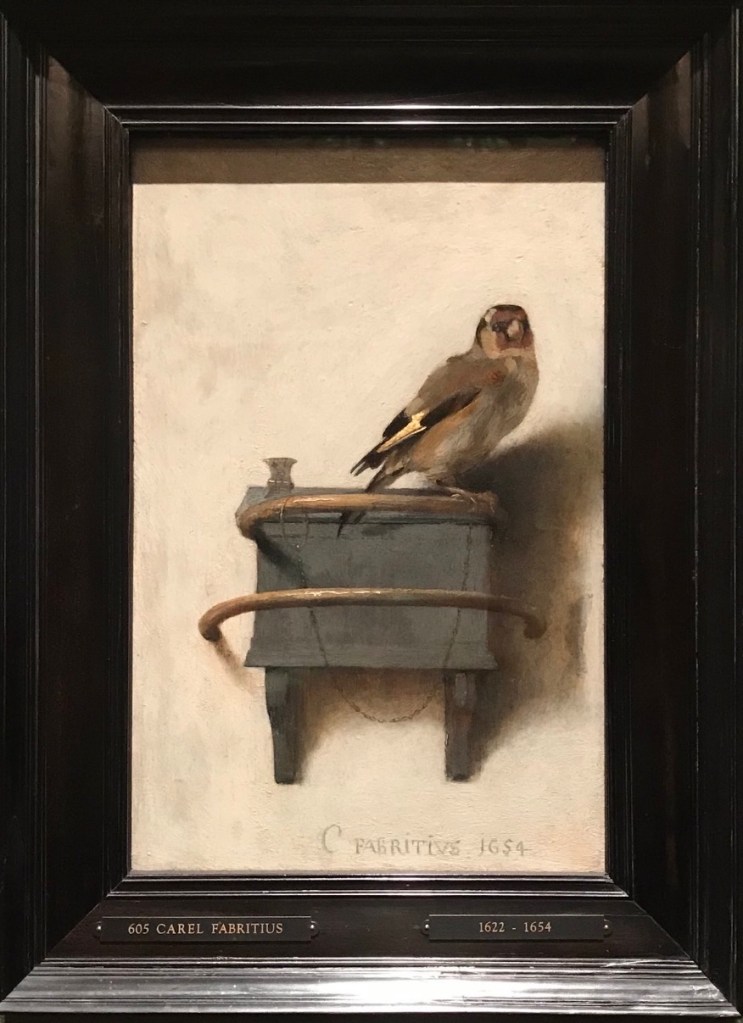
The Goldfinch

The Goldfinch:Carel Pieterszoon Fabritius
もっと純粋なものを反射しなければならない
ジッド「日記」第一巻

1654年10月12日に爆薬庫の爆発事故は大規模な範囲の犠牲を生んだ。多くの死者を出し、アトリエも巻き込まれ多くのオランダ絵画が焼失した。その中の一人の、レンブラントの弟子のカレル・ファブリティウスも事故に巻き込まれて帰らぬ人となった。この捕らわれの鳥は飼い主を失っても今も生きている。

この絵画の再評価の多くの理由は「運命」に惹かれた、という人は少なくないだろう。

 カレル・ファブリティウスはレンブラントの弟子であり、光の描き方がレンブラントの

影響があるだろう。レンブラントは初期の作品は多彩な色使いが見られるが、次第に茶とグレーの階調を基礎とし、一番光が当たるものに明るい色を置く。レンブラントはキアロスクーロという明暗を明確にする構図に惹かれていく。

この影響は弟子のファブリティウスにも見られる。全体的に鈍色で仕上げられているが、対比によって壁に強い光が当たっているように考察出来る。餌箱と鳥の背後の影が濃い。天然色の影響なのか分からないが、くすんでいる黄色が心的な光と影を作り出している。レンブラントとの違いは、宗教的な題材ではなく、鳥を選んだこと、固めの塗料を使用していることである。それは、ゴッホや印象派を連想させる。

鳥の背景は無地の壁であるが、この光の当たり方で鳥が見上げているものは日の光だと想像出来る。イタリア語でCardellinという名前のこの鳥は、カズラの実を好んで食し、イエスの受難を意味している。人間につけられた象徴、想像をよそに、もっとも純粋なものをこの鳥は見つめている。目に光が映りこんで、一瞬という瞬間に想像力が宿る。

Amor fati(運命愛)に纏われたこの絵画は、飛翔することを知らない鳥だった。

それなのに、長い時を経て生きている。

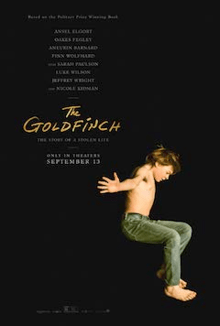
 この絵を現代で一気に有名にしたのは映画「The Goldfinch」(2019)だった。美術館に母親と二人で訪れた少年は爆発事故に巻き込まれる。少年は、逃げる際に生き残ったGoldfinchを盗みだしてしまう。元々の実在の絵画の運命をモチーフとして作られた映画だが、2021年、私はこの映画を前情報無しで見ていた。そこで使われている絵画に既視感を覚えた。映画用の小道具、という短命の運命にしては生命力があった。たかが鳥の絵ではあるが、背景の色が現代の発想で描いたわりには古典的な描写だった。光を理解していて、余計な思想が無い。絵画一枚として存在するにしては構図が右に寄っている、それにやはり見たことがあった。映画の話が頭に入って来ないほど、この絵のことばかり考えていて、登場人物達がオランダ絵画と言いだしたので、もしかしたら一度見たことがあるかもしれないと、別室の本棚から図録を探した。

2012年、私はこの絵をやはり見ていた。

マウリッツハイツ美術展(2012)の図録に付箋を貼っていた。そのページが「The Goldfinch」だった。オランダ絵画は顕微鏡等で観察がブームだった時代のものもあり、基本は精密な絵画が多い。レンブラントの「シメオンの賛歌」は圧倒的な異才を放っていた。フェルメールの「真珠の耳飾りの少女」目当てに美術館のコースが決まっている。人間の笑った顔、笑った顔の作品を素通りしながら、静物画のエリアで「The Goldfinch」を見つけた。

その絵画は未完成のようだった。この展示会のテーマは「笑い」だったので、様々な人間の笑みの後に見ると動物の持つ邪の無さ、純粋な光を反射している羽は余計に輝いて見えた。探求心の欲しいがままに観察された静物画の並ぶところに、一枚の不完全が存在している。顕微鏡で覗けない距離に、その鳥は空を見上げていた。この絵は額に入る予定ではなかった。トロンプ・ルイユ(だまし絵)の一枚か、もしくはケースの蓋だったのか、正体は不明である。正直、この絵画展の評価は低かったが、この鳥の絵とレンブラントの「シメオンの賛歌」だけ良かったと感想を残している。

音を持たない絵画に、鳥の足音、鎖の当たる音の想像が混ざる。この鳥は運命のいかなる試練や誘惑にも消されることがなかった。不完全、飛べる可能性 繋がれた鎖、この3点は不自由な人間の心を打つのかもしれない。名作と思いながら、この絵画を語る機会がなかった。

まず、この絵画の作者を誰も知らないというのは不自由さ、語りだすことが難しい。

自分で秘めて持続するとしても、留めておく経験と情報が少なかった。

この鳥は私の記憶の死角に潜んでいたが、運命に愛されているのでまた生還する。

 図録を開いた瞬間に、挟まっていった館内マップと、当時の美術館の広告が本から落ちていく。それが鳥の羽ばたきの音を連想させた。消えていた記憶が蘇るとは、時間の動きを感じさせる。特に、それが希望に繋がる場合は、神の啓示にすら思えた。光を享受する力がある生き物の、その瞳の向こうには美しい世界が広がっている。

鎖で繋がれた鳥は、自由の代わりに特定の誰かの愛を受ける。この鳥を愛している人間の眼差しを想像すると、外も悪いものではないのかもしれない。この鳥に餌を与えていたのは誰だったのか、この鳥は多くの時間と空間を超えて、いつも光を見ている。爆発事故によって生き残った絵画の生命力、それが私の記憶でも意図せず蘇った。大切にしたわけでもない記憶だったが不意に蘇ること、フェルメールの「真珠の耳飾り」の列の案内を目にしながら、一瞬でも影のように潜んでいるこの「鳥」に目に留まったことすらも今は必然だったと思う。当時、確かに良い絵だと思った。でもそれほど記憶に残るものだとは当時気づかなかった。図録は買わないで帰ろうと思ったが、買っておいてよかったと思う。この展示会の頃はそこから人生が転落するなんて思っていなかった。2014年、カトリック洗礼後、

私は天国も見たけれども長い地獄にいた。死の淵で見たことをどうするか、一つのこの優しい奇跡に私の善意は保たれた。この記憶の黄泉がえりは無駄に生きていなかったという確証だったからだ。

 運命に愛されたこのトロンプ・ルイユ(騙し絵)、何を欺いているのか、生命力の強さに圧倒される。もう一度騙されてもいいので、光を受けてみたいと思わせた。

The Goldfinch(2019)
原作あり

***

ごしきひわは、「いばらの鳥」とも言われ、ごしきひわがキリストの茨の冠から棘を引き抜いて、その羽に血が飛び散ったと言われている。

人間失格と太宰治

最後にまだ、あなたのうちに神を探し求める道がある。すなわち、かぎられているものどもの除去の道がある。というのは、芸術家が木の魂のなかに王の顔を求める場合、
その御顔のために全てを捨て去るからである。 

ニコラス・クザーヌス
De quaerendo Deum49

「はじめに」

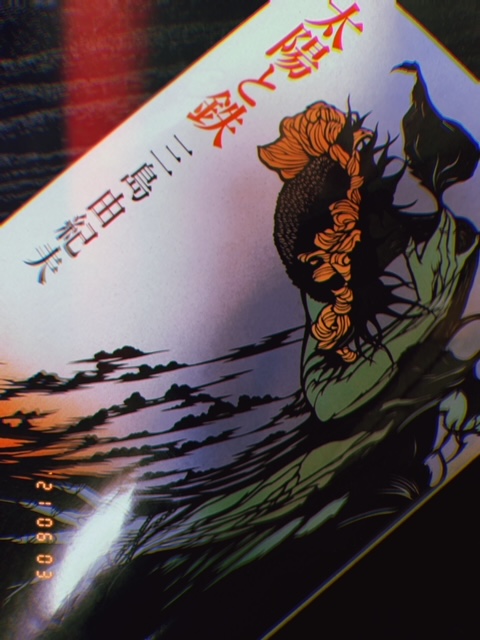
日本において太宰治の「人間の格」を語るとなると良い印象を持たれない。2021年現在、小林秀雄、柳田国男等の昭和の知の巨人と呼ばれる人と並ぶと、地位は高いのか低いのか、それさえも彼は定まらない。「有名」という地位であることは確かである。恐らく海外の人から見れば「文豪」であるだろうし、日本でも「文豪」ではあるが、彼は嫌われることも多い。ただ、私が太宰治を好むのは、私が太宰治を好むのは、単に話が素晴らしいからという理由ではない。三島由紀夫や谷崎純一郎等の作家を語ると、読書家が煩い。例えば、谷崎潤一郎作品の関西弁を下手に朗読した途端、「けったいな関西弁で不快やわ」と言われてしまう。それに比べて太宰治ファンは太宰の死にざまのせいか、徳が高くなかったせいか太宰を多少ミスリードしても批判されることは少ない。これほど穴場の作家はないと私は思っている。太宰文庫は夏に売れると聞くが、今でもそのようだ。彼の口語調の文体に重々たる文豪に備わっている理知的なものは存在しないと言う人もいる。当たり前に存在しているものを感性豊かな文章で書いたことは、宗教的にも哲学的にも問題提起と成り得る。そして、彼の感性というのは、国語辞書にしか載っていない特別な言葉が飾られるような技巧ではなく、極めて日常的に使われる言葉の羅列が多いことも特徴である。

二人の女性から見た太宰

太宰と関わった女性や著名人は他にも大勢いるが特に私が思う接点が深かった二人を軽く紹介する。

山崎富栄

 「死ぬ気で恋愛してみないか」と太宰治に口説かれた心中相手。太宰は学生時代にも心中事件を起こしているが、

それとは別である。学生時代の心中事件の死んだ女性について太宰は「人間失格」以外にも「道化の華」や他の作品に何度も書かれてある。太宰の結核の看病に必死、愛情を独り占めするために必死にらなければならない、と彼女はナイチンゲールのように太宰の看病をし続けた。富栄は太宰が戦後の変わりゆく日本人に対して苦悩しているということを知り、女が大きなものに巻かれて生きることしかない事を盲目に受け入れていたことに自覚する。冨栄は戦時中に、家族に行き遅れを恐れられ結婚し、その夫がフィリピンのマニラで帰らぬ人となった。彼女は未亡人となった。「所帯くずし」という言葉が存在する日本、当時の彼女の孤独を癒せるものはいなかった。富栄と太宰の心中後に、父親は娘の孤独を理解してやればよかったと後悔を残している。彼女は契約結婚とはいえ純粋にマニラに行った夫を愛していた。太宰は世間とは違い、昭和22年、6月3日に脱稿した「フォスフォレッセンス」で架空の花、phosphorescence(燐光を発すること)を中心に冨栄への愛と、夫への招魂祭を描いている。戦死した夫への愛情を何処へやったら良かったのか、富栄の鬱屈した気持ちを世間は許さなかったが、太宰だけが許し、夫への愛情も受け入れてくれた。「人間失格」は太宰治の遺作であり、冨栄が太宰を看病する中執筆された半自伝と言われている。

遺族が娘、富栄の風評被害を止めたいと日記を出版。

津島 美知子

 太宰治の妻で、夫の繰り返す不貞と我儘の中耐え抜いた。心中相手の山崎富栄の描写する太宰とは一転、そこには夫失格、暴君の太宰治が書かれてあった。太宰が「駆け込み訴え」を蜘蛛が糸を吐くように読み上げるのを書き上げただけあって文章が聡明。太宰治の文章が感傷的なら、妻の津島美知子の文章は理知的である。太宰の執筆世界の「妻」は文章が美しくない、と女として落ちぶれている女が書かれているが、現実の奥さんの文章は女としても柔らかく美しいさながら、太宰という困った夫と世間を静観している。「女生徒」は実際の若い女性の愛読者の日記に拠っている。これは「斜陽」のモデルとなった太田静子の例もあり、妻の日記には太宰にはそういった依頼が多かったようだ。女生徒の「胸のところに、小さい白い薔薇の花を詩集して置いた」というのを太宰は「赤い刺繍」と書いていた。これを「白」と言ったのは妻だそうだ。カトリックに属している私としてはこの中で誰よりも妻である津島美知子の献身的であり、夫婦、家族としての要を一人で守り、富栄よりも妻の努力を肯定せざるを得ない。この価値を理解したのは私も最近である。それだけ、家族の意味を理解するのには時間がかかるのだ。個人的な感想になるが、愛は何が素晴らしいと決定づけられないが、辛さや耐え抜いた先にもあるものだなと思わせた。愛という言葉すら陳腐になってしまうほどのものがあった。

「人間失格と太宰治」(感想)

 主人公の葉蔵は幼少期から美少年だったが、幸福というものへの思索に帰結出来ず、疑問を持っていた。彼の内部を覆う外皮、人々は彼を「仕合せ」と判断する。その言葉は何処か表面的で主人公の心には響かない。そして彼を取り巻く世界が日本の優等生かの如く、彼のような悩みを持つ者が見当たらない。主人公は世間に対して、彼等を「夜はぐっすり眠り、朝は爽快なのかしら」と思いに耽る。そして、見落とされるほどの少ない描写であるが葉蔵は子供のころに、下人に「悪戯」(性行為)されている。彼は両親に被害を訴えようとは思ったが、人間の落ちぶれている様、本質を眺めることに快感を得ていた。「道化の華」や他の作品でもこの人間失格の内容は多々見られることから、太宰は「人間失格」を書くために作家になったと定評がある。日本語という「品性」によって書かれてあるが、出来事だけを並べると仏教でいえば「人間の業」そのものである。言葉(センス)が人の中に住む「獣」を隠している、その緊張がこの作品は「道化の華」と比べて秀逸である。

葉蔵は繊細で、人間の本質を眺めることに快感を得ていた。日陰の人間に優しさを与えて、彼女らが感謝することによって自分が善人になれたような気がして酔っていた。そんな葉蔵は他郷の学校へと通うことになる。実家が最もやりにくい場所(演じにくい場所)だと彼は言っている。「道化」として周囲と調和を取って心の中を悟られないようにする。そんな中鉄棒から落ちた葉蔵を、見学していた竹一に「ワザ ワザ」(わざと)と見抜かれてしまう。葉蔵は竹一を殺したいと思うものの、それは本心ではないと思い直す。むしろ殺されたいのは自分だと意識が揺らめいていた。葉蔵は竹一を取り込んで彼の家へと行く。竹一は耳を悪くしていたので、葉蔵は彼の耳を掃除してあげると偽善の計画を立てた。すると竹一は第一の預言を葉蔵にする。

「お前は、きっと、女に惚れられるよ」

それは愛されるよ、というものではなく「惚れられる」ということだった。それがどう違うのか、好かれるというより「かまわれる」という事が如何に甘美な誘惑で不幸を招くのか彼は既に知っていた。竹一の姉妹もまた葉蔵に惚れているようだった。しかし、この時はまだ序章に過ぎなかった。竹一との交流がきっかけで、葉蔵は絵を描いてみるが、絵を描いたときに道化の自分とは正反対な陰惨な絵が仕上がった。それを見て、彼はその絵こそ自分の正体だと知るのだった。それによって「お前は、偉い絵描きになるよ」と竹一から第二の予言をされる。第二の手記の終盤は、太宰の繰り返される過去でもある「情死」事件である。葉蔵はツネ子という女と鎌倉の海に飛び込んだ。女だけは死んで、葉蔵は自殺ほう助罪で連行され、起訴猶予となった。

第三の手記の始まりで、竹一は第一の予言は当てたが、第二の予言は当てなかったようだと始まる。ここまでの流れだと、ヘッセのアウグストゥスとも似ている。アウグストゥスもまた美形で皆が彼を愛した。それによって、アウグストゥスは人を愛することを覚えず、人に酷いことをするまでになった。母親の死をきっかけに、彼は与えられた魔力であった愛されることを手放したいと懇願した。それによって彼は誰にも愛されずに、今までの行いの償いとして刑務所へ入れられる。ヘッセはキリスト教学校を抜け出したと言っても、アウグストゥスはキリスト教圏の価値観が根付いている。それは「惚れられる」というものを神の恩寵とせず「魔術」としているからである。それは宗教的な異端の魔術ではなく、メルヒェンとしてのものである。しかし、魔術だからこそ彼は手放すことが出来た。そこから彼は誰からも愛されず、嫌われながら人を愛した。マタイの福音書の5章の「心貧しい者は幸いなる」を体現するのである。

ヘッセも太宰と同じく自殺未遂をしている。共通項として彼等は二人とも聖書は愛読していたことである。特に太宰治は不倫相手の太田静子に会いに行くときも聖書を持って歩いていた。妻の回想録でも夫、太宰治は聖書を持っていたことを残している。心中相手の山崎富栄もYWCAでキリスト教とフランス語を学んだ。師匠は小林秀雄の実の妹の「高見澤潤子」だった。彼女は聖書を太宰と語り合っている。人格の違いは当然だが、ヘッセと太宰治、この分岐点は日本人の嵯峨を背負っている、と私は思わずにいられない。それは大衆キリスト教が声を張り上げる「恋と愛の違い」とは違う。多くの人が恋と愛を区別をし、愛のほうが素晴らしいと思い込んでいる。本当はそうではない。

「愛」でも「恋」でも大差ないことであり芽が出て花となり実のなる過程でしかない。大切なのは、イエスの愛を理解しながら、「贖罪」することだ。それこそアウグストゥスのように、身を粉にしなければならないこともある。それが真のキリスト信徒と、無宗教の違いである。「人間失格」の葉蔵は隣人を理解出来ないままだったが、隣人の幸福が気になって仕方なかった。人間に対して興味が持てない男の求愛は「道化」となる。父母の前でも溶け込めない葉蔵は成長するにつれて、孤独の香りが魅惑となり、女性たちに嗅ぎ当てられる。そして、彼は女性たちの秘密を守る色魔となっていく。葉蔵はバア(酒場)で飲んでいる葉蔵を止める十七歳のヨシちゃんと結婚する。彼は漸く分別のある男になり、友人の堀木と「喜劇名詞」「悲劇名詞」と感覚で云い合って酔っていた。罪の対語は「蜜」だと言った後に、妻であるヨシちゃんが下の階で他の男と不貞をしている姿を見てしまう。

ヨシ子は、信頼の天才。そうまで思っていた女性から裏切られていても、友人である堀木は葉蔵の生い立ちを知っているせいか、

「ゆるしてやれ お前だって、どうせ、ろくな奴じゃないんだから」と言ったのである。

相手の男は葉蔵に漫画を描かせている商人だった。

 葉蔵は妻が他の男と情事を重ねる本を読み漁っては、妻の秘め事であった堀木に恨みを募らせ、彼は妻との向き合い方を失っていた。「無垢なる信頼心は罪なりや」とは、聖母マリア(処女性)のように純粋だと信じ切っていた男ヨセフへの問いでもあるだろう。それは第一の手記に書かれてあった「人間への不信は必ずしもすぐに宗教の道に通じているとは限らないと、自分には思われるのですけど」「人間は、お互いの不信の中で、エホバも何も念頭に置かず、平気で生きているではありませんか「しかし、こんなのは、ほんのささやかな一例にすぎません。互いにあざむき合って、しかもいずれも不思議に何の傷もつかず、あざむきあっている事にさえ気がついていないみたいな、実にあざやかな、それこそ清く明るくほがらかな不信の例が、人間の生活に充満しているように思われます」という聖書物語は現実と乖離することと繋がっている。

 聖書を愛読しておきながら、太宰が描く葉蔵は「隣人を愛せ」である隣人の幸福が気になって仕方ないだけでなく愛し方を漸く覚えたと思えば妻に裏切られる。言葉では妻を許すと言いながら、友人を恨み、恨んだかと思えば考えが飽和する。葉蔵はより年齢に反して見た目が老いていく。今年27歳になります。白髪がめっきり増えたので、たいていの人から四十以上に見られます」というのは、これは太宰自身が40代でありながら、実際に起こしてしまった心中事件で女性だけを死なせた事への想いが込められていると思う。(実際にあるウェルナー症候群とは別として、これは心理的に寄せた一行だと全体を通して判断する)

心とは、何かもっと核があるものとして当然のごとく常に自分のところに存在しているものだと思いたい。それなのに

一向に心というものが感情として力を見せるのは「運次第」なところがある。その上、全くその思考過程が分からないという人も存在する。心と自分が離れていくような浮遊感、これを病気とするのなら解離症というが太宰には双極性障害の他に解離症もあったと推測される。幼少期の大人からへの性的暴行が事実だとするのなら、それはPTSDの影響であったのではないか。解離症は幸い、病気でありながらフランスやドイツ哲学や文学として混ざってもいたので、うまく使えば白痴から免れるところがあった。「主観」「客観」「現象」「存在」「意識」ここに疑問を持ち始めることは学問でもあった。シェークスピアの「ハムレット」のオフィーリが狂いながらも、兄が「狂人にも教訓があるとでもいうようなものだ」と彼女の散文詩は何処か意味があるように思えてしまった。オフィーリアも狂いながらも「イエスキリスト」の名は外さなかった。

Well,  God yield you!  They say the owl was a baker’s daughter. Lord, we know  what we are, but know not what we may be. God be at your  table.

――ありがとう、God yield you!  フクロウは元々はパン屋の娘、イエスから罰で姿を変えられたの。でもわたくしは違うのよ、こんな姿になってしまったのは。ねぇ、王様。私達は先のことは分かることは出来ないのよ、God be at your table.

–Ophelia

A document in madness, thought and remenbrance fitted.
――侠気にも教訓があるというものか、物を思っても忘れるなとでも言うようだな――

–Laertes

ハムレットの悲劇も人殺しの「贖罪」をしなかったことにある。これは日本文学より明確である。但し、それでも物語によって人は宗教以外の「教訓」を得てしまう。人間を知るための鏡として、人間模様の再現の舞台のように。それが文学の誘惑でもある。G・バタイユは「文学と悪」を研究するほど、清廉潔白な生活と現代文学は相性が悪い。何故ならその「悪」「弱さ」を残すことによって時に人の精神を救うからである。人間は思惑だけでは意識にはなれない。誰かの言葉によって意識化するのである。知らない誰かの言葉が、自分を形成する。より人間を知ること、それを担う文学というものは錬金術のように自分が毒に侵されながらも抽出することさえある。想像だけで書いた「愛」は大衆の想像力に当てはめやすい。人々の共通認識がその話を理解できるからである。

しかし、個性的な拗れた人生を送った作家が書いた愛の話は共感を得にくい。人の想像力では追い付かないからである。それと、イエスの磔刑の全人類を許した「愛」とは何が違うのか、それこそ「聖と俗」である。作家は自分たちが「俗」であることを自覚しなければならない。ダンテの「神曲」は今だからこそ神聖な扱いであるが当時はダンテは国外追放されたのだ。無実の文豪を私は知らない。聖と切り離してしまうことも出来ない、そのもがき苦しむことが意味があるからである。

芸術的感性は「自由の刑」に処されている、私はそう思っていた。それが20世紀以降ではないだろうか。特にサルトルの自由の刑を知る前から、子供ながらに「自由、自由、と言いながら、目に見えない世間に感謝しなければならない拷問だ」と思っていた。自分にとって神も「世間」も目に見えないものと同列だった。音感や色感、それが他人より敏感なこと、言葉で意識を噛み砕くのが他の人よりも繊細であること、それらは自由と言われながら、そうではない。その抱えた感情をどうしたらいいのか、誰も教えることは出来ない。どうしたらいいのか、藻掻いて探す他なかった。プラトンのイデアという「美」という理想があるとすれば、対義語は「現象」であるだろう。そしてもっと現象は哲学言語や芸術感性にとって美しい皮を被ることがあるが、無自覚に「人間失格」で有名な「それは世間が許さない」の「世間」にもなる。「世間というのは、君じゃないか」太宰は、見事に文学として宗教や哲学用語に依拠せずに適格な言葉を残したように思う。それだけで私は太宰に脱帽している。

 更に、「世間が許さないのではなく貴方」と世間という他人を装う名もなき人を彼はしっかりと掴んだ。それは「貴方」なんだと、世間という大きなものの影にかくれる卑怯な人格を彼は掴んだ。世間から削り取られていく自我と、当時の訳ありの女性たちは似ていたのかもしれない。女性は特に若ければ独身、次に家庭の中にいなければ人権が無いようなものだった。未亡人となれば、結婚を手段としてまた儀式的な再婚が待っている。川端康成を始め、彼を酷評する専門家は大勢いたが、彼を肯定してくれる女性たちによって、彼は生き始める。「人間失格」の葉蔵はその一人だろう。

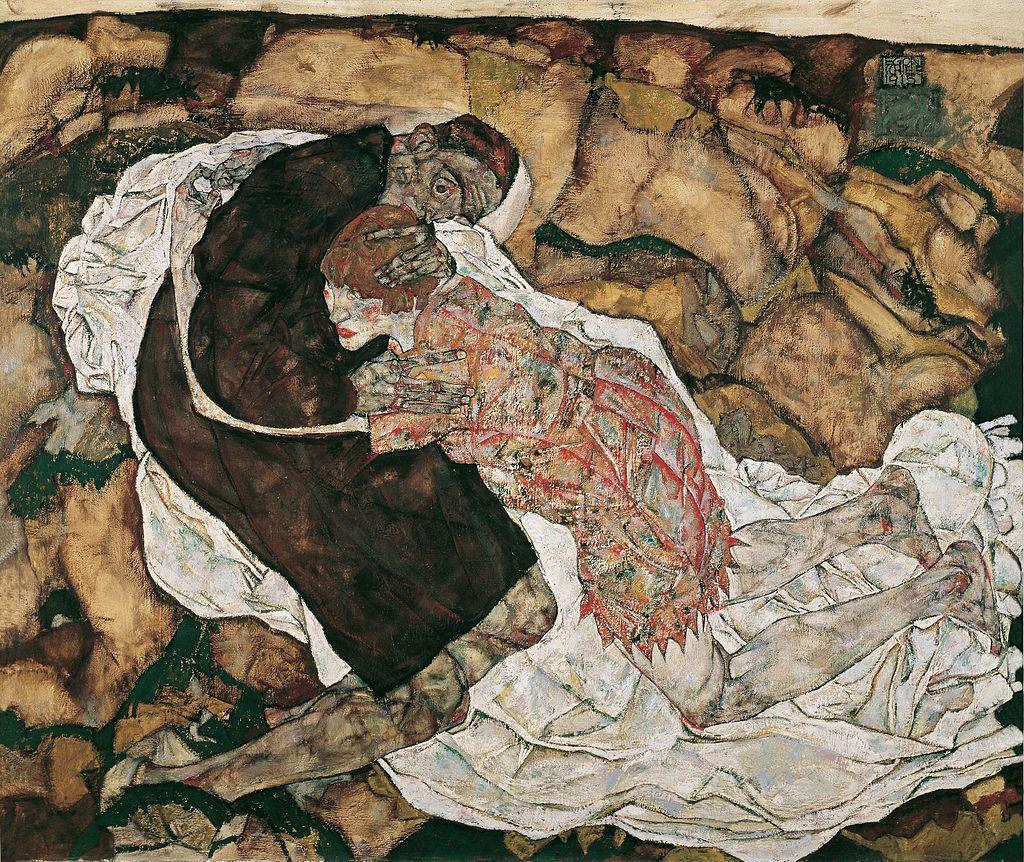
存在を定義つけるものは、頭の中だけなのか。それとも「世間」か戸籍か、全ての理知的な哲学、神学を一蹴するものは何か、エロスとタナトスが抱擁した時である。エゴン・シーレの「死と乙女」にはエロスに生きようという衝動と安定的に生きたいというシーレの卑怯な人間性が死神に現れている。これも一つのシーレの「人間失格」だろう。遠目で見ていると、抱擁によって一蓮托生のようにも見えてしまう。けれども細部を見てみると、女はしっかりと死神を抱いているが、死神は女性の肩に手をかけている。この遠目では気づけない力加減は「人間失格」である。シーレの美は、宗教絵画のような美ではない。人間にとって神の光も目に見えないが、醜さも同等に隠すからである。人はどちらも見つけるとその存在に恍惚になる。だから神の光と人間模様は常に聖と俗を切り離せずに人々の芸術となってきた。

エゴン・シーレ「死と乙女」

シーレが十代をモデルにして逮捕され、教会との対立があった。私が十代の頃には自分自身がモデルになって好きに描けた。自画像は顔だけとは限らない。早くうまくなるには自分をモデルにすることだと教えてもらったので、私は自分の裸体を描き続けた。昔の人にとっての斬新さは現代において無意味になっていた。当時の自分にとって未経験なのは「愛」だけだった。中世の画家が人間の解剖をして人間を知ろうとしたことを、崇拝するような教えが多く、それが退屈で仕方なかった。文明と進化、それで私達は有難いと思うらしい。それは葉蔵の「空腹がわからない」というのと当時は重ねていた。若い頃に読む文学というのは体験と経験が足りているわけでもないので、想像によって、もしくは脳が錯覚して類似点で認識していく。それが他人から見れば、「全く違う」と言われることになっても、そうやって物事を認知していく他なかった。何故当たり前の「空腹」で人は言葉にするのか?というのと、当たり前に裸体ぐらい見れるのに、エロスをがキリスト教から離れたことについて斬新なアイディアのように現代美術は言うのか、それをよく重ねていた。いつしか、裸体、骨格を私の指先は覚えたようで、様々な想像上の人物を描いた。成人ヌードはいつでも手に入る。風俗に行けば、女でも陰部を簡単に見せてくれる。絵を描き始めたきっかけは、子供のころに色彩感覚が褒められたからだった。他の理由は忘我したように時間が過ぎて、自分の指で何かを成し遂げる、自分の小世界を作ることは楽しかった。ただ起きて、似たような毎日を過ごす中で、哲学的なことや、神を考えること、それを「表現」することによって何処かで世界の真理と繋がることがあるのか、それを夢見ながら書き続けた。プラトンの「イデア」のようにいつも何かを見つけられることを探していた。それは美しいものなのか、結局のところ探したいのは「自分」でもあった。否、今の自分を認められない自分が、新たな自分を作ろうとしていた、それが一番強いのだろう。しかし幼いというのは過去に何かあるのか、というほど過去が揃っていない。過去の温存がまだ中途半端だからだ。だから、未来への自分、新しい自分を作れることを期待する。それが私の若さだった。作品賞の批評で大人がバカにしたように「自分探しの作品は稚拙そのものだ」とよく言っていた。恐らく何点もの作品に見せられる「自我への問い」に飽き飽きしていたのだろう。そういう人は太宰治も決まって嫌い、太宰の批判をする。太宰は絵描きではなかったが、こういう場でも例として出てきてしまう。しかも悪い例として出てきてしまう、それほどの存在だということは凄いことかもしれない。

けれどもそういう人に限ってエゴン・シーレは褒める。教会との対立が日本人にとっては自我を貫いているように見えるようで、尊敬しているそうだ。話を聞きながら似てるようなものなのに、と私は心の中で笑った。私はこの当時、「人間失格」の内容の趣旨は分からなかったが、睡眠薬のカルモチンと下剤のヘノモチンを間違えて笑う心境を独自に重ねていた。きっとこの人は二人ともよく知らなくて、大恥をかくことも知らずに取り違えているのだと。私はこの時はこれが「喜劇名詞」なのかどうかまで分からなかった。喜劇とは滑稽な人間の様を笑う、本来は人間の哀しみである。この語りは所謂、私の思い出話で経験が違う人は「それは違う」という人も出てきたとしても、突き切る感情があること、自分の経験を書き尽くすこと、それが創造性にとって重要だということは確かだろう。カルモチンーヘノモチン、真面目な人はカタカナを読み間違えるほど主人公の病気が悪化したと思う。少し感性的に答えるのなら、下剤は食べたものの結末を速めるだけだと答える。結果としてくることを安易に早めてしまうことは良いこととは限らない。それは、冒頭の空腹というものが分からないという話とつなげることが出来る。食と下剤、肉体としては「空腹」状態である。身体はそうなったが、主人公は時間の無常に目を向けている。どうせ訪れる運命を速めることがどんな苦しみを持つのか、例えば「死期」もそうだ。舞台を司る神は、それすらも計画だとする。一切過ぎていく月日の出来事が、作者が経験を何度も噛み砕いて虚構となって、後に外せない必要な柱の一本になってしまったのはいつなのか?

それこそ舞台芸術の問いになりそうだが、彼には津島修二という本名があるが、その本名としての人格が殆ど残っていない。妻ですらも主人を「太宰」という名前で回想録に残していた。

私のように信仰がある者にとっては、虚構世界の中は守られていると思う。太宰である津島修二は家族や妻にとって、そしてイエス・キリストを裏切っている。彼が書いた「駆け込み訴え」のように、イエスを愛しながら裏切っていた。但し、彼等の行いは洗礼を受けてはいないので裏切っているとまで言えるかどうか定かではないが、殺人に近いので戒律は既に犯している。しかし太宰の分身、葉蔵は永遠に咎められることがない。「芸術家とは孤独」とは、アマチュア芸術家にとって甘美な言葉で、破天荒な行いで孤独になる、孤高な存在で孤独になると思い込んでいたようだが、ここで私の裸体の話に繋がる。本当の孤独とは神を裏切ることである。それでも書かなければならないという衝動が、悪魔的なのか啓示なのか不明なことが痛みである。

本来の教会法に基づいた「赦し」であるのなら、信徒は「罪の告白」によって孤立を防ぐ。けれども、虚構世界と繋がってしまった罪は「罪の告白」をすることが出来ない。許されてしまった後、どんな作品になってしまうのか怖いからだ。今にも罪を打ち明けたいと思っていたとしても、この混乱が、葛藤が執筆を勧めるのなら、神父には語れない。文学には「毒」が必要だからである。役者にも、役に入らず台詞だけで仕事をこなせる役者と、役に感情移入して成り済まして演じる役者もいる。太宰は、一番精神を混乱しかねない後者だったように思う。文学としての評価はこの作品の場合は、葉蔵は作者「太宰治」の人生の入り口を開けてしまっている。だから、他の作家の作品は作品と作者を切り離すことに成功できても、彼の場合は出来ないのである。

作中にあったように、そして彼等の人生を通してあるように、幾ら聖書を読んで感動したところで、イエスキリストと無関係で私達は生きていると思うほど、日本の生活はキリスト教とは離れている。妄信以外は皆、同じ体感だろう。それは「愛」のみでしか考えないからだ。愛に痛みが伴うこと、信徒の義務として「贖罪」と「許し」がある。これらを通して私達はイエスと繋がっていく。贖罪と許しから逃げ続けた恋慕、この業という業を自覚し、ここまで鮮明に残せたことは私は評価している。だから、私は太宰治の本は本棚に残している。キリスト教徒としてそれは自分は清廉潔白だと区別していまうこと、これが一番の妄信だと思うからだ。

 言葉で多様性は表現出来ない。それなのに理解されるか不確かな感情を書くことは報われないことが多い。大半は人の共通認識に合わせて言葉を選ばなければならない。彼等のように刹那に生きること、彼は世間の道化であり、彼の隠れなかった闇は人の精神に触れてくる。彼の作品の言葉は単純な愛の言葉のようで、芯が無いように見られるが、その単純な言葉を熱を込めて言ってくれること、ロマンは生きる上で重要な力になることを惜しみなく書いている。

「人間、失格」

もはや、自分は、完全に、人間で無くなりました。

この剪定されて落ちた枝のような言葉を私は何度も繰り返し読んだ。年齢ごとや気分によって感想は変わっていたが、「世間」から切り離された枝、その哀しみにイエスはいる。神は農夫でイエスは葡萄の木という話がある。(ヨハネの福音書15章)剪定とは、要らない存在を斬ることではなく、幹であるイエスも悲しんでいるという意味であり、「命の繋がり」を表している。剪定した後の木は樹液を出す。それをイエスの涙と例えられる。

剪定された枝の一つのように、時が過ぎ去るのを傍観する。それがこの作中の主人公であり、文学者の肉声だろう。私はこの孤立が遠い存在のように思えなかった。長らく私はキリスト教圏の文学は神と共に残っているが、日本文学は死と一緒に残すものだと信じていた。それほど過去の日本文豪はタナトスが多い。肉体の死と他に、精神の瀕死が存在すると昔から疑わなかったのと、それを何故か捨てたいとは思わなかった。この死の美学が分からない国の人になりたくない、とすら思っていた。タナトスとは幸福や不幸とまた別の美学であって、それによって生きたいのである。時々、取り込まれながら、抜け出しながら、再起を賭けたり絶望したりを繰り返して、「生」を感じていたいのである。

剪定された枝は無抵抗で無常を見つめること、「人間失格」は「世間」というものについて、嘘は書かなかった。彼の言葉には偽善がないのである。学生時代に鎌倉の海で死なせてしまった心中相手の女性について書き続けた彼は、何度も自分の罪とは向き合っていたように思う。一人の自殺未遂と、愛した人を巻き込んだ自殺はまた違う。

 法律では償えなった罪、大半の人間は罪の自覚の仕方すら知らないように思う。太宰もまたそのように苦しんでいたように感じ取れる。一生、償えない苦しみを自覚したら背負うことは恐ろしいだろう。イエスを裏切ったユダが自殺をしたのを思い出してほしい。イエスキリストが十字架を背負った事が如何に重要だったのかが分かる。

 人の不完全さを見つめる力がなければ宗教も文学も成り立たないのは同じである。自覚によってイエスと繋がることは「贖罪」と「赦し」であるが、常に意識していないところに神がいるのも真意である。太宰と女性の与えられた生涯に、自死という選択があったことに、神も泣いているということを忘れてはならない。この世界、神(愛)が泣かないとするのなら、第三者の死を愛をもって誰が泣くのだろうか。

太宰治の「人間失格」は特に読みながら自分を見てしまう。太宰作品でなくても話を読むというのは、皆、自分を見つめている。大半の読者は自分の死生観、恋愛観を見てしまうので、容易に葉蔵に辿り着かない。下人に悪戯された、妻が不倫された等を直接的に書いていないがために短編でありながらミスリードが多い作品だと思う。

 最後の葉蔵が「廃人」になったことについて、それは目に見えないものを追いかけた者の末路なのかもしれない。聖なる自分と、罪深い自分は常に共存する。罪深さが深い森へと案内とし、クザーヌス神学のように神が映る木を探す。そのために全てを捨て去るというのは、言葉だけではどうにもならない。私は道徳的に立派だった小説家を傍に置かない。私が選ぶのは「世間」から剪定された枝のような存在ばかりだ。特に最近はそうしている傍に置く。聖書と弱いもの、その相対性を持つことはキリスト者にとって、それは「手鏡」ではないだろうか。

愛や死に抱く想いは、上昇と下降を繰り返す。単純な言い回しの裏で、あの頃よりも音と思惑が深く響きながら何処かへ届くように、希っている。

(この記事は2021年の加筆版です)

再起:悪い状態から立ち直ること

ヨハネの福音書15章(1~12)

わたしはまことのぶどうの木、わたしの父は農夫である。
 わたしにつながっている枝で実を結ばないものは、父がすべてこれをとりのぞき、実を結ぶものは、もっと豊かに実らせるために、手入れしてこれをきれいになさるのである。
あなたがたは、わたしが語った言葉によって既にきよくされている。 わたしにつながっていなさい。そうすれば、わたしはあなたがたとつながっていよう。枝がぶどうの木につながっていなければ、自分だけでは実を結ぶことができないように、あなたがたもわたしにつながっていなければ実を結ぶことができない。 わたしはぶどうの木、あなたがたはその枝である。もし人がわたしにつながっており、またわたしがその人とつながっておれば、その人は実を豊かに結ぶようになる。わたしから離れては、あなたがたは何一つできないからである。 人がわたしにつながっていないならば、枝のように外に投げすてられて枯れる。人々はそれをかき集め、火に投げ入れて、焼いてしまうのである。 あなたがたがわたしにつながっており、わたしの言葉があなたがたにとどまっているならば、なんでも望むものを求めるがよい。そうすれば、与えられるであろう。 あなたがたが実を豊かに結び、そしてわたしの弟子となるならば、それによって、わたしの父は栄光をお受けになるであろう。 父がわたしを愛されたように、わたしもあなたがたを愛したのである。わたしの愛のうちにいなさい。 もしわたしのいましめを守るならば、あなたがたはわたしの愛のうちにおるのである。それはわたしがわたしの父のいましめを守ったので、その愛のうちにおるのと同じである。 わたしがこれらのことを話したのは、わたしの喜びがあなたがたのうちにも宿るため、また、あなたがたの喜びが満ちあふれるためである。わたしのいましめは、これである。わたしがあなたがたを愛したように、あなたがたも互に愛し合いなさい。

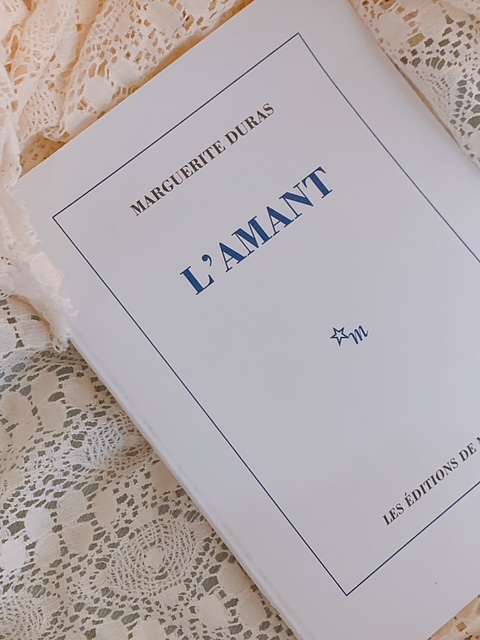
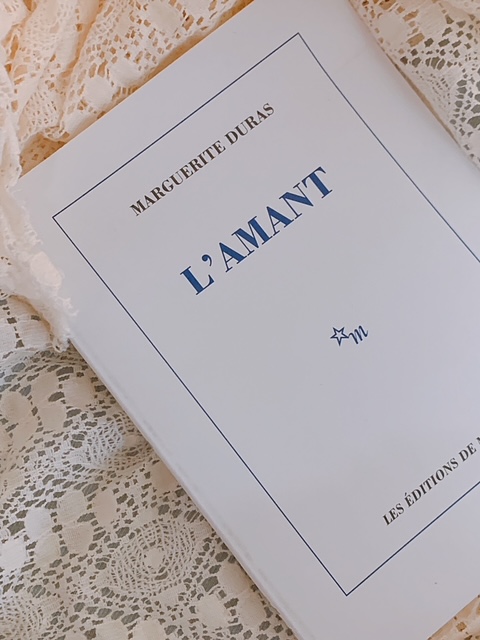
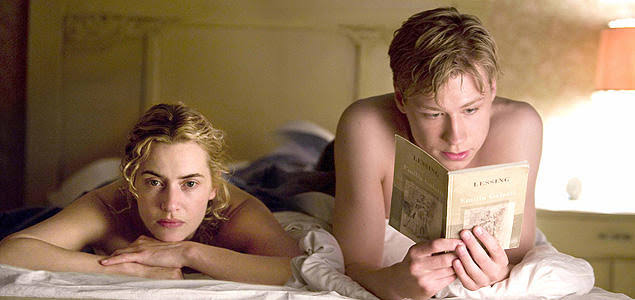
Remembering L’ Amant(English.ver)

je suis la préférée de sa vie


I am his favourite part of life

L'histoire de ma vie n'existe pas. Ça n'existe pas. IL n'y a jamais de centre.


My life story doesn't exist, there is no such thing. There is no core to create a story.

(L’amant:Marguerite Duras)

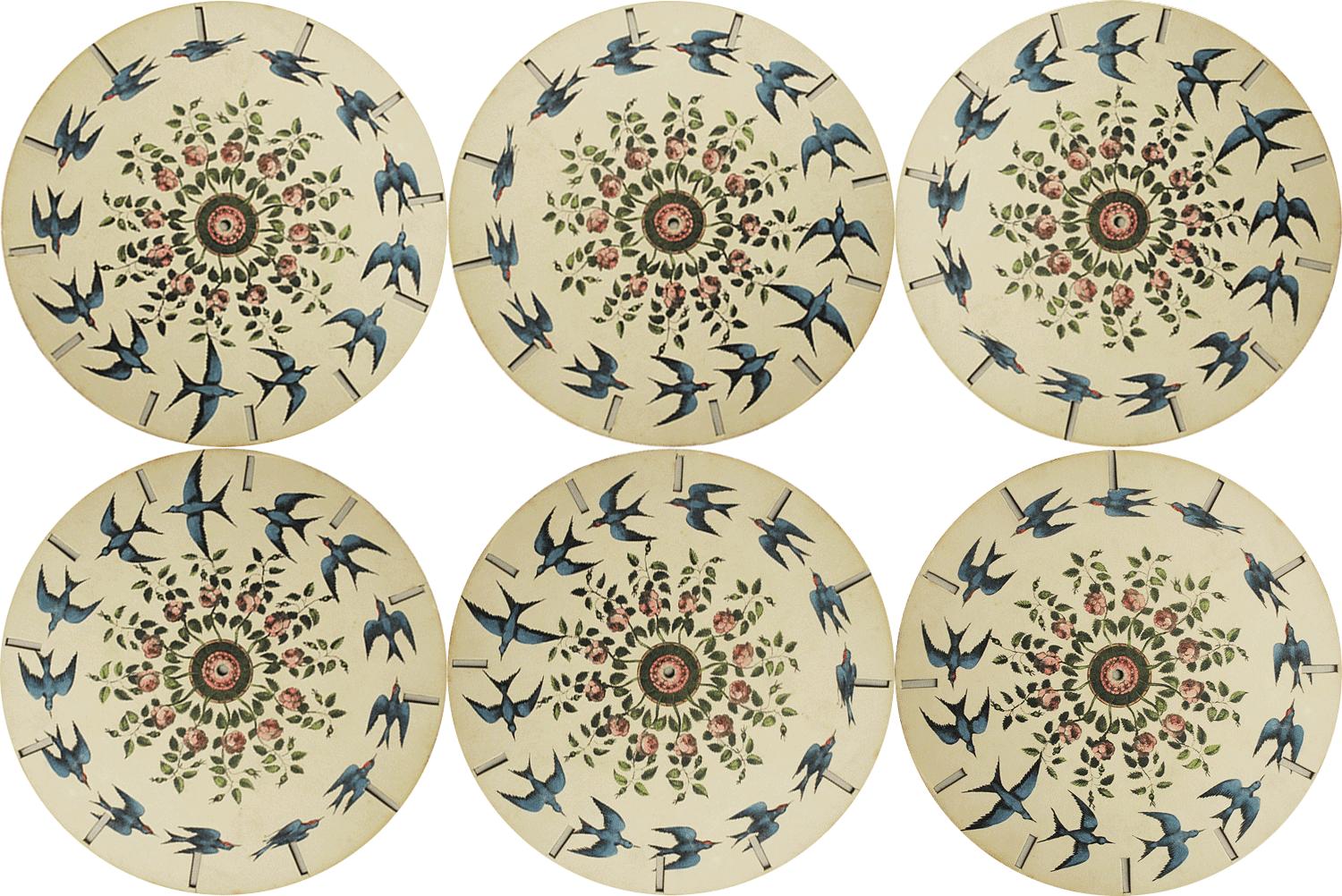
Zoetrope

We became beautiful even the things we fought about when the storm passed. Love erases what was bothersome through the purification of memory. The cruel parts and the painful things evaporate. Perhaps if one could go looking for a ‘shape’ (a pebble) lying on the banks of the river of oblivion, it would be one of the many stones that have been uniformly arranged. In those days, even if you thought of it as a special gem, it would have rolled away without being polished. Because it was too much work to pick him up, it was the end, As long as it was too much work to go looking for him, it was the end.

My boyfriend of a few years asked me what my first love was like, and I spoke in a haze, my semi-questioning narrative tone mixing with my English. I would call out ‘maybe’ as if it were not my own experience. This usage would inherently be a strange sensation in English-speaking countries. Maybe it’s my memory, maybe it’s strange. Nevertheless, it is ‘Maybe’ when it comes to my memory.

This ‘L’ Amant’ by Duras is probably a memory of his first love. The protagonist has not recognised love in the work for a long time. In my experience, men often remember their first love stories.

He remembers his first lover vividly. It was as if that woman would come to the surface and stand just by listening to him. I can even see the two of them kissing in hiding in an unmanaged cinema in a foreign country. The words he spoke were like a simple picture of a zoetrope, an easy to understand scene, but his memories were in constant motion, as if they were untainted.

I reflected back on his clean afterimage on the metro train on the way home. His narrative of ‘she’ seemed to love him all the time. The date they made love, which never came back, but the way he narrated it was love. Perhaps it was not jealousy of the other woman, but jealousy of the way he remembered her and her kindness. Because I could not remember in that way. It was at this point that I thought back to Marguerite Duras’s Mistress – Laman. I felt defeated that she remembered her first love with an overseas Chinese, which must have been her talent as a writer. I was not sure about my first partner, because I didn’t remember mine very well. My undifferentiated adolescent thoughts were deeply rooted, probably because it was a painful experience. The only way for my wretched self to remain rational was through contemplation, including philosophy. When the surprises from him were gone, all I could hope for was my own inspiration. *Pure ego was a difficult thing. Once I lost the way I related and functioned and positioned myself as someone I was not supposed to love, I would not allow myself to have loved. The past always pulled my choices. So I keep forgetting for the sake of the new man. I found that if I mixed alcohol with stabilisers, the memories of yesterday would fly away like in a drama or a film. Even the notes I wrote down because I missed him are forgotten in the morning. I remembered that and I kept forgetting as a break. Yet, the only thing that accompanies me and grows with me is the ego. How I spoke of love, even though I was lonely, was also affected by my growth. The words of love remain, but the feelings of that time are gone from me. I no longer rejoice and love as I did on past anniversaries. I revise those poor words, as if I were reading someone else’s novel, and transcribe them as if I were loving the ‘time’. This has become my style of writing, which is regarded as calm.

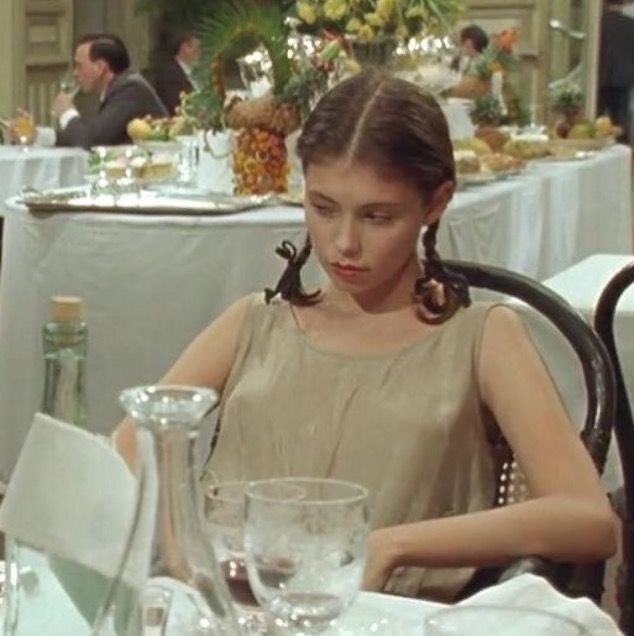
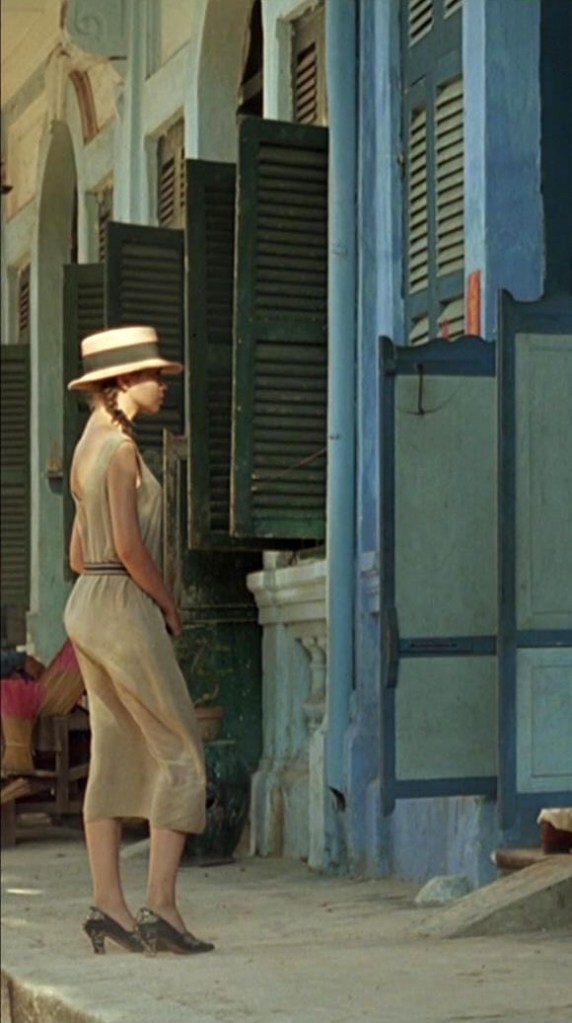
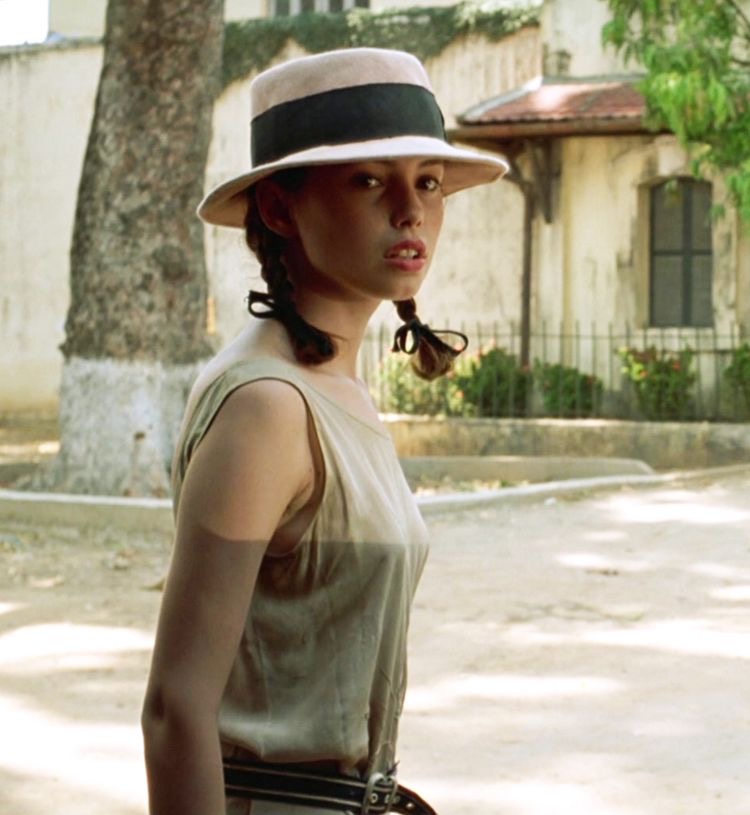
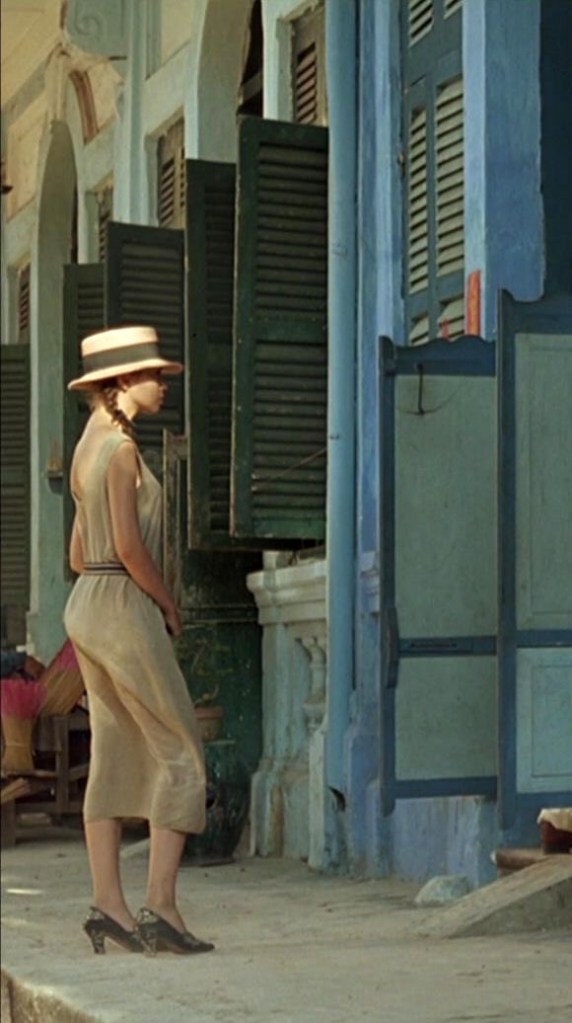
Returning to L’ Amant, the characters in the work have no names. The film creates a moment in human history when names cannot be left in history. The family of a girl who has been deceived and impoverished lives in Indochina, a French territory. There, the girl spends an affair with an older overseas Chinese man she meets. The man was contractually married to another woman, but he tells the girl he loves her. However, the girl tells him that it was for money. After the wedding, the girl waits at the ‘usual place’ for him to come back, but he never arrives. The girl, who can return home thanks to his ‘support money’, notices that his car is parked. She puts her elbows on the handrail, just as she did when they met.

The scene on the boat, where the girl realises she loved him, has entered the minds of many readers.

The realisation that ‘I am no longer sure that I did not love him’ and the death of the younger brother, whom the girl loved, overshadowed the realisation. Chopin’s Waltz No. 10 in B minor, OP 69-2, which echoed on the vessel, was the piece that led the girl to give up the piano, but it must have finally completed in her mind. The inability of the fingers to keep up with the score as she faced it signaled the end of her as a performer. Yet in the written world she completed Chopin’s music. She succeeded in making the reader listen. She used the novel to make Chopin heard. Such a player has never existed.

The word image, which appears frequently in the work, Duras described all the glances and memories of her girlhood as images. In French, image can also mean reproduction or replica. The girl in the work is also a likeness of herself. In the film, the scene in which the girl’s feet are placed on the vessel railings is made to look impressive.

Regardless of human sentimentality and the search for love, the Mekong River flows unchanged, passing trade and people. Water has no ego, no desire, and while it lives, it invites death. The Mekong River has always existed, but it carries so many people that the water flow does not remember. Where does the ‘moment’ go, where does it go through the ego? Where does lust go when it stirs so many hearts? Where do touches and expectations go? Memory does not contract eternity, it forgets as it grows old. Recollection, that ship of remembrance, seldom departs. It is easy to write about yesterday’s lost love. But it lacks the ingredient of ‘time’ to say that it was love. Only the story of wanting to believe it was love is made up. It is only when you really try to make it a ‘work of art’ for love that you realise the meaning of that sailing. Who decides on that sailing? I realise that it is divine.

The vessel can be traced back to whether it was true if there was a record of that sailing, but nothing can remember whether the girl was in love or not. The girl puts her elbow (or foot, in the film) on the fence of the vessel. The essence of the imago had no foothold, but the vessel was the only evidence of contact with the entity. Why did Duras write about her memories of her teenage years, month after month? Speculation and the reader’s curiosity became the wind that ruffled the girl’s hair and, safely, she succeeded in preserving her first love. Like the success of a long cruise. The first divine revelation for the girl was on the vessel . The first time after she left the overseas Chinese, until she realised it was a gift from God. It is impossible to see the wake waves she noticed in the darkness. The pattern of the water surface under the vessel is left to the imagination. She can only wait for the next divine revelation to see how difficult it is to try to write that pattern.

Regardless of human sentimentality and the search for love, the Mekong River flows unchanged, passing trade and people. Water has no ego, no desire, and while it lives, it invites death. The Mekong River has always existed, but it carries so many people that the water flow does not remember. Where does the ‘moment’ go, where does it go through the ego? Where does lust go when it stirs so many hearts? Where do touches and expectations go? Memory does not contract eternity, it forgets as it grows old. Recollection, that ship of remembrance, seldom departs. It is easy to write about yesterday’s lost love. But it lacks the ingredient of ‘time’ to say that it was love. Only the story of wanting to believe it was love is made up. It is only when you really try to make it a ‘work of art’ for love that you realise the meaning of that sailing. Just who decides on that sailing? I realise that it is divine.

The vessel can be traced back to whether it was true if there was a record of that sailing, but nothing can remember whether the girl was in love or not. The girl puts her elbow (or foot, in the film) on the fence of the vessel. The essence of the imago had no foothold, but the vessel was the only evidence of contact with the entity. Why did Duras write about her memories of her teenage years, month after month? Speculation and the reader’s curiosity became the wind that ruffled the girl’s hair and, safely, she succeeded in preserving her first love. Like the success of a long cruise. The first divine revelation for the girl was on the boat. The first time after she left the overseas Chinese, until she realised it was a gift from God. There was no way she could see the wake waves she noticed in the darkness. The pattern of the water surface under the vessel is left to the imagination. She can only wait for the next divine revelation to see how difficult it is to try to write that pattern.

I know that a secret relationship, like a shady relationship, is a disconnected world between the two of us. I know too that we don’t introduce it to our friends and we don’t talk about it with our families. The advantage lies in not showing the ugly side. The ones with a time limit, such as an overseas Chinese who has to return to proper upbringing for a girl, who will marry someone else in the future, don’t show the ugly part. Even though it is only destined to be the dinner in which it is convenient, human greed wants to cross the borders it protects. The man decides to live with her, but the girl refuses. The fact that the girl not understand the ending was the place where she would come to the usual meeting after the man’s marriage. She thought he would come to embrace her again. Understanding the significance of that not coming, love is objectified, and the author writes while acting out her girlhood.

The happy memories modulate into a transposed and melancholy narrative when the relationship ends.

As she said, ‘I am eighteen and old.’

But that is not enough to write about love. Cruelly, when you write about love between people, you have to love the past again. Worst of all, you have to love him in the past again. You have to love him in the past again, even if he belongs to someone else and has forgotten you. It can be a cruel thing to love a time that will never return. This seems a cruel task, but the writer may embrace this cruelty. Because it is a divine revelation.

Last

Sad narratives carry more expectations than words. The heart is not confined to the frame of words, but the heart is an image and a dream. The memories of the past seem to dream that the story is only sad now, but that one day it can be told that it was ‘love’.

Even if it is a sad story, the past becomes love in the hands of the writer. Lost love waits with the brightest of loneliness to be picked up as a precarious foothold. Always waiting for the other side to not fail to pick it up, too.

Even the things I didn’t want to talk about at that dinner, and even the very people I was with at that dinner, are waiting on the other side. For example, in my case, even the words of a prayer, but on the way to get there, there is an accumulation of things that I have drunkenly discarded. It is God who sees through that. Memories mean returning to the hiding place again and again, but in that hiding place, I see the light that shines into the bedroom, which has gone from passion to emptiness. If you have seen the light, it is a God-given revelation.

L’ Amant-Japanese

je suis la préférée de sa vie
私は彼の人生のお気に入り
L'histoire de ma vie n'existe pas. Ça n'existe pas. IL n'y a jamais de centre.
私の人生の物語というものは存在しない、そんなものは存在しない。物語を作るための中心なんてないのだ。
(L’amant:Marguerite Duras)

Saは所有形容詞 

ゾートロープ

 嵐が過ぎ去ると争ったことですら美しくなる。愛に関する事は記憶の純化によって煩わしかったことを消してしまう。残酷な部分も、辛かったことも蒸発してしまう。恐らく、忘却の河のほとりに「形」が転がっていることを探しに行くことが出来るとすれば、均一に整えられた多くの石の中の一つとなっているのだろう。当時は、特別に尖っては宝石のように思っていても、磨かれることもなく転がっていったものだ。拾いに行くことも億劫なほどにそれは終わったことを表している。

 数年前に付き合っていた人に、初恋を尋ねられたが、私は靄がかかりながらも半疑問形の語り口調が英語に混ざりながら話してしまった。それはまるで自分の経験じゃないかのように、「Maybe」を連呼する。この使い方は本来、英語圏では不思議な感覚だろう。自分の記憶なのにMaybe、それは変な話なのかもしれない。それでも私の記憶に関しては「Maybe」なのである。

デュラスのこの「愛人/ラマン」は初恋なのだろう。主人公は長らく作中では愛に気づいていない。私の経験上、男性はよく初恋の話を覚えていると思う。

彼は初めての恋人を鮮明に覚えていた。彼の話を聞くだけでその女性が表れて立ってくるようだった。二人が異国の管理が行き届いていない映画館で隠れてキスをしたのまで見えてくる。彼の語る言葉はゾートロープの単純な絵のような、分かりやすい情景だったが彼の思い出は汚れを知らないように一定に動いている。

「良い思い出ですね」と返すと、「クリスの思い出も良い思い出だった?」という彼の言葉に、

昔のことを何度も聞かれることに対して「Is it such a big deal?(それはそんなに重要なこと?)」と言ったときに、フォークの落下音が皿に響いた。

帰りの地下鉄列車の中で彼の綺麗に残っている残像映像を思い返していた。彼の語る「彼女」は彼をずっと愛しているようだった。彼等が愛し合った日付、それは二度と戻ってこないが、その語り口が愛だった。それは自分の胸を焦がしていく。相手の女性へではなく彼の記憶の仕方に嫉妬したのかもしれない。彼の「その優しさに」。私はそのように記憶が出来なかったからだ。この時に、マルグリット・デュラスの「愛人‐ラマン」を思い返した。彼女が華僑の人との初恋を覚えていた事を、それは作家としての才能なのだろうと敗北感があった。初めての相手なんてものは、私もよく覚えていない。相手よりも未分化だった思春期の思惟が根深くなっただけだった。きっとそれが辛い思い出で、自分を惨めにしたのだろう。惨めな自分が理性を保てる方法は、哲学を含めた観想しかない。彼からのサプライズがなくなれば、頼ることは自分の閃きのみになる。*純粋自我なんてものは難しいことだった。関係の仕方、機能の仕方を失い、「愛してはいけない人」と位置づけが決まってしまったら、愛していたということも自分の中で許さなくなってくる。いつも過去が私の選択を引っ張った。だから、新しい男のために忘れ続ける。安定剤に酒を混ぜて飲めば、ドラマのように昨日の記憶が飛ぶことを十代で覚えた。返事がこなくても、孤独な夜が訪れようとも、書き残したことも、相手に送ることなく下書きへと回して、薬とアルコールがあれば明日には忘れてしまう。機種変更でもすれば、その記録は跡形もなく消えてしまう。何台もあの頃は携帯電話を破棄に出せた。手書きでは残るので当時は残さなかった。それでも、自分と連れ添って一緒に成長してくれるのは、「自我」のみ。だから私はその時の内面世界は覚えているが、相手への感情は思い出せない。自己形成だけは私から離れることはなかった。孤独でありながらも愛をどのように語るかも私の成長に罹っていた。愛の言葉は残るが、その時の感情は私から消えている。もう過去の日付けのように喜ぶことも、愛することもない。私は他人の小説を読むように、その拙い言葉を修正し、「時」を愛しているように書き起こす。それが冷静だと評価される私の文体となった。

映画「愛人(ラマン)」より

 「ラマン」の話に戻ると作品の登場人物は名前が無い。名前を歴史に残せない人間の刹那を描いているようだった。騙されて貧困層になった少女の家族は仏領土のインドシナに住んでいた。そこで出会った年上の華僑の男性と少女は情事を過ごす。男は他の女と契約結婚が決まっていたが、男は少女に愛していると言う。しかし、少女は「お金のためだった」と彼に言う。挙式後、彼がまた来てくれると少女は「いつもの場所」で待つが彼は来なかった。彼の「支援金」のお陰で故郷に帰れる少女は、彼の車が停まっていることに気づく。出会った時と同じように彼女は手摺りに肱をつく。

少女が華僑の男を愛していたと気づいた船の上のシーンは多くの読者の心に入り込んだ。

「愛していなかったという確信がなくなった」という自覚と、少女が愛していた下の兄の死が覆いかぶさる。船で響いたショパンのワルツ第10番、ロ短調OP69‐2は少女がピアノを断念するきっかけになった曲だったが、漸く彼女の中で完走したのだろう。楽譜という完成された存在を目の当たりにしながら、指が追いつかないというものは演奏者としての終わりを知らせる。けれども、彼女は文章世界ではショパンの音楽を完成させた。読者に聞かせることに成功したのである。彼女は小説を使ってショパンを聞かせたのである。そのような奏者は嘗ていない。

作中に度々登場するimage(イマージュ)という言葉、デュラスは少女時代の視線や記憶をすべてimageと表した。フランス語では、イマージュとは再現、生き写しという意味もある。作品の少女は自身の似姿ということにもなる。これは少女というimageと、著者にとっての再現のimageが同時進行として話が進んでいくが、船の柵に足をかけるシーンを映画では印象的に作られる。

人間の感傷深さと愛の探り合いと関係無く、メコン河は貿易や人を渡しながら変わらず流れていく。水は自我が無く、欲求もなく、生命を営みながら、死を誘う。メコン河は常に存在しているが、多くの人を運んで水流は記憶しない。「瞬間」というものは何処へ行くのか、自我を通って何処へ行くのか。沢山心を搔き乱した欲情は何処へ行くのか。触れた事や、期待は何処へ行ってしまうのか。記憶は永遠を契約してはくれるものでもなく、老いていけば忘れてしまう。想起という、その船が出発することは滅多に無い。昨日の失恋を書くことは容易い。けれどもそれは愛だったと言えるのには「時間」という材料が足りていない。愛だと信じたいだけの作品が完成する。出航の意味を知るのは本当に愛のために「作品」にしようとした時なのだ。その出航を決めるのは誰なのか、それは神がかり的だと気づく。

船はその船便があったのか記録があれば事実だったかどうか辿ることが出来るが、少女が恋をしていたかどうかを覚えてくれているものはない。イマージュの本質は足場がないが、少女が船の柵に肱をつく(映画では足をかける)。唯一、船とは実体に触れた証拠だった。デュラスが十代の頃の思い出を何故、月日を経て書いたのか。憶測や読者の好奇心は少女の髪をなびかせる風となり、無事、彼女は初恋の温存に成功したのである。長い船旅の成功のように。少女にとって神の啓示の一回目は船の上だった。彼女にとって航跡波は暗闇の中で見えるはずがない。船の下の水面の模様は想像に委ねられる。その模様を書こうということが如何に難しいのか、次の神の啓示を待つしかない。

 隠れて付き合うというような日陰の関係というものは、二人だけの断絶された世界である。友人にも紹介せず、家族にも話さないことを私も知っている。利点は醜いところは見せないところにある。華僑の人が将来は別の人と結婚する、少女には適正な育成に戻さなければならない「いつまでも続くわけではない」そういう期限つきものは醜いものを見せずに済む。都合が良いところを味わうディナーのつもりでも、人の欲というものは守っている境界線を越えたがる。不味い不慣れな酒に手を伸ばすように、人は止められない。男は、彼女と暮らそうと決意するが、少女のほうが拒んだ。少女は終わりを理解していなかったというのは、男の結婚式の後にいつもの逢瀬の場所に来てしまうところにあった。彼が来てくれると、少女は待ってしまったのだ。その、来なかった意味を理解して、愛は客観視されながら、そして作者は少女時代の自分を演じながら書いていく。

楽しかった思い出は、関係が終わると転調し憂いた語りに変調する。

「十八歳で年老いた」と言った彼女のように。しかしそれだけでは愛は書けない。残酷なことに、人同士の愛を書くときは、もう一度過去を愛さなければならない。最悪は、また過去の彼を愛さなければならない。過去の彼は誰かのものになって、自分のことを忘れていても、過去の彼をまた愛さなければならない。二度と戻らない時間を、愛することは、残酷なことでもある。これは残酷な作業のようだが、作家はこの残酷を受け入れることがあるのかもしれない。それが神の啓示だから。

さいごに

 物悲しい語りは、言葉以上に期待を背負っている。言葉という枠に囚われず、心はイマージュとなって夢を見ている。今は悲しいだけの話だが、いつか「愛」だったと語れることを、過去の思い出は夢見ている。哀しい話であっても、過去は作家の手の中で愛になる。失った愛は不安定な足場となって拾ってくれることを、孤独を一番輝かせて待っている。持ち主が拾い損ねないことを常にあちら側も待ってる。

 あのディナーで語りたくなかった事でさえも、そしてあのディナーで一緒にいた人そのものも、あちら側で待っている。例えば私の場合は主の祈りの言葉であっても、そこまでに行きつく道のりに、酔って捨てたものも蓄積されている。それを見通すのが神である。思い出というのは何度も隠れ家に戻るが、情熱から虚無を吸った寝室に差し込む光を見ることになる。一人心の中で瞬く何か、それは啓示と言えるだろう。

*純粋自我 フッサール

Anniversary of one’s passing English.ver

ChrisKyogetu Acrylic painting(2004)incomplete
Do not grieve, do not mourn, Ananda. We have together taught. I have taught that all that is beloved and dear is a being that is parted and separated. How can we say, "O, don't tear it down," when it is born, exists, is formed, and is broken? It cannot be so. Thou hast done a good deed, O Ananda. You have done a fine deed. You will be pure in no time.

Today, the 17th of August, is the anniversary of the death of a friend. Sometimes I wonder if the soul of a friend misses this world, if he misses the world that we talked about as being boring together.

I sometimes talk to Buddhists, including him. “Do not grieve, do not mourn, Ananda. We have together taught”

We have preached this together.”

At that time, I tell them that I like the words of the Buddha.  Ananda was suffering from separation from love and Buddha was enlightened. This contrast is typical of Buddhism.

He was sitting alone with his macbook in his favorite cafe.

He didn’t tell me anything about his physical weakness.

He didn’t tell me anything about his health.

After his death, the songs he wrote were not accessible by password.

I joined Mixcloud for his songs, but his songs had disappeared.

I still get Mixcloud notifications that I haven’t unsubscribed from.

I get Facebook birthday notifications and his age keeps increasing.

I had been posting on his timeline every year on his birthday.

I had to recreate the old account myself and I couldn’t find him.

When I was told that he had passed away, I tried to find traces of him as if in a panic, and I felt impatient that I couldn’t do it while he was still alive. There was not much to report this year.

In the years since he died, there has been nothing to report.

 And even now I have nothing to tell him.

Because it was not the future he wanted.

We talked about the future of the world, of Japan, and I was pessimistic and he was hopeful.

The world was not what he had said it would be.

I wondered if his soul would still love this world.

I thought so.

 In faith, it is the dead who know the facts about the gods and Buddhas with whom they have talked.

In my letter to him I wrote “In a letter to him I wrote: “You have gone to the answer

More than the words of our prayers, more than the reach of our hearts and hands, the dead are always beyond the imagination of the living.

The dead are always beyond the imagination of the living. I remember him laughing and saying.

“I want a chance.”

I never thought that a few words could leave such a deep impression on me.

The everyday, always ordinary, can become a lifetime of scars and sayings in relation to others.

The cancer that had consumed him as a young man took him away as speedily as it could.

We still have a chance.

Anniversary of one’s passing

ChrisKyogetu Acrylic painting(2004)incomplete

悲しむなかれ、嘆くなかれ、アーナンダ。私は説いてきた。最愛で、いとしいすべてのものたちは、別れ離ればなれになり、別々になる存在だと。生まれては、存在し、形成され、壊れていくもの、それを「ああ、壊れるなかれ」ということがどうして得られようか。そのようなことはあり得ないのだ。(略)アーナンダよ、汝は善い行いをした。精進することに専修せよ。速やかに汚れのないものとなるだろう。

本日8月17日は或る友人の命日になる。時々思うのが、友の魂はこの世を恋しくなるものなのだろうか、共に退屈だと語り合ったこの世を恋しくなるのだろうか、そう思う。

彼も含めて私は仏教徒と話すことがある。「悲しむなかれ、嘆くなかれ、アーナンダ。共に説いてきたではないか」その時に、この仏滅の言葉が好きだと話す。アーナンダは愛別離苦に苦しみ、ブッダは悟っていた。この対比(コントラスト)は仏教らしさだろう。

いつもの行きつけのカフェでmacbookを広げて一人で座っていた彼、

身体が弱いということを一切、私には言わなかった。

彼は一切、身の上での辛いことを話さなかった。

彼の作った曲は、死後はパスワードで入れないそうだ。

Mixcloudは彼の曲のために入ったが、彼の曲は消えていた。

退会していないMixcloudの通知は今でも続いている。

Facebookの誕生日通知が来ていて、彼の

年齢だけが増えていた。

私は誕生日の度にタイムラインに毎年書き込みだけしていた。

私自身も旧アカウントと作り直すことになってしまって、彼が見つからない。

亡くなったと聞かされたときに、慌てるように彼の痕跡を探ろうとしたときに、生きている間にしてやれなかった事に焦りを覚えた。今年はそれほど報告出来るような事がなかった。

彼が亡くなってから何年経っても報告することが無かった。

 そして今も彼に伝えたいことがないのである。

何故なら彼が望んでいた未来じゃなかったからだ。

共に語り合った世界、日本の未来展望図は、私は悲観的で、彼には希望があった。

彼が言っていたような世の中にはならなかった。

それでも、彼の魂はこの世を愛してくれるのだろうか、

そう思った。

 信仰の上で、語り合った神や仏の事実を知っているのは死者である。

彼への手紙で私はこう書いた。「あなたは答えのところに行ってしまった」

私達の祈りの言葉よりも心も手も届かない場所、死者は必ず生きている人の

想像を超えてくる。

彼が笑って話したことを思い出す。

「お願い、チャンスが欲しいよ」

聞き流したこの言葉が、このように深く心に残るとは思わなかった。

常に平凡な日常は、一生の傷や格言に成り得る。

若い彼を蝕んだ癌は、あっという間に彼を連れ去っていった。

「私達にチャンスは残っている」

*ご遺族のプライバシー等も考慮して詳細は伏せました。

Assumption of Mary English.Ver

"Was the author of the Book of Revelation really not under the influence, so to speak, of a being who was in conflict with Jesus Christ? of the 'Schatten', as it is called in psychology" C. G. Jung, "The Aion".

A great sign appeared in heaven: a woman clothed with the sun, with the moon under her feet and a crown of twelve stars on her head.  She was pregnant and cried out in pain as she was about to give birth.  Then another sign appeared in heaven: an enormous red dragon with seven heads and ten horns and seven crowns on its heads.  Its tail swept a third of the stars out of the sky and flung them to the earth. The dragon stood in front of the woman who was about to give birth, so that it might devour her child the moment he was born. 5She gave birth to a son, a male child, who “will rule all the nations with an iron scepter.”And her child was snatched up to God and to his throne.  The woman fled into the wilderness to a place prepared for her by God, where she might be taken care of for 1,260 days.

 Then war broke out in heaven. Michael and his angels fought against the dragon, and the dragon and his angels fought back.  But he was not strong enough, and they lost their place in heaven.  The great dragon was hurled down—that ancient serpent called the devil, or Satan, who leads the whole world astray. He was hurled to the earth, and his angels with him.

 Then I heard a loud voice in heaven say:

“Now have come the salvation and the power

    and the kingdom of our God,

    and the authority of his Messiah.

For the accuser of our brothers and sisters,

    who accuses them before our God day and night,

    has been hurled down……

Revelation:12

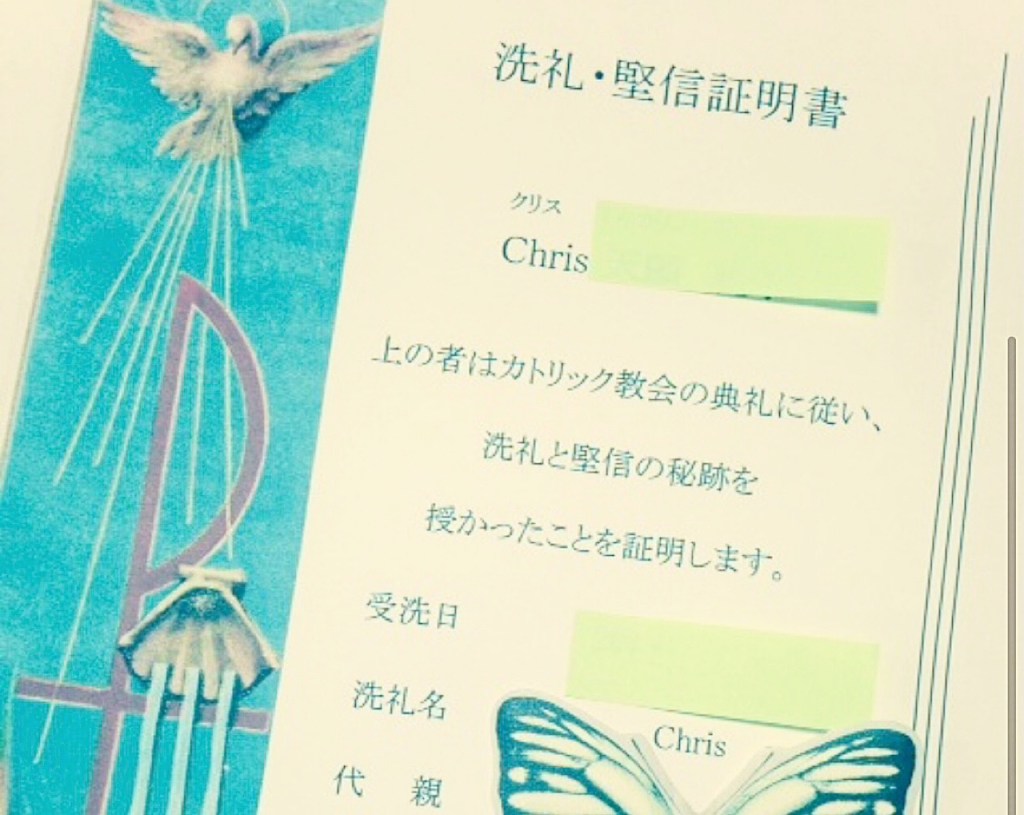
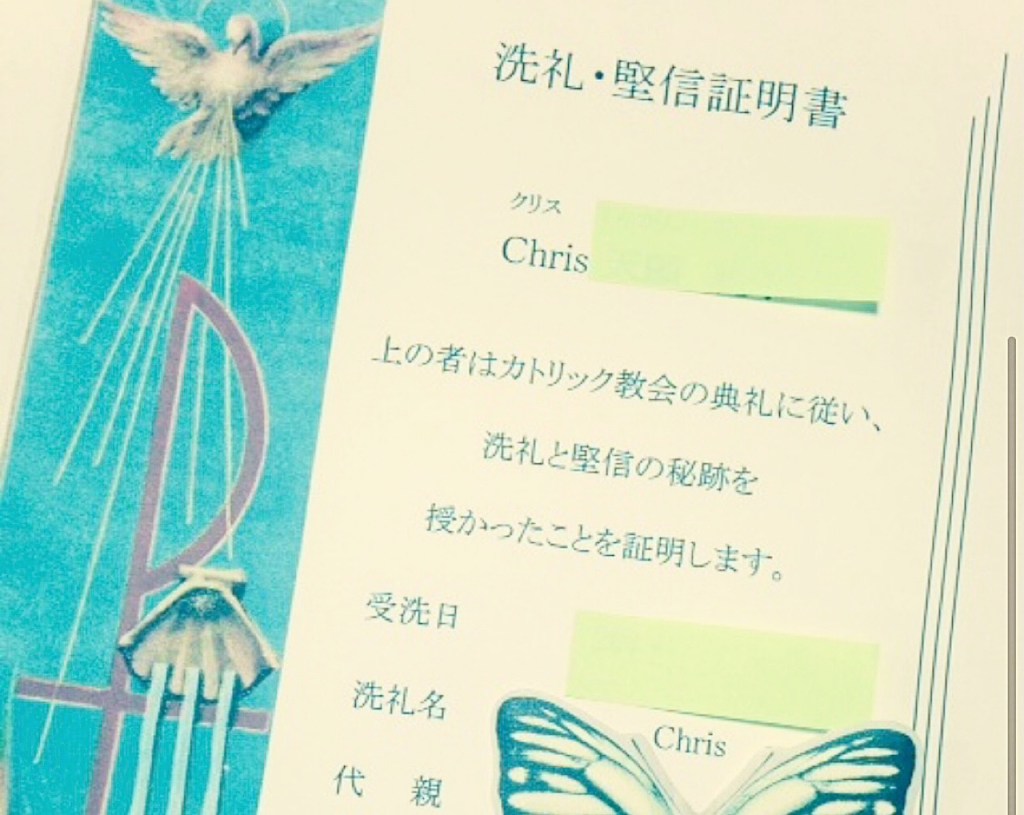
On August 15, 2014, Assumption of the Blessed Virgin,I was baptized as a Catholic. Most people are baptized in the spring at Easter, but this was the only year that the baptismal service was also held in the summer. I had planned to attend a baptismal course with my fiancé at the time, but I went to the church he had chosen in June, just to see what it was like. While I was taking baptism alone, I had to attend a year-long study group, but the priest in charge at the time said he could fit me into the baptismal service in August. I asked my fiancé to let me in without asking for confirmation. At that time I didn’t know if it was an invitation from God or a betrayal, but I didn’t know that my relationship with him would deteriorate.

He intended to continue to love the Bible without being baptized, But I was convinced that he would come later, and I found myself with a bunch of lilies on August 15.

When the Bible reading began, “The temple of God in heaven was opened, and the …… woman was pregnant, but because of the pain and suffering of giving birth to a child, the …… dragon wanted to give birth to a child,” I turned my head and began to I had the chills when the reading started. is Revelation 12, the maiden, and the dragon. The dragon is said to be a heretical being and the woman is the Virgin Mary. This world of Revelation is the end of humanity and is depicted in cryptic prose and lyricism. In this chapter alone, This prefigures the dream of Joseph in Genesis 37, and the Bible itself writes about the beginning and end of the world.

The reason why I was so moved by the story is that the maiden and the dragon is a Jungian archetype, which I also dealt with in my work “Pagaea Doll”, in which I compared it to the dragon legends of East and West. Like the protagonist “Shoko”, I have been pursuing the “virginity of the imagination” since I was a child. As in the story of Borges, one can imagine and still resemble someone else. Without sympathy and admiration, the imagination is wounded, flattered, thirsty and lonely, aging and dying.

When I was painting in my teenage years, I sometimes thought that when I was free to create, I couldn’t find what I wanted to paint because I couldn’t find what I wanted to paint. The world I wanted to paint depends on my capacity to describe it, and I couldn’t even approach it. What I found out, what I might have known if I had studied philosophy, Hadd was already a pioneer in philosophers. It’s always changing my mind, searching for new discoveries. The time when the eye blinks, or the time to fall asleep, the opportunity is unpredictable and even the notebook is not ready. Without any time to think, drawing assignments arrive, study assignments arrive, and I waste my time on dreams.

 When I finally said that I wanted to make a religious painting, the adults did not agree with me, and I set off on a journey to concretize myself, without financial means.

Jung’s “archetypes” are even deeper than Freud’s unconscious: C.G. Jung remarked that Jesus and Mary do not appear directly in dreams as much as church people do. The Sun is Jesus, the Lilies are Mary, and they exist as symbols in the field of collective unconsciousness. Freud did not deny this statement from his own, but said he was having problems with it.I would later learn that Freud was right. Jung’s work is laborious for a man as exhausted as his patient. Myth and faith may have been a fading influence of 19th century science, but even if Jung’s theory was correct, it was probably obvious that neither theology nor religion, or more specifically myth and fable, would become stronger in the 20th and 21st centuries, and that the masses would no longer understand them. That is why the “archetypes” are so isolated from their patients.

I was in primary school when I wrote the story of the dragon. I already had an idea for the story of Shoko’s childhood in “PangaeaDoll”. I knew the book of Revelation chapter 12 from a Bible I found in a Christian friend’s house. I didn’t know what it meant, but it fascinated me as a fantasy story about the dynamism of this wriggling dragon and the obsession with a maiden (the Immaculate Heart of Mary).

What do I want to show? I was looking for a place for the significance of the “something” that was born. Eventually I quit painting because I no longer wanted to be understood, and I lived in my writing. I will live for my existence, even though no one in particular asks me to. In order not to be crushed by others, my thoughts go beyond my language and my imagery and become even more passionate. An inexpressible pain in my chest, my soul dreams of rising. For such a man, the dragon was a symbol of uncontrollable ” Sensation “. It followed the maiden Mary as she fled from the clutches of King Herod. It was such a struggle to have faith or not to have faith. There was doubt and a constant shadow of the Bible. Such is the world of the unconverted. It was always ridged like a serpent and moved with a lot of heat.

The dragon who wanted to eat the maiden (Jesus) seemed to me to be a conflicted baptismal candidate itself. Especially the dragon of chapter 12, which followed Mary, may be so. The Baptist is also a pagan.

Nevertheless, after his baptism in 2014, the maiden and the dragon were not read until today, in 2021. Even the Assumption of the Blessed Virgin Mary festival was not attended after this. Even though they participated in other ordinary Masses and ceremonies. They were not there. For a long time, I never regained the sense of baptism.Part of the reason I wanted to write another track, and also because I had already lost the dragon to my heart. I never thought about grief, a pagan symbol.

Every time I went to mass, I wore a white veil, but after my friend died, I wore a black veil. I began to remove the veil in time, and although I always carried a Bible, I no longer do.

The world I saw after my baptism was a world of grace and solitude waiting for me.  The soul of an artist can only live in his work, and with that revelation in my heart, I had been hopeful, only to find myself on the edge of a cliff.

In 2018, I was standing in front of suicide.

Sound is said to be uninformed, and so is the existential nature of language. The tongue is a background of symbols, on which concepts exist. A concept has a meaning as a word, but it is synthesized by a series of words. The linguistic world is a composite one. Languages are not by themselves. Although you need someone to understand it, it is often not understood.

It was Christianity that clarified why words existed, as John’s Gospel says: “In the beginning was the word, and the word was with God”. Just as in Russia, where there was no clear language in the beginning, language was created as Christianity spread.

The language is isolated. But it is to God, it is the mystery of the word. and I didn’t feel so alone.

Many have said to me, “Why won’t you write free?”

I’ve been asked by many people, but I’ve never answered. I don’t feel lonely with this question any more, because I realize that I don’t need to answer it in particular. What started as giving up is already “freedom”.

The beginning was a painful “freedom”. Baptism did indeed give freedom. The surrogate mother who wiped the holy water dripping from my hair, the priest who celebrated, all those who surrounded me, we will never gather in the same place again. They will never come together again. The bouquet of lilies that I carried at that time is still blooming in my memory, although it has vanished already. The people I loved then, the people I left, the people I met, the sight I saw when I looked up, where I smiled towards, the characters of this moment, my emotions, will never represent my “now” again, they will never come into my sight.

For a long time I wondered whether I should accept this disappearance or leave it as a memory of my baptism again.

After seven years of hesitation, I finally looked back on this time.

Indeed, at the time of my baptism, my soul was joyful.

15 August 2021 

baptismal certificate

聖母マリア被昇天(2021年)

「黙示録の作者は、いわばイエスキリストと対立した存在の影響を本当に受けていなかったのだろうか? 心理学でいうところの「影」の」 C・Gユング「アイオーン」

天にある神の神殿が開かれて、その神殿の中にある契約の箱が見えた。

また、天に大きなしるしが現れた。一人の女が身に太陽をまとい、月を足の下にし、頭には十二の星の冠をかぶっていた。女は身ごもっていたが、子を産む痛みと苦しみのため叫んでいた。また、もう一つのしるしが天に現れた。見よ、火のように赤い大きな竜である。これには七つの頭と十本の角があって、その頭に七つの冠をかぶっていた。竜の尾は、天の星の三分の一を掃き寄せて、地上に投げつけた。そして、竜は子を産もうとしている女の前に立ちはだかり、産んだら、その子を食べてしまおうとしていた。女は男の子を産んだ。この子は、鉄の杖ですべての国民を治めることになっていた。子は神のもとへ、その玉座へ引き上げられた。女は荒れ野へ逃げ込んだ。そこには、神の用意された場所があった。

わたしは、天で大きな声が次のように言うのを、聞いた。

「今や、我々の神の救いと力と支配が現れた。 神のメシアの権威が現れた。」

(ヨハネの黙示録12章)

2014年8月15日の聖母マリア被昇天の時に、私はカトリックの洗礼を受けた。本来なら春の復活祭の時に洗礼を受けるのが殆どだが、この年のみ洗礼式を夏にも設けてあった。当時の婚約者と共に洗礼講座を受ける予定だったが、教会の下見という感覚で6月に彼が指定していた教会へと行った。洗礼講座を試しに一人で受けている間に、本来なら1年勉強会に参加しなければならないのだが、この時の担当神父様が8月の洗礼式に入れてくれると言った。私は婚約者に確認を取らずに入れてくださいとお願いした。この時は神に招かれたというのか、裏切りというのか、彼との関係が悪化するとは知らなかった。

彼はやはり洗礼を受けずに聖書が好きな人でいたいと言い出したが、後から来てくれると勝手に信じ込んだまま、私は8月15日に百合の花束を持ってベールを被った。

俯きながら「天にある神の神殿が開かれて……女は身籠っていたが、子を産む痛みと苦しみのために……竜は子を産もうと」と聖書朗読が始まった時に、幼い頃から何故か涙が出てくる箇所が読まれたことに鳥肌が立った。ヨハネの黙示録12章、女と竜(乙女と竜)である。竜は異端の存在であり、女とは聖母マリアの事だとされている。この黙示録の世界は人間の最期であり、暗号めいた散文と抒情的に描かれている。この章だけでも、創世記の37章のヨセフの夢という伏線が張られていたりと聖書そのものが世界の始まりから終わりを書き上げている。

何故そこまで感動を覚えたのかといえば、乙女と竜はユングでいうところの元型を私の作品の「Pagaea Doll」でも扱ったところであり、作中で東西の竜伝説に準えていた。主人公の「翔子」のように、私は子供の頃から、ずっと「想像力の処女性」を追及していた。ボルヘスの話でもあるように、人は想像しても誰かと似てしまう。想像力というものは共感や称賛を得なければ、傷ついて、媚びを売り、渇愛と孤独を抱えながら、老化して死に向かっていく。十代の頃に絵を描いているときに時に思っていたのが、自由創作の時に描きたいものというものを探すときに、自分の描きたいものについて悩みが尽きなかった。描きたい世界は描写力に左右されて、理想に近づかない。哲学を学んでいたら分かることが、自分が発見したことは既に哲学者が開拓していた。新しい発見を探しながら、私の思念の中で常に変容する。瞬きの瞬間や、眠りにつく瞬間、その機会は何時なのか、予測不可能でノートさえも間に合わない。自分自身が、その変容にさえも追いつかずに、出来る範囲で中途半端な作品が生まれる。内観する暇もなくデッサンの課題が来る、勉強の課題が来る、私は夢の中まで時間を使った。

 漸く宗教絵画を描きたいと発言した私に大人たちの賛同はもらえず、まだ経済力が無かった私は自身を具体化する旅に出た。

ユングの「元型」とは、フロイトの無意識よりも更に深く存在している。C・Gユングは教会関係者ほど夢にイエスやマリアが直接出て来ないことに気づいた。太陽がイエス、や百合がマリアと、象徴として集合的無意識の領域に存在する。フロイトは彼のこの発表を否定はしなかったが、苦労すると言った。フロイトの見解は正しかったと私は後に知る。ユングの研究は患者のように疲弊した人間には労苦するのだ。神話や信仰は19世紀科学で薄れていた影響なのかもしれないが、ユングの学説が正しかったとしても、20世紀、21世紀に神学も宗教、もっといえば神話、寓話も強くなることはなく、大衆の理解に及ばなくなっていくのが目に見えていたのだろう。だから「元型」というものは患者が孤立するのだ。治療としては適していなかったのだろう。

私が、竜の話を書いたのは小学生の頃だった。「PangaeaDoll」の翔子の幼い頃の話の構想は既に在った。黙示録の12章はキリスト教徒の友人の家にあった聖書で知った。意味は分からなかったが、この蠢いていく竜の躍動感と、乙女(無原罪のマリア)への執着という幻想譚として私は心が奪われた。

何を私は表したいのか、生まれた「何か」の存在意義の居場所を探していた。そのうち理解を求めなくなって絵を辞めた私は、文章の中で生きていく。特に誰にも求められてもいないのに、私は私の存在のために生きていく。他者に潰されないように、思惑が私の言語やイマージュを超えて、更に熱量を持っていく。形容しがたい胸の痛みである魂は上昇を夢見ている。そのような人間にとって、竜は制御出来ない「感応」の象徴であった。乙女マリアがヘロデ王の魔の手から逃げるのを追った。信仰を持つか持たないか、葛藤するのはそのようなものであった。疑心や、常に聖書に影があった。それが無宗教者の見えた世界である。常に蛇のように畝っては、熱量を持って動いていた。

竜が乙女の子(イエス)を食べてしまおうと思った、は葛藤を抱いている洗礼志願者そのものだと私は思えた。特にこのマリアに付き纏った12章の竜はそうなのかもしれない。洗礼志願者は異端でもある。

 それでも、2014年の洗礼後、2021年の今の今まで乙女と竜は今日まで読まなかった。聖母マリア被昇天祭りすらこの後は参加していない。他の通常のミサや式典は参加していても、この日は参加しなかった。長らく洗礼の気持ちに返れなかったからだ。別の作品を書きたかったのもあるが、もう私の中の竜は死んだのだ。異端の象徴なので弔うことを考えなかった。

ミサは毎回白のベールを被っていたが、友人の死の時に黒のベールを被っていた。ベールはそのうちに外すようになり、聖書を常に持ち込んでいたが、持たなくなった。

洗礼を受けた後の見えた世界は恩寵と孤独が待っていた。芸術家の魂は作品の中でしか生きられない、その啓示を胸に希望を抱いてきた私が、気が付けば崖の上にいるように、

2018年、自死を前に立っていた。

絵を描いていた頃はまだ良かった。絵はオリジナルが一点存在すれば良い。

言語となると実存性は疑わしくなってくる。言葉の世界は理解されなければ存在価値の無い記号となる。文章世界の場合は何処に私の核があるのか、私は何処にも生きていないような感覚に陥っていた。世界は「色即是空」や「諸行無常」なのか、イエスという存在を現すのか、これらの教理は表裏一体である。対峙し、時には融合してしまう。言語で明確に区切ってしまえば、「空」(くう)は成り立たない。言葉と結果に囚われている。聖書も自身の経験が伴わなければ、イエスの教えを生きたとは言えない。机上の空論となってしまう。

ヨハネの福音書に「はじめに言ありき、言は神と共にあった」とあるように、何故言葉が存在しているのか、明確にしたのはキリスト教である。ロシアがはじめは言語という明確なものがなくてキリスト教が布教していく中で言語が作られたように、存在を追うのであれば、キリスト教となる。

この道が見えたので洗礼を受けた。

一般的に公開される心理分析は生い立ちの分析である。しかし、人の心とはもっと複雑なのだ。このように、思念の刻みがある。一見意味を感じない夢現も人間を現すことに必要なのである。

信仰の理由も「救済」の一言ではない。これを初めて明確に肯定したのは、「聖書」なのだと思う。そして文学者にとって、聖書は頂点でなければならない。私が作家としてイエスを頂点に置いたのは、人間は傲慢になるからである。想像力の処女性は存在しない。2千年の歴史を経て築き上げてきた人類の思念の水脈に重なる。聖書はその中でも母体である。その絶望を最初に受け入れなければならない。けれども発見は人生を貴重なものにしてくれた。

「何故自由に書かないの?」と何人も言われたが、答えたことは無い。もうこの質問に孤独を感じることもない、特に答える必要がないと気づいたからだ。諦めから始まった事は、既に「自由」である。

始まりは悲しい「自由」だった。洗礼は自由を確かに与えた。私の髪に聖水が滴り落ちる中、拭いてくれた代母も、祝ってくれた神父も、自分を取り囲んでいた人達全て、二度と同じ場所には集まらない。二度と、集まらないのだ。あの時抱えていた百合の花束も記憶の中で咲き続けているが、もう疾うに消えている。あの時愛した人も、別れた人も、出会った人も、顔を見上げた時に見えた光景も、私が何処へ向かって笑ったのかも、この時の登場人物も、私の感情も、二度と私の「今」を表さないし、視界の中には戻って来ない。

この消失を受け入れるか、再度また洗礼の記憶として残すのか、

長らく迷いがあったが、7年経ってようやく私はこの当時を振り返った。

確かに、洗礼を受けた時、私の魂は喜んだのだ。

2021年8月15日 

洗礼証明書

SoarⅠ (English.ver)

Catholicism had yet to be philosophically organized.
Simone weil

There are many genres of fiction today, One of the things I love about literature is that it makes use of what is really only a record. A simple lost love can be embellished by a single word, a forgotten dead can have a meaning. The loneliness that people tell us to forget, the happiness that seems so ordinary, all depend on our own sensibility, and we can decide whether our life is just a record with oblivion or a shining life.

It is left to the sensibility of the writer to verbalize and leave behind the succession of moments that disappear from the world that no one picks up. Perhaps those who have such a point of view are those who are terrified of the moment disappearing as it is. Some people are happier to forget, others to talk about their misfortunes, so that their loneliness becomes cathartic through monologue.

For these people, the ability to speak their own language is important.

As for me, I create in the fictional world the heat that I did not live in the real world. There may be many emotions that I have killed for social reasons, but the emotions that I could not delete and the place where my faith lives is the fictional world. It is an introversion, but an extroversion that challenges the world. I’ve never been pessimistic about it.

Artists are left with only two choices: mere madness or genius. Van Gogh and Caravaggio are good examples. And Emilie Bronte, whose inner world was immeasurably darker than the one she wrote about in “Wuthering Heights”. A true artist does not look for “genius” to win the admiration of others. The poetic sentiment and the way of looking at things that he could not abandon is a God-given gift, and that is what he is in Christianity. The sensibility that almost killed me many times when I was urged to be social was never socially disadvantageous to me in life. What’s next is to find out if this really was a gift from God.

I want to know the answer to the question of whether it really was. Vladimir Nabokov’s “The Gift” is such a story, and it is also the story of Nabokov’s alter ego in exile in Russia.

One term I have coined is “Soar point”. It has taken me many years to get this theory down to an understanding.
I’m going to write about it in an irregular series.

 In the fictional world, there is no standard height of land. It is a world of language.

I try to write about light, temperature, color and space. The writing is plain, sober, rhyming, It is pregnant with poetic sentiment,

The words are like music, even the spaces between the letters are meaningful, and the protagonist walks through the world I have created, manipulating them.

The first work, ‘Pangaea Doll’, is based on a real patient in a laboratory in England. She was a patient who was strange, but who did not know where she had gone in the real world. The intersection of dream and reality was a psychological and scientifically possible delusion. But the name of the disease was something I made up. It was my first fictional world.

In the second work, “Iconograph”, there is no prominent fictional object, but the clock tower of a mechanical clock becomes imaginary. The phenomenology of the “bird’s nest” is based on the 13th chapter of Matthew’s Gospel.

Jesus was at sea, on a boat where no plants could grow. So he compared the Word of God to a seed. Some seeds can be sown in one place, but the birds will come and eat them. Other seeds fell on stony ground, where the soil was not deep enough and they sprouted quickly, but when the sun came up, they were burnt and withered away because they had no roots. It is difficult for the plant, the Word of God, to grow. ”Listen if you have ears.“The boy who hears these words and The protagonist, Kawamura Koune, goes on a journey of thought to hear God’s blessing. In Japan, Christianity is frowned upon if you don’t like it, and the characters cross over from longing for faith to oblivion, to disgust, and back to blessing. If this were the only explanation, people would mistakenly believe that there is no romance in this novel. That’s the trouble. There is love and death in this story too.

But the first reason I don’t say this is because I believe that waiting for the assessment of a mediocre love affair or death is just an emotional assessment. It is a sad fact that the real world is the same way. Death is equal, but there are special graves for special deaths, and classes for the deaths of the unconscious and the body. But the soul is equal, and the literary world can save even the most unlikely of beings. Literature must have the fervor to express what the masses have ceased to say. Love and death cannot be conveyed by begging only for sympathy, even if it is true. The soul may live without emotional sympathy if it is metaphorically told how the world works and how God works in it. The external world is rarely captured. But the enrichment of the inner world can make even an empty life seem like a footnote.

Many times I have been opposed to adding philosophy or religion to literature, but I have never given in. Perhaps it is because I know how cruel it is to assess the feelings of others. It follows that one’s own words do not grow, and that the same is true of God.

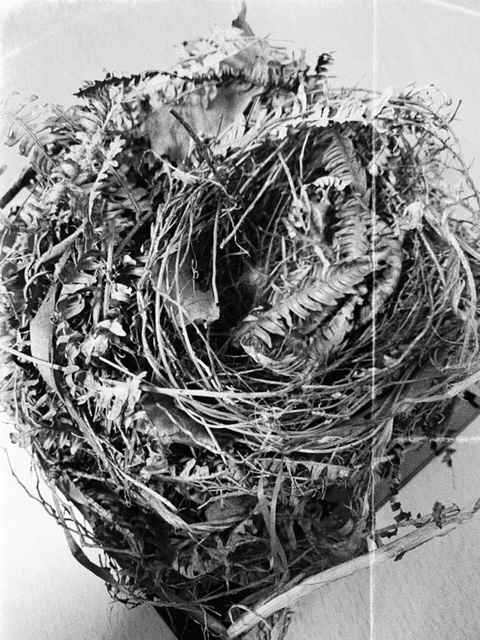
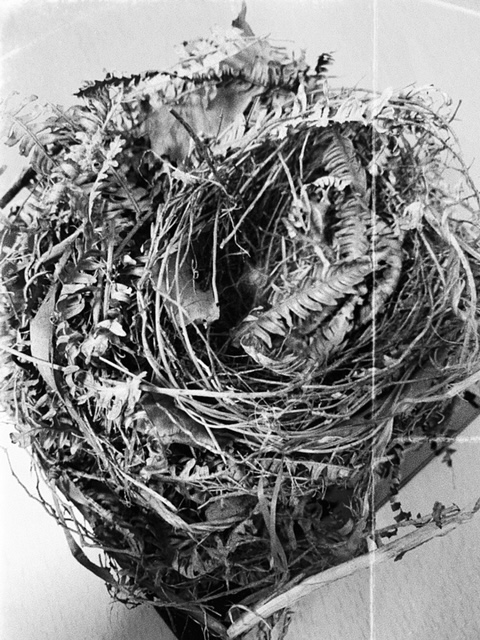
If the Word of God is a plant, it is the bird that spins it into a nest that grows beautifully. The bird’s nest is not only a bird’s nest, but also a part of the human world that it picks up and builds.

My fictional world is such a phenomenology. It represents the formation of orientation, the world created by orientation, while waiting for the analysis of existence. My literature is thus an amalgamation of spins, and there is no such thing as a complete lie. The heat that did not live in this world becomes a fiction.

Just as a bird’s nest still does not know exactly how to nest with precision, so I weave my experiences, my fantasies.  From the fictional “land” of the precise nest, uncertain of how it is completed, my story takes Soar. And the seeds dropped by these birds of fancy can grow or disappear. The reader’s understanding constructs a third world as a plant that grows. That image is both sad and hopeful.

The story must always take flight and Soar .

I have called it the ‘Soar point’.

Continued from (2) (Irregular)

飛翔点(1)


「カトリックをまだ哲学的に整理する人はいなかった」
シモーヌ・ヴェイユ

 小説というものも現代では数多くのジャンルがあるが、私の愛する「文学」というものの一つの魅力は、現実にとっては記録に過ぎないものを活かしてくれることだった。ただの失恋が言葉一つで綺麗になったり、忘れ去られる死が意味を持ったりもする。人から忘れろと言われた孤独も、平凡のように見える幸福も、全てが自分の感性次第で、人生をただの忘却を伴う記録か、輝いた人生だったのかがを受け取ることが出来る。

誰しもが拾わない世界から消え去られる瞬間の連続を、言語化して残せるものは作家の感性に委ねられている。恐らくそういう視点を持った者は、瞬間がそのまま消えてしまうことに恐怖を覚えた人であると思う。忘れるほうが幸せという人もいれば、不幸をどう語るか、それによって自分の孤独が独白によってカタルシス生み出す者もいる。

そういう人にとって、己の言語能力は重要なのである。

私の場合は、現実世界に生きなかった熱量を虚構世界に作る。社会性を重視して殺してしまった感情も多くあるかもしれないが、殺せなかった感情や、信仰が生きる場所は虚構世界だった。それは内向的であるが、世界に挑む外向性だった。 私は一度もそれに悲観的になったことはない。

芸術家はただの狂気か、天才か二択しか残されていない。ゴッホやカラヴァッジョ等良い例だと思う。エミリーブロンテも内面世界は計り知れない闇を持っていて「嵐が丘」に書き出した。真の芸術家は、他者からの称賛を得られる「天才」は求めていない。自分が捨てられなかった詩情や物事の捉え方が、神から与えられた賜物であると、キリスト教の中ではそういうことになる。社会性を促されて何度も殺されそうになった感性は、生きていて社会的に不利になったことはなかった。次は本当にこれが神の賜物だったのかどうか、

本当にそうであったのか、その答えが知りたいのだ。ウラジミール・ナボコフの「賜物」もそのような話であり、ロシアからアメリカへ亡命したナボコフの分身のような話である。

一つの私の造語で「飛翔点」がある。この自分の理論を理解まで詰めるのに何年もかかった。

今回は不定期にシリーズ化してそれについて書いていく。

 虚構世界は陸というものの基準となる高さが存在しないが、言語世界でありながらも、

光や体温、色や空間を書こうとしていく。それは平素な文で冷静にようで、詩情を孕んでいて、韻を踏み、日本語の場合は言語から見える概念、外国語の場合は言語が作り出す空間、

語感は音楽のように、文字と文字の空白すらも意味があるように、それらを操りながら、主人公は私が作った世界を歩いていく。

 第一作品目の「パンゲアドール」はイギリスの研究室にいた実在した患者をモデルに書いている。奇異でありながらも、現実世界では何処へ行ったのかも分からない患者だった。夢と現実の交差点は心理学的であり、科学的には存在しうる妄想だった。しかし、病名は私が作ったものだった。それが私の初めての虚構世界である。

 第二作品目の「イコノグラフ」は目立つ虚構らしきものが存在しないが、機械式時計の時計台が想像のものとなる。要となった「鳥の巣」の現象学がマタイの福音書13章を元に広げられている。

イエスは海にいて、植物が育つはずもない船の上にいた。そこで神の御言葉を種に例えた。ある場所に神の御言葉を蒔いても鳥がきて食べてしまう。ほかの種は土の薄い石地に落ちたが、そこは土が深くなく、すぐ芽を出したが、日が上ると焼けて、根がないために枯れてしまった。神の御言葉という植物が育つことは難しい。耳があるものは聞くが良い。この言葉を聞き取った少年と、主人公、川村光音は神の祝福を聞く思想の旅に出る。日本では、好きではないと疎まれるキリスト教、登場人物達は信仰への憧れから忘却、嫌悪感、そして再び祝福へと渡り歩いていく。これだけを説明すると人々は、この小説には恋愛がないと勘違いする。それが厄介だ。この話にも恋愛と死は存在する。

 しかし第一に言わないのは、凡庸な恋愛や死の評価を待つというのは感情の査定に過ぎないと思っているからだ。現実世界もそうであるのが哀しいところである。死は平等であるが、特別な死は特別な墓、無縁仏と肉体の死は階級がある。けれども魂は平等であり、文学世界は無縁仏のような存在も救い上げることがある。文学は、大衆が言葉にしなくなった事を突出して出す熱量が必要である。愛と死は、例え事実でも同情のみで乞うても伝わらないのである。世界がどのように現象し、神の働きがあるのかを隠喩を込めれば感情の共感が得られなくても、その魂は生きるのかもしれない。外界世界というのは捉えられることは少ない。しかし内面世界を豊にすることは、虚しい人生さえも脚色する。

私は文学に、何度も哲学を添えることも、宗教を添えることも反対されたが、譲らなかった。恐らく、他者の感情の査定がどれほど残酷か知っているからだと思う。己の言葉が育たない、それは神も同じことであり、信徒はそれに続くのである。

神の御言葉が植物だとすれば、見事に育った先にそれを紡ぎだすのが鳥であり、鳥の巣である。鳥の巣というものは、それだけではなく人間世界の一部をつまみとって巣を作っていく。

私の虚構世界とはそのような現象学である。志向性の成立、志向性が作り出した世界を表しながら、存在の分析を待っている。私の文学にはこのように、紡ぎだしたものの集合体であり、完全な嘘は存在しない。この世に生きなかった熱量が虚構になっていく。

鳥の巣が未だに厳密にどのように精密に巣を作るのか分からないように、私もそのように、経験や空想という経験も紡いでいく。どのように完成されたのか不透明なまま、精密な巣という虚構の「陸」から、私の物語は飛翔する。そして、その空想の鳥達が落とした種は育つこともあれば、消えてしまう。読者の理解は育った植物として第三の世界を構築する。そのイマージュは切なくもあり希望でもある。

必ず物語は飛翔しなければならない。

私はそれを「飛翔点」とした。

(2)に続く。(不定期)

収容所の被害者

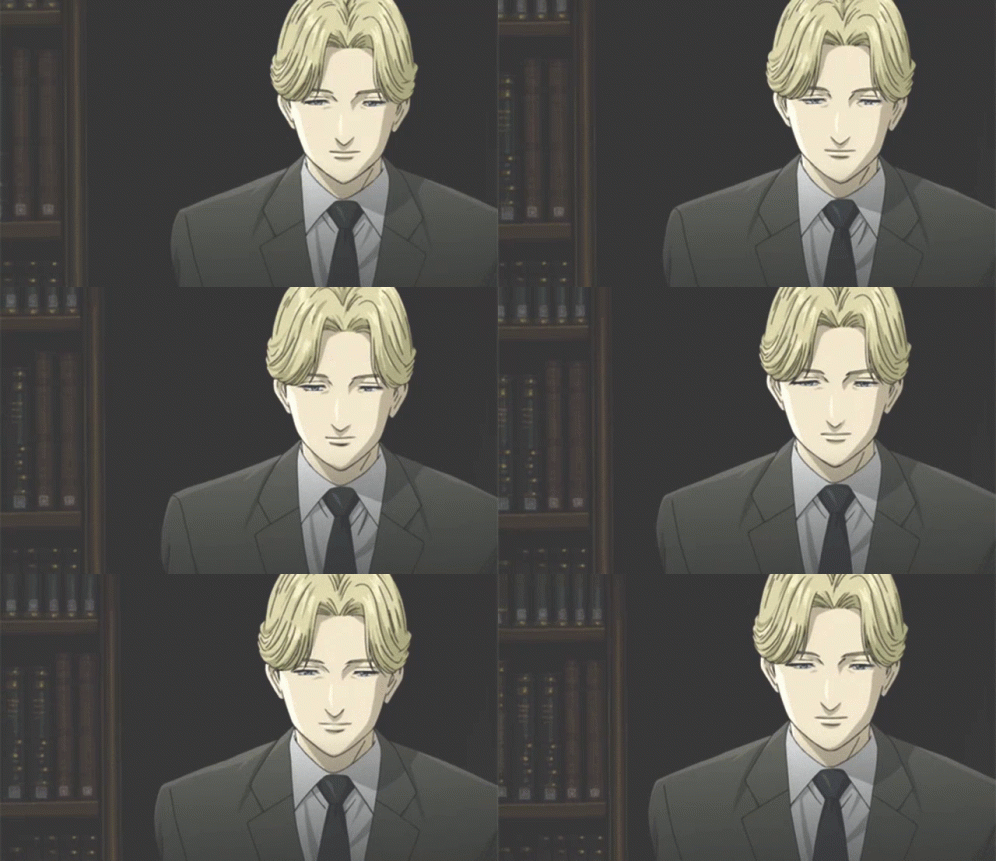
Johan Liebert is the titular character in “Monster“but Not drawn by the author. It’s a homage.
Author unknown. Additions are required.

あの時、あの怪物が僕の前に現れた。

母さんは僕を助けようとしたの?
僕と妹を間違えたの?
どっち?

母さん はなさないで

Monster 浦沢直樹

被害者というのも収容所行きと思うことがある。一度味合うと母国語であろうが人に伝わらない。

「忘れなよ」とは一体何処の国の言葉だろうか? 

生まれてから気が付けば何度も収容所に入れられる。記憶しているのは、最初に入れられたのが7歳の頃だった。入れた相手は一人の女教師だった。私の自我、現存の体感が壊れたとしたのなら、この女教師の影響だろう。それでも誰も助けてはくれなかった。憎しみと哀しみの中で、光を見出した。それが最初の解放である。誰が当時の私を教誨したのか、それは分からない。けれども、現象学的な視野を手に入れたことによって私の独白は大きくなった。記憶の中の空は常に青かったが、言葉はいつも憂いていた。それは心理学が肯定した。人間は定立と反定立が共存していると書いてあった。

現象学では未来よりも過去よりも現在という「瞬間」というものが突出していく。その中に幼心は「瞬間」に未来の光を想像した。それが糧だった。何度も収容所に入っていくと、その光が弱くなっていくことに気づいていく。光が弱くなった時に、同胞がいることに気づく。暗闇のほうがよく見える、それが大人になった証なのだろう。

様々な被害者というものを見て来たが、拘置所に行くような選択する人達も見て来た。加害者の最高の刑罰、「死刑」と被害者も拘置所に行く。

私はある人に対して、このまま死に向かっていくのではないかと、

気が付いたら自分が言ってしまいそうになるのだ。

「忘れなよ」

その時、解放の合図が鳴って外に出される。私の傷は癒えていたので声をかける資格がなかった。私の言葉は収容所の壁一枚隔てていくようになる。

愛と正義に関して、愛と正義は相反することもあると、私はこのブログ開設から繰り返して書くようになったが、今回はヨハネパウロ2世の話をしたいと思う。トルコ人のアリ・アジャは1981年5月13日にヨハネパウロ2世を撃ったが、一命を取り留めた。アリ・アジャは終身刑だったが、撃った教皇によって恩赦を受けた。ヨハネパウロ2世はこの後も別件で暗殺未遂の被害者になり、晩年は暗殺未遂による後遺症やパーキンソン病に苦しむことになる。

アリ・アジャは教皇の死を悲しみ、献花のみが許された。2016年、カトリックの司祭として希望しているが、定かではないとまでしか私は知らない。

ヨハネパウロ2世の真の心の内は知らないが、彼の執筆したものは光溢れるものであり、

闇も多く知らせている。それは光の傍にある。

それは盲目の罪人への警告ではなく、迷える羊への道しるべである。

彼は「希望の扉を開く」の「世界の拒絶」という章で「真の教えが不人気なときに、

安易な人気を求めるのは許されない」としている。

被害者が収容される収容所は、仲間割れもあった。必ず革命家の妄想を抱く人間が、

人を攻撃し始める。そして、か細く集まっていくのが「簡単な言葉に騙された」人達である。

被害者は一時被害だけでなく、世界の拒絶といえる二次被害、三次被害に苦しんでいく。

イエスキリストは、マタイ7章13・14で永遠の救いへの道は広くも快適でもなく、かえって狭くて困難であるとしている。大衆が勘違いしているキリストという救世主は、

快適な道を教えていない。もっといえば神と救世主を勘違いして、批判する人が多い。

救世主というものは、本当に世界のためか、大衆の願望によって生まれた「偶像」がある。その騙し合いは古くから続いている。

 被害者は「偶像」こそ注意しなければならない。この意味が分かる人は被害者という収容所を知っている人だと思う。外に出ても其処がどんな収容所だったのかを忘れない。分からない人は、自分がマスメディアとなって人を傷つけていることを知らない、偽善者だろう。妄想で革命者気どりで、一切自分の「善」を疑わない。

剣の脅威を知らない人間がペンで多くの人を傷つけている。

それはもう被害者という収容所に向かっているのではない。

向かうのは犯罪者が向かう本物の刑務所である。

黙示録では獣とは数字であり名前が無い。黙示録13章に十本の角と七つの頭がある獣について「だれが、この獣と肩を並べることができようか。だれが、この獣と戦うことができようか」という問いがある。その答えは「知恵」の要求だった。(18節)

賢い人は、獣の数字にどのような意味があるのかを考えるが良い。

数字は人間を表している。

獣とは人間である。それを知るものは謙虚である。

偽善者は他者に武器を持たせることしかしない。救世主は自分を癒すことを知らせる。

偽善者はすぐ弱音で同情を誘う。救世主は傷ついたことを黙って耐える。すぐ偽善者が来ることを知っているからだ。

私よりも可哀想なある被害者に「忘れなよ」とは言えなかった。

そのことが気がかりのまま、私は闇を忘れることがない。あの人は、

何処へ運ばれたのだろうか。少しでも光が見えたのだろうか。

その連絡網を断ち切ったのが、今の偽善者である。

分かりやすいものは、闇を簡単に教える。分かりにくいものは、闇は皆持っていると

教える。皆、心の中に「獣」がいる。

長々と、たとえ話が長くなったが、

もしも、被害者として死刑に向かっている人がいるのならこれしか言えない。

「この死刑は再審出来る。請求せよ」

後に引けない死の誘いが何度もあったが、生き恥でも晒して生きてほしい。

 浦沢直樹のMonsterは若い私の心を掻き立ててくれた。大衆が混沌として「神なんか信じない」と騒ぐ中、

救世主と神の違いを教えてくれた漫画なんてものは珍しい。イギリスでも人気があって、イギリスで読んでいた。主人公の天馬はヨハンの本当の名前を知っているが、最後まで明かされなかった。彼は獣だったが、人間でもあった。彼は東ドイツの陰謀の被害者であったが、罪人に手を染めていた。

だから、聖人と同じ名前を本当の名前にしなかった。引用に使われた黙示録13章に忠実で素晴らしかった。黙示録はヨハネという男が登場するが、執筆者は不明。ヨハンはヨハネ系列の名である。

繋がりのある記事

L’éternel substitut(jp and english ver)

Le temps est une image de l’éternité, mais c’est aussi un ersatz de l’éternité.

時間は永遠を映すものである。けれども、また永遠の代用品でもある。

Time is a reflection of eternity. But it is also a substitute for eternity.

Simone Weil (Renoncement au temps)

l’éternité

解説: 永遠というのは時間を伴うが、時間が有限であるのに対して永遠は無限を表す。しかし、私達は永遠を知覚することは出来ない。時の区切りは、永遠の一部、だから永遠の代用品。la éternitéの略。

Explanation: Eternity involves time, while time is finite, eternity represents immutability. However, we cannot perceive eternity. Time is part of eternity and therefore a substitute for eternity.

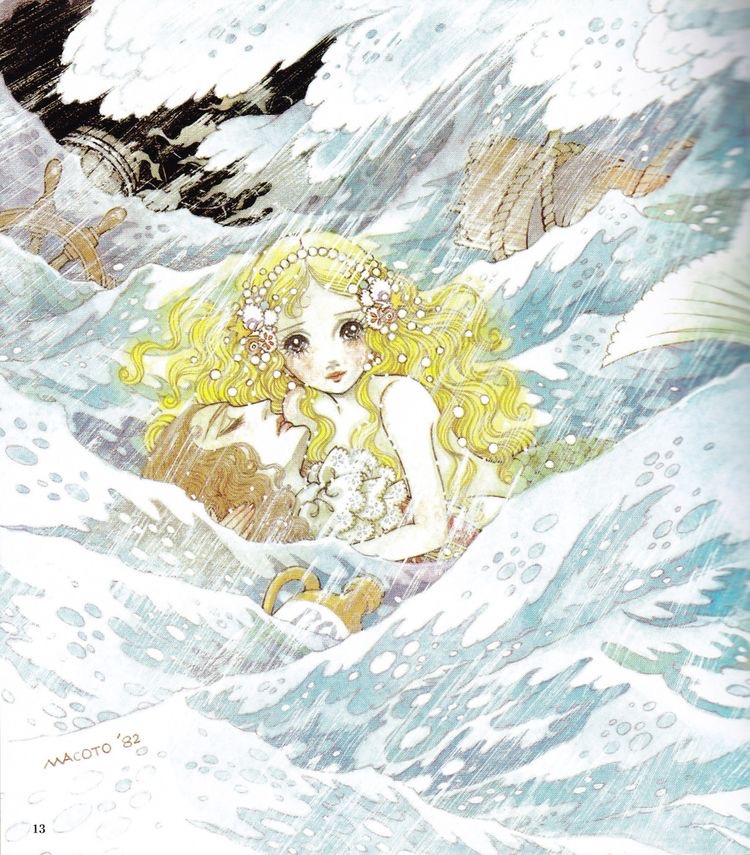
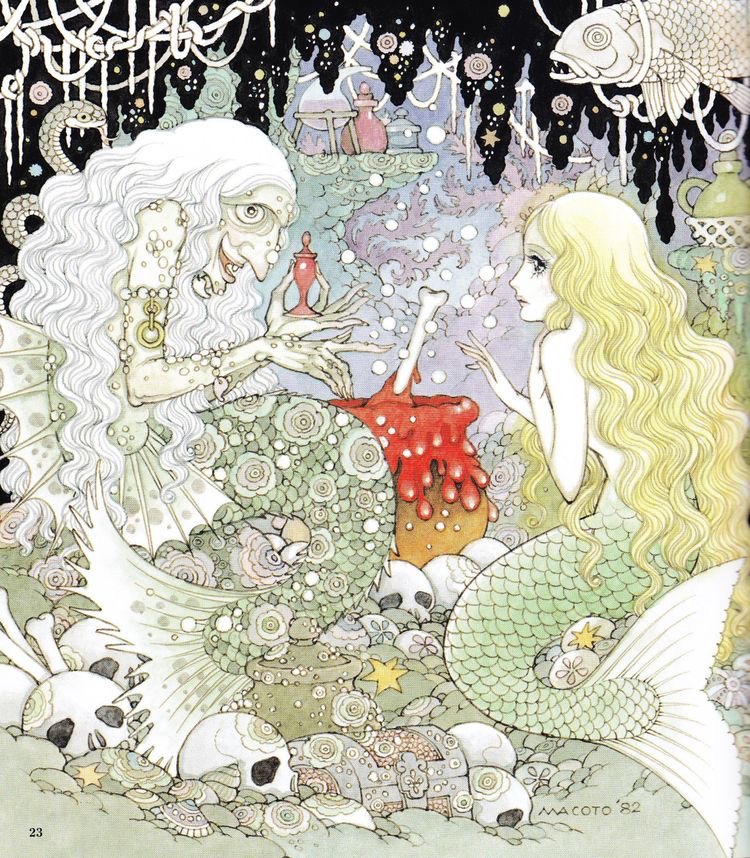
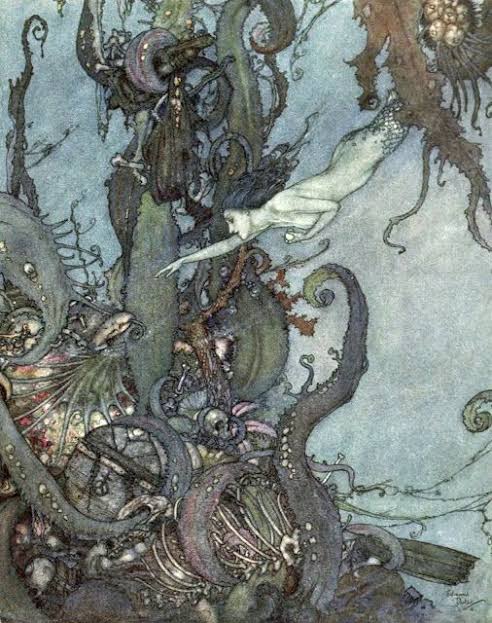
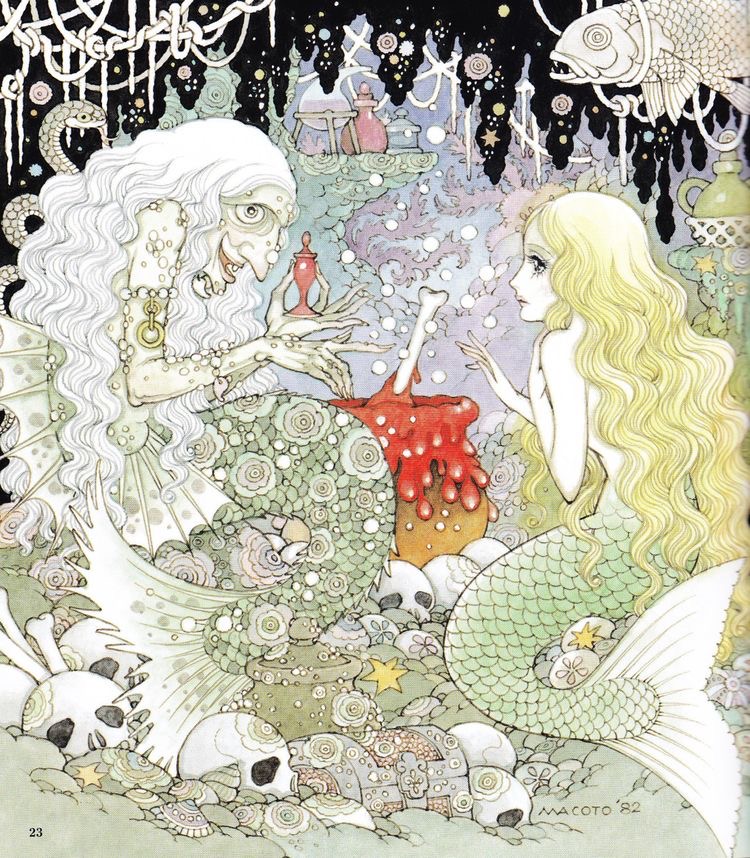
The Little Mermaid and Christian Existentialism(English.ver)

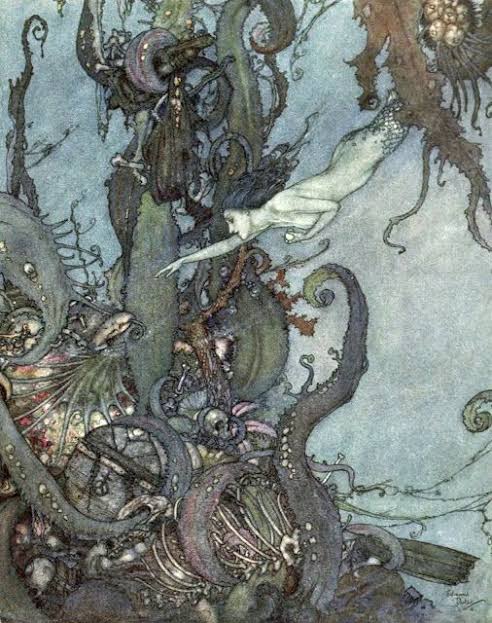
Edmund Dulac
Night after night, morning after morning, the little mermaid went to the beach to see if she could find her prince.

Andersen's The Little Mermaid

This article will be updated as a critique during the winter of 2024

Andersen’s The Little Mermaid has made me think many times. I will not comment on Disney’s version of The Little Mermaid, as I do not care for the story, but many commentaries on the original story end with the mermaid ending up in a bubble and dying, but in fact there is a continuation.

The mermaid who did not get a human soul does not go to heaven, but becomes a genie. It is explained to the mermaid that it is not a bad holy spirit and that after 300 years she can go to heaven. If she touches a good child, that day will come a day earlier, but if she meets a bad child, she will be a day later. Andersen’s message to the children is.

The Little Mermaid was to be a good child so that she could go to heaven as soon as possible.

The Little Mermaid is made up of three main elements.

(i) Existentialism

(ii) Love

(iii) Christian ideology.

 The Little Mermaid is said to have been influenced by Fouquet’s Undine. For the Christian world, the Holy Spirit of Water lives apart from the Grace of God. Perhaps it is based on the biblical interpretation that water originally existed at the beginning of Genesis. Such confrontational beings try to become human, thereby forcing the reader to imagine what it means to be human. The mermaid-like beings were set up to not have a short life span like humans. And above all, they are afraid of death: mermaids can live for 300 years, but after death they turn into bubbles. In the mermaid world, the old people have no doubt that they are happy to live 300 years longer and drift away in bubbles, and only the youngest mermaid princess yearns for human death and souls. At the same time, she begins to dream of the eternity of love.

For her, it was one ‘love’ that gave her that opportunity. The mermaid world can ascend to the human world at the age of 15. For these girls, it was their one and only chance to see the world created by God. Each of the sisters has seen many different human worlds. From the bottom of the water to the top of the water, what they see there is different. In Jungian psychology, water is the unconscious, through which girls go through the rituals of adulthood. This different landscape that they witness is also the same for human believers. Just as believers read the same Bible but have different personalities, so the landscape is different for each faith. Just as Kierkegaard said that we must quit chasing ‘truth’ and challenge philosophy by separating philosophy from theology (later refuted by Husserl), the immanent world of the mermaid is existentialist, divorced from the external world. These women live in another time, coexisting with the Christian world. Only the youngest of them, the mermaid, has acquired a ‘love’. First of all, love is the feeling of wanting to connect with the other person, but she has acquired the occult mysticism of a witch and has become human.

However, she loses her voice and her legs hurt. To get rid of this, she had to be discovered by the prince.

The Little Mermaid is also a symbol of the ‘poor’ for Andersen (note 1) It seems to have been an irony that people who had almost no human rights were coolly thinking about how they could gain them, and that it was a financial thing. Language is considered important in the biblical world. That is why in the first chapter of John’s Gospel, the Logos hymn, With God was the Word, which is also considered human, but she is deprived of her ‘language’. What was left of her as a human being was her body, and the pain in her feet, her heart. She had a heart that knew love and hurt.

The Little Mermaid was actually cherished by the prince, as a detailed reading of the original story shows. The commentary often overlooks the fact that the mermaid princess is searched for after she falls and disappears, which is also an important part of the story. The prince and princess are grieving the loss of the mermaid princess and gazing at the sea foam. The irony (sadness) is also expressed in the fact that the poorer people are, the less they are able to achieve substantial happiness and are forced to depend on God’s love, the love of adoration for God and the agape, the love that surrounds them. Andersen held until the end that the Little Mermaid had to obtain something substantial in order to exist as a human being. She had to belong to a prince-like existence in order to obtain human rights, and the marriage ceremony is the most mysterious thing in the Christian world, and is a sign of full-fledged existence, so much so that it is especially important for Catholics. Does the fact that it is unobtainable make a person’s existence worthless? Andersen put the important teachings of Jesus Christ, which are not confined to ritual as a fairy tale, into the ascending soul of the Little Mermaid. Christian existentialism, as I have named it, is also a religion that stands between the relativity of organisation and the absolute. Even if we go through the same Bible and rituals, there are personalities that are drowned out by injustice and relativity. In this context, just as the Little Mermaid chooses love over their determined and structured world, and seeks the existence of being loved by God as a person, so too the Christian has an existentialist philosophy, a ‘justice’ and ‘love’ that cannot be seen without the primacy of real existence over essence existence.

‘I fell in love with a prince’, which at first glance seems like an optimistic dream.

Compared to, for example, Charles Perrault’s read-aloud fairy tale of a nobleman’s daughter, Andersen’s cruelty draws a line in the sand. He portrayed God’s love in The Little Mermaid, where marriage and love were not connected.

He wanted the children to genuinely love the poor little mermaid.

And he wanted them to be good children so that they could go to heaven for a day.

This is not a sad story. It is a look at what we do.

(Note 1: I heard this in a psychology class in the UK, so I don’t know the source, so I can’t be certain)

Added on 3 January 2023.

MakotoTakahashi”The little Mermaid”

Part2

人魚姫とキリスト教実存主義

Edmund Dulac
人魚姫は幾晩も幾朝も、王子と別れた波辺に浮かび上がりました。
アンデルセン「人魚姫」

この投稿は2024年の冬に評論として再構成する予定です。

アンデルセンの「人魚姫」は何度も考えさせられる。私はディズニー版の「リトルマーメイド」の話は度外視しているので評しないが、原作の解説で、人魚姫の最後は泡になって死んでしまう、で終了しているのが多く見られるが実際は続きがある。

人間の魂を得られなかった人魚姫は天国には行けずに精霊となる。それは悪い聖霊ではなく、300年経てば天国に行けると人魚姫は説明を受ける。良い子と触れ合えばその日は1日早くなるが、悪い子に会えば1日遅れていく。アンデルセンの子供たちへのメッセージは、

人魚姫が一日でも早く天国に行けるように、良い子でいましょうとしたのである。

人魚姫は大きく三つの要素によって構成されている。

➀実存主義

②愛

③キリスト教思想

 人魚姫はフーケのウンディーネの影響を受けているとされている。キリスト教圏にとって、水の聖霊は神の恩寵とは別に生きている。恐らくそれは創世記のはじめ、水は元から存在していたという聖書解釈に基づかれたものだろう。(ヘブル語で創造とは無から作られたものではない)そういった対峙的な存在が人間になろうとすることによって、人間である意味を読者に想像させる。人魚姫のような存在は人間のように短命ではないという設定だった。そして何よりも死を恐れていて、人魚は300年生きられるが、死後は泡になってしまうという。人魚の世界では年寄りは、300年長く生きて、泡になって漂うことが幸せだと疑わず、末っ子の人魚姫だけ人間の死と魂に憧れを持つ。それと同時に愛の永遠を夢見るようになる。

彼女にとって、その機会を与えたのは一つの「恋」だった。人魚の世界は15歳になったら人間の世界へと昇れる。彼女達にとっては、それが神の創られた世界を見る1度きりのチャンスだった。それぞれの姉たちは色んな人間世界を見ている。水底から水上、そこで目の当たりにするのはそれぞれ違っていた。ユング心理学いえば水は無意識であり、それを通過して少女達は大人への儀式を行う。このように、目の当たりする景観が違うのは、人間の信者にとっても同じことでもある。同じ聖書を読みながら、信者に個性があるように、それぞれの信仰による景観は違うのである。キルケゴールが「真理」を追うことを辞めて、哲学と神学を切り離して哲学を挑まなければならないと言ったように、(後にフッサールに反論される)人魚の内在世界は、外界との関係を割り切った実存主義的なのである。彼女たちはキリスト教圏の世界と共存しながら別の時間を生きている。その中で末っ子の人魚姫だけ「恋」というものを手に入れた。まず恋とは相手と結びつきたいという感情だが、彼女は魔女というオカルト的な神秘主義を手に入れ、人間になった。

但し、声を失い、足も痛む。それを解消するには王子から見染められなければならなかった。

人魚姫はアンデルセンにとって「貧しい人」の象徴でもある(注1)人権がほぼ無いに等しかった人間が、どうやったら権利を得られるか、それは金銭的なものだと冷静に考えた皮肉だったように思う。聖書の世界では言語は重要な存在とされる。それはヨハネの福音書の1章の、ロゴス賛歌、神と一緒に言があったと、これも人間のものとされているが、彼女はその「言語」を奪われている。彼女が人間として残されていたものは、肉体、そして足の痛み、心である。彼女は愛と傷を知っている心を持っていた。

人魚姫は原作を細かく読んでいくと、実際は王子様に大事にされていた。解説ではよく人魚姫が落ちて消えてしまった後に探し回っていることも見落とされているが、これも重要な箇所だと思う。王子様とお姫様は、人魚姫の喪失を悲しんで、海の泡を見つめている。貧しい人ほど実質的な幸福が得られず神様の愛、神を慕う愛、それらを取り巻く愛であるアガペーに依存せざるを得ない事への皮肉(哀しみ)も込められている。アンデルセンは最後まで人魚姫が人間として存在するために、実質的なものを手に入れないといけないとした。人権を手に入れるために王子のような存在に属しなければならなかったこと、婚礼の儀式とはキリスト教圏ではもっとも神秘的なことであり、特にカトリックにとっては重視している程、一人前の証でもある。それが手に入らないということ、それだけで人は存在価値がないのだろうか? アンデルセンは御伽噺として儀式に囚われない重要なイエス・キリストの教えを人魚姫の昇天する魂に込めた。キリスト教実存主義とは私が勝手に名付けたが、この宗教も組織という相対性と、絶対の狭間に立たされる。同じ聖書や儀式を通過しても、不正や相対性によってかき消される個性がある。その中で人魚姫が自分たちの決められ構造化された世界よりも、恋を選び、人として神に愛される実存を求めるように、キリスト者も本質存在(不正を蓋したうわ言)よりも現実存在を優位にしなければ見えない「正義」や「愛」があるのだ。

「王子様に恋をした」それは一見は楽観的な夢物語に思える。

例えば、シャルルペローの貴族の娘の読み聞かせ童話と比べると、アンデルセンの残酷性は一線を引いている。婚姻と愛が繋がらなかった人魚姫にも彼は神の愛を描いた。

子ども達には人魚姫を純粋に可哀想だと愛して欲しかった。

そして、天国へ一日でも行けるように良い子でいてほしいと思ったのだろう。

これは悲しい話や残酷な話ではない。私達は人魚姫が天の国へ行けるようにと

私達の行いを見つめる作品である。

(注1:イギリスの心理学の授業で聞いたので出典が分からないので定かではない)

2023年1月3日に加筆

高橋真琴「人魚姫」

第二弾

Der Vorleser(English.Ver)

Bernhard Schlink

The story takes place in Germany, where Michael, then 15, becomes jaundiced on his way to school and is found and nursed by Hanna, 36, who is a year older than him. They eventually become romantics, but for some reason Hanna invites the protagonist to read some books to her. One of the books, Odysseus, is estimated to have taken place in the 1200s BC, during the time of the Trojan War and the Mycenaean civilization. In the eighth century BCE, Homerosu put together a collection of stories based on the 400 years of Trojan warfare that had been handed down by “oral tradition”. (The Iliad and Odysseas )

The protagonist, born after the Second World War, reads this lore and facts for Hannah.
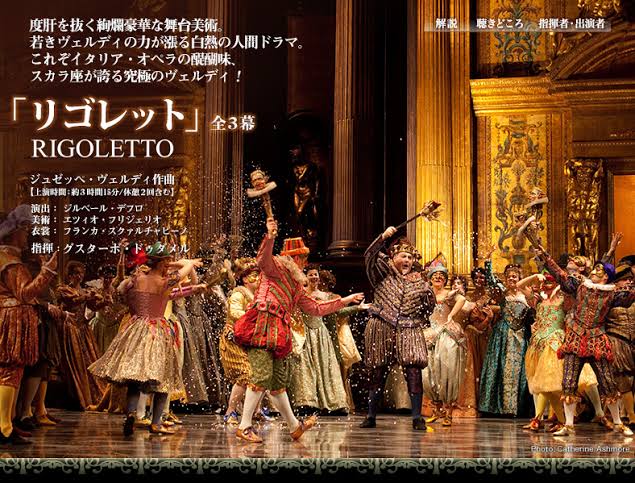
Hanna has many secrets and suddenly disappears from his sight. The protagonist cannot accept her loss but forgets about it. The year is 1960 and the world is in the throes of a student movement.

He is now a university student. While attending a seminar on the trial of Nazi war criminals, he finds himself standing in front of

Hanna, whom he had once loved.

She was a prison guard in a concentration camp.

As the trial progressed, the hero remembered that Hanna had asked him to read a book. As he watched her trial, the protagonist realised that Hanna was illiterate. She couldn’t read and had moved from one job to another before it became known that she couldn’t read.

Perhaps it had something to do with the fact that she was a Roma from Romania. In front of the print that she could not read, she opened the door to the world only with his voice. She immersed herself in the warmth of his skin and the world that his voice took her to, knowing that one day she would meet her fate. The trial is a life sentence against her, without her realising that she is illiterate.

In the trial of the concentration camp officials, the key question was whether they had intended to kill her or not, but it was recorded that Hannah had read books to the prisoners. At that point, it was false.

Michaela was unable to love another woman, even though she had long since forgotten Hanna.

He has been in contact with his father, a professor of philosophy, about Hannah. Finally, Hanna is pardoned, but thanks to the help of the protagonist, she is able to write, and after.

*****


When “The Reader” became popular, many felt disgusted by the romance between a 15-year-old and a 36-year-old.

Judging them only by their age and their bodies, they called the love of another person, even if it was fiction, freaky.

People are equal in soul if you take off their skin, but they don’t care about that. But they don’t understand what it means to be separated by age. Could they have expressed the intertwining of the protagonist, who had never heard of this war, and the woman whose job was to be judged by the world? At a time when people assumed that people who were like war criminals were evil, there was nothing but love between two people who did not know each other’s position. I don’t dwell too much on the “Nazis”. It is a story of love.

The fictional world, which incorporates reality, allows us to write about love, slipping past the arguments that cannot be conceded in the real world.

Only in stories can the possibility of love be described in the midst of all the hatred.

An American writer once told me that writers can hear the voices of their characters in their heads. The written world is unique, without sound, time or color. It is up to the writer to decide what kind of loneliness and emotion he or she feels within it, but for the writer, publication is just a voice.

In the hands of the reader, he or she constructs a third world out of the world of the novel, and begins to understand his or her own novel. And they wonder. And they wonder. I want a reader. (Perhaps a film adaptation would be the most desirable these days.

I hadn’t looked very carefully, but when I found a reader, the world opened up to me.

Her beloved Michaela had a future to live up to in the famous words of the Odyssey. Hannah is not given such a thing. The author’s choice of this classic has many implications.

Every human being has a monologue. Her life was one in which she was never allowed to have hope again.
The reading from him, temporarily young, was a new world, his own monologue.
He must have been a spokesman for her.

The author’s choice of the classic “The Odyssey” has many implications: it shows that even among those who must be judged, there is love. Only a novel can do this. There is no other reality in which you can write about unforgivable love in a fictional world and say publicly that even war criminals had love.

****

The film title, oddly enough, was Japanese: ” 愛を読む人”.

The love formed by a voice disappears the fastest. The love formed by the voice fades away the fastest. Of the five senses, it is the voice that we lose first in memory. Next comes sight, touch, taste and smell.

Michael sent a tape he had recorded again for Hanna. With “The Odyssey”.

But he didn’t sound the same as he did then. She did not recognise his love.

She didn’t recognize it as his love, but as a voice that was trying to rehabilitate her.


I thought it was Hannah’s impulse to commit suicide.

Perhaps. The voice of the young man she loved had disappeared.

.

Who was the reader of the Holocaust?

The new reader for her was not the man she loved.

If there had been no war, we would have been souls of the same age and background. And yet it was a sad story of division.  But judgement cannot divide us from love. Even if we are torn apart, the past, in which his voice lived, lives on, even if it disappears from our memories.

Love” remained as a residue.

*about Obysseus quote: This is a sentence from Odysseus and is not mentioned in the novel.*

The Joker and Biblical interpretation

しかし、わたしを信じるこれらの小さな者の一人をつまずかせる者は、大きな石臼を首に懸けられて、深い海に沈められる方がましである。世は人をつまずかせるから不幸だ。つまずきは避けられない。だが、つまずきをもたらす者は不幸である。マタイによる福音書18章6節~7節


罪は愛によって「赦される」ことがあるが、悪は増産し続けている。一つの悪意が消えても、新しい悪意が生まれる。それが人間であり、否定する人間は虚言壁に相当する。

善良な心は教育や環境を要するが、悪意は自然と生まれる。私は性善説否定派ではあるが、国家論を考えるときにはこれが根幹であるし、イエスも悪を躓きの石として、それは人間の力では取り除くことが出来ないとしている。性善説は存在しない、私はこれに間違いはないと思っている。

罪を償うことはあっても、悪が消えゆくことは無い。それでも悪とは一体何なのか、その概念は現代でも議論し続けている。旧約聖書の見解では、人は善と悪とどちらにもなりうるので、選択を迫られる。神はその選択に介入しないが、人間が気づけるように夢のお告げや、使徒や預言者を送り込んでいる。アダムとイブを原罪としたのは、新約聖書以降、キリスト教の歴史である。何故、悪人を野放しにするのかという問いは長年、「弁神論」によって神は善となるように繰り返され、心理学では弁神論では補いきれなかった人間の悪、闇を学問的に治療しようとした。結果、治療をする際に神と切り離すことに成功したのはG・フロイトなのかもしれない。ユングは各々の宗教や口承伝承のイメージで育った人間と治療を切り離さなかった。フロイトの「無意識」にユングは「集合的無意識」と掘り下げた。フロイトはこの研究を否定はしなかったが危険視した。両者とも未だに現在でも結論は出てはいない。

悪は増幅し続けるが、時流によって厳罰化されるものがある。その一つが「演劇」である。

聖アウグスティヌスは演劇をプラトン論に準えてキリストの教えから遠ざけ、痛みを紛らわすための「悪」とした。現代では規制は緩くなったが、映倫や年齢制限、虚構世界のイリュージョンに未だに異議の声は止まらない。「自称善人」は犯罪と快楽に対して、影響する事に畏れ、平和的な作品以外は脅威を抱くからだ。

 それでさえも空気のような慣れを感じていた最中に、映画「ジョーカー」(2019)のジョーカーは立ち現れたと私には思えた。一度見たときは、脚本としては、実在したシリアルキラーのヘンリー・リー・ルーカスやエドモンド・ケンパーの模倣としか思っていなかったが、シェークスピアがハムレットやマクベス王を作り上げるように、最近は虚構世界の「悪人」がこれほど確立された存在はいなかった。

「純粋悪」として最高かどうか、判断しにくいところがあるが、彼の最大の魅力は模倣犯を沢山作り上げたところである。「大きな石臼を首にかけられて海に沈められる」とイエスが最も厳しく罪と定義したものは大衆を導く罪だった。ジョーカーは、元々はアーサー・フレックスという母親と二人暮らしの平凡な男だった。この男には夢があった。コメディアンになるという夢だった。貧しいうえに一発逆転型の夢を抱くものに人々も世間も厳しい。

彼は出世を妄想しつつも、現実では大道芸人の仕事をしていた。不良少年の憂さ晴らしに暴力を振るわれ、上司からも「ぞんざい」に扱われる。非力な男を更に貶めていたのは、笑ってしまう病気だった。この治療のために治療費が欠かせない。恐らく、この病気はPTSDの一種なので、薬物療法が明確ではないと考えらえる。精神薬というものは、治療法が明確でないものほど、大量に要する。医者の当てずっぽう、出来損ないのカウンセリング、当てはまらない薬のために、貧しい賃金から更に薬代に流れる。常に彼は世間の善意の裏に存在する悪意に手をかけられている状態だった。彼が悪意にどんなに押しつぶされそうになっても、生きていられたのは、母親の「どんな時でも笑顔で」という言葉であった。彼は母親を愛していた。

彼は同僚から護身用の拳銃を無理やり渡されてしまうが、ピエロ姿で小児病棟での最中に拳銃を落としてしまう。拳銃を渡した同僚も嘘をついたので解雇を与儀なくされたアーサーは、更に天命か不運か、彼はこんな状況下で余力もないのに、男性に絡まれて困っている女性を「どんな時でも笑顔で」という症状が発症し、女性は逃げることが出来て、男性3人に暴行される。カミュの異邦人の主人公のように、アーサーは引き金を引いたのである。

ここは1981年のゴッサムシティ、治安が悪い最中で銃殺事件なんて珍しくなかったはずだ。しかし、殺されたのが証券会社のエリートだったために、貧困層がピエロの殺人鬼に称賛し始める。アーサーはコメディアンとしての舞台の成功も、片思いの女性との思い出も彼の妄想だった。愛した母親が自分の「どんな時でも笑顔で」という病気を利用していたという事、母親が貴方の笑顔が人を幸せにするという一種の「信仰」が崩された。

誰が彼を貶めたのか、傷付けたのか追いきれないほどになった。彼はシリアルキラーの儀式とも言われる、生んだ存在、母親を殺害する事に成功する。これは殺人鬼にとって通過儀礼のようなものである。

虚構世界の舞台の成功を望んだ男は、現実で聴衆を集めることに成功した。愛や幸せを謡った舞台は聴衆に影響を及ぼして、幸福と共に現実へ降りていくが、彼の舞台はある意味、現実への実現性として皮肉にも成功してしまう。大衆の願望として、彼は「ヴィラン」となった。街中が彼の模倣犯だらけになったが、彼を愛している訳ではない。浅い認識と、大衆の自己実現欲、彼を支持しているという一体感、その幸福に大衆が酔っているだけである。

ジョーカーは複数存在しているところで終わったのが興味深かった。

(私はこのジョーカーが自分の仮装の中に埋もれるシーンが一番好きだ)

設定でもジョーカーは残酷なシリアルキラーとして設定されていたが、「バッドマン」を大衆が望んでいた時代では、ユーモアキャラクターや、バッドマンを助ける(自分が仕留めるために)こともあったりと、明確な設定がない。この2019年度版の「ジョーカー」は続編を考えるのなら更なる変容を可能性としているが、悪というものは、この具体性の無さも共存している。イエスが最も罰するのは大衆を先導するもの、としたのは「偽預言者」というものは愛が喪失するからだろう。それはモーセの偶像崇拝禁止とも一致する。(イエスが、人間の力では取り除くことが出来ないと言った「Skandalon」はスキャンダルの語源でもある。)現代の悪を明確化しているのは「独裁者」であるが、現代は実体を消したような悪の存在が最も脅威を持つ。ジョーカーの正体を知らない間は、彼の模倣犯が火をつける。それが集団による悪であり、人間としては見慣れた暴力なのである。これが既視感を覚えるのなら、私達は既に凡庸の悪を知っているのだ。模倣犯達がお面の被るのも興味深い。いつでも逃げられるかのような卑怯さがある。お面を被って、母体は何処へ行くのか分からない。この、水面下へ悪の根幹が潜っていく様子が21世紀の悪のように思えた。

道化師の悲劇といえばヴェルディの「リゴレット」を思い返す。(ヴィクトル・ユゴー原作)彼もまたジョーカーと同じく、

侯爵や貴族の笑いものとして仕事をしていたが、醜い彼が唯一愛した娘が、貴族にもてあそばれてしまったことを知って復讐するが、成功せず、娘の亡骸を抱く羽目になる。悲劇と喜劇は隣り合わせで、暗転しなければ舞台は楽しくない。しかし、道化師というものは常に闇の中で失意のどん底まで落とされる。

道化師は、この幸福になれない構造の確認出来る原典かと思う。

****

 プラトンの「ソクラテスの弁明」で「正しいことのために本当に戦おうとする者は、僅かな間でも命を全うしようとする場合でも、私人として働くべきで公人として働くべきでない」としたが、この原点に返るものは存在しないように思う。歴史を真面目に勉強すると、人類に絶望する事が多い。進歩を喜べるのは、景気が良いときで、景気が悪いときは構造主義に嵌っていく。ただ、人間という存在は愚かだが、偶然性と必然性を背負って、愛を生むことがある。悪意を知らなければ人間は愛を持てるのだろうか。生まれから自分に影響を与えてくれるのは良きも悪くも人間である。切っても切り離せない存在に対して、愛を失ったら「生ける屍」だろう。私にも悪意は存在する。例えばノブレス・オブリージュ、それは聖書の教えから来ているが、社会的地位がある者の責任とは「私刑」だろうか? 報われない事に関して最高の刑は「私刑」である。それとも平和的に済むのだろうか。この残酷性に世界が目覚める日がくるのかもしれない。

それでも私は悪意の中でも愛を尊重する。

愛は魂の力量だと思っているからだ。私の一番好きな聖書の引用にコリントを選んでいるのは人間の悪意は拭えないが、愛は魂の方向性を定めると信じているからだ。

私の善意や悪意は誰の影響なのか、私の潜在的なものか、操られているのか、私は私という存在を操作して、私は私を知らない。それでも、魂という概念だけは持ち続けたい。

身体は病気になって心は傷ついても、魂は傷つかない。

私はそれを信じることにしている。

この曲「happy face」Jagwer Twinとジョーカーは無関係のようだが、非常に合っていた。何度もこのバージョンを繰り返して見て気づいたことは、無理して笑うことはないということだった。私達クリスチャンは、神の愛による善意と、悪意と自分の不甲斐なさに苦しむ。

無理して笑うことなんかない、道化になることはないと私は思った。寧ろ、無理して笑ったら、負けなのだ。


ゴッサムシティとは何なのだろうか。
此処に何故人は惹かれるのだろうか?
主人公、ジョーカーもゴッサムシティも虚構世界である。
けれども私達は「現実」と言ってしまう。

余談ですが、アーサー自身には同情がありますが、犯罪者っていうのは悪で、恐らく神の裁きを受けるか、もしくは神の愛を受けるか、それは完全には分かりません。カミュの「異邦人」でもあるように、自分がヴィランを選んだ、という可能性は0ではないのですよね。神の恩寵を拒否をした、それも人間の自由選択です。それを境遇や精神病の治療として絶対に変えようとする心理学研究もありますが、私は冷ややかではあります。学生時代は、犯罪者の更生も考えてましたが、今はやはり被害者になったら相手が潰れてほしいと思います。でも、アーサーの時に救いがあったらなとは素直に思いました。大半の被害者は、そういった加害者の負の面、抑圧を背負っていますが、生きる権利を奪われた者にとっては残酷以外何者でもないでしょう。でも、良い映画だったと思います。結局のところ、目の前にいるアーサーに手を伸ばせる人間は少ない。

ゾディアック事件に似ているのかもしれない。
有力容疑者の名前がアーサーだった。

Favorite Bible quote

Love is patient,love is kind. It does not envy, it does not boast, it is not proud. It does not dishonor others, it is not self-seeking,it is not easily angered,it keeps no record of wrongs.Love does not delight in evil. but rejoices with the truth. It always protects, always trusts, always hopes, always perseveres.Love never fails.

1 Corinthians 13:4〜8

愛は寛容であり、愛は親切です。また人をねたみません。愛は自慢せず、高慢になりません。礼儀に反することをせず、自分の利益を求めず、怒らず、人のした悪を思わず、不正を喜ばずに真理を喜びます。すべてをがまんし、すべてを信じ、すべてを期待し、すべてを耐え忍びます。愛は決して絶えることがありません。(コリント人への手紙I 13:4〜8)

Make Japanese sense into English.

Sun and Steel (English.ver)

Outline of this post.


In 2018, during my recuperation period after a suicide attempt, I read Yukio Mishima" The Sun and Steel." In it, he wrote about feelings that were neither fiction nor criticism.
He wrote about "confession" at night, "criticism" by day, and a time when he was neither.

I will taste this neither time until 2021.

The book, which was also the subject of a controversial debate at the University of Tokyo (1969), seems not to have been appreciated in Japan at the time. I have been on the road from leaving Catholicism to conversion.
I was struggling to talk about this mortal disease in my story. Would it be non-fiction, or should I force it to be fiction? Whether I choose the sun or the night.

There was also the question of Catholicism and the political uncertainty of the future in Japan. For many years, I had forgotten the poetry of Mishima response to the sun.
In 2021, I have decided to move on to the night (literature).
This involves a lot of interpretation on my part. In Sartre's terms, it is "the other with the subject".

Apologies that this is not a thorough explanation of the sun and Steel.


The” Sun and Steel” was one of Yukio Mishima lesser-known works at the time. After a long time.I read this in 2018 and found much to sympathies with. I read this in 2018 and found much to sympathies with. In the process of writing, some things are difficult to express even as a novel. I too fell into that groove around 2017. Probably every artist. I feel like it comes to every artist. Sometimes we can’t establish ourselves because we are confused by current trends or common perceptions.  Mishima described it as an intermediate form between confession and criticism, “a kind of hidden criticism”.

Mishima is perhaps the only person who has focused on the area of twilight that exists between night as confession and day as criticism.

Sartre’s raison d’etre about existence and essence is that existence precedes essence, but this kind of wayward speculation, a combination of fiction and criticism, is a wandering interior that does not know the outer skin of existence, and is itself an embryo that does not know the outer world (essence).

It is the equivalent of inference, prediction and prophecy. When the result is not yet known, even if we think we have grasped the essence, we cannot be sure. A novel does not have enough material to be written, and a criticism is only an assumption made a few years in the future. But there are times when the feeling is strong.

At such times, I think back to Van Gogh’s Madness paintings.

His paintings were first of all existentially unsuccessful. Later, his brother Theo’s wife succeeded in selling Van Gogh’s paintings and made him into the genius that he is today. Over time, they created the essence of Van Gogh’s paintings. Over time, they created the essence of Van Gogh’s paintings, or the world discovered them.

The Starry Night
This is one of my favorite Van Gogh paintings. I don’t know of any other painting that depicts the stirring darkness so clearly.

I think Mishima is right when he declares in this book that he is not a poet. Poets, like Van Gogh’s paintings, are not afraid of consequences, and they do not fall between confession and criticism. Hermann Hesse is a genius as a poet and Rubaiyat dances without fear of criticism from Christians.

It seems to me that Iran is famous for its poets. Perhaps they are not afraid of death (or the oppression of others). That free enthusiasm, which neither the cooperation of the Japanese nor the argumentative nature of the West can match, is something to be admired and, as a result of more social experience, I think we will never have it again. We all dream of it and run with it, but the tragedy and happiness that we have created with our speculations, from pacifisms, through physical pain, gradually becomes a reality.

When I was young, I would have run without fear. In the midst of it all, joy and despair, like differential and integral calculus, were repeated, and expectation and despair may have exceeded real reality. In the midst of this repetition of the mundane routine, where sleep brings morning and daily life again, I had my moments of real despair.

In turn, disappointment and disillusionment increased, becoming part of the larger reality of the real world.

Gradually, disappointment and disillusionment increase, and the artist becomes part of the larger existential context of the real world.

That’s the end of the artist. It is only natural that he should lose his individuality.

I’m trying to be unique because of my long established taste, but my body is screaming. The days when I used to write poetry in the evening, even if it was bad, seem like a lie.

It was a mistake in the first place to see it as a defeat. The thought of being abandoned by night and day

It will always go somewhere. It is like a long, inflexible Steel. That is how I see it.

In my analysis, Mishima Steel element probably became the sun and led to his suicide.

I have decided, after a long time, to return to the Night once more. That’s when I retired as a journalist. It is proof that I am no longer outspoken about current affairs. The man who lives by night lives for the invisible presence of human sensibility. The man who lives by day lives for the market and the human condition.

There is no right or wrong, because both are necessary.

But when speech and knowledge are wasted, it is tempting to talk about real problems.

Isn’t it the starting point of a literary person to keep that ” babble ” silent until night?

I will not write directly about why I attempted suicide, or the process of my conversion. Instead, I will start to confess, as if in the night, my memories and records were a wild reflection.

In this fictional world, the person who speaks for me is a man and other women, and the story goes on. There is, in effect, a fictional character (a lie). But the essence is not a lie. Within the non-existent outer skin, there is an interior that I have experienced and gone through.

I have read a lot of Mishima during my illness. But I chose a different path from him.

In his writings he wrote

“Now I no longer believe with all my heart in the idea of classicism, about which I was so passionate at the age of twenty-six. I no longer believe in it with all my heart”

I might not have the awe-inspiring ardor of my youth, either. I sympathies with him in this confession under the sun.

But, like the protagonist of the piano tuner I am writing about, I intend to expand the literature to say that sound does not die. In the despair of the protagonist, my inner light is incorporated.

It is with God.

WordPress.com でブログを始める.

ページ先頭へ ↑