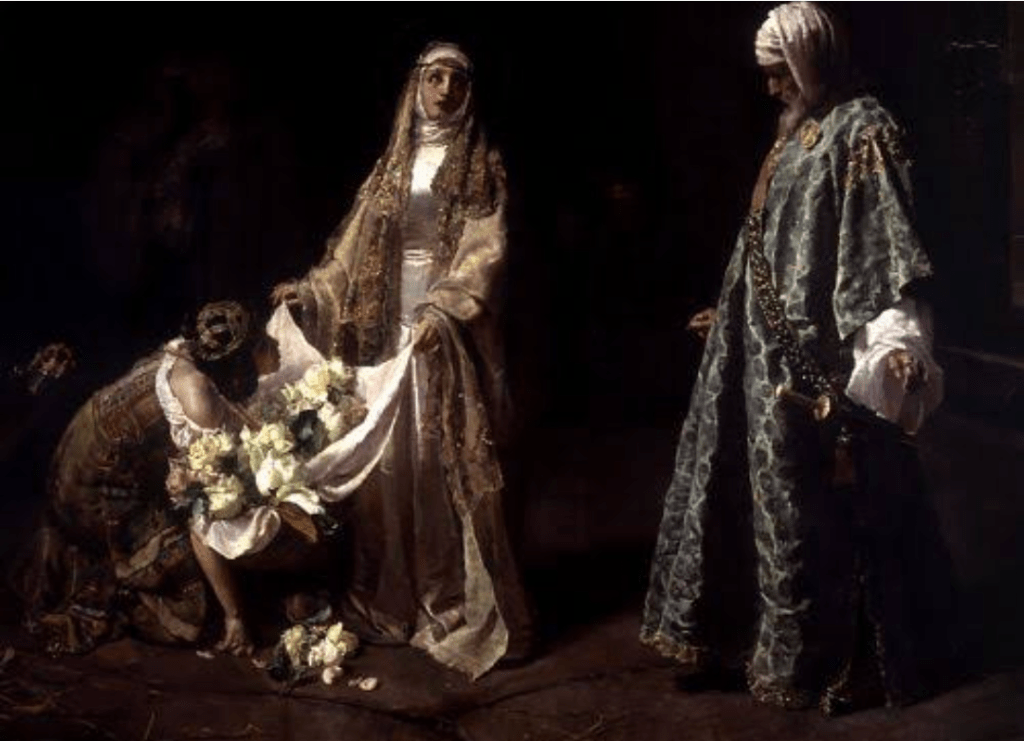
Cuando Casilda desplegó el manto, cayeronmuchas rosas.

When Casilda unfolded her cloak, many roses dropped from it.
‘Toledo’, located in central Spain, was a crossroads of Judaism, Islam and Christianity. It was a city at the crossroads of Judaism, Islam and Christianity. Famous as the favorite of the painter El Greco, it became the capital of the Visigoths in the 6th century, and from the 8th to the 11th century, during the reign of Fernando I, Toledo was under the rule of Muslim powers. The Moroccan king, Casilda of Almamun, was polite and kind-hearted, and carried food to the Christians his father had captured as prisoners of war. Casilda means ‘singing’ in Arabic, and she was kind to the captives, making a beautiful white rose bloom from a bad stem and extending the seeds of faith. Her retainers, who did not take it well, informed the king that they were going to execute Casilda.
The king loved his daughter, but he had no choice but to execute her after such an incident. When the retainer and the king pursued inside the cloak of Casilda, by God’s arrangement, the food that Casilda had hidden turned into white roses. She was acquitted of any blame.
Sacrifice, a self-sacrifice, and Deus Ex Machina, a mechanical god who casts a stone in a stifling situation. Casilda’s endgame can be described as deus ex machina. Self-sacrifice to gain an advantage exists in the world of chess, but Aristotle rejects the mechanistic god. I find it interesting that even in the seemingly inorganic world of chess, a world of logic, miracles happen. If you only play on the defensive, you will never make any progress, and pieces will always be taken. The value of the pieces constantly fluctuates, they attack, watch each other and choke. Every time a piece is taken in this context, it is analyzed to see if it is just a blunder or sacrificed. The game is constantly subjected to uncertainty, and sacrifice is established from the results.
The Christian self-sacrifice seems to be a measure, an ‘accident’ that represents to the invisible God. Does it include love? The only way to find out what God wants is to read the Bible in slowly and carefully. And above all, Jesus is only full of parables, and his stories must be replaced by our everyday life for us to consider. The words of Jesus must be lived in everyday life when faced with problems that are universally the same, even though Toledo and society changed in those days.
The Christian love, the kindness of Casilda, can be regarded as religious, but it is also the inherent goodness of human beings. Of course, some people did not show that goodness. She is unable to get prisoners out of prison. They carry food, although without consequence. Does that kindness, which does not leave the hungry behind, give strength to the misfortune of being a prisoner of war? On its own, Casilda was doomed to be executed as a traitor. However, We
knows that miracles do not happen in everyday life.
Still, I want to stay awake to the goodness, to the love of God, because the breakout of miracles is indeed something that is always there.
Always that what we see and what we have in front of us is not everything.
自己犠牲であるサクリファイスと息詰まった状況に一石を投じる機械仕掛けの神、デウス・エクス・マキナ。【deus ex machina】カシルダの終盤はデウスエクスマキナである。自分が優位になるための自己犠牲というものは、チェスの世界でも存在しているが、アリストテレスは機械仕掛けの神を否定している。私は無機質に思えるチェスの世界という論理の世界でも、奇跡が起きることが面白いと思っている。守りばかりでは一向に進まず、必ず駒というものは取られる。駒の価値は常に変動し、駒は攻めたり、お互いを監視したり、息詰まる。その中で駒が取られる度に、ただの失策かサクリファイスか分析が入る。常に不確定要素にかけ続け、結果からサクリファイスは確立する。
And that [same] day Jesus went out from the house and sat down by the sea.

 And great crowds were gathered together to him, so that going on board ship himself he sat down, and the whole crowd stood on the shore.

 And he spoke to them many things in parables, saying, Behold, the sower went out to sow:

 and as he sowed, some [grains] fell along the way, and the birds came and devoured them;

 and others fell upon the rocky places where they had not much earth, and immediately they sprang up out of [the ground] because of not having [any] depth of earth,

 but when the sun rose they were burned up, and because of not having [any] root were dried up;

and others fell upon the thorns, and the thorns grew up and choked them;

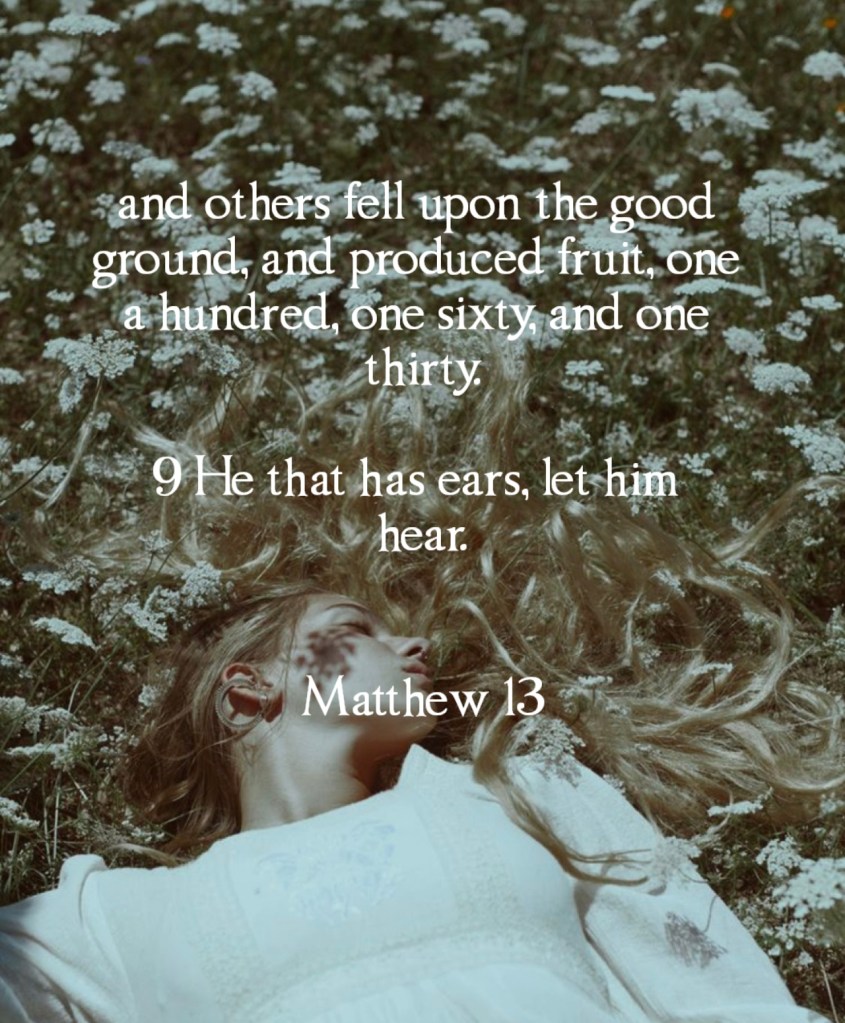
and others fell upon the good ground, and produced fruit, one a hundred, one sixty, and one thirty.

He that has ears, let him hear.

Matthew 13:1~9
1
Western philosophy and Greek mythology had the sea as ‘Mother Sea’, but also the opposite, as something which drowns and is unsuccessful. No land seed can grow on the sea, but I thought it made sense that Jesus was talking about seeds on the boat. Seeds are the possibility of a person’s faith in Jesus, but seeds that are scattered and falling, do not choose the place, the good earth or the bad land: Birds come and eat it, it germinates where the ground is not deep, but withers, or if it falls down a thorny path, it is blocked. We don’t know where the land is where the seed will grow and It must know that it can wither along the way. This passage became the heart of my Christian transmission because it was the lecture when I attended my first church mass.
2
In the Old Testament, there are stories of Joseph, who receives revelations in dreams, and Daniel the interpretation of dreams, and in the Old Testament, dreams were also revelations from God. I visited the church for the first time, with Daniel the dreamer in the book of Daniel being my favorite. Then I came across this New Testament chapter 13. Since the birth of Jesus, God no longer appears in people’s dreams. Instead, Jesus is the Lord, and the ‘parables’ of the Father unfold. Usually there is no commentary in the Mass as to whether the story has been told on the sea, and this time there is no criticism.
I think the reason I can talk about the sea is that I’m an evangelist, not an ecclesiastic. Thus, as a novelist and evangelist, I took from that passage to the sea. In Genesis, the waters existed before God was created, the world was inundated by Noah’s ark, and the sea was still there when Jesus was there. And in the first verse of chapter 21, that represents the New World in the Apocalypse, ‘there will be no sea’. This new world of no sea is beyond human understanding for us. It is an illusion and we don’t know when we will see it, but now we think of it as land, the human heart is like the sea. This is metaphorical and suggestive, but we do not know the conditions under which the seed will grow. It may sprout, but it may wither and die. Unfortunately, that is also the case with my own heart, which speaks of the Bible. Clergy cannot speak of this possibility, but because I am a writer, I can speak of the reality of withering and death. I had thought that the evangelist would go to the secular world, where a clergyman, for example, a priest, cannot go down. That is exactly why evangelists go outside the Church without trying to carefully select the best land. It is like Simone Weil’s policy, which has not been baptized.
3
Matthew’s Gospel is said to have been written by the evangelist Matthew. Historically, in the process of the Gospel being produced, there was persecution and oppression in Rome of those who became Christians. They were carefully selected and produced in the process, but it is certain that Jesus Christ himself existed, and the Western calendar was made to Jesus’ standards. Research has led historians and religious scholars to disagree on whether the various miracles performed by Jesus were true or not. The best part of the Gospels is that there is ‘love’, equality, and forgiveness in what they tried to write down in the face of oppression.
Matthew’s Gospel reflects Jesus as (i) of David’s lineage, (ii) the new Moses, and (iii) God with us (Immanuel). Jesus is like Moses. He comes out of Egypt, is baptized in the Jordan River, spends 40 days in the wilderness and preaches the Law on the mountain. It is also stated in Matthew’s Gospel that Jesus is more than Moses. Jesus invited him to teach that even those who are strict in their religion are not necessarily competent people, the poor and weak are also included, and that rather than just being strict with authority and religion, they will stumble. Sowing seeds is thus a good land, where we cannot choose.
Putting possibilities into the hearts of sinners and various human beings, not just the wise of the world, is like throwing a land seed into the sea. It is such a challenge to uncertainty. We are not certain what the conditions are for a seed to grow. For that matter, there is no mention of the limitation ‘love’. In the Christian world, most plants have a divine symbolism, but the lilies, the clock grass, the roses, the olives, the grapes, and the poisonous wheat and the weeds probably also have a blooming meaning. We ask whether the conditions for seeds to grow are the light of dawn, the pull of the moon to attract them, the sunlight hot enough to dry the land, the cold of winter to rest the plants, the dreams of the night, or how the human heart grows in the ‘four seasons’ of life.
Living is not limited to the time we are conscious. We share time together as long as we live, even when we are unconscious in a dream. Even when a time to tear and a time to mend,
a time to be silent and a time to speak, a time to love and a time to hate,( Ecclesiastes, chapter 3), and even when we know freedom from such suffering, suffering is born again, and even in peace, living is also ‘waiting’. We are waiting for the time to sprout, for the time to wither, for the time to come. With regard to waiting, uncertain events can move the inner world, as in Soseki’s Natsume Ten Nights of Dreams, which has nothing to do with Christian culture. The first night of the Ten Dreaming Nights is illusion and dreaming, speculation does not even attempt to seek order. Dreaming time has no predominance of ‘arising’ or ‘disappearing’, and is perhaps not a Hegelian intuited generation. In the stage, the woman loses her breath and says to the man, ‘I’m going to be dead’. At last, the woman dies, and the man keeps waiting. The man waits, for a long time and begins to wonder if the woman has not deceived him, but a lily blooms and kisses the man. Only a dream story, but the transformation of the breathless woman into a lily is Kairos, which appears even in the randomness of a dream.
We live in the normal quantifiable time of the ‘Chronos’. We find meaning in the unmeasurable ‘Kairos’ that breaks through that Chronos. When Jesus was born, when a miracle happened, when a flower bloomed, the day a child was born, the day we thought it was beautiful – these are the breakthroughs of the Kronos that connect the inner and outer worlds. The seed of the Word germinates and grows out of Man. It is not always in good land, with excellent conditions. And why is it necessary for the Word to grow? Have we ever thought about that? We live in the normal quantifiable time of the ‘Chronos’. We find meaning in the unmeasurable ‘Kairos’ that breaks through that Chronos. When Jesus was born, when a miracle happened, when a flower bloomed, the day a child was born, the day we thought it was beautiful – these are the breakthroughs of the Kronos that connect the inner and outer worlds. The seed of the Word sprouts and grows out of sight of man. It is not always in good land, with excellent conditions. And why is it necessary for the Word to grow? Have we ever thought about that? People sleeping on the streets, people being abused, unforeseen accidents, people involved in incidents, disasters, life and death choices being made, the
The seeds are sown in the internal experience of your inescapable emotional ‘moment‘ or ‘eternity‘.
4
In Buddhism there is a saying: ‘The lotus comes out of the mud and is not stained by the mud’. In the Bible, it might be similar to the first chapter of John’s Gospel: “The darkness would not accept the light”. When it comes to the sacred, I think of this ‘lotus flower’. And like that flower, the more we evangelise without certainty, the more it is like what we are doing in a place where it is not certain whether it is the sea or the land. Sometimes I meet people who want to read the Bible, even just a little. It makes me think that I have not only germinated in their hearts, but that I have not withered away either. That is the limit of just loving a personality. If the other person is a personality that is not so ideal, if you cannot reconcile them, you will be divided. There are many clergy and lay people who would simply say, “Jesus is kind. Historical figures and celebrities also love personalities they do not know. This alone is not enough for the Word to be lived. We know very well that there are limits to loving only personalities. That is why we are divided by a little disappointment in the other person. And yet Jesus Christ liberated many weak people and sinners. While inclusive love is the ideal, love requires personality. This contradiction – so much accumulated metaphysics – disappears and dissolves in ‘everyday life’. I cannot deny the day when I too will live more ‘everyday’ than the Bible. That is why it is important to live the ‘time’ and wait for the time, as in the three chapters of Koreheth. The smell of bitter earth is essential for a beautiful rose. Whether it is the cement garden that blooms unseen or the ivy that wraps around the dwelling, the growth of the seeds is unknown to me. Plants do not grow in the same way, in the order of the number of leaves and petals, while maintaining the golden ratio. The quotations I give to the people I evangelise. It is not certain how they live. Most of the time it is not the understanding of Jesus that troubled Van Gogh and various great men in evangelism. So why does it not grow? It is because ‘holiness’ does not live in poor reality. Van Gogh evangelised in the poor areas of the coal mines, was shunned by the people and had his licence to preach revoked. (Nevertheless, we must keep our ears open to the truth.
Let anyone with ears “Listen”
outline
Matthew 13 was treated in my own iconograph. We don’t know how the seed, the Word of God, will grow. The teaching is that we cannot choose the land where we sow the seed, but people like me, who are not missionaries, focus on what I preached on the boat. The sea was originally considered both a Greek myth and ‘barren’. A critique of his talk about land on top of that.
My reader is a Buddhist, but this month he said he would read the Bible to me. I decided to let him read it, despite the many objections around him. What does it mean for the Word to grow? From a barren sea of human thought to a fruitful land. I do not encourage conversion, and the content touches on the difference between an evangelist and a missionary. However, because of privacy, he is a Buddhist and the details of the clergyman are not mentioned, which makes it easy to mix up the stories this time, but they are connected and can be read.
“Where were you when I laid the earth’s foundation?
 Tell me, if you understand/ while the morning stars sang together
    and all the angels[a] shouted for joy?
Job 38:4~7
Introduction.
2011 film The film begins with a quote from the Book of Job, which refers to God-given suffering. The protagonist, Jack, has grown up and had a successful life, but on the anniversary of his brother’s death in the war, he looks back to his own childhood, 1950. A strict father, a kind mother, whether to live a worldly life or leave it to God’s grace.
This article will be updated as a critique during the winter of 2024
1
“When did you first touch my heart? “
I find myself saying the word world. When were we conscious of our ego and when were we conscious of God? The language of the book of the Bible attempts to take root in the nobility on a daily basis. For example, even Christians can choose their words biblically, conscious of the words of love, of the joy of birth and of the day on which they touched the world, or they can speak in modern terms, even without realizing it. Nevertheless, What has become the foundation of our sensitivity becomes Christian although we are not consciously aware of it. It is easy to match the words and values of the Bible over a long period of time, as they are latent in our daily lives. If you study the history of philosophy, including Western literature, you will know that Augustine put his object together in a philosophical way to God.( In Japan, the pursuit of bliss and spiritual freedom, which are also guaranteed in Japan, was at the origin of Christian values) We also have Christian values in our hands in this manner, without being aware of them. But we rarely get a chance to make contact with God’s Word. The film dynamically shows the world and the open air against the background of the evolution of times of a distant American family. Nature is celebrated, as in the Old Testament, but the tiny family world is irreplaceable.
2
In 1950, during the childhood years of the protagonist Jack O’Brien, the family reflected the conservative thinking of the Cold War period. But they were not dictated to by anyone.
but, as we grow up, Jack’s America is a place of skyscrapers, modern architectural homes, to which we feel a feeling of familiarity. This is because it closely resembles the cities we are witnessing. The family image was also, as the film begins, originally chosen by two persons who loved one another and created a family. And yet, if you show a strict father, a kind mother in neat clothes and a neighborhood woman of color, they settle into the structuralism of the ‘1950s’ era. The times are created by man, and if his work is freedom or stagnation, Considering this question, Or in philosophy, is it ‘structuralism’, the idea that what we think is unconsciously selected by our social systems? it is not surprising why the opening quotation was from the Old Testament book by Job. (Jack O’Brien for short: JOB)
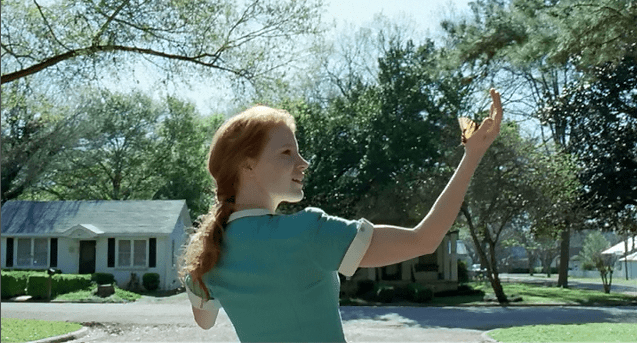
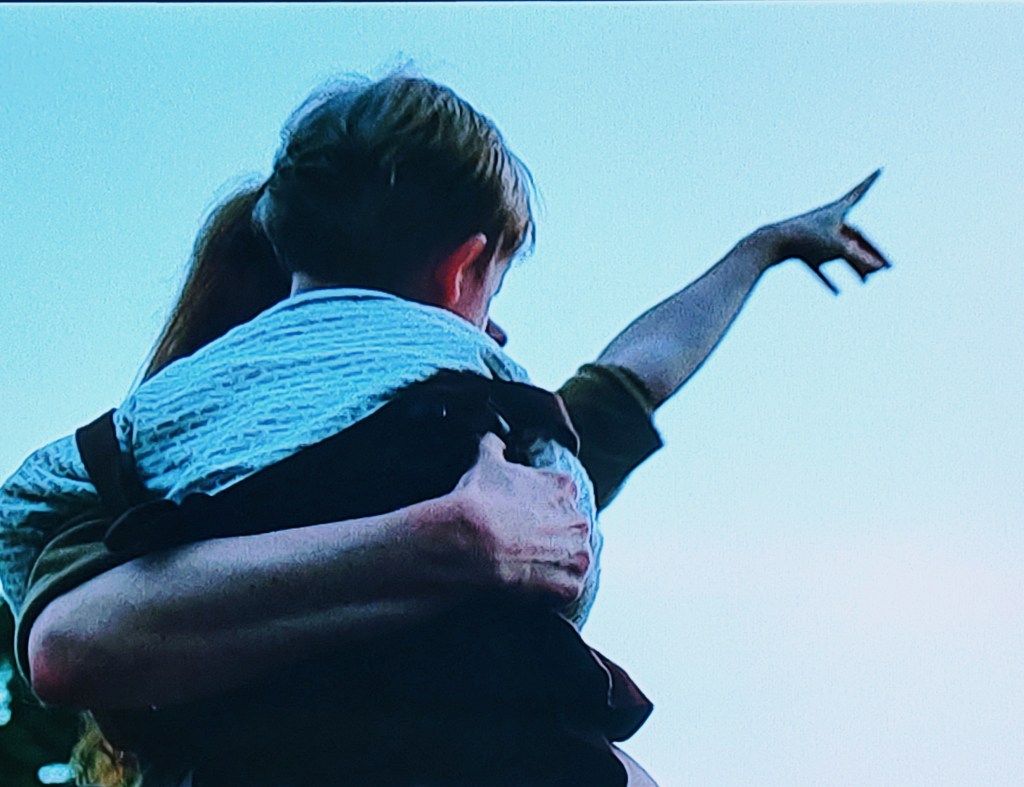
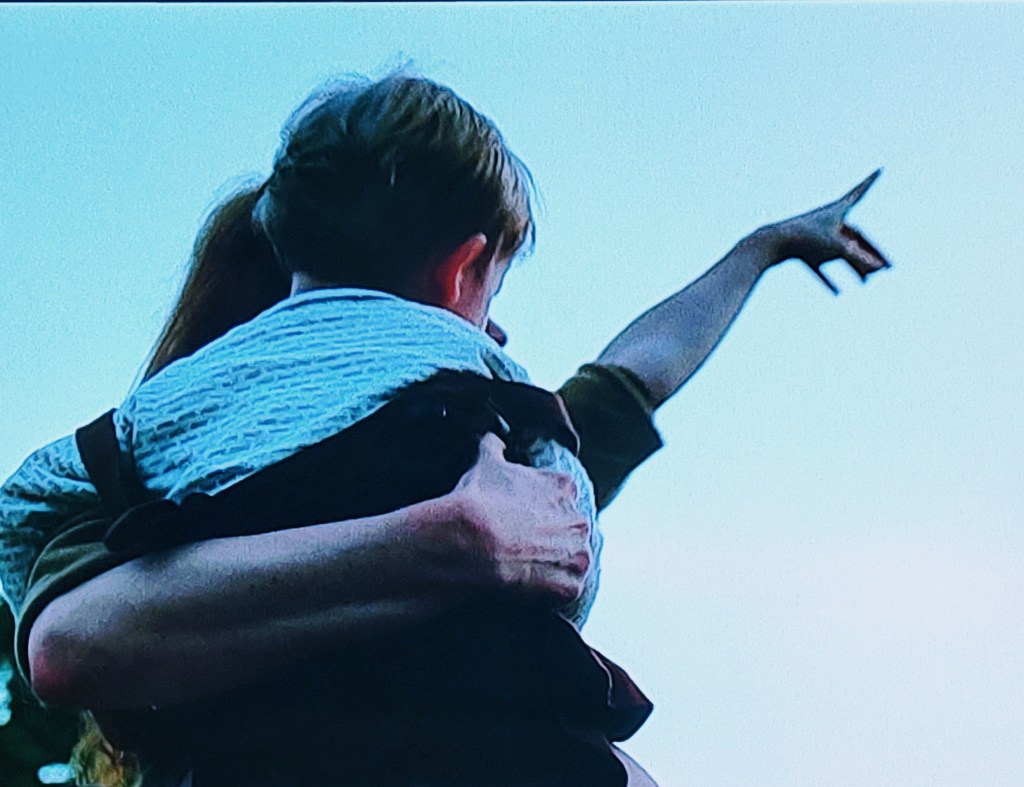
Christianity is also often misunderstood, especially today, but the organization of Christianity does not directly determine one’s life. (Principle) Being a serious man, God gave Job all sorts of hardships. The story is about God answering Job’s questions. The meaning of this quotation from Job, about what controls the mind and makes it free, is to make us aware of the outer limits of those human creations. The exuberant natural beauty always present in the Old Testament stands for the very Father of Jesus in the New Testament: Jesus is also studying the Old Testament. When the mother in the film pointing to the sky and saying “That’s where God live”, it is the beginning of making the child aware of God, but is it the beginning of allegiance or a compass? To whom have we pledged our allegiance? What about our compass?
Some days the abode of God in the sky, where his mother taught him, is beautiful, and some days it is out of sight. God can give and God can take, and the remembrance that is with Job is no longer the time he had with his brother who was alive. It is a remembrance after the death of his brother. Why was the father so strict with his eldest son, the protagonist, it begins with the story of his father’s desire to become a musician. As a devout Christian, he never became a musician, preferring to work in a factory. His father was not proud of him and was rather stern with his eldest son, Jack, not wanting him to resemble him: Jack did what his dad said and was mature. While his father is away on business trip, he finds a brief rest with his sweet mother and a sense of freedom, But the neglect of his father’s absence brings Jack to turn slowly to delinquency. When his father returned from a business trip, Jack was rebellious.
Over time, the children grew up, only to receive news of their brother’s death in the war.
Research into the Vietnam War draft suggests that until 1975, conscription was by lottery. The eldest son, in contrast to his younger brother who passed away as a result of the lottery, became a winning adult, following in his father’s footsteps. With the details of how it happened, the film comes to the sea imagined by a spirit world that seems to be self-healing.
Is the father, who gives and takes away, like the God of the Old Testament? and the kind mother like the Virgin Mary? and yet where is Jesus, the savior Jesus is absent in this film.
3
Christianity is also often misunderstood, especially today, but the organization of Christianity does not directly determine one’s life. (Principle) Being a serious man, God gave Job all sorts of hardships. The story is about God answering Job’s questions. The meaning of this quotation from Job, about what controls the mind and makes it free, is to make us aware of the outer limits of those human creations. The exuberant natural beauty always present in the Old Testament stands for the very Father of Jesus in the New Testament: Jesus is also studying the Old Testament. When the mother in the film pointing to the sky and saying “That’s where God live”, it is the beginning of making the child aware of God, but is it the beginning of allegiance or a compass? To whom have we pledged our allegiance? What about our compass?
Some days the abode of God in the sky, where his mother taught him, is beautiful, and some days it is out of sight. God can give and God can take, and the remembrance that is with Job is no longer the time he had with his brother who was alive. It is a remembrance after the death of his brother. Why was the father so strict with his eldest son, the protagonist, it begins with the story of his father’s desire to become a musician. As a devout Christian, he never became a musician, preferring to work in a factory. His father was not proud of him and was rather stern with his eldest son, Jack, not wanting him to resemble him: Jack did what his dad said and was mature. While his father is away on business trip, he finds a brief rest with his sweet mother and a sense of freedom, But the neglect of his father’s absence brings Jack to turn slowly to delinquency. When his father returned from a business trip, Jack was rebellious.
Over time, the children grew up, only to receive news of their brother’s death in the war.
Research into the Vietnam War draft suggests that until 1975, conscription was by lottery. The eldest son, in contrast to his younger brother who passed away as a result of the lottery, became a winning adult, following in his father’s footsteps. With the details of how it happened, the film comes to the sea imagined by a spirit world that seems to be self-healing.
Is the father, who gives and takes away, like the God of the Old Testament? and the kind mother like the Virgin Mary? and yet where is Jesus, the savior Jesus is absent in this film.
My interpretation as a Christian is that the film portrayed Jesus’ absence. A celebrated absence from Jesus is the three days before his resurrection after the crucifixion, but there is also a story in the Gospel of Mark, for example, of a master who goes on a journey. The film repeatedly turned our attention from the inside to the outside, and the trick was to turn our awareness towards the ‘absence’. Early in the story, Peter Rabbit’s father goes to Mr McGregor’s house, where he is later killed. Next is the father’s absence on a business trip.
Next is the father’s business trip. The final would be his brother’s conscription. The absence by crucifixion is extraordinary, but the absence of Mark’s Gospel fits into everyday life. In Mark 13:32-37, Jesus says that a person who leaves his house to go on a journey should assign the servants He assigned them tasks, gave them responsibilities and told the ‘gatekeepers’ to stay awake. To be able to open the door when the messiah returns.
4
The film is based on the director’s own experience, his brother committed suicide (research 2022) I did not know this at the time of the film’s release in 2011, but when I looked it up recently, I heard the real story was his brother’s suicide, which seemed to make sense. The absence of Jesus (the Messiah) is a sign of this, and for the person concerned, it is an illusion that their faith has disappeared, but they have realized that this is not the case and that the sentiment is always Jesus who has gone on a journey. Nobody thinks that hope is on a trip when they are disappointed: Usually we see it as a loss of hope.
Having changed suicide to war death, the hatred of the father appears to be a transitory adolescent thing. By making these changes it seems like forgiveness to the director’s father.
There is one scene where the father admits and confesses that his educational policy was wrong, but the son, who grew up, forgives his father not to be wrong. Where did his brother’s soul go, did it go to heaven, “Why didn’t you (the Messiah) come?”, these are questions that cannot be answered easily. In the sense of creating something that cannot be settled, it celebrates the nature of the Old Testament, which is the Messiah travelling to the end of the world beyond our visibility. The reason why the Messiah’s presence was not clearly expressed is probably because the Messiah’s return is not certain.
Probably the reason he did not clearly express the presence of the Messiah is because we are not sure if he will return. Even if the noun faith becomes a verb, it cannot reveal its existence as a ‘noun’ to those who do not believe. Unless you find its existence in the other person’s mind, the messiah is in someone else’s thought. However, we are supposed to practice love as we should. That is kindness and forgiveness.
If you had to choose how to live, which one would you choose? Which life would you choose, to call the nature you witness worldly or to call it a blessing of God? Which would fulfil the heart of the real world you witness? Or which affliction would you accept? Suffering will always come no matter which you choose. When did the question definitively come to me?
At a Bible study group meeting, I was asked why I was baptized. One man replied that it was because of the miracles of Jesus. I had nothing to say. I can remember, in the middle of one of my seminars, I saw myself opening the revolving door and walking out. Looking up, all I see are skyscrapers and I lose my sense of direction. There was a scene in the movie where my dad lost his job: My father was also laid off from his company. This major restructuring of a large company was treated in a good way, as a rebirth of the company. My mother ran away from home and I had to rush to work, abandoning my dreams at the time. What did I need to know to be able to accept them, how many times the share price had increased with the sacking of my fathers? If it was by God that I was deprived, I thought I could have it again. If it wasn’t God, I would just be deprived. But what I knew was that now God was absent. For me, too, the Messiah was absent. After a long time, however, this event has ceased to be of any importance. The major foreign companies that tormented employees of the father’s generation back then pulled out of Japan last year. My mother has also come home. Yet, for me, Jesus is always absent. Tree of Life was not a highly regarded film, even for Catholic priests. And that’s just as well, because they can’t say anything other than ‘be present’ to them. For example, “Ask and it will be given to you; seek and you will find; knock and the door will be opened to you.” (Matthew 7:7), the world may also need a presence that gives hope.
I have a lovely cat in my house. He understands whether a kind word or a harsh word is spoken. My mother did not believe in God. I held this child in my arms and taught him about God’s house. I never heard my mother talk about God, but I still loved her voice. I wonder if what a mother being tells her child is about God or the beautiful sky. Even in the moments of time that pass by, I have found that I too receive love and then give it again. It was not an elaborate declaration of faith that was important. It was the words I love you.――It came from the Kingdom of Heaven.
Summary.
Tree of Life, a film released in 2011.
Despite being described as a Christian film, I had never seen this film rated by the Ministry.
By quoting the Book of Job, we are deprived of many things: the death of a classmate, the loss of his father’s job, the death of his brother, but there was no scene worthy of praise from God at the end of the Book of Job. It was thought to be a self-sacrificing, paisicidal film, with love as pain, a Christian peculiarity, but when I watched it again for some reason, I recognize there was no figure similar to Jesus, followed by a father, a mother like Mary, who is a symbol of God. The master of Mark’s Gospel goes on a journey, however, to the place where the master of the Gospel is not. The master of Mark’s Gospel goes on a journey, But while waiting for a person to be the ‘keeper’, so ‘the absence of Jesus’ was noticed.
In the real story, his brother committed suicide. ‘The absence of Jesus’ has been with me for a long time. But recently, hope has been travelling about absence, about whether to live in the secular or in God’s grace.
If nature or God’s grace, then the visual beauty of that nature may be the journey of Jesus, or so it seemed to me. In the real story, his brother committed suicide. ‘The absence of Jesus’ has been with me for a long time. But recently, hope has been travelling about the absence. Whether to live in the world(Nature) or in God’s grace.
If nature – God’s grace, then the visual beauty of that nature may be the journey of Jesus, or so it seemed to me. So, “stay awake.”
She knew what was required of her. Not simply a letter, but a new draft, an atonement, and she was ready to begin.

McEwan, Ian. Atonement (p.332)
*This article contains information on suicide.
Mallarmé says the psyche is like a melody, hard to reassemble. I have often misinterpreted that as ‘it can be rebuilt’, which is exactly the opposite of what he said. For an unknown reason.
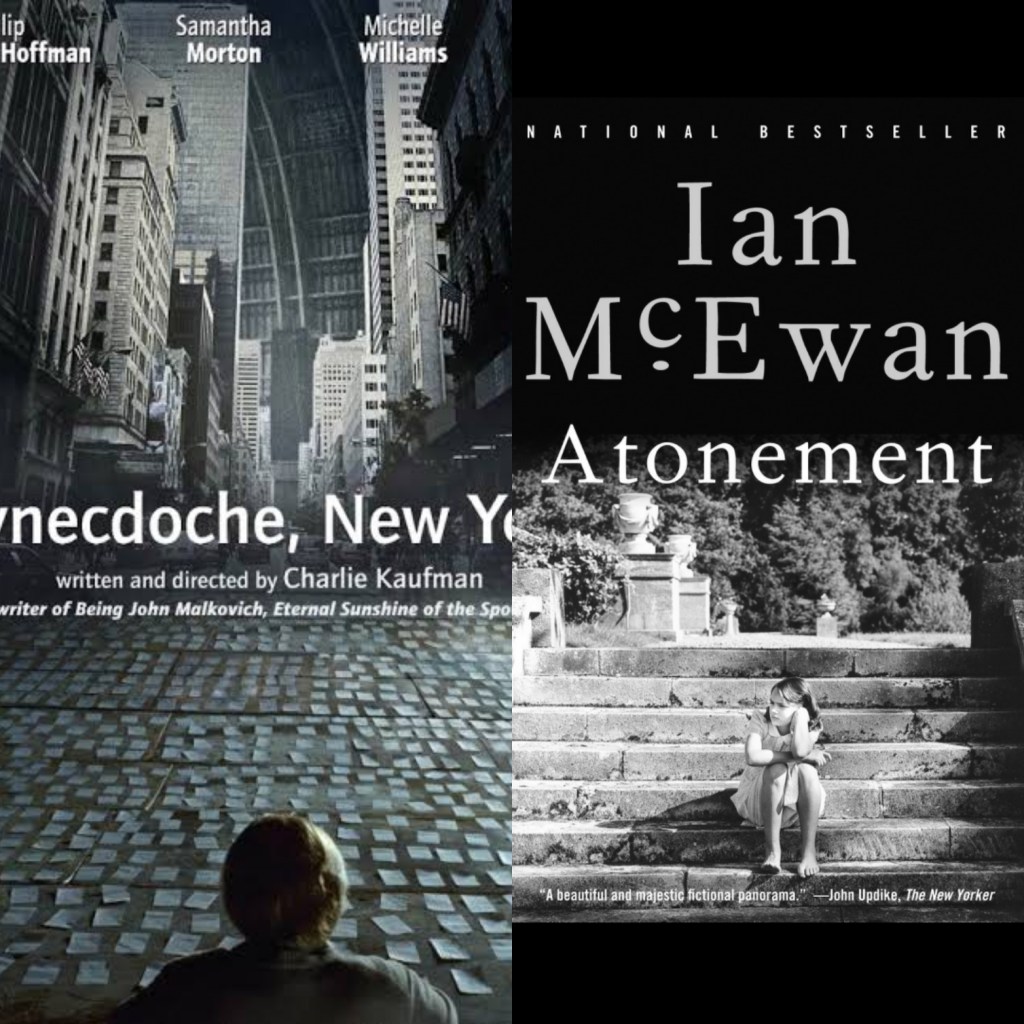
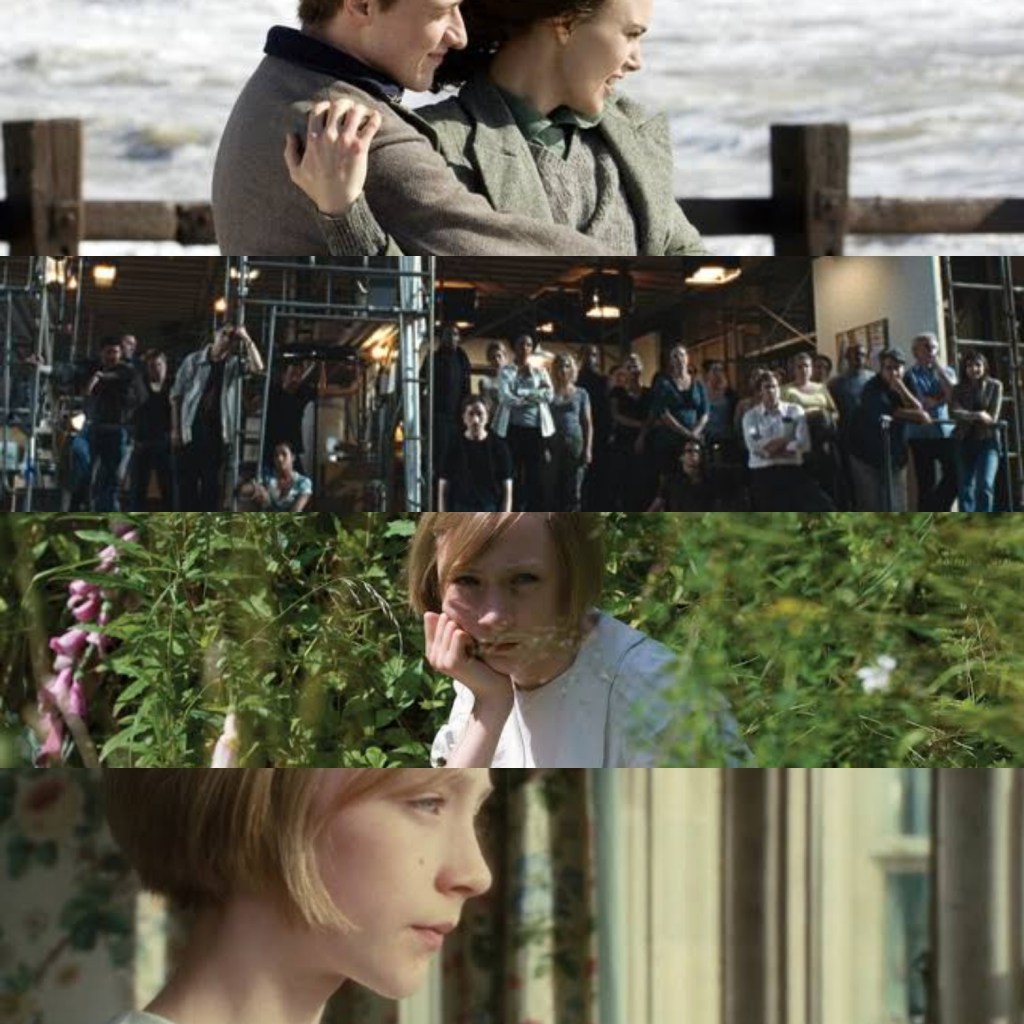
In the film Synecdoche, New York, a man who once won a big award for a stage play tried to create another New York to pour his life into his next film. When the tragedy strikes, he adds a note to the script: As a result, the theatre has not been open to the public for more than 17 years and the world continues to swell. In it, a priest actor says: “You only see a tenth of what is true. There are a million little strings attached to every choice you make. You can destroy your life every time you choose, Bat, maybe you won’t for 20years, and you may never ever trace it to its source” Writers are responsible for themselves, but in contradiction, they can’t make their work in their own shell. The man who played his part jumped to his death and apologized to his dying daughter; he was not forgiven by her. She said his daughter would never forgive him and died. If she had lived a few minutes, would her answer have been different? He tried to write a fictional world in which he could perhaps be forgiven by her. The stage seemed to be a never-ending redemption for him. Redemption is God’s work, atonement is human work, atonement is an attempt to make up for a deficit or loss, and redemption is facing one’s sins, but when the writer confronts sin, he or she sometimes retreats into a shell of redemption. Redemption is God’s work, atonement is human work, atonement is an attempt to make up for a deficit or loss, and redemption is facing one’s sins, but when the writer confronts sin, he/she sometimes retreats into a shell of redemption. Then, while thinking and asking ‘what is Atonement’, he tries to make use of the deficient parts in his stories. For a writer to represent ‘Atonement’ seems like a challenge.
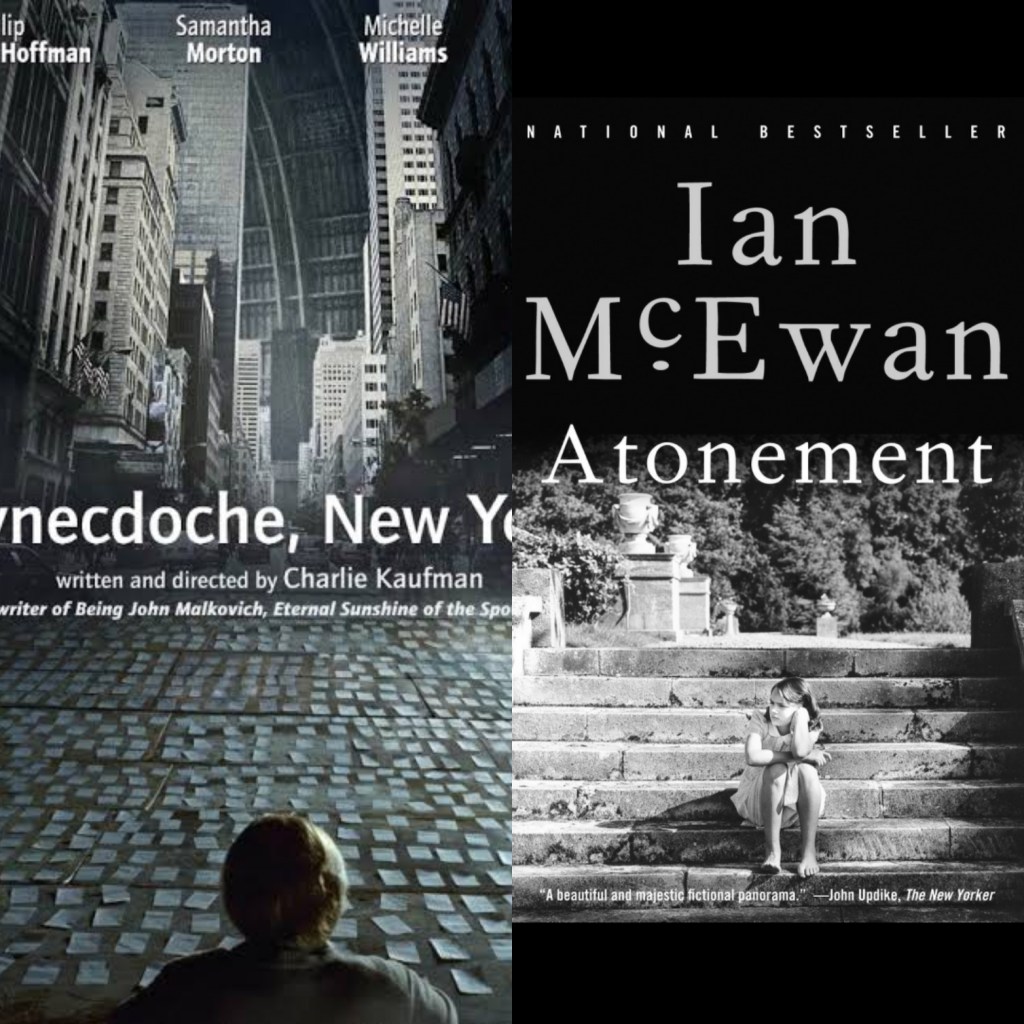
Ian McEwan’s Atonement is a striking example. The main character, Bryony, told an unpardonable lie at a very young age. Although the girl was already of age to understand what was happening, she was still very young. Bryony’s lie tears his sister and lover apart and he’s in jail for a crime he didn’t commit. Eventually, war breaks out and they die, so they never get reunited. Bryony works as a nurse and begins to write single-handedly and starts writing Atonement. Why was it ‘Atonement’ and not ‘Redemption’, because in her novel she wrote her sister and her boyfriend to be reunited. However, why is such a masterpiece so well known, when the public and readers still feel it is unexplainable? Because this leaves the author with the fact that the ‘Redemption’, which is at the heart of the performing of the atonement, never ends.
I was also unable to write for the last time when I published in 2016. The recuperation period was so long that I didn’t feel alive and I found myself dreading the time that had passed in 2022. During that time, I do not deny that I was like the main protagonist of Synecdoche, New York”. Seasons turned when I misread Mallarmé’s poems over and over again. Once published in 2019, ‘Precious and faithful disease.’ was originally a full-length story, which was cut out in the introduction as a short story as my health deteriorated. Later it was supposed to be continued and prefigured, but it became still harder to write. The idea was conceived around 2012, and the suicide of a cleric, a sacred being, is found in the Tale of the Heike, or even further back in the Kojiki. I chose it as a subject that only the Japanese could write about, but I knew that even if the subject matter was misleading, it would need to be retrievable. I could not think properly, the days passed as though I had brain fog. Aside from not knowing how long it would take to heal, I never saw the manuscript finished finally. and As I was avoiding it, I began a recovery period as I worked on other writing projects. This story began in the early stages like this. ‘My sister committed suicide. Father, it is your fault’, however, in the rest of the story, which was not published, it was a phantom vision that the priest had seen.
Selimi was in fact alive and converted. And as a writer, she had been successful in Christian evangelism and was gradually gaining credibility. Over time, one of the readers told the writer’s story at a baptismal ceremony. When a priest heard about it, he had alienated her, and killed himself because he thought his secret had been revealed. However, the novel she had actually written described only the kindness and good stories of the priest, and the subject matter was completely different and the story of her conversion. If I could have published it till the end, I would have approached the title “Faithful Disease” at the end of the book. But I was skeptical about the possibility of a modern novelist working on someone’s religious beliefs, so-called evangelization, and since I had never achieved it, I felt it was too imaginary to publish.
Over the past few years, two miracles have occurred, The first is Spring Snow. I took it from Yukio Mishima, although it is an unpublished part. At the time of writing, however, it was not possible to see snow falling when the cherry blossoms were in full bloom. It seems that snow had always fallen during the cherry blossom season from time to time, but it was not until 2020 that spring snow was featured significantly. In fact, it was not until 2022 that I was actually able to see it. So this piece will be presented as the next one, although there will be significant changes.
Secondly, I thought was that it would be good if it was in the hands of new baptismal candidates so that the rosary could return to the church a step ahead of them. Passion will always come for Christians. For example, like me, you may suffer among the faithful or by the clergy.
In my own self-discipline, I met a young man at the end of a fall due to human friction, myself included. We were the same vulnerable people. The young man told me. ‘I was always willing to go to church if you would take me. ‘You never complimented me on the church, and you never took me. Nonetheless, I love the stories of the Bible, not just your philosophy, and I ended up wanting to be baptized’ Thus the appearance of a new baptismal candidate through me will save not only me but also the sinful clergyman who fell under the category at the time.
Thus the appearance of a new baptismal candidate through me will save not only me but also the sinful clergyman who fell under the category at the time. It was worth hanging on to Corinthians 1 in chapter 13, that love (agape) is circular, after all. If they had not pushed me away, I would never have met the young man. Without that moment of despair I would not have been aware of my presence to the vulnerable. Something about the essence of humanity is visible even in the darkness, and that is what is being questioned. I don’t mind if you don’t apologize to me in the future, but I can only pray that one day those who were sinful at the time will be able to thank God for this new wind and circulation. At least we should be thankful for him who says he enjoys church. That was me once, who was genuine in wanting to learn. We must not allow such a young man to be crushed. So I shall write it down here. As a reminder that your existence continues in someone else’s memory, in their records, even if it is hidden in this way. To borrow from philosophy of Bergson, the past is driven by feelings. I certainly could have criticized Christianity and interfered with the aspirants for baptism.
I did not do that. That was because I was trying to understand Jesus, who said he could stand up to a lame man, not an organization. Without using any special force, Jesus told the lame man that he could ‘stand’.
What I thought my redemption was about was evangelizing through stories, rather than stopping people in their tracks with bad publicity to get back at the other party. The biblical words that grew out of me, a being circulated in love, sinful clergy must welcome the congregation somewhere. There is no other ‘redemption’ for clergy. Even if you go to confession, your redemption is forever dark. There is no time to go back. Redemption is to be someone’s hope. Next time, it will be God’s command to save people, not to save themselves, but to save others, even if they have to vomit blood. I also feel sorry, however, that the clergy have a destiny that will affect them for the rest of their lives, more so than ordinary people. For me, I do not have that predestination. I pray for the day when I will be liberated in consideration of them.
My sins are, for example, that when I was rushed to hospital,
A friend of mine who came to pick me up began to tell me that he was afraid of the Grim Reaper and Reapers possess people. I knew nothing about it, I laughed and said that the Grim Reaper didn’t exist, but I was the one who made them think so. For me, the priests have already become unimportant. But redemption continues for those who have been wounded because of me.
This rosary has been with me for more than ten years. During that time, there have been deaths of friends and various farewells. Once I tried to dispose of the Catholic connection, but I kept the rosary. What I could not throw away at that time, and could not in theory, is that it lived on here. I gave it to a young man to remember to pray at all times. I have recently learned to run a little. My voice has also come back beautifully from the period when I could not speak. So my prayers have also become beautiful.
It was certainly not the misfortune of any one person’s fault. But … Anyway, You should pray.
The doctor said to me, “Gradually it will become possible to see. The light moved without being able to decide where to stay, and tried to create space, but the shapes were dreaming too much in my heart, and I was afraid of waking up. Outside is a nightmare, or is it possible to wake up?
The emotional conflict inside of the shadows and the light seemed to overwhelm me.
Outline
I am left with the memory that I was blind. When I say, ” touching the world,” it’ s not a metaphor. It is a recurring memory of the day I was blind and could see for the first time. And yet, the emotion of “that day” when I could see has faded, and this memory is like a stranger.
I wonder if I’ve come back to life or am I a stranger.
On a summer’s day the painter contemplated death, and on a winter’s day the writer found the body of a musician. Fleeing footprints were burst shot by the photographer.
By the way, where you were “that day”?
From the Author.
As for my own experience, there was a six-year period when I couldn’t write since my last publication (2016). Then I structured the novel in seven chapters based on the seven days of Creation in Genesis.
Publication schedule: Winter 2022 – Spring 2023
Language: Japanese and English
English version may be requested from a translator.
I adapted this photograph to show the protagonist, who experienced a past of blindness, repeating his/her memories. “The emotional conflict inside of the shadows and the light seemed to overwhelm me“
"Bring me the two most precious things in the city,"
The Happy Prince- Oscar Wilde
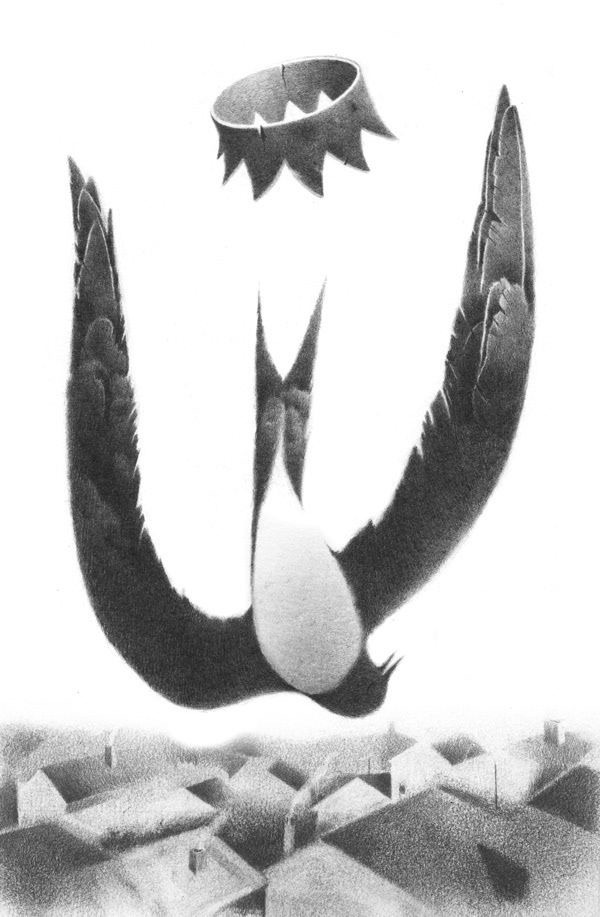
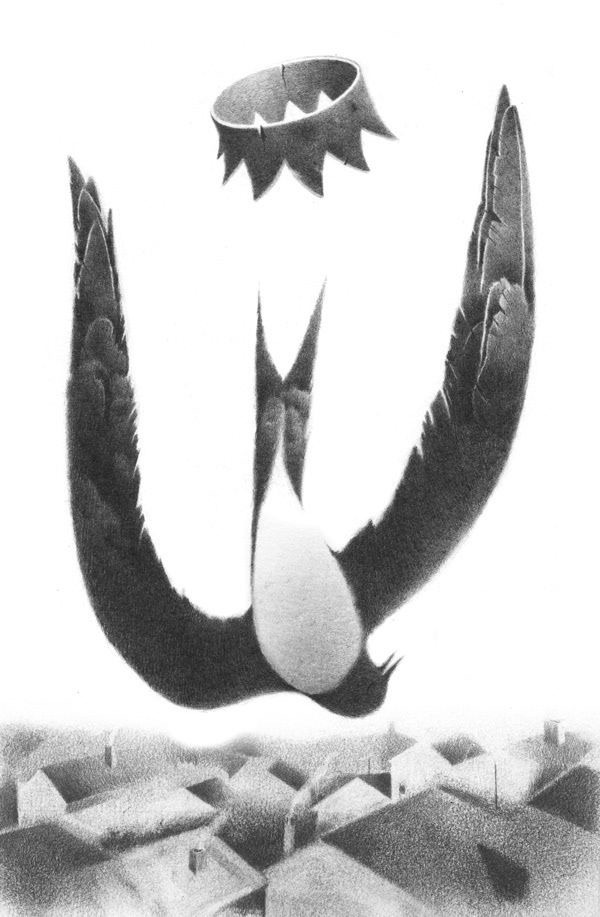
Prometheus took the fire from the heavens and gave it to humanity. For that, Zeus punished him. Both he and Jesus loved the human. In Greek mythology and in Jesus, the divine beings who gave their love to mankind were punished. The Happy Prince would be Wilde’s most Christian work, with the hope of converting him to Catholicism. Retarded on his way to Egypt, the swallow attempted to rest at the feet of the prince’s statue. Then the statue of the prince wept――.
The reason the swallow was 6 weeks after the others was because he was in love.
He asked her Shall I love you? She nodded yes. “Will you come away with me?” he said finally to her; but the Reed shook her head, she was so attached to her home. She was making out with the wind. The swallows said goodbye and went away.
Before his birth, the prince was beautiful like an angel. He was called the ” Happy Prince ” and became a statue. The prince, who did not know the outside of its walls, passed away happy.
When the prince found himself outside the walls, he despaired of the poverty and lowliness of the world. The prince asked the swallows to take to the poor the jewels and gold which decorated him.
At last, the prince had nothing left to give. The swallows were exhausted. The swallow finally kissed the prince and they both died. The prince’s body was melted, but for some reason his heart was not melted, so that he was discarded with the corpses of the swallows. God said, “Bring me the two most precious things in the city,” An angel picked the two souls and led them to the kingdom of heaven. In the picture books I read in my childhood, the love of swallows in the first half of the story and the Christianity of the last half were omitted.
The scene of poor people on a winter day reminds us of Andersen “the little match girl”, but the happy prince has a match-selling girl. The last person the swallows give the gold foil to is the matchgirl. Swallows are monogamous and raise their youngsters in couples. Swallows transport their food over 100 times, so this story makes ecological sense.
It is believed that the prince, who had never known outside the walls, died and never became an adult because he remained a prince, a title he held. Oscar Wilde also refers to children’s sacredness in his other book, The Selfish Giant. The giant had a lovely garden among its walls. With the giant gone, the children came to play. When the giants found them, they sent the children away. Then Spring stopped coming to the garden. The giants let the children in. This suggests a profound belief that children will go into the kingdom of heaven, as we have read in Matthew 18:3-5.
If you imagine a swallow flying around for the poor, the image recalls a street and a space. Time is a space, the analogy of Bergson appeared to indicate. Time is not linear, nor is it ephemeral. The flight of the swallows is repetitive, linear, planar. The swallows and the prince lived in an interior time different from the “exterior” time of the adults who had the prince who had lost his ornaments. Their kind-hearted deeds are different from the regular time. It is durée pure; They lived in the ambivalence of transmutation and preservation. How difficult and costly it is to love a human being. This is demonstrated by the description of the impoverished town and its inhabitants.
The prince was wealth itself. It was too big to share with the people. That’s why he needed the little swallows to get past a like needle hole. As it is more difficult for the wealthy to enter the kingdom of heaven than to go through the eye of a needle (Matthew 19:24), they begin their preparation for the narrow gate. (Luke 13:23,24) But the prince said to the swallows that misery was not a mystery. They will be carried by angels.
A most beautiful soul.
When the pure presence of the soul appears in the world of writing, a light comes into view.
It was as if, with the association of dawn in the mind, the beautiful sunrise revealed the presence of God. That the self-serving dialogue of the poor streets would fade into the distance;Our immersion rises into the kingdom of heaven.
When I was a little girl, I never wanted to be a stopped swallow;I wanted to be the swallow that ignored the prince and flew to warmer ground. But I realized what it meant to be a swallow that had nowhere else to fly but Sacred love.I thought of the Japanese words of prayer before Communion: Leaving you behind, who will I go to?
Bergson
Oscar Wilde – The Happy Prince
Bible Christianity
備考(Note)
Leaving you behind, who will I go to? Japanese Mass
my soul shall be healed English Mass
参考資料 Reference
『Brief Lives: Oscar Wilde』by Richard Canning Hesperus Press Ltd.
ツバメが他のツバメよりも6週間も遅れたのは、ツバメは恋をしていたからだ。相手はReed(葦)でした。Shall I love you(君のことを好きになってもいいかい?)と始まった恋、彼女はうんと頷きました。一緒に遠くへ行かないか、というと彼女は首を横に振りました。風と浮気性の彼女、ツバメは彼女に別れを告げて旅立ちました。金の銅像の王子は生まれ変わる前は天使のような存在でした。塀の外を知らない王子は、幸福のまま死にました。彼は「幸福の王子」と呼ばれ、銅像になった。塀の外を知った王子は世の貧しさと卑しさに絶望していました。王子は貧しい人達に自分を飾り立てている宝石や金をツバメに運んでもらいました。
La vulnérabilité des choses précieuses est belle parce que la vulnérabilité est une marque d’existence.

Something of value is vulnerable and helpless, and it's beautiful. Because their weakness is a sign of their existence.

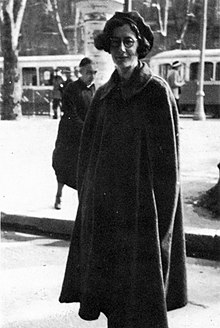
Simone Weil
La Pesanteur et Grâce(Coincidences)
This article contains information on suicide.
Weil wrote in a letter to Gustave Dupont: ‘The right way to write a text is to write it as if you were translating it …… and not to add anything to it.
It is a pen without hesitation that always seems to have an idea (Plato) and is not swept away by the images that spread from the text. I too try to cut out the useless. I couldn’t write everything, no matter how sad it was and no matter how much hatred there was. Even if what I want to convey is painful, even if it is my own voice, I look at what is useless. What you really want to leave behind, like a ‘poem’, will be left in the trail of the scraped-off pieces. It is one of God’s graces – ‘time’ – that must be obtained for healing. It is a lonely task in the extreme, but the joys and sorrows born of it are a given.
I was told that I could read a book before the death of a nun(仏教). At the time I did not think much of the fact that she had sought salvation from Catholicism before she was ordained. It was in the Church that she first opened her eyes and sought salvation in her predicament. But, contrary to Catholic doctrine, which abandoned my child to adultery, she was rejected. Even after her ordination, she remained popular for her humorous take on human problems. I was encouraged to go to her after the accident in 2018 by an older person who respected her and was also a writer. In fact, when I was accepted, she politely refused because I was a Catholic.
She was my last line of communication and afterwards, in the cold February weather, I kept asking myself. (2019)
At the time, I was disturbed by the left-wing activities and opulence of my own church, but the other faithful liked the priest so much that That priest is a good man. You forget him. So I tried to go back to no religion. It is true that I talk more with my friends when I am not religious. Talking about shopping, it is more ‘normal’ in Japan to buy luxury brands every day. They are even respected for their wealth. Still, my days became empty. I began to hate myself. And although I wanted to ask for help, I had forgotten how to ask for it. It was in the early summer of 2019 that I started thinking about suicide for the second time. My second decision was because I couldn’t go back to being non-religious. Establishing themselves as writers. I decided that I would be treated as ‘crazy’ in this country. If that was confirmed, I could stand as a religious person, but that was no longer the case. I am just a mad, ordinary person. The breakdown of the negotiations with this nun accelerated things. When you are in a tight spot, you gradually stop looking for reconciliation of souls. In fact, as was the case with me, PTSD caused me to lose my memory several times during my first suicide attempt in 2018. It’s as if the floor is oiled and the thoughts can’t get up and slide away. People in distress are in distress and the words that come out of their bodies are sometimes incoherent. I who cannot speak well, I who have reduced intelligence, me who…… That is why my ugliness was the trauma of secondary damage.
During my time in the convalescent home, I was also encouraged by friends not to live as a Christian, but to stay at the level of liking the Bible as a hobby. I knew that this would be better for me in Japan. But I could not find anything affirming in the non-religious world. When I look for arguments for soul and holiness instead of income and work, I find that the non-religious are all a mishmash of other religions. There is nothing original. Still, something was missing for me that most Japanese could live with in a way that made sense to them.
I kept running away from my faith. I was also looking for ‘normalcy as a Japanese’. But last year (2020), the Catholic Church and the bishops helped me when I was in trouble. In retrospect, they accepted this bishop even though they would not have had the advantage of accepting me at that time. That was a step in my conversion on the way to God.
I decided to take a step on the path of repentance.
A series of ‘coincidences’ becomes destiny. People want to eliminate them as much as possible, but coincidences are born.
I think that the ‘theology of liberation’, which originated in South American Catholicism, is necessary. Neither the clergy nor the laity should be the gate that closes the gap between a person in need and Jesus. It is only in times of need that the soul tries to leave. The great reconciliation of the wounded takes time.
I tried to focus on Jesus Christ because, unlike other studies, he was the equal, apart from religious groups.
Other disciplines are constantly exposed to absurdities. And they are subject to the reputation of society, even though they also affirm their own existence. Who can say “I am I”? If you can’t, you check yourself in the ‘mirror’ of others. I has no need of that. He has only loyalty and that is who I am . With this I can be an investment, I can enter into society, even if it is painful, and I can make sense of it. No other study or life can be achieved in the same way. If I am poor, I cannot even open a book. Other religions have barriers because of different races. But the word of the Bible was accessible without money. I think this is unique. Christianity is not absolute, but I was so poor. Not just my heart, but everything was poor. But I could still love the world because of Jesus Christ, who showed me the way to love and live. Jesus said to the man who could not walk. Without any treatment, he said to the man, ‘You can stand. What is faith after baptism?
That’s what it means.
The clergy have hurt us a lot. However. Faith exists in the words of Jesus: ‘Stand up’.
Of course, the ugliness of the religious community does not erase my own loyalty to Jesus.
I thought God gives you time to find out. Vaguely given time is inorganic, but God-given time was certain. Knowing weakness and struggling to reconcile the soul is God-given time. My weakness was ‘proof of existence’.
postscript
I met a priest who teaches ecclesiastical law. So I was saved even more.
La vulnérabilité des choses précieuses est belle parce que la vulnérabilité est une marque d’existence.

貴重なものが傷つきやすく無防備なのは美しい。なぜなら、その弱さは存在の証なのだから。
シモーヌ・ヴェイユ

「重力と恩寵」偶然の章
The image of a man, a thought that I, the other, cannot imagine from its trivial aspect,I think of words that I record time and thought. If I could understand every casual look, the light that comes through the window, the changing emotions, I would feel happy. So I realize what I think is beautiful and what it means to be born. I love everything I love. I hate it, but I love it.
Chris Kyogetu
______________
Rilke’s “My darling”, Das ist mein Fenster, “This is my window”, starts with the inevitable awakening of her inner self and a look at the unconscious exterior. This is Eben bin ich so sanft erwacht… “I just woke up”, a gentle, relaxing moment, like a sprinkling of white powder.
“In the day-to-day life of a person like the window, “Bis wohin reicht mein Leben” (Where will my life reach?), and the eternity of the night and the universe, and the dream.
Ich könnte meinen, alleswäre noch Ich ringsum; (I feel that everything around me is still me), and thus loses the frontier between the interior and the exterior. Is both a bond and an obstacle to the outer world in this poem? She’s falling for him. and across the side world whereas his feelings and awareness of him as “objectivity from outside the window” But this is her reflection. Her existence is “inside” the window. Whether expectant or anxious, the waking ‘now’ is simply her being inside the open window.
I don’t know the details of the “I” relationship with that other person, but the fact that the other person is in my heart means that my beloved is not a quiet presence standing in the depths of my consciousness. My analysis of the poem is that it is a window on the outside world, without any intervention or controller (e.g. God) between ‘me’ and the ‘loved one’.
The original reality is the margin in which the poem ends. The world of empty margins, where nothing is written, exists for the poet independent of his own spirit, and when the poet enters into the spirit of a person, It means it changes the reader’s vison. If the window becomes special as of this day, it is a success.
It is beautiful to see the interior growth and the interior finesse.
I believe that a beautiful poem is beautiful, even in its borders.
__________________________________________
The Lover
That is my window. A moment ago
I woke up so softly.
I thought I would float.
To where does my life extend,
and where does the night begin?
I could think that everything
were still me all around;
translucent as a crystal’s
depths, darkened, dumb.
I could also contain the stars
inside me still; so large
does my heart appear to me; so gladly
it released him away again
whom I began perhaps to love,
perhaps began to hold.
Strange, as something never-described
my fate looks at me.
For what am I laid under this
unendingness,
fragrant as a meadow,
moved here and there,
calling out at the same time and afraid
that someone will hear the call,
and determined to find my downfall
in another.
R. M. Rilke
Die Liebende ( Rainer Maria Rilke ) 訳・Chris
Das ist mein Fenster. Ebenbin ich so sanft erwacht.
Ich dachte, ich würde schweben.
Bis wohin reicht mein Leben,und wo beginnt die Nacht?
Ich könnte meinen, alleswäre noch Ich ringsum;
durchsichtig wie eines Kristalles Tiefe, verdunkelt, stumm.
Ich könnte auch noch die Sterne fassen in mir, so groß
scheint mir mein Herz; so gerne ließ es ihn wieder los
den ich vielleicht zu lieben,vielleicht zu halten begann.
Fremd, wie niebeschrieben sieht mich mein Schicksal an.
Was bin ich unter diese Unendlichkeit gelegt,
duftend wie eine Wiese, hin und her bewegt,
rufend zugleich und bange, daß einer den Ruf vernimmt,
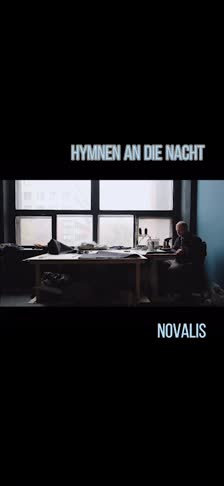
Welcher Lebendige, Sinnbegabte, liebt nicht vor allen Wundererscheinungen des verbreiteten Raums um ihn, das allerfreuliche Licht – mit seinen Farben, seinen Stralen und Wogen; seiner milden Allgegenwart, als weckender Tag.
Wie des Lebens innerste Seele athmet es der rastlosen Gestirne Riesenwelt, und schwimmt tanzend in seiner blauen Flut – athmet es der funkelnde, ewigruhende Stein, die sinnige, saugende Pflanze, und das wilde, brennende, vielgestaltete Thier – vor allen aber der herrliche Fremdling mit den sinnvollen Augen, dem schwebenden Gange, und den zartgeschlossenen, tonreichen Lippen.













 Chris Kyogetu