Cahier2024/01/22 Japanese

シモーヌ・ヴェイユ「幻想」(重力と恩寵)

・On se porte vers une chose parce qu’on croit qu’elle est bonne, et on y reste enchaîné parce qu’elle est devenue nécessaire.

・Les choses sensibles sont réelles en tant que choses sensibles, mais irréelles en tant que biens.

・L’apparence a la plénitude de la réalité, mais en tant qu’apparence. En tant qu’autre chose qu’apparence, elle est erreur.

L’illusion concernant les choses de ce monde ne concerne pas leur existence, mais leur valeur.

L’image de la caverne se rapporte à la valeur. Nous ne possédons que des ombres d’imitations de biens. C’est aussi par rapport au bien que nous sommes captifs, enchaînés (attachement). Nous acceptons les fausses valeurs qui nous apparaissent, et quand nous croyons agir, nous sommes en réalité immobiles, car nous restons dans le même système de valeurs.

ceux qui ont nourri et vêtu le Christ ne savaient pas que c’était le Christ.

・私たちがある一つのものに惹かれるのは、それが良いものだと信じているからであり、私たちがそれに縛られ続けるのは、それが必要になっているからである。

・感覚的なものは感覚的なものとして実在するが、善としては非現実的である。仮象は現実の完全性を持っているが、仮象としてである。

・仮象には現実の完全性がある。仮象以外のものとして、それは誤りである。

・この世のものに関する幻想は、その存在に関わるものではなく、その価値に関わるものである。洞窟のイメージは価値に関係する。私たちは善の模造品の影でしか持っていない。私たちが囚われの身であり、鎖につながれている(執着)のも、善との関係においてである。私たちは目に見える偽りの価値を受け入れ、行動しているつもりでも、実際には同じ価値体系の中にとどまっているため、身動きがとれない。

・キリストに食べ物を与え、着るものを与えた者はそれをキリストと知らなかった。

1「外観」

L’apparenceとはフランス語で「外観」と意味するが、法哲学や、心理学では仮象と訳すことがある。仮象とは現実の完全性を持つ一方で、現実の外観だけでなく他の対象に対しても誤解をもたらす可能性がある。日本語の概念ではあまり無い感覚なのかもしれない。フッサールは「想像作用」と「空想」を区別したが、フッサールは現象学において仮象や価値の考え方に関するアプローチを提供した。ヴェイユの引用の中でも現象(物理的な感覚)と価値(仮象)の区別が言及されている。

ceux qui ont nourri et vêtu le Christ ne savaient pas que c’était le Christ.

・ “ceux qui”:これは「〜をする人々」と訳され、特定の人々を指しています。

・過去の動詞形 “ont nourri” および “ont vêtu”:これらは直接翻訳すると「〜を養った」と「〜に衣服を与えた」になります。過去の形であることから、過去の出来事を表す。

・「que c’était le Christ」:これは「それがキリストであることを知らなかった」という意味です。queの後には主格である「c’était le Christ」が続く。

・音韻的な美しさ:この文では、母音と子音のバランスがあり、リズム感がある。例えば、「nourri et vêtu」のフレーズは、音の響きが繊細で響き合っていることから美しく感る。

2 「仮象」と「思い込み」の違い。

仮象とは、現実世界で直接経験したことのない物や事象を、想像や推測に基づいて頭の中でイメージすることを指す。思い込みとは、仮象と異なる概念で主観によって歪んだ認識をして疑わないこと。要するに「仮象」とは現実的に存在し、誤認はあるものの修正可能も含まれる。しかし、思い込みは修正が不可能な場合が多い。例えば、広告やマーケティングの分野では、仮象を使って人々を引き寄せ、その商品やサービスに固執させることがある。私たちは個別の商品やサービスの背後にある真の価値や利益を見逃さないようにする必要がある。また、自己啓発や人間関係の分野でも、他人の仮象や期待に捕らわれずに、自分自身の真のニーズや幸福を重視することが重要になる。

3 「善」「正義」

ヴェイユの断章は、詩のようでありながらも哲学が根底にあるように見える。例えばこの引用は、「プラトン」哲学の「善」と「正義」が元になっているのかもしれない。プラトンの「国家」では正義は魂に帰属している。ここでいう「洞窟」のイメージはプラトンの「国家」の洞窟の例えで間違えはないだろうと思う。

このたとえでは、人々が洞窟に閉じ込められ、洞窟の奥にある火によって壁に映される 影 を見て生活している状況が描かれている。彼らはその影を現実と信じ込み、洞窟から出ることはなかった。しかし、ある人物が洞窟から脱出し、外の世界を目にすると、初めて真の現実を知ることになる。そこでは、光や色、形など、洞窟の中で見た影とは異なる概念や事物が存在していた。この人物は、新たな知識や真理を見出し、洞窟の他の人々にその存在を伝えようとしたが、彼らは影の世界を信じ込んでいて、外の世界の真理を受け入れることを拒んだ。このたとえは、知識や真理の獲得についてのプラトンの考えを表している。洞窟は物質的な世界や感覚的な経験を象徴し、影は知覚による認識を意味する。一方、洞窟から出た人物が目にする外の世界は、理念界や形而上学的な真理を指すことになる。

プラトンの洞窟のたとえは、私たちが物事を現実の姿ではなく、その仮象や影の形でしか見ることができないことへの喩えである。洞窟の中にいる人々は壁に映し出された影を見ているだけであり、真の現実を知ることができないしたがって、「仮象」は洞窟の中に存在するものの、それが真の存在や現実であるとは言えない。それは、私たちが認識する世界は現実の一部であり、それ以上の真実や本質が存在することを示唆している。「仮象」はある意味では存在するが、それが真実や現実の完全な姿ではないことを強調する。

これは真理や知識は理性によって得られるべきであり、物質的な世界や感覚的な経験に囚われている限り真の理解は不可能だということの例えでもある。

プラトンの「国家」では正義についての真実を知りたい欲求を、善のイデアを通じて対話しているが、フランス語の単語の特徴もあるが、Nous ne possédons que des ombres d’imitations de biens. C’est aussi par rapport au bien que nous sommes captifs, enchaînés (attachement).でBientとは「善」という意味でもあるが「財産」という意味もある。

例えば、これを「財産」と訳する場合はどのような意味となるのか。

「私たちは洞窟の中に閉じ込められており、その壁には私たちの所有する財産の影が映し出されています。しかし、これらの影は実際の財産ではなく、ただの模倣に過ぎないのです。私たちはこれらの影に囚われているため、真の財産や贅沢を知ることができません。洞窟の外に出ることができれば、本物の財産や真の豊かさを経験することができるでしょう」

「財産」としても、私たちが物質的な所有に固執していることや、本物の幸福や豊かさを見落としていることを指摘する。

では、正解である「善」で考えたらどうなのか、

洞窟の中に閉じ込められている私たちが見ているのは、現実世界ではなく、現実の模倣や表象である影です。影は真の現実を反映していますが、それ自体は不完全であり、真の現実を正確に知ることはで機内。「善」とは、真の現実を知り、理性的に理解することになる。洞窟の外に出て真の現実を直接見ることで、私たちは真の善を理解し、受容することができる。しかし、洞窟の中に閉じ込められた状態では、私たちは真の善に関する知識を持つことはできず、単なる模倣の影に囚われたままになる。

このたとえは、プラトンが理想国家を提唱し、哲学者たちが真の善を追求し、それを他の人々にも伝える役割を果たすべきと主張していることに通じている。また、私たちが現実の善に関する知識を得るためには、洞窟の外に出て自己認識と自己超越を行う必要があることも示唆している。

断章続きではあるが、更に、ヴェイユは聖書のマタイによる福音書の26章の37節にイエスと気づかず食べ物を与えて、着るものを与えたという箇所も加えている。それは、キリストの存在を理解することの難しさや、人々の霊的な眼を開く必要性を示している。ヴェイユはこの記述を仮象の中で扱うことによって、人々がキリスト(あるいは神聖な存在)に接しているにもかかわらず、その存在や真理を理解することができないという普遍的なテーマや、神秘的な体験の難しさを表現しようとした可能性がある。

聖書の「財産」(金銭による)の位置付けは、

マタイによる福音書 6:19-21
「だから、あなたがたは地上に宝を積んではならない。そこでは、虫が食って損なったり、盗人が忍び込んで盗み出したりする。宝は天に積みなさい。そこでは、虫が食って損なうこともなく、盗人が忍び込んで盗み出すこともない。あなたの宝のあるところに、あなたの心もあるのだ」

これは、物質的な財産を否定するだけの言葉ではなく、自分の心が何処にあるのか、ということが問われている。イエスを知らずに食べ物や着るものを与えた人たちは、地上の財産と天の宝と「心」を持っていることもある。これはプラトン的な「善」と「正義」とも繋がるのである。プラトンは個人の善や正義が集まって成り立つものであると考えた。個人の魂が善や正義を追求し、実践することによって、国家全体も善や正義を実現することができると説いた。しかし、ヴェイユの話にもあるように、現実問題は「仮象」を含み、思い込んでしまう。「仮象」とは哲学者への問いなのかもしれない。

これはカイエですので、解説ではありません。

Cahier 2023/12/25 English

La pesanteur et la grâce La mal (Simone Weil)

Le faux Dieu change la souffrance en violence. Le vrai Dieu change la violence en souffrance.

“The false God turns suffering into violence. The true God turns violence into suffering”

Alors, où mettre le mal ? 

“So, where does evil belong?”

Il faut le transférer de la partie impure dans la partie pure de soi-même, le transmuant ainsi en souffrance pure. Le crime qu’on a en soi, il faut l’infliger à soi.

“It has to be transferred from the impure part to the pure part of oneself, thus transforming it into pure suffering. We must inflict the crime within us upon ourselves”

Grammar

The use of the definite article, such as ‘Le faux Dieu’ or ‘Le vrai Dieu’, refers to a specific deity.

Verbs such as ‘change’, in the direct present tense, and ‘transférer’ refer to the transfer of a thing to another place.

Verbs such as ‘change’ in the direct present ‘transférer’ indicate that the thing in question is transferred to another place.

The expression ‘de soi-même’ is used to indicate the myself, the self.

The expression ‘qu’on a en soi’ indicates the self and refers to a sin related to the aforementioned part.

The expression ‘à soi’ indicates taking action against the self.

Note:

For some reason, ‘So where does evil belong’ was of interest to me. Weil seems to speak only to his own inner ‘mystery’ and ‘imperfection’. It seems like Nietzsche’s ‘self-transcendence’, which argued that the purpose of human life is self-realisation and transcending one’s own limitations and constraints.

However, the evil in the Catholic prayer ‘Lead us not into temptation, but deliver us from evil’ means ‘Satan’, so Weil, although a philosopher, is influenced by Catholicism, so in this case evil includes Nietzschean evil, but is also close to the Satan positioned by Catholicism is also close to the Devil.

Here, briefly, about Satan. The etymology of the word exorcism does not mean exorcism, but is derived from the Greek word ‘to swear severely, to declare’.

It is a declaration of faith by a person possessed or seduced by an evil spirit, acknowledging the absolute rule of God in Jesus.

Just as in the film The Vatican Exorcist, ‘sin finds itself’, so in the Gospels Jesus speaks of taking up his cross.

Satan, I can’t say for sure at the moment because I have no experience of exorcism ceremonies regarding Satan myself, but I think the story wanted to say that the true God turns violence (satanic) into suffering (cross), and with a false God, when he claims to perform miracles of God, he makes them satanic.

Reference

Matthew : 16 : 24 – Then Jesus said to his disciples: ‘If anyone is willing to come after me, let him deny himself, and take up his cross, and follow me.

Luke : 9 : 21 – But speaking sharply to them, he instructed them not to tell this to anyone,

Luke : 9 : 22 – saying, ‘For the Son of man must suffer many things, and be rejected by the elders and the leaders of the priests and the scribes, and be killed, and on the third day rise again.’

PATER noster, qui es in caelis, sanctificetur nomen tuum. Adveniat regnum tuum. Fiat voluntas tua, sicut in caelo et in terra. Panem nostrum quotidianum da nobis hodie, et dimitte nobis debita nostra sicut et nos dimittimus debitoribus nostris. Et ne nos inducas in tentationem, sed libera nos a malo. Amen.

(Pater Noster)

Nietzsche #Simone Weil.

Evil #Gospel.

Exorcism.

Cahier 2023/12/25

「重力と恩寵」 悪(La mal)シモーヌ・ヴェイユ

Le faux Dieu change la souffrance en violence. Le vrai Dieu change la violence en souffrance.

「偽物の神は、苦しみを暴力に変える。真の神は、暴力を苦しみに変える」

Alors, où mettre le mal ? 

「それでは悪をどこへしまい込めばいいのか」

Il faut le transférer de la partie impure dans la partie pure de soi-même, le transmuant ainsi en souffrance pure. Le crime qu’on a en soi, il faut l’infliger à soi.

「自分の中の不純な部分から純粋な部分へと悪に移し、悪を純粋な苦しみに変えなければならない。自分の中の罪を自分自身が背負わなければならない」

文法

・「Le faux Dieu」や「Le vrai Dieu」といった定冠詞を使って、特定の神に言及する。

・ 「change」は直接法現在「transférer」といった動詞は、対象の物事を他所に移すことを示す。

・「La partie impure」と「La partie pure」は、定冠詞を使って特定の部分を指している。

・「de soi-même」という表現は、myself、自己を示すために使われる。

・ 「qu’on a en soi」という表現は、自己を示し、前述の部分に関連する罪を指す。

・ 「à soi」という表現は、自己に対して行動を起こすことを示す。

Note:

何故だか、「それでは悪をどこへしまい込めばいいのか」が気になった。ヴェイユはあくまでも自分自身の内面にある「神秘性」と「不完全」に語りかけているようだ。人間の生の目的は自己実現であり、自分自身の限界や制約を超えることを提唱したニーチェの「自己超克」(Übermensch)のようにも思える。

しかし、カトリックのお祈りの「わたしたちを誘惑におちいらせず、悪からお救いください」の悪(ラテン語:malo)とは、「悪魔」を意味する。ヴェイユは哲学者でありながらも、カトリックの影響を受けているので、この場合の悪はニーチェ的な悪も含んでいるが、カトリックの位置付けている悪魔にも近いと思う。

ここで軽く、悪魔について。エクソシズムの語源は悪魔祓いという意味ではなく、「厳格に誓う、宣言する」というギリシャ語が語源とされている。悪霊に取り憑かれた人、もしくは悪霊の誘いを受ける人がイエスにおいて神の絶対的な支配を認め、信仰を宣言するものである。

映画、「ヴァチカンのエクソシスト」でも「罪は自分自身を見つける」とあったように、福音書でも、イエスは自分の十字架を背負うことを語っている。

悪魔、と言い切ってしまうと、私自身は悪魔に関しては祓魔式の経験もないので、今の所はっきりとは言えないが、真の神は、暴力(悪魔的な)ものを苦しみ(十字架)に変え、偽物の神とは、神の奇跡を謳っては、悪魔的なものにする、と、この話は言いたかったように思う。

#ニーチェ #シモーヌヴェイユ

#悪 #福音書

#エクソシズム

参照

PATER noster, qui es in caelis, sanctificetur nomen tuum. Adveniat regnum tuum. Fiat voluntas tua, sicut in caelo et in terra. Panem nostrum quotidianum da nobis hodie, et dimitte nobis debita nostra sicut et nos dimittimus debitoribus nostris. Et ne nos inducas in tentationem, sed libera nos a malo. Amen.

(ラテン語の主の祈り:Pater Noster)

それから、弟子たちに言われた。「私について来たい者は、自分を捨て、自分の十字架を負って、私に

従いなさい。自分の命を救おうと思うものは、それを失い、私のために命を失うものはそれを得る。

マタイによる福音書16:24から25

それから、イエスは皆に言われた。「私に付いて来たい者は、自分を捨て、日々、自分の十字架を負って、私に従いなさい。

ルカによる福音書9:23

Cahier(2023/11/27)English

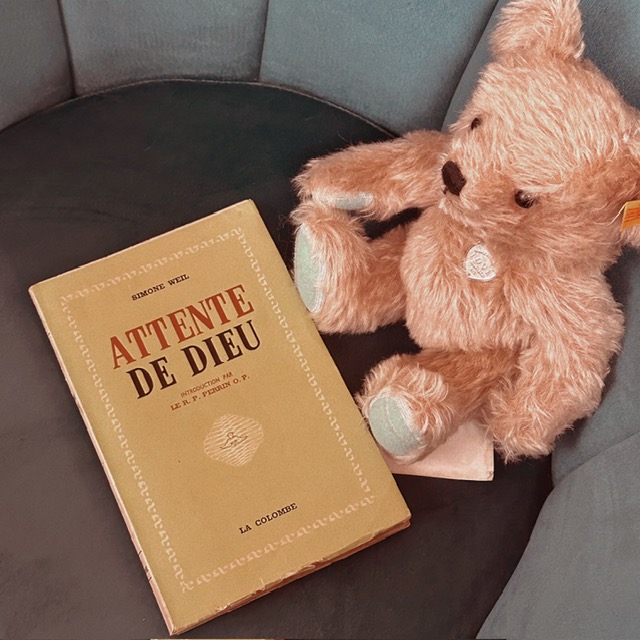
A ceux qui voudraient faire grief à Simone Weil, sur- tout présentée par un prêtre, de ses erreurs, de ses exagé- rations, volontiers je répondrais : « Que lui lance la pre- mière pierre celui qui n’a jamais péché contre la lumière, qui en a suivi toutes les exigences, qui a été jusqu’au bout fidèle! » (John 3:20, 8:7)Le mot immortel du grand converti d’Hip- pone remonte à mes lèvres : « Que ceux-là s’emportent contre vous, qui ignorent le prix de la vérité…

To those who would criticise Simone Weil, presented above all by a priest, for her errors and exaggerations, I would gladly reply: “Let the first stone be thrown at him by the one who has never sinned against the light, who has followed all its demands, who has been faithful to the end! (John 3:20, 8:7)

The immortal words of the great convert of Hippo come back to my lips: “Let those be angry with you who do not know the price of truth…

La joie d’avoir trouvé, ou plutôt d’avoir reçu la vérité, doit-elle nous rendre insensibles à la sagesse douloureuse et incomplète  de ceux qui cherchent en gémissant et qui tâtonnent dans leur ascension? Fr. J.-M. PERRIN, Dominicain.

Should the joy of having found the truth, or rather of having received it, make us insensitive to the painful and incomplete wisdom of those who groan in their search and grope in their ascent? Fr. J.-M. PERRIN, Dominican.

The preface by Fr. Perrin, which is included in the Japanese translation, seems to be only available in the first French edition, and I bought it in a second-hand book, but it was not included in the book,

I bought it every time it came out on Kindle, and I tried to buy it several times, but I couldn’t get it because it couldn’t be sent to Japan or something, but eventually it arrived. It’s a book about ‘la sagesse’ (wisdom), ‘douloureuse’ (pain), ‘et incomplète’ (and incomplete), with ‘pain’ sandwiched between the incomplete and the wisdom. This is what I wanted to know.

C’est pourquoi j’ai intitulé ce livre Attente de Dieu, j’ai essayé par ce titre de traduire le « en upomèné », (Luke 8:15, 21:19)en patience de l’Evangile, un des mots que Simone savou- rait le plus, peut-être parce qu’elle y retrouvait une cer- taine saveur stoïcienne, mais plus certainement parce que c’était sa manière de se donner à Dieu, de s’en remet- tre à lui de tout rester en attente et en disponibilité totales.

That’s why I called this book Attente de Dieu (Waiting for God). With this title I’ve tried to translate the Gospel word “en upomèné”,(Luke 8:15, 21:19) in patience, one of the words that Simone liked best, perhaps because she found in it a certain Stoic flavour, but more certainly because it was her way of giving herself to God, of entrusting herself to him, of remaining in total expectation and availability.

I could also understand why Fr. Perrin, who is included in the Japanese version, chose “Attente de Diew”, a passage from Weil’s favourite Gospel.

la sagesse douloureuse et incomplète 

For who has known the mind of the Lord, so that he may instruct him? But we have the mind of Christ. >>>>>>1st Corinthians : 2 : 16

The words of the Apostle Paul to the Corinthians. In this context Paul talks about wisdom and knowledge, pointing out the limits of human knowledge and understanding, ‘imperfect wisdom’. Other examples.

For my thoughts are not your thoughts, and your ways are not my ways, says the Lord.For just as the heavens are exalted above the earth, so also are my ways exalted above your ways, and my thoughts above your thoughts. >Isaiah : 55 : 8 – 9

Oh, the depths of the richness of the wisdom and knowledge of God! How incomprehensible are his judgments, and how unsearchable are his ways! For who has known the mind of the Lord? Or who has been his counselor?>>>-Romans : 11 : 33 -34

So similar stories are repeated throughout the Bible. The repetition changes slightly after the coming of Jesus, when Paul answers the question, “Who says that we know the mind of the Lord and counsel him?” by saying, “But we have the mind of Christ. This means that Paul himself and Christ’s followers are saying that by God’s grace they can accept Christ and respond to His teaching. So while Paul recognises that knowledge and wisdom are limited, he emphasises the importance of trusting in Christ and following his teachings.

As for Simone Weil’s “Waiting for God” (Attenet de Dieu), an edited version of a posthumous manuscript, I believe it is only possible because of this preface by Fr. Perrin. Having a priest like Fr. Perrin, who did not neglect his work with the poor, confirms that we have ‘the mind of Christ’.

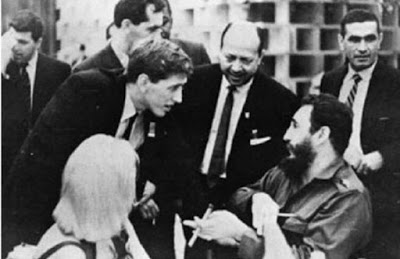
As an aside, I had written about ‘imperfect wisdom’ in 2016, in reference to the Bobby Fischer chess story, but I can’t quite remember why I wrote it up again, as it was never mentioned. It may be that I was struggling with something about writing it down, not knowing whether to write it down as a beautiful story or a realistic one, or even my ‘true intentions’.

I can only remember why it was chess.

Chess can be played against each other, as in Fischer’s case, or it can be played as an artistic form of ‘chess problem’. In mathematics there is also such a thing as uniqueness of solution, but the difference between a chess game and a chess problem can be divided into uniqueness and non-uniqueness. In ordinary chess, for example, if there are any number of moves for White, it is a matter of depreciation. In chess jargon this is called a dual. Chess problems are specific to the art, and sometimes the only condition is that only uniqueness can be found in the filling. If any other move is found, it is ‘incomplete’.

 Uniqueness can also be found in the Bible. Of course it is only a ‘side issue’, as it depends on the context and historical background, but Judas still has to betray the story, John the Baptist has to warn Herod, and Jesus has to be executed. Any other option would certainly cease to be ‘holy’. So there are things that must not be moved. If we ask whether there is uniqueness in literature and philosophy, this may be the ‘incomplete wisdom’. Some are aware of the uniqueness in it, others are completely removed from it. Oscar Wilde’s Salome follows the uniqueness of what John the Baptist was like, with Salome being executed at the end. So does the death of Jane Eyre’s best friend. We are aware of the uniqueness of the house of God. What about Weil, some of which is unorthodox as an idea, but I think there is something completed by Father Perrin’s comments and criticisms.

There is an incomplete wisdom around uniqueness, something that cannot be reached by going around it. But it is painful because it is an attempt to move forward. To the joy of being human, as it were, “Attente de Dieu”.

****

****

This photograph shows chess player Bobby Fischer talking to President Castro. (Chairman Castro spears Fischer before the tournament).

Cahier(2023年11月27日)

A ceux qui voudraient faire grief à Simone Weil, sur- tout présentée par un prêtre, de ses erreurs, de ses exagé- rations, volontiers je répondrais : « Que lui lance la pre- mière pierre celui qui n’a jamais péché contre la lumière, qui en a suivi toutes les exigences, qui a été jusqu’au bout fidèle! » Le mot immortel du grand converti d’Hip- pone remonte à mes lèvres : « Que ceux-là s’emportent contre vous, qui ignorent le prix de la vérité…

>>> 特に一司祭が紹介する「シモーヌ・ヴェイユ」について、その誤りや誇張を不満とする人々に対しては、私は進んでこう答えたい。「光に反して罪を犯したことはなく、光のすべての要求に従い、最後まで忠実であった人は、彼女に最初の石を投げるが良い」(ヨハネ福音書3:20、8:7)・・・・・・ヒッポの偉大な改宗者(アウグスティヌスのこと)の不滅の言葉が私の唇にのぼる。「真理の価値を知らない人々はあなた方に怒るがよい・・・・・・」

La joie d’avoir trouvé, ou plutôt d’avoir reçu la vérité, doit-elle nous rendre insensibles à la sagesse douloureuse et incomplète  de ceux qui cherchent en gémissant et qui tâtonnent dans leur ascension? Fr. J.-M. PERRIN, Dominicain.

うめきつつ求め、上昇のために手さぐりする悩める不完全な知恵に対して、私達は自分が真理を持っているという喜び、あるいはむしろ自分が真理を受けいれたという喜びによって無感覚であるべきだろうか? ――シモーヌ・ヴェイユ著・神を待ち望む・ペラン神父の序文――

日本語訳に収録されているぺラン神父序文は、フランス語版は初版しかないようで、古本で購入しましたが収録されておらず、

キンドルで出るたびに買ったり、何度か買おうとトライしてますが日本には送れませんとかで手に入らなかったのが漸く届きました。la sagesse (知恵)douloureuse(痛み) et incomplète(そして不完全)と、不完全と知恵に「痛み」が挟まっている。これが知りたかった。

C’est pourquoi j’ai intitulé ce livre Attente de Dieu, j’ai essayé par ce titre de traduire le « en upomèné », en patience de l’Evangile, un des mots que Simone savou- rait le plus, peut-être parce qu’elle y retrouvait une cer- taine saveur stoïcienne, mais plus certainement parce que c’était sa manière de se donner à Dieu, de s’en remet- tre à lui de tout rester en attente et en disponibilité totales.

私がこの本を「神を待ち望む」と題したのはそのためであって、シモーヌが最も気に入っていた言葉のひとつである福音の「忍耐のうちに」« en upomèné »(ルカによる福音書8:15、21:19)という言葉を翻訳しようとしたものである。 おそらく彼女は、ある種のストア学派的な香りを、この言葉に感じていたのだろうが、より確実なのは、それが神に身を委ね、完全な期待と可能性の中にとどまるという彼女の方法だったからである。

日本語版に収録されている何故、ぺラン神父が「神を待ち望む」としたのか、ヴェイユの好きな福音書から選んだという箇所も見れた。

悩める不完全な知恵

「誰が主の思いを知り、主に助言するというのか」しかし、私たちは、キリストの思いを抱いています。1コリントの信徒への手紙 2:16 (共同訳:以下同じ)

使徒パウロがコリントの信徒たちに対して述べた言葉。この文脈では、パウロは知恵や知識について語っていて、人間の知識や理解力には限界があること「不完全な知恵」について指摘している。他にも

1. イザヤ書55:8-9「『わたしの思いは、あなたたちの思いと異なり、わたしの道は、あなたたちの道と異なる』と主の仰せ『天が知よりも高いのに わたしの道はあなた型の道より高く』

2. ローマ書11:33-34「ああ、神の富と知恵と知識のなんと深いことか。神の裁きのいかに究め難く、その道のいかに辿り難いことか。誰が主の思いを知っていたであろうか。誰が主の助言者となっただろうか。誰がまず主に与えて その報いを受けるであろうか」

というように聖書には似たような話が繰り返されている。イエスの到来以降、その繰り返しが少し変わるのは、「誰が主の思いを知り、主に助言するというのか」という問いに対して、パウロは「しかし、私たちは、キリストの思いを抱いています」と答えるところにある。これは、パウロ自身やキリストの信徒たちは、神の恵みによってキリストを受け入れ、キリストの教えに応じることができると言っていることを意味する。したがって、パウロは知識や知恵が限定的であることを認識しながらも、キリストに信頼を置き、キリストの教えに従うことの重要性を強調している。

シモーヌ・ヴェイユの「神を待ち望む」(Attenet de Dieu)について、死後に集められた原稿を編集したものだが、私はこのペラン神父の序文があってこそ成り立っていると思っている。ペラン神父のように、貧しい人への活動を怠らなかった聖職者がつくことによって、「キリストの思いを抱いていること」を肯定される。

2016年に「不完全な知恵」に関して、チェスのボビーフィッシャーの話に準えて書いたことがあったけれども、何故私が並べたのかは記載がなかったため、その理由をいまいち思い出せない。ただ単に、書き残すことについて、美談にするか現実的に書くのか、「本意」すらもわからない状態で何かをもがいていたのかもしれない。

なぜ、チェスだったのか、それだけ触れることはできる。

チェスはフィッシャーのように対戦するものと、芸術性を表す「チェスプロブレム」というものがある。数学でも、解の一意性というものがあるけれども、チェスの対戦とチェスプロブレムの違いは、一意性であるか、ないかの違いに分かれる。普通のチェスは、例えば白にとって何手でも打つ手が存在する場合、減価事項となる。チェスの専門用語でこれをデュアルと言う。チェスプロブレムというのは、芸術に特化したもので、詰め方に一意性だけしか見当たらないものが条件だったりする。他の手が見つかると「不完全」となる。

 聖書にも一意性はあったりする。勿論、文脈や時代背景に左右されるのであくまでも「側面」的なことではあるが、ユダはやはり裏切らないと話が進まないし、洗礼者ヨハネはヘロデに警告しなければならないし、イエスは処刑されなければならない。他の選択肢があったら「聖」でなくなる。このように、動かしてはならないものがある。文学や哲学において一意性というのは存在するのか、といえばそれこそ「不完全な知恵」なのかもしれない。それには一意性を意識しているものであれば、完全に離れていくものもある。オスカーワイルドサロメは、サロメが最後に処刑されるという、洗礼者ヨハネとはどういう存在だったかという一意性に沿っている。ジェーンエアの親友の死もそうだ。神の家というものの一意性を意識している。ヴェイユはどうだったのだろうか、思想として正統派ではないものもあるが、ペラン神父が注釈や批評をつけていることによって完成した何かがあると思っている。

一意性を巡った不完全な知恵は迂回しながら、何処かへ向かおうとする。痛みを伴うのは、進もうとするからである。それこそ「神を待ち望む」ように。

他サイトリンク(カトリック・あい)私が書いたコラムです。

>>二枚目の写真について:チェスプレイヤーのボビー・フィッシャーがカストロ議長と話している写真である。(カストロ議長はトーナメント前にフィッシャーに横槍を入れている)

Cahier(2023/11/17/)English

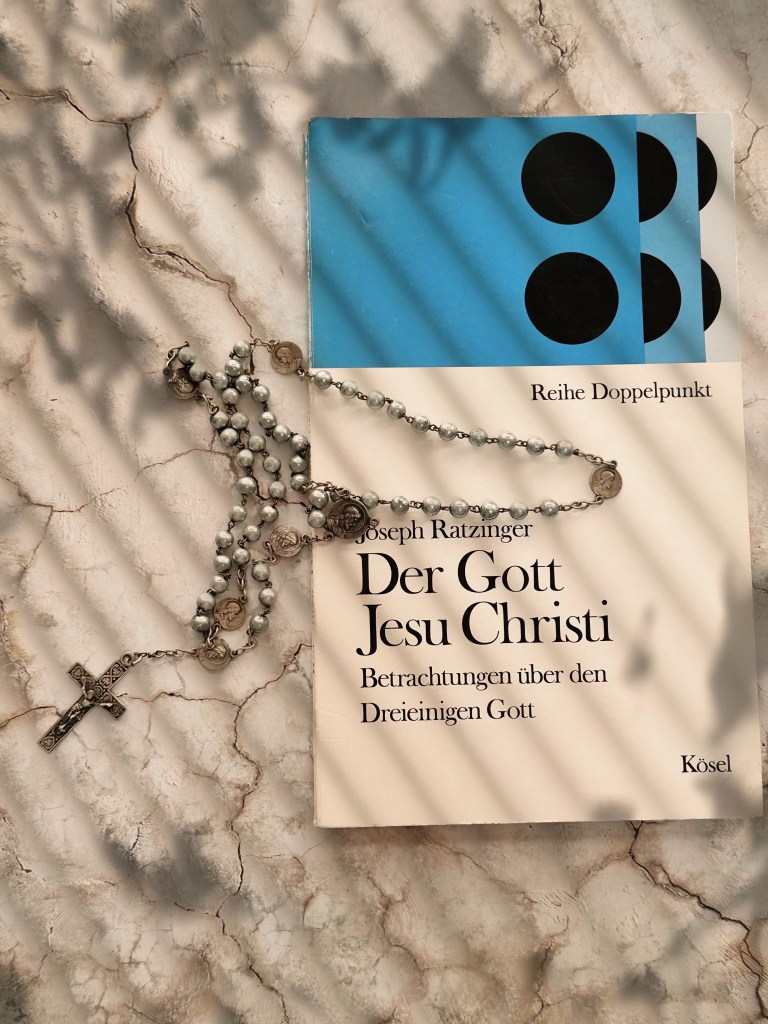
Der Gott Jesu Christi Betrachtungen über den Dreieinigen Gott.

Wieder kann man von hier versuchen, ahnend etwas über Gottes inneres Geheimnis zu sagen: Vater und Sohnsind die Bewegung reinen Schenkens, reiner Übergabe an- einander In dieser Bewegung sind sie fruchtbar, und ihre Fruchtbarkeit ist ihre Einheit, ihr völliges Einssein, ohne daß sie dabei selbst zurückgenommen und ineinander aufgelöst werden. Für uns Menschen heißt Schenken, Sichselbergeben, immer auch Kreuz.(Das trinitarische Ge- heimnis übersetzt sich in der Welt in ein Kreuzesgeheim- nis: Dort ist die Fruchtbarkeit, aus der der Heilige Geist kommt.

English translation:Once again, we can attempt to glimpse something of God’s inner mystery from this point: the Father and the Son are the movement of pure giving, pure surrender to one another. In this movement, they are fruitful, and their fruitfulness is their unity, their complete oneness, without being absorbed or dissolved into each other.For us human beings, giving of the self always entails the cross. (The mystery of the Trinity is translated into the world as the mystery of the cross: It is from this fruitfulness that the Holy Spirit emerges.)

Characteristics of the text

The text mentions ‘God’s inner mystery’, the distinctive parts of which contain mainly religious-philosophical elements.

「Vater und Sohn sind die Bewegung reinen Schenkens, reiner Übergabe aneinander.」:it contains philosophical discussions and analyses of individual words and concepts. The images of parent-child relationships and mutual gifts presented here represent ideas about the existence and nature of God.

・ 「In dieser Bewegung sind sie fruchtbar, und ihre Fruchtbarkeit ist ihre Einheit, ihr völliges Einssein, ohne daß sie dabei selbst zurückgenommen und ineinander aufgelöst werden.」:this statement illustrates the argument about the triune nature of God. It says that God’s existence is expressed as fullness and that this fullness is related to the unity of the Trinity.

・「Für uns Menschen bedeutet Hingabe, Selbsthingabe, immer auch Kreuz (Das trinitarische Geheimnis übersetzt sich in der Welt in ein Kreuzesgeheimnis: Dort ist die Fruchtbarkeit, aus dem der Heilige Geist kommt).」:In the interpretation of the Trinity of God in human experience and faith, the image of the cross and the concept of the Holy Spirit are themes often discussed in religious philosophy and theology and are also illustrated here.

As is characteristic of Benedict XVI’s writings, his texts are highly philosophical and show deep thought. He deals with religious themes and expresses mystical concepts. His writing is concise but dense, and each sentence is full of meaning. His style is rigorous and is used to convey certain concepts clearly. Benedict XVI sometimes uses a dialogical style, explaining his ideas in a supposed dialogue with his readers. This dialogue format may represent the one-dimensional personality of the one and only distant ‘Pope’. His writings show a fusion of rational argument and philosophy of faith. In particular, he uses ethical arguments to show that ‘faith’ and ‘reason’ are compatible. He seems to focus on communicating complex theological concepts in a way that is accessible to the general reader.

Summary

An attempt is made by Benedict XVI to understand the ‘secret of the Trinity’ together with the reader. The Father and the Son are described as engaged in a pure act of giving, in a work of ‘total devotion’ to each other. This work results in their fruitfulness, which is described as their perfect unity and oneness. However, it is also clarified that this process does not lead to their annihilation or merging into each other. It is further asserted that for human beings, giving and self-giving are always associated with the Cross. The secret of the Trinity is seen as manifesting in the world as the secret of the Cross. The explanation offered is that through the Holy Spirit, the Cross holds within it the potential for fruitfulness and abundance.

The difference between philosophical writing and everyday writing.

A philosophical text can be described as a multifaceted yet concise exploration of topics related to deep thinking and philosophical concepts. The term philosophia, coined by Socrates, encompasses the love of knowledge, also known as philosophy. These writings often employ logical reasoning. Both the current Pope, Pope Francis, and his predecessor, Pope Benedict XVI, can be seen as having philosophical elements in their teachings. They delve into concepts such as reflections on existence and religion, including faith, eternal life, the Last Judgement, the law of love, and the relationship with God. However, it is also necessary to provide more specific and succinct explanations using everyday language. For example, ‘Hingabe’ and ‘Selbsthingabe’ are German words meaning ‘devotion’ or ‘devotion to self’. To better comprehend their meanings, specific examples or situations can be used to explain them.

「Für uns Menschen bedeutet Hingabe, Selbsthingabe, immer auch Kreuz (Das trinitarische Geheimnis übersetzt sich in der Welt in ein Kreuzesgeheimnis: Dort ist die Fruchtbarkeit, aus dem der Heilige Geist kommt).」If the original text of the following were to be shown in more everyday terms,

「In unserem menschlichen Verständnis bedeutet Hingabe immer auch Opfer (Das Geheimnis der Dreifaltigkeit offenbart sich in der Welt als das Geheimnis des Kreuzes: Hier liegt die Fruchtbarkeit, aus der der Heilige Geist entspringt)」In our human understanding, devotion always implies sacrifice as well. (The mystery of the Trinity is meant to be unveiled to the world as the mystery of the Cross.)

「In unserem menschlichen Verständnis bedeutet Hingabe immer auch Opfer」The translation is more of an everyday expression than a philosophical reflection on ‘what it means to give of oneself’, in line with the idea that true human commitment always needs to involve some sacrifice (e.g. time, comfort).

Finally, to return to the original again.

Für uns Menschen heißt Schenken, Sichselbergeben, immer auch Kreuz.(Das trinitarische Ge- heimnis übersetzt sich in der Welt in ein Kreuzesgeheim- nis: Dort ist die Fruchtbarkeit, aus der der Heilige Geist kommt.

“The reason why there are two instances of ‘der der’ is that the first one, ‘aus der’, translates directly as ‘from’, indicating that something is coming out of ‘der Fruchtbarkeit’ (abundance). In this context, it signifies the coming out of ‘der Heilige Geist’ (the Holy Spirit) from abundance. The second ‘der Heilige Geist kommt’ consists of the definite article ‘der’ and the noun ‘Heilige Geist’, signifying the arrival of the Holy Spirit. These elements represent the mysteries of the Trinity, which are of different natures yet closely intertwined.

If we were to write this without ‘der der’, for example,…”

Für uns Menschen bedeutet Hingabe, Selbsthingabe, immer auch Kreuz (Das trinitarische Geheimnis übersetzt sich in der Welt in ein Kreuzesgeheimnis: Dort ist die Fruchtbarkeit, aus dem der Heilige Geist kommt.(* Changing ‘Schenken’ and ‘Sichselbergeben’ to ‘Hingabe’ and ‘Selbsthingabe’ maintains consistency in context.)

“This is a trial translation and we would be grateful for any comments.

Following on from the previous edition, we have decided to include a memo-like section called “Cahier.”

Japanese

Cahier(2023年11月17日)

イエス・キリストの神(三位一体の神についての省察)教皇ベネディクト16世

Der Gott Jesu Christi Betrachtungen über den Dreieinigen Gott.

Wieder kann man von hier versuchen, ahnend etwas über Gottes inneres Geheimnis zu sagen: Vater und Sohnsind die Bewegung reinen Schenkens, reiner Übergabe an- einander In dieser Bewegung sind sie fruchtbar, und ihre Fruchtbarkeit ist ihre Einheit, ihr völliges Einssein, ohne daß sie dabei selbst zurückgenommen und ineinander aufgelöst werden. Für uns Menschen heißt Schenken, Sichselbergeben, immer auch Kreuz.(Das trinitarische Ge- heimnis übersetzt sich in der Welt in ein Kreuzesgeheim- nis: Dort ist die Fruchtbarkeit, aus der der Heilige Geist kommt.

和訳:ここで再び、神の内なる神秘について、おぼろげながらに語ることができます。父と子は、お互いに純粋に与え合い、純粋に引き渡し合う運動です。この動きの中で、両者は実り豊かであり、その実り豊かさとは、互いに引き取られ、溶け合うことのない両者の「一つ」、完全な「一つ」なのです。

私たち人間にとって、自己を捧げることは常に十字架を意味します(三位一体の神秘は、この世では十字架の神秘に翻訳されなければなりません:そこには聖霊が臨む実りがあるのです)。

特徴

この文章では、「Gottes inneres Geheimnis」(神の内なる秘密)について言及されていますが、その特徴的な部分は主に宗教哲学的な要素が含まれています。

・ 「Vater und Sohn sind die Bewegung reinen Schenkens, reiner Übergabe aneinander.」:個別の言葉や概念についての哲学的な議論や分析を含んでいます。ここで示されている親子関係と相互の贈り物のイメージは、神の存在や本性についての考え方を表しています。

・ 「In dieser Bewegung sind sie fruchtbar, und ihre Fruchtbarkeit ist ihre Einheit, ihr völliges Einssein, ohne daß sie dabei selbst zurückgenommen und ineinander aufgelöst werden.」:この文は、神の三位一体の性質に関する議論を示しています。神の存在が豊かさとして表され、そしてその豊かさが三位一体の一体性と関連していることが述べられています。

・「Für uns Menschen bedeutet Hingabe, Selbsthingabe, immer auch Kreuz (Das trinitarische Geheimnis übersetzt sich in der Welt in ein Kreuzesgeheimnis: Dort ist die Fruchtbarkeit, aus dem der Heilige Geist kommt).」:神の三位一体を人間の経験や信仰の中で解釈する際に、十字架のイメージや聖霊の概念は、宗教哲学や神学で頻繁に論じられる主題でありますが、ここでもそれが示されています。

ベネディクトベネディクト16世の文章の特徴として、彼の文章は非常に哲学的であり、深い思考を示しています。彼は宗教的なテーマを扱い、神秘的な概念を表現しています。 文章は簡潔ですが、密度があり、一文一文が多くの意味を含んでいます。彼の文体は厳格であり、特定の概念を明確に伝えるために使用されています。ベネディクト16世は時々、対話形式を使用していて、読者との対話を想定して思想を解説する。この対話形式が唯一の遠い存在である「教皇」の一面的な人格を表すことになるのかもしれない。彼の文章は、理性的な議論と信仰的な哲学の融合を示しています。特に彼は「信仰」と「理性」が両立可能であることを示すために、倫理的な議論を使用してる。彼は複雑な神学的な概念を一般の読者にも理解しやすく伝えることに重点を置いているように思えます。

要約

ベネディクト16世による、読者との「三位一体の秘密」を理解しようとする試みが述べられています。父と子は純粋な与え合う動きであり、互いに「完全な献身」の働きにあるとされています。この働きにおいて彼らは実り豊かであり、その実り豊かさが「彼らの」統一であり、完全な一体感(一つ)であるとされています。しかしその過程で彼ら自身が取り消されたり、互いに融解したりすることはないとも述べられています。また、人間にとって与えること、自己を捧げることは常に十字架とも関連しているとされています。この三位一体の秘密は、世界においても十字架の秘密として現れます。そして、十字架の中には聖霊による実り豊かさがあるという説明になっています。

「哲学的な文章と日常的な文章との違い」

哲学的な文章とは何か、一面的でありながらも簡潔に述べると、ソクラテスがフィロソフィア(知を愛する=哲学)という言葉を定着させたことは有名ですが、一般的に思考や哲学的な概念に関連するテーマを探求し、深い洞察を提供することなどがあげられます。これらの文章には論理的な推論が含まれていたりします。現教皇である、フランシスコ教皇や前任のベネディクト16世も、哲学的な要素を含んでいると言えます。彼らが掘り下げる概念は、信仰、永遠のいのち、最後の審判、愛のおきて、神との関係など、存在と宗教に関する考察を含んでいます。一方、日常的な言葉の説明を行う場合は、より具体的で簡潔な説明が必要となるでしょう。例えば、「Hingabe」や「Selbsthingabe」はドイツ語で「献身」や「自己への献身」を意味する言葉ですが、これらの言葉の意味を説明する際には、具体的な例や状況を用いてより理解しやすい説明が求められることがあります。例えば、「Für uns Menschen bedeutet Hingabe, Selbsthingabe, immer auch Kreuz (Das trinitarische Geheimnis übersetzt sich in der Welt in ein Kreuzesgeheimnis: Dort ist die Fruchtbarkeit, aus dem der Heilige Geist kommt).」の原文を、より日常用語として示すとしたら、

「In unserem menschlichen Verständnis bedeutet Hingabe immer auch Opfer (Das Geheimnis der Dreifaltigkeit offenbart sich in der Welt als das Geheimnis des Kreuzes: Hier liegt die Fruchtbarkeit, aus der der Heilige Geist entspringt)」私たち人間の理解では、献身は常に犠牲も意味します。(三位一体の神秘は、十字架の神秘としてこの世に啓示されることになる)

「In unserem menschlichen Verständnis bedeutet Hingabe immer auch Opfer」というのは、人間が真の献身を示す際には、常に何らかの犠牲を伴う(例えば、時間や快適さ)必要があるという考えに即した翻訳で、「自己を捧げると言うこと」ということについて哲学的考察というより、日常寄りの表し方にしています。

最後に、再度、原文に戻ると

原文:Für uns Menschen heißt Schenken, Sichselbergeben, immer auch Kreuz.(Das trinitarische Ge- heimnis übersetzt sich in der Welt in ein Kreuzesgeheim- nis: Dort ist die Fruchtbarkeit, aus der der Heilige Geist kommt.

何故、derderが2回続くのかというと、1回目の「aus der」は、直訳すると「… から出てくる」という意味です。この文脈では、「der Fruchtbarkeit」(豊かさ)から「der Heilige Geist」(聖霊)が出てくることを表現しています。2回目の「der Heilige Geist kommt」は、定冠詞の「der」と、名詞の「Heilige Geist」から成り立っています。これは、聖霊が来ることを示しています。三位一体の神秘がそれぞれ異なる性質を持ち、しかも密接に関連しています。

例えばderderを使わないで書くとしたら、

Für uns Menschen bedeutet Hingabe, Selbsthingabe, immer auch Kreuz (Das trinitarische Geheimnis übersetzt sich in der Welt in ein Kreuzesgeheimnis: Dort ist die Fruchtbarkeit, aus dem der Heilige Geist kommt.(*「Schenken」と「Sichselbergeben」を「Hingabe」と「Selbsthingabe」に変えることで文脈に一貫性を保っている)

これは試訳ですので、指摘がありましたらよろしくお願いします。

前回に続き、カイエというメモ的なページを掲載することにしました。

Cahier(15 November 2023). English

Introduction.

Starting this month, I will post “just a short analysis” of a text I like. The title will be Cahier (date).

I will also continue to update my previous critiques.

La pesanteur et la grâce 1

Today it is Simone Weil.

Ce n’est pas la faute qui constitue le péché mortel, mais le degré de lumière qui est dans l’âme quand la faute, quelle qu’elle soit, est accomplie. La pureté est le pouvoir de contempler la souillure.L’extrême pureté peut contempler et le pur et l’impur ; l’impureté ne peut ni l’un ni l’autre : le premier lui fait peur, le second l’absorbe. Il lui faut un mélange. —L’attention et la volonté 

In terms of gravity and grace (La pesanteur et la grâce), this is what is described in “L’attention et la volonté” (Attention and will).

Simone Weil was a 20th century philosopher, so the French language itself is not ancient. Simone Weil’s original text (in French).

The characteristic feature is a literary melody, and this quotation does not rhyme, but some words and ideas are repeated, so there is a sense of rhythm,The choice of words and phrases are thought-provoking and complex in a short text.

 Translation: It is not the fault that constitutes mortal sin, but the level of enlightenment present in the soul at the time of the transgression, regardless of its nature. Purity is the ability to contemplate impurity. Extreme purity can contemplate both the pure and the impure; impurity can do neither: the former frightens it, the latter engulfs it. It requires a mixture.

・The term “mortal sin” or “sin unto death”, although not a direct reference, is found in the New Translation of the Bible, 1 Romans 6:23: “For the wages of sin is death. But the free gift of God is eternal life in Christ Jesus our Lord. ”, etc., may also derive from Christian doctrine. Le péché mortel (‘the sin that leads to death’)

is translated as ‘mortal sin’.

Contempler (plural: contemple)’ is used, usually in the context of ‘to look at, introspection’, which is deeper than observation(look). The usual meaning is ‘regarder la souillure’, which means ‘to look at the dirt’.

Summary: This text is a short summary of the exploration of sin and purity. It states that sinning is not in itself a fatal sin, but the degree of light in the soul is what matters.

It states. It is because we are very pure beings that we have the power to see what is pure and what is impure. An impure thing is something that has been mixed with the impure thing.

So in terms of mixing, it is necessary to look not only at the pure but also at the impure.

Cahier(2023年11月15日)

はじめに

今月から、気に入った文章の「簡単な分析だけのもの」を投稿していきたいと思います。

その際はタイトルはCahier(日付)とします。

今までの批評の更新も、今後も続けていきたいと思います。

La pesanteur et la grâce (1)

今日はシモーヌヴェイユです。

Ce n’est pas la faute qui constitue le péché mortel, mais le degré de lumière qui est dans l’âme quand la faute, quelle qu’elle soit, est accomplie. La pureté est le pouvoir de contempler la souillure.L’extrême pureté peut contempler et le pur et l’impur ; l’impureté ne peut ni l’un ni l’autre : le premier lui fait peur, le second l’absorbe. Il lui faut un mélange. −L’attention et la volonté 

重力と恩寵(La pesanteur et la grâce)でいえば「L’attention et la volonté」(注意と意志)に記載されているものです。

シモーヌ・ヴェイユは20世紀の哲学者ですので、フランス語自体は古いものではありません。シモーヌ・ヴェイユの原文(フランス語)の

特徴は、文学的な旋律があり、今回のこの引用は韻律はありませんが、一部の言葉や考えが繰り返されているのでリズム感があり、

言葉選びや、フレーズは思索的な複雑さを短い文章の中で孕んでいます。

和訳:死すべき罪を定めるのは過失ではなく、その過失がどのようなものであれ、過失が成し遂げられたときに魂の中にある光の度合いである。純粋さとは、汚れを注視する力である。極限の純潔は、純粋なものと不純なものを注視することができるが、不純なものはそのどちらもすることができない。前者(純粋)はそれを恐れさせ、後者(不純)はそれに溶け込んでいる。これには混ざり合うことが必要だ。

・「死すべき罪」もしくは「死にいたる罪」とは、直接的な言及ではないけれども、新訳聖書の1ローマ信徒への手紙6:23「罪の支払う報酬は死です、しかし、神の賜物は、私たちの主イエス・キリストにある永遠の命なのです」等キリスト教教義にも由来しているかもしれません。

「死にいたる罪」(Le péché mortel)は「致命的な罪」と訳されます。

・「contempler(複数形:contemple)」が使用されていますが、通常は「凝視、内省する」という文脈で使用され、より思索として深くなっています。普通に「汚れを見つめる」という意味でなら「regarder la souillure」となります。

ー要約:この文章は、罪と純粋についての探求を短くまとめています。罪を犯すこと自体が致命的な罪ではなく、魂の内にある光の程度が重要であるとしています。純粋なものと、不純なものを見る力を持つのは、非常に純粋な存在であるためです。不純なものというものは、不純なものに溶け込んでしまっている。なので、混ざり合うことについて、必要なことは純粋さのみではなく、不純にも目を向けることだということになります。

試訳ですので、指摘がありましたらお願いします。

**

Le devenir et la poésie-English.ver

The goldfish expands, motionless, beneath the azure sky.
A serene silence within the bowl no longer defies.

A dove's silhouette gracefully dances upon the glass,
Arriving, a petal amidst white clouds, a scene so vast.

Chuyo Sakurama  1911-07-06	~1934-04-18

“The Analysis of Poetry”

Beneath the azure sky, the goldfish expands, motionless.’ This sentence alone drew me in. The euphoria that followed still lingers. The Japanese translation is ‘Under the azure sky, the goldfish ate the azure sky and became motionless in its bowl’. Did it fill its stomach with the sky, or was it suffocated by the vastness of the world? Is ‘stuck in a bowl’ death or just ‘expression’?

 The author of this poem is probably not well known in Japan. I myself have only recently become aware of him. There is almost no information about him in Japan, except that he was a writer who died prematurely while still a student at Waseda University. (At the moment) There are expressions that are unique to the Japanese language, so I was not sure whether to translate them into English, but I will leave them here as a trial translation.

Beneath the azure sky, the goldfish expands, motionless.

A serene silence within the bowl no longer defies.

A dove’s silhouette, a gentle presence, bathed in light,

Gracefully dancing upon the glass, casting shadows so slight.

Arriving, a petal amidst white clouds, a scene so vast.

I was torn between translating “The goldfish expands, motionless, beneath the azure sky” and “The goldfish expands, motionless, beneath the azure sky”, but I chose the contradiction and contrast in terms of rhythm and poetic expression. I did not choose “blue sky” because, firstly, “goldfish” is a summer term in Japan, so the summer sky is “azure”. Secondly, the author “Chuyo Sakurama” died on 18 April 1934 while a student at Waseda University. The name “Azure Sky” was chosen because of the song “Azure Sky”. I hope this will lead to the memory of the deceased.

  By the way, did this goldfish really die? I leave that interpretation to the reader, but I think it is dead. However, the poem is close to ‘impermanence’ in Buddhist terms, but the fact that I did not dare to call it death, and the contrast between the fluttering of the dove’s wings and the thin shadows and sparkles of existence, sometimes made it seem like Deleuze’s(Deleuze and Guattari) ‘generative change’(devenir) of transformation, rather than limiting it to death. Of course, in the verbal state of the poem, the stationary goldfish and the scene do not continue in continuity, not affecting each other as separate entities.

But what if we look at it from a ‘metaphorical’ point of view? Where has the goldfish gone? The goldfish is transformed in the poem, flapping its wings, as an entity that does not depend on anything else. In the case of Buddhist ‘impermanence’, individual beings coexist and coexist with other beings, but this poem goes beyond that and contains ‘diversity’ through poetry. I found myself in my mind,There was an emotion that I could not capture myself. In the English translation, the dove is the most vital, so light and shadow.

I rhymed it with shadows so light, because the dove is the most vital. I gave priority to the English rhythm and made it dance.

This means perseverance in the poetic feeling.

The typical disease that causes goldfish to swell and die is ‘ascites’but in the early stages life can be prolonged by lowering the water temperature, but in the later stages it cannot be saved. We suppose that such a situation could not be dealt with in the Japanese summers of the Showa period. The idea of the poem is whether it is the owner’s guilt for letting the goldfish die, whether it is all a fantasy, or whether this death, especially for a creature like a ‘goldfish’, is immediately buried in the earth. Most people would not make much of a grave. But anyone who has seen the weakness of a dead goldfish knows how fragile it is. This poem, with its physically weightless ascent, seemed to ‘love’ something, as if it were ecstatically in love with the world itself, even with the passing of the day. Not sad, this silence is not sad because it survives differently. Enclosed in the glass of a goldfish bowl as the light of the world shines through. What protects life, is it that life lasts, or is it that it is as fragile as glass, or that it continues to swim?

It is not sad because of the overlap.

however, as there is ‘realm of shadows’ or ‘king of heaven’.

***

translation into German(attempted translation)

Der Goldfisch dehnt sich aus, regungslos, unter dem azurblauen Himmel.

Eine stille Ruhe in der Schale widersteht nicht länger.

Die Silhouette einer Taube tanzt anmutig auf dem Glas,

Wie ein Blütenblatt inmitten weißer Wolken, eine solch weite Szene.

Includes internal rhyme. But I would like to be taught.

***

I also think the goldfish seems to have fallen in love and become still. In truth it would have described death,

The ‘word’ is brought back to life by the human voice.

I earnestly hope that we can follow the words with our eyes, speak them aloud and continue to see the “world” from what we can see to what we cannot.

The departed never return, their presence forever gone, But many times we wish.

The English translation, however, was an attempt at prose, just as the Old Testament Book of Job was a ‘prose’ version of Job’s Lament,

I rhymed it because it seemed to me that there was not only unhappiness but also happiness through poetic feeling.

*****

Differences between Buddhist ‘impermanence’ and generative change (simplified)

Similarities include the denial of permanence and fixity in entities and existence, and the emphasis on change and fluidity, with all phenomena and events being constantly changing and temporary. They share the ‘view’ that the existence of individuals and objects is influenced and changed by surrounding circumstances and causal relationships.

The difference is that in impermanence, all beings inevitably change, whereas in generative change, generation and change constantly create new things and bring diversity. The Buddhist teaching of impermanence aims at liberation by eliminating the causes of suffering, attachment and desire,

Generation and change’ is about individuals accepting change and fluidity, constantly engaging both banks,

Generative change’ implies a process of distortion in which the individual is pulled away from its ‘natural’ form. It is in this ‘in-between’ that something happens in generative change. This includes the emergence of diversity and inwardness. While Buddhist ‘impermanence’ emphasises the temporary nature of the process of individuals and events, Deleuze’s ‘generative change’ emphasises the continuous fluidity and capacity for change of individuals and events.

****

金魚は青空を食べてふくらみ(桜間中庸)


金魚は青空を食べてふくらみ
鉢の中で動かなくなる
鳩だか 鉢(はち)のガラスにうすい影を走らせる
來たのは花辨(はなびら)か 白い雲の斷片(かけら)

"桜間中庸『〔金魚は青空を食べてふくらみ〕』


考察 “The Analysis of Poetry”

「金魚は青空を食べてふくらみ 鉢の中で動かなくなる」この一文だけで惹き込まれた。

それは、天空によって金魚は「お腹」を満たしたのか、それとも膨大な世界によって窒息してしまったのか。「鉢の中で動かなくなる」というのは、「死」なのか、それとも「表現」に止まるのか。

 この詩の作者は、日本でも知っている人は少ないのかもしれない。私も最近知ったのである。なんでも、早稲田大学在学中に夭折した作家としか、こちらでもほぼ情報がないのである。(現時点)英訳をするか迷ったが、試訳として残しておくことにする。

Beneath the azure sky, the goldfish expands, motionless.

A serene silence within the bowl no longer defies.

A dove’s silhouette, a gentle presence, bathed in light,

Gracefully dancing upon the glass, casting shadows so slight.

Arriving, a petal amidst white clouds, a scene so vast.

(試訳:ChrisKyogetu)

訳として“The goldfish expands, motionless, beneath the azure sky”と悩んだが、リズムと詩的表現としての矛盾と対比を選んだ。“blue sky”としなかったのは、まず「金魚」が日本では夏の季語であること、それによって夏の空が「紺碧」であること、著者「桜間中庸」が早稲田大学在学中に1934年4月18日に亡くなったということ、それと早稲田大学には「紺碧の空」という歌があることから、“azure sky”とした。それが故人を弔うことに通じることを願う。

  この金魚は、死んだのだろうか。その解釈は各々の読者に委ねることになるが、私は死んだと思っている。この詩は仏教でいえば「無常」に近いが、敢えて死と表現しなかったことや、対比して鳩の羽ばたきや、薄い影と存在が瞬いていることから、死と限定するのではなく、変容するというドゥルーズとガタリの「生成変化」のようだと思えることがあった。勿論、詩の言葉通りの状態のみなら、静止した金魚と、情景は別々の存在で互いに影響して連続して続いているわけではない。しかし、「隠喩」的に見るとどうだろうか。金魚の姿は何処へ行ったのか、金魚は詩の中で羽ばたきと共に、何処にも依拠しない存在として、変容しているのである。仏教的な「無常」の場合は、個々の存在が他の存在と相依し、共存するが、この詩は、詩によってそれを超えて「多様性」を含んでいる。気づけば心の中で、自分自身でも捉えきれない感動があった。英訳では鳩が最も生命力があるので、光(light)と薄い影を(shadows so slight)と韻を踏み、英語のリズムを優先し、羽ばたき(clap)ではなく、dancingにした。それによって詩情の中で持続を意味しようとしている。

金魚のお腹が膨れて死ぬ病気は「復水病」が代表的なものであるが、初期段階であれば、水温を下げれば延命できるが、末期になると助からない。昭和時代の日本の夏に、そのような対処が出来なかったとは推測する。詩の発想は、金魚を死なせた飼い主の罪悪感なのか、全てが単なる空想なのか、この死、特に「金魚」のような生き物の場合はすぐに土に埋められ、墓すら大したものは作らない人が殆どだろう。一度でも死んだ金魚の脱力感を見たことがある人なら、その儚さを知っているだろう。この詩は、その肉体の重みを感じさせない上昇が、まるで何かを「愛している」とでも言うかのように、過ぎ去りし日常でさえも、この世界そのものを恍惚に愛しているかのように思えた。金魚鉢のガラスに包まれた、世界から透過されて光が来るように。命を守るものとは、命が続くというのは、ガラスのように脆いのか、それとも泳ぎ続けることなのか。だとしても悲しくない、その静止は異なる生存が重なることによって、かなしくないのだ。

けれども、「彼の世」−– king of heaven があるように。

****

ドイツ語訳(試訳)

Der Goldfisch dehnt sich aus, regungslos, unter dem azurblauen Himmel.

Eine stille Ruhe in der Schale widersteht nicht länger.

Die Silhouette einer Taube tanzt anmutig auf dem Glas,

Wie ein Blütenblatt inmitten weißer Wolken, eine solch weite Szene.

内韻(Binnenreim)を含む。但し、教示して頂きたいところです。

声に出して読んでみると、動かなくなると言うのは、語り方次第で、

金魚は恋でもして静止したようだとも思う。本当は死を描写したのだろうに、

人の声によって、「言葉」が息を吹き返すように。私たちが、言葉を目で追い、声で発し、見えるものから、見えないものまでの「世界」を見続けられることを切に願う。

英訳は旧約聖書の「ヨブ記」はヨブの嘆きを「散文」にしたことから、散文を試みていたが、

不幸なだけではなく、詩情による幸福があるように思えたので韻を踏むようにした。

****

仏教の「無常」と生成変化の違い(簡易)

類似点としては、実体や存在における永続性や固定性を否定し、変化と流動性を強調し、

全ての現象や事象が絶えず変化し、一時的なものであるとしています。両者は、

個体や物の存在が周囲の状況や因果関係によって影響を受けていて、変化するという「観点」を

共有しています。

相違点としては、無常は、全ての存在が必然的に変化しますが、生成変化とは、生成と変化が

常に新しいものを生み出し、多様性をもたらすという点が違います。仏教の「無常」は

苦の原因や執着や欲望を取り除くことによって解脱を目指す教えですが、

「生成変化」は個体が変化と流動性を受け入れて、常に両岸を巻き込むことであり、

「自然な」形から引き離されるような歪形のプロセスを意味する。生成変化において何かが

起こるのはその「あいだ」で起こることである。それによって多様性、内面を形成することも含まれる。仏教の「無常」は、個体や事象の過程における一時的な性質を強調しますが、ドゥルーズの「生成変化」は、個体や事象の持続的な流動性や変化能力を強調します。

****

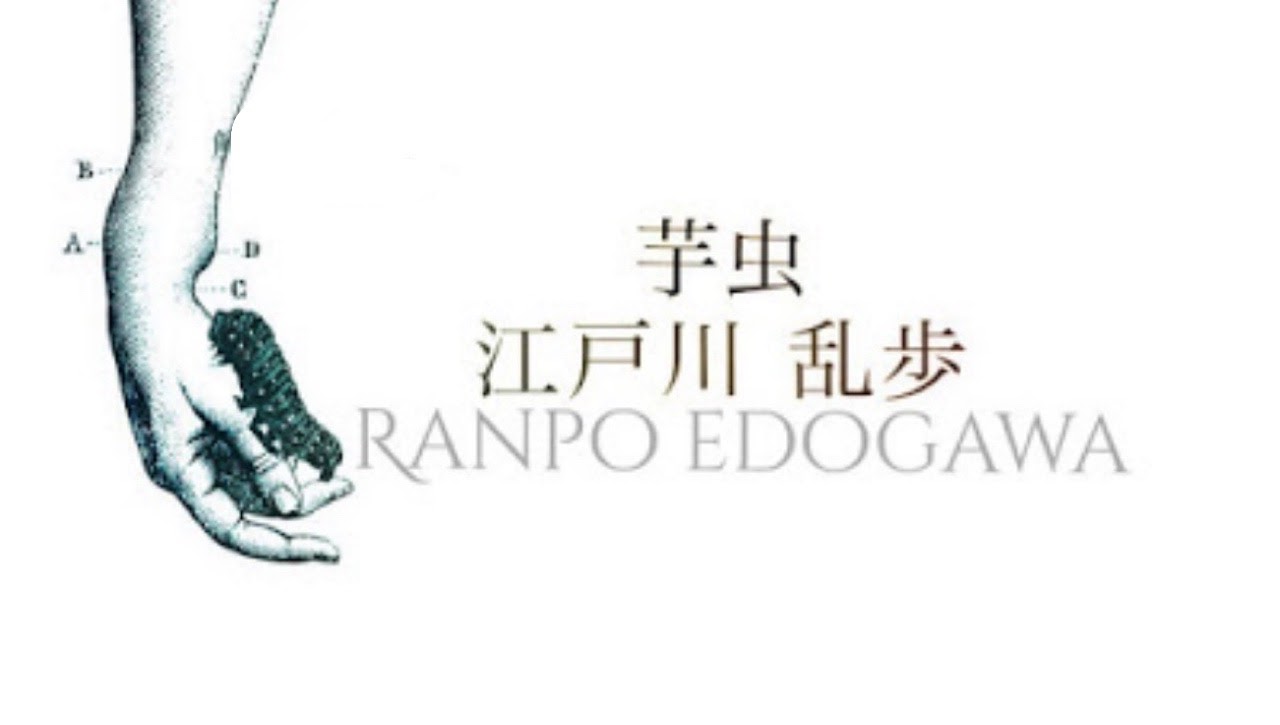
‘The Caterpillar’, Rampo Edogawa.

I honestly believe it to be one of the most stirring human-interest stories of the day.
'The Caterpillar', Rampo Edogawa.


  1. Introduction.
  2. Ⅰ Case1 :Devotion and sadism
  3. Ⅱ  Case2 :The Form and the Life
  4. Ⅲ  Case3 : The Eye of the World Egg
  5. Ⅳ  Case4:Illusions, dialogue and heroic story
  6. Dependent Origination

Introduction.

Tokiko’s husband, ‘Lieutenant Sunaga’, was hailed as the pride of the army and regarded as a military god; however, he lost all four limbs in the war. His face was covered with scars, he had lost his hearing and vocal cords and could not speak well, yet his internal organs continued to function, albeit slowly, and he remained capable of living as a man. His appearance could be described as a ‘caterpillar’; however, as the term refers to the larval stage, it is almost impossible to determine his sex. The wife’s mind towards her husband, who could not speak and lacked any semblance of masculinity, transformed into neither husband nor man, but solely her own source of pleasure and despair, a repulsive existence. Even the wife of Edogawa Rampo, who authored this work, criticized it as ‘disgusting’, and it was once banned in 1939 under wartime censorship.

This story flows with the fluidity of a pen stroke and bears no sense of forethought or calculation. It is a strange tale; however, in modern times, such a situation could be interpreted as an example of reduced quality of life. The wife stabs her husband in the eye with an edged tool in an act of lust; however, this seemingly cruel act may today be interpreted as a manifestation of caregiver fatigue, shifting the emphasis towards caregiving from the wife’s perspective. Literature and medical ethics are often said to go hand in hand. The ‘distance’ provided by fiction lends objectivity, and cruelty—while seemingly chaotic at first glance—takes on the form of a kind of law when arranged as a novel. Therefore, a ‘cruel’ story can ultimately challenge and provoke the reader.

This story could indeed be perceived as discriminatory towards people with limbless conditions; however, the third-person perspective preserves ambivalence by focusing on the wife’s introspection, presenting it as a problem arising in the mind of one without physical impairments.

At the beginning of the story, Tokiko’s greatest aversion is to ‘grilled eggplant’, a vegetarian dish that, according to one theory, was invented by monks prohibited from eating meat in order to imitate its texture and taste. Tokiko’s limp bite of aubergine at the outset symbolically foreshadows her desires. When one eats something detested, disgust spreads from the tongue throughout the body. Perhaps only Rampo could be fascinated by the pleasures derived from sensation and touch.

The third-person perspective focuses mainly on the wife’s introspection, yet also highlights the couple’s prolonged frustration, their ensuing conflicts, the transformation of attachment into aggression, and the ambivalence underlying it all. The wife’s actions unfold like passages in a modern psychology textbook, and their home resembles the observation room of a psychologist.

Ⅰ Case1 :Devotion and sadism

The husband, who had lost all four limbs, was forced to crawl or bang his head against the floor in order to express his will. He conveyed his frustration by repeatedly striking himself, and each time his wife responded with polite attentiveness.

“I’m coming now. You must be hungry.”
“I’ve kept you waiting a long time, haven’t I? Be patient for just a moment.”

The wife would hand her husband a piece of paper and a pencil, upon which he would inscribe his frustration in distorted letters.

“Tired of me?”

Her husband, searching for her until his head struck the floor, wrote words as contorted as his body. The wife, however, answered with a faintly teasing calm: “You’re jealous again, aren’t you?” One of her own kisses relieved her anxieties, while her husband’s every movement became another source of excitement and lust for her. To the woman, this “organism” was not merely a spouse, but a perverse and thrilling toy.

“You’re jealous again, aren’t you?”

Tokiko embodied two faces.

“As for you, however, your continued faithfulness has deprived you of all your former pleasures and desires. For three long years you have sacrificed everything for that poor crippled man, without emitting the faintest breath of complaint. You always contend that this is but the natural duty of a soldier’s wife, and so it is. However, I sometimes cannot help feeling that it is a cruel fate for a woman to endure—especially for one so very attractive and charming as you, and so young as well. I am deeply struck with admiration. I honestly believe it to be one of the most stirring human-interest stories of the day. The question which still remains is: how long will it last? Remember, you still have quite a long future ahead of you. For your husband’s sake, I pray that you will never change.”

The world perceived this woman as devoted to her husband, imagining that she had renounced her desires and elevated their union into an ideal of conjugal fidelity. In such a view, the renunciation of ‘greed’ symbolized chastity: the wife caring for her husband with unwavering devotion. However, reality was more ambiguous. The husband remained capable of functioning as a man, and the wife regarded him as a bloated yellow caterpillar, a grotesque lump of flesh through which her sadism was revealed.

Outwardly, Tokiko conformed to the expectations of society, embodying the image of a chaste wife. The world surrounding her was familiar, and this familiarity endured as long as she remained within it. People already possessed a preconceived image of her, and there was no need for Tokiko to disturb that illusion.

One cannot easily destroy the impression of such a familiar world. Desire does not endure eternally; therefore, when one steps outside, it naturally adapts to external norms. In that outside world, Tokiko remained ‘honest’. She would smile, euphemistically embodying chastity as soon as she stepped beyond her front door. There was no falsehood in this performance. However, once she returned home, she was consumed with disgust at her husband’s ugliness, and at her own lust for that ugliness. The recognition that her heart was not governed by pure love, but rather by disordered and unreasonable passions, filled her with fear as much as with pleasure.

Her husband demanded that Tokiko bring him newspaper articles and medals from his military service. At first, he was content to look upon them; however, he soon grew weary of these relics. The only act left to the couple was intercourse, which left them both with an animal-like emptiness, as though imprisoned in a cage. In such circumstances, would his wife realize that beneath the virtues of chastity she was, in truth, a horrible woman hiding behind a mask of devotion? She lived under the weight of condemnation by the world she knew. Moreover, her husband no longer bore the dignity he once possessed; he was now at her mercy. Despite this, he remained immobile, calling out to her whenever she was absent for even a short while, thereby further constraining her. The crescendo of Tokiko’s swelling emotions and introspection halted only when she straddled her husband.

Her control over him, fragile as it was, became uncontrollable. At last, Tokiko placed her hand over his eyes and crushed them with a deadly weapon as he stared at her.

She wrote “Yurushite” (Forgive me) several times across her husband’s chest; however, he offered no response. Unable to bear either the pity of his condition or the burden of her own guilt, she involuntarily abandoned him. Upon her return, she discovered him gone. On the bedpost lay a nearly illegible note, resembling the playful scribbles of a child. She discerned that it read “Yurus” (I forgive you). Yet, her husband had crawled away, bent his neck like a sickle, and cast himself into the well to his death.

The act of bending one’s neck like a sickle is an old Japanese figurative expression, likening the raised head of a snake in fighting stance to the curve of a sickle. Whether his end constituted a soldier’s death or an assertion of will remains unresolved. However, Tokiko imagined the phantom of her husband’s face, interwoven with the certainty that he had forgiven her.

Ⅱ  Case2 :The Form and the Life

If Part I may be regarded as a psychological study centered on Tokiko, Part II provides a broader overview. A work of art is never confined to a single interpretation. Rather, incompatible interpretations coexist, representing the complexity of a civilization. When a work of art becomes a form rather than a sound, it becomes deeply tied to the visual. Consider, for example, the motif of ‘hands’: Albrecht Dürer’s Praying Hands conveyed expression through gesture; Caravaggio’s St. Matthew revealed angelic fingers embodying scholastic philosophy; Rembrandt’s St. Matthew, by contrast, depicted hands resembling those of laborers, emphasizing the sheer force of divine dictation. Life is form, and form is life.

The armless Venus de Milo attains this significance by chance. Even without arms, her presence has captivated countless viewers. The absence of arms has rendered the emotions of “hands” more evocative and imaginative. Novels, however, exist in a world without form. They also lack sound. They are left to the construction of a third world in the mind of the reader, a world even the author cannot fully comprehend. Language, too, represents the human psyche, processed in the depths of consciousness as both the world of imagination and the language of God. If language, like vegetation, possesses an ecosystem, then perhaps nothing disrupts that ecosystem more than language itself. Language attempts, sometimes actively and sometimes passively, to become the form of an invisible entity which, from the perspective of vision, ought to remain in the lower strata. Edogawa Rampo’s The Caterpillar may be described precisely as such a work.

It is not difficult to imagine a darkened room, oppressively devoid of light, in which a limbless husband lies at Tokiko’s feet. In the English translation, certain words such as 肉毒楽 are omitted; these terms—“thing,” “flesh,” “lump of flesh”—all referred to the husband. However, it must be remembered that he is not merely “flesh” animated, but rather life in its universal essence, embodied in a particular form. The human spirit is highly susceptible to the shaping power of circumstances and environment. The husband has lost his hands, the organs of expression, and he has no feet, the symbols of independence.

The reader can easily look into the eyes of the woman, Tokiko. We enter the couple’s bedroom, a place concealed from the outside world. In the darkness, the Caterpillar waits for his wife to illuminate him, and she becomes that light. As we enter this space, the reader is gradually manipulated by the couple. Eventually, we become entangled in the psychological portrayal of Tokiko herself. A number of metaphors emerge concerning the gaze directed at the husband’s form: first Tokiko’s gaze, then that of the neighbors, then society, then past glories, and finally the husband himself. Above all, the husband’s gaze constituted the sole human expression of emotion.

A house is not merely to be looked at; it must be lived in and fashioned. (Francis Bacon, Essays.) This is why the husband grew weary of the past glories represented by his military order. One cannot live each day simply to look upon them. Nocturnal activities are not only biological, but also become habitual. Just as Louis XIV required a finely crafted chair, so too does a man require customs that constitute his role. As husband and wife, they were expected to enact movements that become cultural and customary. However, for the husband who had lost all four limbs, this role as husband was replaced by that of a “caterpillar.”

If her husband’s body were a sculpture, Tokiko might even have found it beautiful to behold. However, like a sculpture, the lifeless had not acquired life; rather, the living had been reduced to lifelessness. Their function as husband and wife, which should have extended into the living space they shared, had dissolved into illusion. It did not even leave room for the “fantasy” of imagining what their household might have been had he retained his limbs. Instead, the narrative draws us ever deeper into the inner life of the husband whose eyes were crushed.

It was not only the wife’s virtue that was tested. The husband’s virtue, too, was placed on trial. This is where the endgame unfolds. Could he maintain his dignity as a husband with a wife who had once been devoted and supportive? He no longer expressed his will by furiously banging his head against the wall—that was his only means of protest. The muffled sound of water ultimately signaled the death of the man who had no limbs and could not swim. There seemed to be nothing left but the presence of a living soul within a fragile form.

Yet the husband acted as if he were still a man with arms, even though he could only write by holding a pen in his mouth. Not merely as a body with limbs,
but as a person endowed with a heart,

he inscribed the word 「ユルス」I forgive you—to his wife.

Ⅲ  Case3 : The Eye of the World Egg

The invisible gaze constructs the illusion and the very space of a “heroic story.” It is not altogether clear to what extent “love” in Japan at that time shared features with what we recognize today. However, why do these two individuals seem to embody a sense of love not so different from our present experience? Perhaps it is because modern “free love” does not guarantee universal happiness or the capacity to cultivate character. Love can be a blessing; however, it can also descend into sin, powerful enough to drive another person to death. At its foundation, love requires, in Erich Fromm’s words, “discipline.” Nevertheless, we cannot deny that love is fleeting, particularly when we turn to classical Japanese literature. For it is also libido, the raw energy of life.

There was never any doubt in my mind that Tokiko had a loving husband. Yet when love and sexual desire coexisted, she assumed the initiative and became violent. Crucially, she was not unconscious of her actions but remained acutely self-aware. Her guilt restrained her from altering her course, and she trembled before the invisible censure of the world. After she blinded her husband, she repeatedly traced the word 「ユルシテ」 (forgive me) across his chest with her finger. Rampo’s narrative traverses darkness, pleasure, fear, and sudden acceleration through his wife’s introspection; however, from the moment she pleads for forgiveness, she appears strangely calm, without surrendering to despair. To some readers, her repeated ユルシテ may appear as genuine reform; to others, it is merely a self-centered cry for absolution.

At the same time, Tokiko began to weep, longing to see the ordinary faces of the outside world, leaving her disfigured husband behind. Unable to endure solitude, she fled. Many people tend to distinguish between husband-and-wife and love itself; however, I do not. For love, hate, and all negative emotions are inescapably entangled in human intimacy. The woman did indeed love her husband; however, she was devoured by her own greed. Yet the absence of virtue does not negate the existence of “love.” The fact that only memories shine, while the present yields no shadows, does not mean that the bond has been severed.

What criteria determine the end of a relationship? Married couples may divorce; even Catholic marriages can be annulled. However, where does the past itself reside while its memories continue to live on?

This is equally true of our relationship with the dead. The crucial difference is that memories with the dead halt at a fixed point, and the dead themselves cease to change beyond that point. Therefore, the living can continue to love a “record” that no longer evolves. Memories shift their perspective under different lights, becoming imaginatively fluid, yielding new interpretations, and thereby allowing affection for the dead to remain alive. In contrast, when both parties remain alive, “change” is often far more difficult. Alienation can emerge, particularly when one can no longer utter words of love. For the unmarried, separation usually follows; however, in marriage the situation is profoundly different. Divorce may exist in law; however, it remains exceedingly difficult to speak of the bond between two people who have reached such an impasse. Even when two individuals have resolved never to meet again, a residue of love persists somewhere within the hidden corners of the heart. Returning to the couple in The Caterpillar, I felt the strength of their bond when the wife continued to inscribe 「ユルシテ」 across her husband’s back.

In childhood, many Japanese may have played the game of tracing letters with a finger on another’s palm or back, challenging the recipient to guess the words. Yet unless the letters are simple hiragana or katakana, recognition becomes difficult. One wonders whether the husband truly understood his wife’s words, especially in his weakened state. Reading also requires confidence. Perhaps the sensation of his skin was dulled by the trauma of his eye injury. Whether his body truly received those words in full remains uncertain. Nevertheless, the husband left behind a final note: 「ユルス」.

It may be that her words were never understood.

It is precisely because of this uncertainty that I cannot help but feel the profound weight of his soul in that final 「ユルス」. The weight of the soul cannot be measured by superficial love.

Indeed, perhaps he did not understand at all. And yet, paradoxically, this seems the truest answer.

Dialogue is not always possible, even under ordinary circumstances. One may, in fact, receive another’s words only in the manner one wishes to hear them. To be told simply “forgive” may itself be a word the victim does not desire to receive, given what has transpired.

Stimulation between man and woman does not always follow order. It is not simple to discern how much derives from affection and how much from sheer stimulation. Between men and women there are times when we may conclude deductively that it is love, and times when we can only infer inductively that it must be so, by virtue of their being man and woman. Every individual is destined to embody both.

The severing of their relationship in “this world” culminated in the husband’s suicide. The impulse that compelled him remains difficult to explain.

Schopenhauer, in his reflections “On Suicide” (The World as Will and Representation), referred to the Latin punctum saliens (the “salient point”) as “the egg of the world.” The phrase is difficult to translate, signifying a minute source or spring, yet Schopenhauer employed it to designate the very focal point of existence. In contrast to phenomena such as human desire and human love, he identified the act of reproduction as the highest expression of will. Whatever the historical context, reproduction stood in stark contrast to the unfolding of phenomena surrounding something as sacred as the Lord God, as a “tiny spring-like source” of human functioning, untouched by fluctuations of love, will, or passion. That much remains undeniable.

Another thinker, Simone Weil, also meditated on the punctum saliens. In her chapter on “de-creation” in La Pesanteur et la grâce, she wrote: “That a fictitious divinity has been given to man.” She further remarked that “there are only two moments in life when we are completely naked and pure: the time of birth and the time of death,” seeking thereby to remove the self through uncompromising inner exploration.

If we strip Schopenhauer’s and Weil’s notions to their common ground, we discover a dark gaze surrounding phenomena that may appear disturbing, loving, or disappointing. In human presence and in human absence alike, we become anonymous observers. Rampo himself confessed: “My character as a dreamer does not feel an itch, no matter how I am treated by the real world” (in reference to political meaning). Indeed, it is true that this story possesses a distinctly subjective perspective, a fantasma of shifting phenomena. In contrast to mere fantasy, a fantasma parallels the relationship between perception and sensation. Is The Caterpillar not perhaps an attempt to define conjugal love beyond the values of its age, rather than a story of simple fantasy? Yet it remains fantasy nonetheless, for Tokiko continued to behold visions of the Caterpillar even after her husband’s death.

The couple’s task was the source of both life and death—the primal force creeping between all phenomena, the “original sin” of humanity. No matter how a relationship ends, no matter how life and death divide, no matter how memories fade or are embellished,

the eye, the egg of the world, remains at the very center of human life.

Ⅳ  Case4:Illusions, dialogue and heroic story

Concerning the difference in dialogue between man and woman, one recalls the story from chapter 5 of the Song of Solomon. The bride’s affection for the groom had cooled, and she refused to open the door when he called. While the groom eagerly devoted himself to her from behind the door, the bride eventually changed her mind and opened it—yet he was already gone. “His words made me faint. I sought him, but he did not answer me” (Song of Solomon 5:6).

Just as the “bridegroom” is replaced by the Lord in biblical teaching, so too do relationships bound by love seek a Lord-like fidelity, intersecting and yet betraying one another. Tokiko and her husband might well be understood through this lens of crossed dialogue. Although the meaning of “love” in modern Japan differs from that of the past, the connection between beautiful stories, the sacred, and the Lord remains relevant. Love is the one reality to which human beings will swear allegiance, the one force that gives coherence to existence. It is loyalty. Even when not religious, even when conceived as a familial contract, eternal bonds and fidelity are demanded. We help one another and live together under the expectation that we are always recognized, even when unseen. Understanding and respecting differences, while cultivating inclusion, becomes indispensable. The pursuit of happiness requires that love precede comprehension, that goodness act before it can be named as love. However, despite its deceits and betrayals, reason persists as the part of the soul that still longs for fidelity.

In The Caterpillar, her husband inscribed 「ユルス」 in katakana, holding the writing pad with his mouth in his limbless state. It was only possible because of the concise form of Japanese katakana. By contrast, the English phrase “I forgive you” would have been exceedingly difficult to form in such conditions. What if he did not truly know what his wife had written, but instead grasped it inwardly? What if, as in the Song of Solomon, despite the crossing of words and gestures, a dialogue nevertheless occurred? If so, then her husband’s act embodies the ideal of dialogue in love. Dialogue does not always reside in words, and yet, ultimately, words are needed to express both will and heart. He understood this with profound clarity.

What remained for Tokiko was the redemption of her husband’s phantom, the recurring “caterpillar” that visited her each spring. Human beings and their emotions are frail, even hopeless; however, there exist treasures that can only be uncovered through contact with this very frailty.

Rampo himself plunges the reader into illusion. He repeatedly unsettles us with the question of where his tale finds its resting place. The uncanny story of the Caterpillar—his wife’s plea, her husband’s forgiveness, his death as a god of war—remains, in my view, the most haunting of Rampo’s works. Each time Tokiko saw a caterpillar, she was reminded of him. Though her personality was once distorted, her form altered, she continued to see only her husband, and he lived on for her. The story may even be perceived as an expression of single-minded devotion.

Earnest? No—mysterious. It is, in truth, a strange and wondrous story.

Dependent Origination

Do you think this story is cruel? To me, it appears as love. To protect and to love that which is fragile is, in truth, profoundly complex. And through doing so, I myself become fragile. I accept the balance of both the sacred and the profane. It is precisely because of human weakness that the sacred can be discerned. This is, I believe, a worldly tale—yet one that is also a metaphor, even a parable.

Notice on Historical Expressions

This work contains expressions that reflect the social and cultural context of its time. These terms may be perceived as discriminatory or outdated today, but they have been preserved in this translation to remain faithful to the original text. Readers are encouraged to approach them as part of the historical and literary background of the work.
「芋虫」江戸川乱歩

全く感心していますよ。今の世の美談だと思っています。
「芋虫」江戸川乱歩

  1. はじめに
  2. Ⅰ Case1 献身とサディズム
  3. Ⅱ Case2  形と生命
  4. Ⅲ Case3 「世界の卵という眼」
  5. Ⅳ  Case4 幻想・対話・美談 

はじめに

時子の夫「須永中尉」は、陸軍の誇りだと称えられ、軍神のような存在だったが、戦争によって四肢を失ってしまう。夫の顔は傷だらけで、聴力、声帯も失い上手く話せないが、内臓は鈍いながらも動き、男性としても機能していた。姿形は「芋虫」と言えるが、芋虫とは幼虫の段階のことであり、性別の判断はほぼ不可能である。話せもしない、男らしさのカケラも感じない、そんな夫への妻の心は、夫でもなく、男性というものでもなく、自分の快楽と鬱憤晴らしや、気持ち悪い存在でしかなくなってしまう。この作品を書いた江戸川乱歩の妻でさえこの作品は「いやらしい」と批判し、この作品は1939年に一度、戦時中の検閲により発禁となった。この話はまるで一筆書きのように流麗で、伏線という計算を感じさせない。これは奇談に過ぎなかったが、現代ではこういった事をQOLの低下の一例となるかもしれない。妻は情欲の果てに夫の眼を潰してしまうが、この残酷のように思える妻の行動も現代となれば、介護疲れとして妻の立場に立ったケアを重視されるのかもしれない。文学と医療倫理の相性は良いと聞く。虚構であるからこその「距離感」が客観性を与え、一見、無秩序であるような残酷さは、小説の形態となると、ある種の法則のように整えられる。このように「残酷」な話は人々に何か課題のように見せることがあるのだろう。

この話は四肢のない状態の人間に対して差別的に思われるような話だが、第三者視点が妻の内観に焦点を当てることによって、身体に問題の無い人間の心に問題があるようにし、アンビバレンスを保っている。

 物語序盤、時子は「茄子の鴫焼き」を一番嫌いだとあった。鴫焼きとは精進料理であり、一説によると肉が食べられない僧侶が歯ごたえや味を鴫に似せるために作られたらしい。この紹介の始まり、今から情欲について展開される予兆として、時子がこの茄子をぐにゃりと噛む食感は色んなことを暗示させる。苦手なものを口にするときというのは舌から全身へと嫌悪感が走る。感触、触感から得られる快楽に拘った乱歩ならではなのかもしれない。 第三者視点によって焦点が当てられるのは主に妻の内観だが、夫婦のフラストレーションの長期化、それによる両者のコンクリフト(葛藤)、愛着の対象が攻撃となること、アンビバレンス。妻の取った行動は、現代にとっては心理学の教科書のようであり、彼等の家はまるで心理学者の観察部屋のようだった。

Ⅰ Case1 献身とサディズム

四肢を失った夫は、意思を表すのに這いずり回るか自分の頭を床にぶつけるしかなかった。何度も何度もぶつけて不満を表し、その度に妻は丁寧に対応する。

「今、行きますよ。おなかがすいたでしょう」

「待ち遠しかったでしょう。すまなかったわね」

「今、ランプをつけますからね。もう少しよ、もう少しよ」

妻は夫に紙と鉛筆を渡すと夫は口に加えて不満を書いて言葉にした。

「オレガ イヤニナッタノカ」(俺が嫌になったのか?)

夫が頭を床にぶつけてまで自分を求め、姿同様の歪んだ字を書く者に、 「また妬いているのね」と、あやす。それから自分の接吻一つで安堵をし、一挙一動するものだから、妻にとって それがまた興奮の種となり情欲が湧いてしまう。妻にとってこの「肉独楽」(にくごま)は興奮する玩具だった。

時子には建前と裏の顔があったのだ。

「あの廃人を三年の年月少しだって厭な顔を見せるではなく、

自分の欲をすっかり捨ててしまって、親切に世話している。

女房として当たり前のことだと云ってしまえばそれまでじゃが、

出来ないことだ。わしは、全く感心していますよ。今の世の美談だと思っています

「どうか気を変えないで面倒見てあげてくださいよ」

外の人間は、この妻は欲を捨てて夫に尽くしていると思っていて、今の世の美談として、この夫婦に理想すら抱いている。この場合の「欲」を捨ててというのは、世間が妻に貞淑、献身的に夫の世話をしていることだった。しかし、実際は「少し」違っていた。夫は男性として機能が残っていたし、妻は夫をのことを、肥えた黄色い芋虫であり、奇形な肉独楽のよう扱い、「サディズム」が表れていた。

外に行けば時子は 貞淑な妻として、外の空気に合わせる。彼女にとって、自分を取り巻く世界というのは、馴染みがある世界だった。特に遠出でもしない限りそうだろう。時子を取り巻く人は 時子に対して何らかしらのイメージを持って既に存在している。それをわざわざ崩してまで時子が何を明かさなければならなかったと言うのだろうか?

人は中々、この馴染みがある世界、自分の印象を崩すことは出来ない。情欲というものはずっと続くものではなく、外に行けば彼女も自然に外に合わせる。外の世界ではそれ用に 彼女も「正直」だったのだ。玄関から外へと出れば時子は貞節な妻として、婉然と微笑んだのだろう。そこに嘘があるわけではない。そして家に戻れば、夫の姿の醜さや、その醜さに欲情することを、妻は自分の心が純愛でないことや、道理が合わず秩序立てられない感情に嫌気を差し、自分の情欲、快感と共に恐れも持ち始める。

夫も以前は自分の活躍していた頃の新聞記事や勲章を時子に持たせて眺めて満足していたが、やがて飽きてしまった。夫婦二人で出来ることと言えば、行為にあけくれることだけで、動物の檻の中にいるようで虚無感があった。そんな中で、妻は自分が貞節の美名に隠れて、恐ろしい女だと見透かされるのではないかと、馴染みがある世界から、指を突き刺されて責められているのではないかと強迫観念に駆られる。その上、夫は嘗てのような凛々しさがなく、自分の言いなりだ。その割には動けない彼は自分が少し居ないぐらいで呼んでは、結局のところ自分を束縛する。時子の膨らむ感情、時子が夫へと跨るときに内観の描写はここで一旦、静止する。

時子は、弱々しい彼への支配力や感情が収拾つかなくなり、時子は夫の眼に手をかけ自分を見つめる夫の眼を凶器で潰してしまう。

目を潰された夫の胸に妻・時子は「ユルシテ」(Forgive me)と何度か身体に書いたが夫は返事をする素振りは見せなかった。妻は段々と夫の置かれている状況の哀れさと、自分の罪への意識に耐えかねられなくなり夫から思わず離れてしまう。そして、戻ってみると夫は居なくなっていて枕元の柱に子どもの悪戯書きのように読みにくい文字を残してあるのを見つける。妻はそれを「ユルス」と記してあると気づいたが、夫は身体を這いずり、もたげていた鎌首をガクンと落とし、井戸の中へと落ちて死んでいった。鈍い水音は手足がなく泳げない夫の死を意味している。

鎌首をもたげるとは、蛇が首を持ち上げた姿が鎌に似ていることから、戦闘体制に入るときに使う比喩表現である。夫の最期は、軍人としての死なのか、死に向かうことへの意志の表れなのか、謎は残るが、妻は夫から許されたと確信と共に夫の面影の幻想を思い描いた。

Ⅱ Case2  形と生命

Ⅰが妻に寄り添った心理的考察だとするのなら、Ⅱはもっと俯瞰したものになる。芸術作品というものは、一つの解釈に捉われない。相容れない解釈がひしめき合っていて、一つの文明を表している。芸術作品は音ではなく「形」となった時、視覚との縁が深くなる。例えば、「手」それはアルブレヒト・デューラーの「祈りの手」であり、絵画では表情を伝えるものとして重要なモチーフだった。カラヴァッジョの聖マタイにスコラ哲学を伝える天使の指、そしてレンブラントの聖マタイの手は、天使の口述の凄まじさを表しているかのように手が労働者のような手をしている。命とは「形」であり、「形」とは命である。腕が無い「ミロのヴィーナス」はそれを偶然にも成功させている。腕が無くても彼女の存在は多くの人達を魅了してきた。それこそ色んな解釈と一緒に―――腕が無いからこその、「手」が魅せる感情を想像のものとした。それに対して、小説は、「形」のない世界である。ついでに「音」もない。それらは、著者でも把握しきれない読者の第三の世界の構築に委ねられている。言葉とは、人間の精神をも表し、想像の世界や、神の言葉として人の内奥で処理される。言語に植物のように生態系があるとするのなら、言語ほどその生態系が乱れるものはないのかもしれない。それは時には積極的に、そして消極的に、視界中心でいえば低層部であるはずの見えない存在が、「形」になろうとする。江戸川乱歩の「芋虫」はそのような作品の一つと言える。灯りをつけなければ不便なほどの暗い部屋、時子の足元に、四肢の無い「夫」が転がっていることが想像しやすい。英訳版では「肉独楽」という言葉の翻訳が無く、Thing,flesh,lump of fleshとこれらは夫のことを意味している。しかし忘れてはならないのは、夫は「肉」が生命を持ったのではなく、生命の形(普遍)が、特殊な形になってしまったのだ。そして、人間の精神というものは、状況や環境という形にとても影響されやすい。感情を表す手を失い、自立するためにある「足」も無い。

読者は簡単に妻、「時子」の眼を手に入れることが出来た。外部が知る由もない夫婦の寝室に、私たちは踏み込むことになる。暗闇の部屋の中に、妻の灯りを頼りに待つ「芋虫」の姿、彼にとって妻が光だった。このように一歩引いて空間を手に取りながらも、次第に読者はこの夫婦に操作される。やがて妻の心理描写に感情移入する。ここには夫の「形」を巡っていくつもの視線の隠喩が存在する。まずは妻の時子、次に近所の人、世間、過去の栄光、そして夫。特に夫は「視線」だけが人間的に感情を表すものだった。家というものは、眺めるためだけにあるのではない、生活をし慣習化させる。(フランシス・ベーコン『随筆集』)だからこそ、夫は過去の栄光であった勲章に飽きてしまったのだろう。眺めているだけでは毎日が生きられない。夜の営みも生物学的なものだけではなく、これらも慣習化する。ルイ14世が立派な椅子に座るように、人間とはその人の役割である習慣が必要となる。それは、夫として、妻として、それぞれ文化的、慣習化となる動きをしなければならない。それが四肢を失った夫にとって、それは夫という役割ではなく、「芋虫」のようになってしまった。

夫の姿が彫刻であれば、鑑賞者として美しいとすら思うのかもしれない。しかし、彫刻のように命無きものが命を得たのではなく、命あるものが、失ったのだ。二人の居住空間に広がるはずの夫婦としての機能は幻となってしまったのか、それはそうではない。まだ夫に四肢がまだ残ったままだったら、どんな家庭になっていたのだろうかという「妄想」の隙さえも与えなかった。それはより目が潰された夫の内面に引き込まれるからである。美徳を試されているのは妻だけではなかった。また夫も美徳を試されていた。そこに終盤になって気付かされる。献身的に支えてくれる妻がいることで、夫として威厳が保てるのか。気狂いで頭をぶつけて意思表示をしていたのではない。それしか手段がなかったのだ。「形」の内部に、生身の魂があるということ、虚しいことを言えば、それ以外何もないように思われた。けれども、夫は口で咥えて書いたとはいえ、腕がある人と同じ行動をとった。四肢だけではなく、

心がある人間のように、

妻を「ユルス」と。

Ⅲ Case3 「世界の卵という眼」

 見えない視線が、「美談」という幻想と空間を作り上げる。この時代の日本の「愛」というものが、どのあたりまで今日と共通しているのか私は把握できない。しかし、この二人が然程、遠い感覚ではないように思えるのは何故なのだろうか。それは現代の「自由恋愛」も 万全な幸福 でもなく人格者になれると言い切れないからなのかもしれない。恋愛は、幸福でもあるが相手を死へと追い詰めるほど罪悪なところもある。そもそも愛というものは、エーリッヒ・フロムでいえば「鍛錬」が必要となる。だからと言って、特に日本の古典文学を考えれば刹那的な愛を否定できない。なぜなら、それもリビドーであり、生命のエネルギーでもあるからである。

私から見える時子には、夫が愛おしい存在であったのには間違いはなかったと思う。愛おしいと性欲が共存するときに、主導権を握り始め、暴力的になっていく。着目すべきとろは、彼女は忘我していたわけではなく、そんな自分に気づいていたことだ。その罪悪感から改心することがでず、見えない世間の批判に怯えるようになっていった。夫の眼を潰してしまった後に、彼の胸に「ユルシテ」と指で何度も書いた。 乱歩は、これまで妻の内観と共に闇へ闇へ、快楽、恐怖と駆け足で転げ落ちていったが、妻がユルシを乞うところから妻が闇に落ちることが静止している。読者によっては妻が改心をして「ユルシテ」と言っているようにも見えるし、自己中心的に自分が許されたいがために「ユルシテ」と言っているだけのようにも見せている。

同時に時子は泣き出し、世の常の姿を備えた人間が見たくなり、哀れな夫を置き去りにする。一人に耐え兼ねて逃げ出したのだ。夫婦と恋愛を切り離して考えるひとも多いが、人間同士の愛には愛憎や、負の感情も避けられないのだから、私は切り離して考えない。妻は夫が愛おしいながらも、自分の欲に溺れていた。けれどもそれは美徳ではないというだけで、「愛」がないとも言い切れない。思い出だけが輝いていて、現在は見る影もないのも繋がりが切れているとは言えない。

人同士の繋がりが切れるとは、何処で決めるのだろうか。夫婦にも離婚やカトリックでも婚姻無効訴訟があるが、過去の記憶が生き続ける間、その過去は何処へ行くのだろうか。

それは死者との繋がりにも言えることである。違うのは死者との思い出はある一点で静止し、死者もある一点で変化を止めてしまう。「記録」を愛することができる。「記憶」は色々と思惑によって視点を変え、想像と創造的に流動的となって、様々な解釈を得て、死者への想いは生き続ける。それとは別にお互い生きている場合の「変化」はまた困難を極めている。特に愛していると言い切れなくなっていった場合、その対象は疎ましくも思うのかもしれない。そうなると未婚の場合は別れるという選択をするのが普通だが、結婚となると話は変わってしまう。現在の法律では「離婚」は認められているが、そこまで至った人間同士の絆を簡単に語ることはできない。 裁判を経て二度と会わないと決まった二人でもそれなりに何処かに心の隅には愛の残滓はあるものだ。「芋虫」の夫婦に話を戻すが、夫婦の絆はどれほどあったのか、私は、妻は「ユルシテ」と背中に書き続けたところに感じた。

日本人なら子どもの頃に、友人同士で背中や手のひらに文字を指で書いて何て書いているのか当てるゲームを一度はしたことがあるだろう。受け取り側は、単純な平仮名やカタカナでないと分かりにくい。特に身体が弱っているときに、本当に妻の言葉は通じていたのだろうか。 読み取る力というのも、一つの信頼関係も要する。もしかしたら、目の大怪我で皮膚全体の感覚は麻痺していたのかもしれない。身体が本当に万全に言葉を受け止めていたのか、それこそ信用が無いのだ。それでも、夫は最後に「ユルス」と書き残した。

もしかしたら、言葉は伝わっていなかったのかもしれない。

私はそう思うからこそ、夫の最期の「ユルス」に魂の重さを感じずにはいられないのだ。

魂の重さ、そこには上辺だけの愛情では計り知れないものがある。

対話というものは、通常でも成り立たないことがある。本人の聞きたいように、相手の言葉を受け取ってしまうことだってある。単純に「ユルシテ」という言葉を言われるだけで、被害者は自分が受けた仕打ちを考えれば聞きたくない言葉にだってなりえた。  男女の間に起こる刺激は常に秩序によって整っているわけでは無い。何処までが愛情だといえて、何処からが単なる刺激なのか簡単に説明出来るものではない。男女の間では、演繹的に「愛」だと確信出来ることもあれば、帰納的に「男女だから」としか言えないときもある。 どんな男女でもこの両方を兼ねているだろう。

この二人の関係性を、「現世」で断ち切ることは、夫の自害となった。そうしなければならなかった衝動を説明することは容易ではない。

ショーペンハウワーは、「自殺について」という書籍でラテン語のpunctum saliens (Engl. the salient point) について「世界の卵という眼」とした。punctum saliensとは訳が難しいが、直訳すれば小さな穴のような源泉という意味である。使われ方としては、「彼」の場合はこうだった。人間的な欲望や、人間愛などの現象の展開と対照的に、人間の生殖行為がある。それを彼の哲学では、最高度の焦点として意志の核心としている。どのような時代背景があろうとも、愛や意志などの変化に微動だにしないのは、神のような「神聖」なものを巡って、繰り広げられる現象に人間としての機能である「小さな穴のような源泉」として、生殖行為は対照としてある。これは否定できない事実だろう。

もう一人、punctum saliensについて書いていた哲学者がいる。それがシモーヌ・ヴェイユだった。「重力と恩寵」の脱創造の章で彼女は、「人間には架空の神聖が与えられたこと」

そして、「人生には、完全に裸で純粋な瞬間は二度しかない」としている。生まれる時と死ぬ時とし、自己の内部を徹底的に探求することによって、自己を取り去ろうとしている。

ショーペンハウワーとシモーヌ・ヴェイユのpunctum saliensを巡って、共通項を取り除くと、不穏で、愛とも期待外れとも言える暗い眼差しが現象として取り巻いている。人間の存在や、不在、私たちは匿名の観察者となっていく。乱歩自身は「夢を語る私の性格は現実世界からどのような扱いを受けても一向に痛痒を感じないのである」(政治的意味について)と言ったようだが、本当にその通りで、この話は特に主観的な視点と、主題が揺れ動いていては現象としてのPantasma(ドイツ語)がある。Einbildung(自由奔放な想像)と違ってPantasmaの空想は知覚と感覚の関係と平行である。この芋虫は、ただの妄想に過ぎない話ではなく、時代の価値観を越えて、夫婦の愛についても問題定義をしようとしているのか? それだけでなく、やはりこれは時子が夫の死後も芋虫の幻影を見ていたように、幻想譚なのだ。

夫婦二人が抱えたものは、生と死、全ての現象の合間を潜り抜けた源泉、人間の「原罪」とも言える、 関係が終わっても、生死の別れがあっても、記憶が如何に忘却され美化されようとも、

世界の卵と言える眼を中心として、人間を営んでいる。

Ⅳ  Case4 幻想・対話・美談 

 夫婦の対話のすれ違いについては、聖書の「雅歌」に5章にこのような話がある。花嫁は花婿への愛が冷めてしまい、花婿が扉を開けて欲しいと言っても開けようとしなくなった。花婿が熱心に花嫁に扉の向こうで尽くしているうちに、漸く花嫁は扉を開けたが、花婿は既に居なくなっていた。「あの方の言葉で、私は気が遠くなりました。私は探し求めましたが、あの方は答えてくれません」(5:6) 聖書の教えでは「花婿」が主に置き換えられるように、愛によって繋がった関係には主のような繋がりを求め、すれ違う。時子と夫はこのように、対話がすれ違っていた可能性があった。今の日本の「愛」の価値観は違うとは言っても、美談と「主(神)」は無関係ではないことは、現代の「愛」にも通じるものがある。愛とは、それだけの理知的なものを人は誓おうとする。その一つが「忠誠心」である。宗教上でなくても、家同士の契約だったとしても永遠の絆や忠誠心が求められる。お互い助け合い、常に見えないところでも気づいてくれているという期待と共に共存する。お互いを理解し、尊重すること、互いの違いを認めつつ、包容力も必要となっていく。理解よりも早く愛があるように、いな、愛と言える前に「善」が働くように、幸福追求のための努力が求められる。それでも、裏切り続ける詐欺師のようで、忠誠を誓いたいという理性もまた人間の魂なのかもしれない。

「芋虫」となった夫は、四肢のない状態で、口で筆記具を使ってカタカナで「ユルス」と書いた。それは日本語のカタカナだからこそ出来た技だった。英訳のforgiveでは四肢がない状態で書き残すことは困難で果たせない。もしも妻がなんて書いていたのか、夫が判っていなかった場合でも、彼の中での理解があったとするのならどうだろうか。雅歌の夫婦のように言葉や尽くしたって対話がすれ違うのが当たり前の中で、そうだったとするのなら、どうだろうか。もしくは、妻の言葉を聞き入れたとしたのなら、尚、その「対話」とは愛において「理想」なのだ。対話を受け取るのは「言葉」と限らないことでもあるが、意志や心を表すのには、言葉を最後は要する。それを夫はよく理解していた。妻に残されたのは、夫の幻影となる、「芋虫」が毎年「春」になると現れるという贖罪だろう。

人間とは、人間の情とは絶望的でありながら、接してみないとわからない宝がある。

乱歩は私のことも錯視へと陥らせる。わたくしの語りの着地点を何度も悩ませた。

「芋虫」という奇談、夫の許し、軍人としての死、乱歩作品の中で私の中では一番の名作となっている。結局は、生死を境に二人の関係は途切れたが、妻の時子には芋虫を見るたびに思い出すだろう。私は、一時期は人格が歪みながらも、「形」が変わってしまっても妻は夫だけを見ていて、夫も妻のために生きた、

この話を「一途」な愛と忠誠とすら錯覚した。

「一途?」 いやいや、これは奇談なのだ。やはりこれは奇談なのだ。

最後まで「美談」という一本筋を通したような話だった。

Hans Christian Andersen, ‘Skyggen’.

Calm down, listen till the end. I was in the right place. I have had sight of all the truth that is in sight.

Hans Christian Andersen, 'Skyggen'.
  1. First
  2. Ⅰ Personality and personas
  3. Ⅱ  Plato and the ‘shadow’.
  4. Ⅲ ’Uniqueness’ and monads.
  5. Last Lazarus of Bethany

First

“Sooner or later, you will die.” When the shadow uttered these words, the scholar must have taken them as a reference to some distant point in time, unaware that death was, in fact, looming near.

During his travels to the sweltering countries, the people he encountered acquired a complexion like mahogany. Mahogany, perhaps not the easiest colour to picture, is a rich, deep reddish-brown, often seen in finely crafted furniture.

The scholars dedicated their studies to the pursuit of ‘truth, goodness, and beauty.’ Those scholars, along with their shadows, found it impossible to endure the oppressive heat of the day and would wait for the relief of nightfall to stretch out and rest. One evening, the scholar fell hopelessly in love with a woman on a nearby balcony, where beautiful flowers bloomed, and music seemed to take root in the air.

As his shadow stretched over to the edge of the woman’s balcony, he playfully instructed it, “Go on, slip into her room and keep her company.” Bowing slightly, the scholar directed the shadow toward the woman’s chamber, adding with a sly smile, “Even you, shadow, should make yourself useful now and then.” To his surprise, the shadow obeyed—and vanished altogether.

The scholar grew restless in the absence of his shadow, but he continued his work on his manuscript. Strangely, it seemed there were precedents in this fictional world where shadows disappeared, with similar tales existing even in colder climates.

Then, one day, a knock came at his door. Standing before him was a well-dressed gentleman. The scholar stared, utterly puzzled, unable to place the man’s face.

The man smiled and spoke: “I am the one who used to be your shadow.”

Ⅰ Personality and personas

Andersen’s era preceded the development of Jungian and Freudian psychology, yet the concept of persona bears similarities to those later theories. While the word ‘persona’ is sometimes associated with divine aspects—such as roles within the Christian Trinity—it also refers to the human self, which is unified as one.

The term persona originates from the Latin word meaning ‘mask,’ which itself derives from a Greek word for ‘face.’ In its earliest usage, it referred to the masks worn by actors on stage. Over time, however, it came to denote not the physical mask but the role the actor played. In this way, it is easy to see parallels between the idea of the Christian Trinity—Father, Son, and Holy Spirit—as three distinct roles that ultimately unite as one.

For Jung, the shadow represents repressed aspects of the psyche and takes an Aristotelian form. By contrast, Plato projected the concept outward, focusing on the ideal form of truth. Jung’s framework, in which the unconscious represents unachieved aspects of the self, offers an interesting lens through which to view Andersen’s tale. As a work of art, the story endows the scholar with an externalised, autonomous shadow, representing not merely an unconscious element but a fully embodied being.

In Andersen’s time, scholars were enraptured by the pursuit of the good, the beautiful, and the true. Yet the shadow in this story is not an unconscious reflection of the scholar’s mind—it is a conscious, embodied presence. To better understand this, one might consider Andersen’s own youthful ambition to become an opera singer. He longed to remain on the stage, if only his voice would transform to meet the demands of the role. This raises a curious question: is a role merely another facet of the self?

persona typically returns to unity as a single identity when not performing. However, a role demands more—it requires the actor to use their entire body and presence to become someone entirely different. On stage, identities shift with names, yet the performer remains inseparably linked to their true self. Even if one plays the role of a ‘scholar,’ that character is inherently fused with the actor’s underlying personality.

In The Shadow, one figure must always play the subject, while the other takes on the role of the shadow. As a ‘thinking entity’ that extends the human psyche, the shadow assumes multiple meanings. However, the shadow-actor in this story achieves happiness in a way the original form—the scholar—cannot. This suggests that the shadow’s identity transcends individual judgement, belonging more to the collective consciousness.

Indeed, the shadow belongs to society far more than the scholar does. It is the shadow that finds fulfilment by engaging with the group, suggesting that individuality must, at times, give way to collective identity.

Ⅱ  Plato and the ‘shadow’.

What exactly was the shadow to the scholar? The way in which the shadow detached itself and operated independently recalls Plato’s Allegory of the Cave. In this allegory, prisoners are confined within a cave, unable to see the fire burning behind them. All they perceive are the shadows of puppets, projected by the fire onto the walls before them. However, one prisoner manages to escape the cave and discovers that the world outside—illuminated by the sun—is the true reality. Upon returning to the cave to share his discovery, the other prisoners refuse to believe him, mistaking the shadows for the only truth they know.

Similarly, in Andersen’s tale, the scholar’s shadow takes on a life of its own, leaving the scholar’s side and venturing into the world. The departure of the shadow raises questions: was it truly a distinct being, or merely an alter ego of the scholar? Andersen deliberately obscures the connection between the two, leaving room for ambiguity. Upon the scholar’s return to the cold lands of his homeland, he discovers that a new shadow has emerged to replace the old one. Meanwhile, the original shadow, now freed from its former master, has pursued ‘outer truth’ and transformed into something magnificent.

In this altered state, the shadow presents itself to the scholar, appearing in splendid attire. Despite the transformation, the scholar warmly welcomes the shadow as though it were an entirely new personality. The reader may initially assume that the scholar and the shadow share a dual identity, but Andersen offers no such resolution. Instead, it becomes clear that the shadow has evolved into a completely independent entity, no longer tethered to the scholar.

“The most beautiful thing in the world is poetry,” the shadow declares, speaking of the woman the scholar had fallen in love with during his travels in the hot country. Through his connection with the woman, the shadow’s own sense of self is awakened. He begins to desire material comforts—shoes, clothes, and the kindness of others—and people take pity on him, offering him aid. Having enjoyed these indulgences, the shadow resumes its journey, continuing to explore the world on its own terms.

Plato’s philosophy, particularly in his dialogue Philebus, equates the concept of the Good with that of the One. He states: “It would do more harm than good if, having all other knowledge, one lacked knowledge of the highest Good.” The scholar represents an individual in pursuit of such ideals—truth, goodness, and beauty. However, in Andersen’s narrative, the shadow evolves into a separate existence entirely. It becomes a being that embodies these ideals not through intellectual pursuit, but through experience and interaction with the world.

Ⅲ ’Uniqueness’ and monads.

The shadow eventually returned to the scholar, who continued to write stories about ‘truth, goodness, and beauty.’ However, despite his efforts, the scholar made little progress in his career. At this stage, the shadow remained amicable and even suggested that they travel together. Yet, there was one condition: “You will be my shadow.” The scholar, unwilling to submit to such terms, flatly refused, saying, “I don’t want to do that.” He declined, even though the shadow offered to cover the travel expenses.

The ideals the scholar pursued—truth, goodness, and beauty—were, to most people, as meaningless as giving a rose to a cow. This sense of futility weighed heavily on the scholar, and he soon fell ill. When the shadow repeated his offer, proposing again that the scholar travel with him and become his shadow, the scholar—now weakened—reluctantly agreed.

At first, they got along well. However, their relationship shifted when the shadow raised the question of how they should address one another. The shadow insisted on addressing the scholar informally as ‘you’. This provoked the scholar, who retorted, “This is absurd.” His irritation grew: “It’s ridiculous that I must say ‘buggerlugs’ while he calls me ‘old bean’.”

This linguistic tension is particularly challenging to translate. In Danish, it is expressed as: “Det er dog vel galt,” tænkte han, “at jeg må sige De og han sige du, men nu måtte han holde ud.”

In this sentence, ‘De’ is a formal, respectful pronoun, while ‘du’ is a more familiar, personal one. The protagonist resents being addressed with the informal du—not merely because it implies familiarity, but because it reflects a shift in authority. The once-masterful scholar feels humiliated, now reduced to a subordinate role. This wordplay recalls the whimsical language of Lewis Carroll, but here it underscores the scholar’s existential crisis: the loss of his autonomy.

For someone devoted to the ideals of the Platonic school—where eidos (form) must remain within one’s grasp—the notion that a shadow could surpass him in influence is intolerable. In philosophy, where perception and understanding are traditionally the purview of the self, it is the self that ventures outside Plato’s cave to gain knowledge. Yet in Andersen’s tale, the scholar, despite his intellectual pursuits, is eclipsed by his shadow, who succeeds while he struggles even to complete his writing.

What, then, has the shadow taken from the scholar? Or perhaps the scholar, without realising it, has relinquished something vital to the shadow—an exchange that Andersen deliberately leaves unresolved.

At a resort, they encounter a beautiful princess afflicted with an unusual condition: she “sees things too clearly.” Intrigued by the shadow’s charm, she falls in love with him as they dance together. The shadow introduces the scholar as “the shadow who knows everything.” When the princess is told, “When you ask him questions, treat him like a human being,” she complies and poses many questions to the scholar. Impressed by the depth of the shadow, the princess decides to marry him, admiring the extraordinary qualities his ‘shadow’ (the scholar) possesses.

Despite this arrangement, the shadow turns to the scholar and says, “From now on, you will be my shadow.” Once more, the scholar refuses. However, on the day of the wedding, the scholar meets his tragic end, killed without fanfare or resistance.

Leibniz’s principle of sufficient reason asserts that every event must have a reason for occurring. The idea also implies that the existence of something—ratio in Latin—relies on clear cause and effect. Leibniz’s concept of the monad, representing unity, hinges on the presence of self-consciousness. To possess uniqueness, an individual must first be aware of themselves as a distinct entity. Perhaps Leibniz’s obsession with uniqueness stemmed from his scientific mind—after all, the observer and the object observed must both be understood with certainty. Where duality arises, certainty vanishes. Only by existing as both the observer and the observed can one claim true singularity.

This tension plays out in Andersen’s story: why could the scholar and the shadow not live as separate beings? Modern psychology might interpret the shadow as a manifestation of repressed aspects of the self. However, Andersen obscures the connection between the two characters, suggesting that the shadow transcends the scholar’s consciousness. Over time, the shadow integrates with the surrounding world—melding with the scholar’s cognition, soul, and persona. Notably, this transformation culminates in the marriage to the princess, a union symbolising monogamy, as prescribed by Christian tradition.

A similar theme appears in Andersen’s “The Goloshes of Fortune” (Lykkens Kalosker). In this tale, the story moves between cold and hot countries, explicitly named as Switzerland and Italy. The characters include a young servant called ‘Happiness’ and an old fairy named ‘Sorrow.’ Happiness, a servant to the goddess, carries joy wherever she goes. Sorrow, by contrast, works alone. On her birthday, Happiness receives a pair of magical boots, which grant any wish to their wearer. However, Sorrow warns that these boots may bring misfortune instead of joy.

The boots pass through several hands—a legal adviser, a night watchman, and a scribe—bringing each of them unexpected tragedy despite granting their wishes. Finally, the boots fall into the possession of a seminarian, who wishes to travel from the cold climate of Switzerland to the warmth of Italy. However, after some time, he tires of travel and blames his physical body for his fatigue. In a desperate wish, he asks to be freed from his body—and dies.

Two figures appear in the room where the seminarian lies. The Fairy of Sorrow turns to the Servant of Happiness and asks, “What happiness have you given him?” Happiness responds, “I believe I granted him eternal happiness, for he now sleeps peacefully.” Sorrow, however, disagrees: “He died by his own will, so he was not summoned.”

Sorrow then offers the seminarian grace. She removes the boots, and the young man is revived. At the same moment, the Fairy of Sorrow disappears, taking the boots with her. In the end, the boots—intended to bring happiness—belong to Sorrow.

The scholar’s death in The Shadow parallels the seminarian’s near-fatal journey. Both characters fail to recognise their true gifts—those destined for them by fate. Andersen’s story is ultimately about missed opportunities and the consequences of not understanding oneself. However, unlike The Goloshes of FortuneThe Shadow refrains from explicitly addressing human experiences such as sorrow or happiness. Instead, the shadow’s meaning remains ambiguous, open to multiple interpretations.

Leibniz argued that not everything possible is realised—possibilities remain unrealised, existing merely as potential. Reality emerges from countless unrealised possibilities. Drawing on Leibniz’s ideas of reason and chance, the scholar’s death in The Shadow might be seen as a tragic accident born of ignorance. This echoes the Greek concept of tyche (luck)—a force beyond human control.

While Leibniz and Plato shared an interest in the nature of ideas, Leibniz’s philosophy diverged from Descartes’ by asserting that ideas are not merely subjective but inherently representational. The scholar’s pursuit of truth, goodness, and beauty reflects his belief in these ideals. Yet, like Leibniz, the scholar fails to reach the ultimate realisation of these truths in his lifetime. His failure lies not in his intellectual pursuits but in neglecting to recognise the shadow as part of himself—a unique, indivisible being.

Andersen’s story leaves us with a tantalising question: Was the shadow truly the ‘opposite of good,’ or something more nuanced? This ambiguity draws us closer to later psychological interpretations of shadows and personas, leaving us to ponder the elusive nature of selfhood.

Last Lazarus of Bethany

The shadow, like a prisoner released from Plato’s cave, ventured into the world and uncovered many truths. It must have been a journey towards becoming whole, to achieve oneness without being recognised. In this tale, the shadow represents yet another persona—an extension of the author’s reflections on themes such as marriage, a recurring motif in Andersen’s fairy tales. Here, the coexistence of two beings—scholar and shadow—becomes impossible, as they cannot remain united within a singular form, an Eidos. The shadow believed this was his moment of triumph, but the scholars could not bring themselves to accept it.

Andersen’s personal longing for the stage runs through this story. Yet, from an actor’s perspective, we might wonder: was there ever truly a ‘shadow’? Could it be that the scholar played every role, not through a split personality but simply as a man in search of meaning, travelling endlessly to understand the world? This would explain his failure to complete the manuscript on truth, goodness, and beauty. He was too preoccupied with his journey to attend to his work. The room remained empty, the manuscript neglected. Perhaps, like an empty tomb, there was no princess, no wedding—only absence.

And yet, in Andersen’s world, death cannot be a void. Death must be present, for the actor must bow at the end of the play and return to unity—the One. After enduring life’s cruelty, which version of the self takes the final bow before the curtain falls?

In The Goloshes of Fortune, the seminarian, guided by the Fairy of Sorrow (Sorgen), is given a second chance at life. The scholar, however, has no such guide. Why did the scholar lack a companion like Sorrow? What meaning lies within this omission? Could it reflect Andersen’s own fear—not just of death, but of a life without mourning, without sorrow to give meaning to loss? Perhaps the one who did not mourn the scholar’s death was, unmistakably, the scholar himself.

Andersen’s stories frequently contemplate the deaths of the poor. His sensitivity to death was deeply personal, permeating his narratives. The seminarians in The Goloshes of Fortune reflect both Andersen’s hopes and his fears—hence, their resurrection. In contrast, the death of the scholar in The Shadow seems to signal acceptance, as though Andersen were embracing death’s inevitability.

What makes The Shadow a profoundly melancholic tale is that it offers no miracles, no divine intervention. Jesus wept at the death of Lazarus, but here, there are no such tears—no prayers to resurrect the fallen. Yet, those who read Andersen’s fairy tales may recognise his hidden persona: a voice suggesting that happiness can only be found in death. Perhaps the scholar’s tragedy lies in the many things he neglected while still alive. And in the end, faced with life’s cruelties, Andersen might have hoped that his readers, like Jesus, would feel righteous indignation, that they too would mourn such losses with tears.

It is here, in this sorrow, that we find the thread of sanctity running through Andersen’s work—the sense that life, even in its frailty, holds profound meaning. I cannot help but imagine that this is how the author himself appears when he has fulfilled his role: a persona complete in its purpose.

Remember, Jesus always mourns your death. Whenever you feel your worth slipping away, whenever you believe your death would make no difference, know that there is someone who loves you enough to grieve your loss.

When he heard this, Jesus said, “This sickness will not end in death. No, it is for God’s glory, so that God’s Son may be glorified through it.” – John 11:4

When my persona can no longer return to unity,

I pray that, as the curtain falls, I may return to this heart.

*The English translations of the quotations are original.

Lykkens Kalosker       http://wayback-01.kb.dk/wayback/20101108104438/http://www2.kb.dk/elib/lit/dan/andersen/eventyr.dsl/hcaev021.htm

アンデルセン「影」


「いいですか、私はそこにいたんです。見るべきものはすべて見てきたんです」
アンデルセン「影」
  1. はじめに
  2. Ⅰ人格とペルソナ
  3. Ⅱプラトンと「影」
  4. Ⅲ 「唯一性」とモナド
  5. 最後に:「ラザロの死」

はじめに

「あなたはいずれ死ぬことになっているのです」影が語るときに、もっと先のことだと学者は聞き流していたのだろう。それが近い日だと知らずに。――  

学者が訪れた暑い国では、マホガニー色のように日焼けする。マホガニー色とは中々想像がつかない色なのかもしれない。これは深みがある美しい赤い色で、家具の塗料等に使われる。   学者は「真・善・美」を研究するために執筆をしていた。日中の暑さに耐えられない学者と「影」は日が沈むと身体を伸ばして安らいだ。学者は夜になると、向かいのバルコニーで美しい音楽と花を育てている女性に一目惚れをした。それで、自分の影が丁度よくその女性のバルコニーに伸びているので、冗談交じりにこの「影」が彼女の部屋に入って、様子をさぐってくるように命令した。「君だってそれぐらい役に立たなくっちゃ」というと学者は、影に向かってお辞儀をし、その影が女性の部屋に入るように動かした。すると、本当に影が消えてしまった。   影が居なくなった学者は焦ったが、それでも本の執筆をしていた。寒い国でもそのような話があったと、この世界では影がいなくなることがぜ「前例」としてあるようだ。(ペーター・シュレミールの不思議な物語:シャミッソー)ある日、誰かがドアを叩いてきた。すると、綺麗な身なりをした男が立っていた。「どなたですか」と尋ねるもそのはず。学者にとって全く見覚えがなかった。その男は言った。

「私は貴方の影だった男です。過去は貴方の影だったのです」

Ⅰ人格とペルソナ

アンデルセンが生きていた頃は、まだユングやフロイト心理学が生まれる前である。人格(Persönlichkeit:独)ペルソナ(persona:羅)はほぼ同じ意味で使われるが、正常な人格が人間的、「一」であるのに対して、ペルソナとは神と結びつく使い方と分けることがある。ラテン語の「ペルソナ」はもともと、顔を意味するギリシャ語であるが、俳優が舞台でつける仮面を意味していた。それから、仮面ではなく、「役柄」を演じる人物を指すようにもなった。それから、キリスト教の三位一体も父と子と聖霊とペルソナを持ち、純粋に行き来をして「一」となるということはイメージがつきやすい。ユングにとって「影」とは、プラトンがイデアを外に向けたのに対し、アリストテレス的でもある。形相の中に真実があるとし観察し続けたのは、患者と向き合ったことに繋がる。無意識とは、一言でいえば自分が達成できなかったものをさし、作品として、この学者に見えない影を持たせることも可能だったはずでもある。

それでも、この影は無意識下のものではなく、具現化した存在であることにも注目しなければならない。学者は「善・美・真」の研究に酔っていた。この影とは無意識というより、私はアンデルセンがオペラ歌手を目指していた若い頃の経験に焦点をあてる。彼は声変わりさえなければ、舞台の上に立っていたかった。役者と「人格」というものは妙な関係である。役というものは自己が持つ別の側面なのだろうか。ペルソナとは正常な状態であるのなら「一」で統一しようと戻るものだが、「役」は違う。自分の身体を使って全く別人を生み出すのである。舞台の上では別の名前として存在するが、そこで全く自分と切り離せるわけではない。「学者」の役をするとしても、その役者の人格と切り離せないものと共に「役」として人格を形成する。この話では、必ずどちらかが主体と影にならなければならなかった。人間の精神を「思考するもの」として「拡がるもの」として、「影」は色んな多義性を持っていたが、まるで役者が本来の姿に戻れず、役であった「影」が幸福を手に入れてしまったようにも見えた。

それと同時に人格が「個人」の所有だけでなく、「集団」に従属としていることが含められている。

影は、学者よりも遥かに集団に属していたからだ。

Ⅱプラトンと「影」

学者にとって「影」とは何だったのだろうか。影が自立して出ていくことは、プラトンの 洞窟(Allegory of the cav)を思い出させた。プラトンの洞窟は、洞窟の中で囚人が暮らしているが、縛られているので背後に火が照らされていることも知らない。洞窟で囚人たちは火に照らされた人形の影を見て生きているが、一人だけ洞窟から出ることが出来た。その囚人はあの洞窟は「影」だったと知り、太陽が照らす外の世界を知った。けれどもそのことを残っている囚人に伝えると、彼等は信じなかった。   学者から離れた影は、もはや学者の分身的存在かどうか定かではなかった。アンデルセンは寧ろ、二人の共通項を伏せてしまっている。それだけでなく学者は故郷の寒い国に帰るまでに新しい影が伸びていた。以前の影は、主体である存在から解放されて、この影は外の真理を旅したのである。そしてその影は立派な姿になって、寒い国へと学者の元へ訪れたのである。学者は気前良く、別人格となった影を受け容れた。読者の先入観として、二重人格のような何か学者の繋がりを考えてしまうが、そうではない。これは全くの別人になってしまったと思ってよいのかもしれない。   暑い国で、学者が一目ぼれをした女性について影は「世界一美しいのは詩です」と答えた。 その女性と関わることで、影は自我が目覚めてしまった。靴や服が欲しくなり、人々に同情され身なりを整えた。そう楽しく会話すると、影はまた旅に出ていってしまった。

善のイデアを神の概念と同 一視することにおいて、プラトンの「ピレボス」では明確に記されている。

「他のあらゆる知識を持っていたとしても,最も 善きものについての知識が欠けていたのでは,むしろ害するほうが多いだろう」と、プラトンは「善」と「一」を同一視していた。学者はそのような存在だった。けれども、「影」は学者にとって違う存在になっていった。

Ⅲ 「唯一性」とモナド

 影はまた学者のところに戻ってきた。学者は「真・善・美」についての話を書き続けていたが、上手くいっていなかった。影は、まだこの時は友好的で「一緒に旅をしませんか」と提案するほどだった。しかし条件があった。「あなたは私の影になるのです」学者はたとえ旅費を出してもらえるとしても拒んだ。学者が語っていた真善美はたいていの人にとって、 牛に薔薇の花をやるようなものだった。だからこそ、学者は重病になってしまった。もう一度、影に旅をすることと「あなたが私の影になること」を提案すると、学者は条件をのんでしまった。

二人は仲良くしていたが、二人の呼び名に関して影が意見を唱えてから、二人の関係が変わっていく。影は、学者に「君」と言いたいと言い出した。それに対して、学者は、 「ばかげた話だ。あいつに『君』って言われるのに、こっちは『あなた』って言わなくちゃいけないなんて」と苛立ちがおさえられなかった。   日本語だけだと、これだと分からない。デンマーク語では、”Det er dog vel galt,” tænkte han, ”at jeg må sige De og han sige du,” men nu måtte han holde ud.となっている。

De(敬称)

Du (親称)

Duは動作をしていること、すなわち影が動き回っていって主人公が乗っ取られている状態を言語でも表している。Deは古い丁寧語 だが、だから主人公は影に古い言葉で呼ばれることに怒る。何故なら、古いということだから。この辺りになると、ルイス・キャロルの言語ゲームのようだ。動き回っている「アイツ」に、Duと呼ばれる屈辱、一応まだ自分のことを「主人」扱いで敬称だけど許せない。何故なら自分が影になってきているからである。   プラトン学派とも言える「真・善・美」を研究する学者にとって、形相(エイドス)が自分から離れて自分よりも優位に立とうとすることは受け入れがたいことだろう。何故なら、洞窟の外に出て知覚を得るのは「己」だからである。哲学が唯心ではなく唯物的なところは、必ず「己」が手に入れるところにある。それなのに、全く分離した状態で影は成功者となり、自分は本の執筆すらままならない。影は主人公の何を奪ったのか、それとも主人公は影にうっかり譲ってしまったのか、アンデルセンはそれを最期まで隠している。二人が訪れた保養地で、綺麗な王女様と出会う。その王女様は「物が良く見えすぎる」という病にかかっていた。王女様は、他の誰でも持っていない魅力を持っている影に興味を持って、二人で踊ったときには恋に落ちた。影は、学者のことを「なんでも知っている影」だと王女に紹介をした。「此奴に物を尋ねるときは人間のように扱ってやってください」と聞かされた王女は、それを承諾し、学者に色々と尋ねた。王女は、こんな素晴らしい「影」(学者)を持っている男と結婚すると決めた。

影は、学者に「今度からお前が俺の影となって生きろ」と言うが学者は拒んだ。ついに二人の結婚式の時には学者は殺されていた。    

何故、自分というものは一人しかいないのかというのは理由律(Principle of sufficient reaso)が生きようとする、理由律とは(ratio:羅)にもみられるように根拠という意味もある。ライプニッツが「唯一性」についてモナドでこう答えている。「自己意識、自覚的表象の有無である」。自分の「唯一性」はまず、自己意識を持つことである。何故、ライプニッツが「唯一性」にこだわったのかは分からないが、 ライプニッツが科学者だったからこそなのかもしれない。観察者1人、対象物が一つであることが確実でなければならない。検証と立証する人が、一人ではなく、二人かもしれない、そんな存在の観測は信用が出来ない。唯一の存在、唯一の対象物であるということによって、「前提」に立てるのである。

学者と影、どうして二人、別々に生きられなかったのか。影というものは、抑圧された自己であったりすることは、もっと後の心理学の話である。現に、前述通りに学者と影の共通項をアンデルセンは伏せてしまっている。しかし、「影」の存在はエイドスを超え、周囲の認知と魂と、ペルソナを備えて「一」になる時が必要となった。それが王女との婚姻が時機だったということが興味深い。キリスト教の婚姻は必ず一夫一婦制だからである。  

アンデルセンの話に似たような話がある。「幸福の長靴」という話だ。ここでも寒い国と暑い国とあるが、この話では土地名が明かされている。寒い国とは「スイス」で、暑い国とは「イタリア」である。「幸福」という若い召使と、「心配」と年老いた妖精がいた、幸福は女神に使える召使で、幸福を持ち歩いていました。「心配」は一人で仕事をする妖精でした。 幸福は、誕生日の祝いに一足の長靴を貰った。その長靴を履いた者は誰でもどんな願いも叶って幸せになれるというものでした。それを知った「心配」はその長靴を履いた人間は不幸となると、反対をした。

「幸福」の妖精は幸福の長靴を誰かが拾ってくれるように置いた。その長靴を、法律顧問菅、夜警、書記、と拾われていくが、願いが叶うにも悲劇にしかならなかった。やがて「神学生」の手元に届いた。神学生はまず寒い国から暑い国に行きたいとお願いした。すると彼はスイスにイタリアへと飛ぶことが出来た。やがて、神学生は旅に疲れてしまい、肉体があるせいだと思った。「この身体さえ無くなればいいのに」と願ってしまった。   神学生の魂は自由となり、死んでしまった。二つの人影が部屋を動き回り、「心配」の妖精は、「幸福」の召使に言った。「一体、彼にどんな幸せを与えたというの?」と。幸福は「こうやって、眠れていることに永遠の幸福を与えたのでしょう」と言った。すると「心配」は「とんでもない。彼は自分で死んだので召されたのではないのよ」と言い返した。

そして「心配」はこう続けた。「この人は自分の運命に運命づけられた賜物を見つけられるほど賢くなかった。でも私が彼に恵を与えてあげましょう」   「心配」は神学生から長靴を脱がせた。神学生は生き返り、起き上がった。それと同時に 「心配」の妖精は長靴と一緒に消えた。最後に、恐らく「幸福の長靴」の持ちぬしは「心配」のものになった。   「心配」の妖精が死んだ神学生に言った「自分の賜物を見つけられるほど賢くなかった」と、 別作品の「影」での学者の死の理由律は繋がっていると考えている。これは、アンデルセンの持つ「ペルソナ」であり、違うペルソナの物語なのである。著作「影」では、「心配」や「幸福」というような人の経験を探ろうとする言葉が無い。   「影」の教訓とは何か、これが難解とすることは影の多義性が定まっていないところである。著者の別の内面を書いた告白とも言えるし、もしくは単なる「物語」なのかもしれない。ライプニッツは可能なものすべてが現実化するのではないと考えた。現実化しなくても、可能なものは可能として存在する。現実とは生まれざる無数の可能から生まれる。 続いてライプニッツ哲学の理由律と無差別を借りれば「学者」の死は、こうともとれる。  

理由のないものはないが、もしも無差別というものがあるとすれば、人間の無知が作り上げたに過ぎない。これはギリシャ人が「運」と呼んでいたことと同じである。学者の死は、無知が作り上げた運であると。   ライプニッツとプラトンは「観念」に関しては共通のものを目指していた。しかし、ライプニッツがデカルトの「観念」が主観に過ぎないというところから始まり、プラトンのイデアにも似ているものを「観念」としていたが、決定的に違うのは、ライプニッツのイデアは、 「観念の本質は表出」とした。学者は「真・善・美」を研究していた。だから、彼のイデアは彼の期待通りの「真・善・美」であるべきだった。「善」のイデアで理想の「善」があるように。ライプニッツはそうではなかった。主観では分からないイデアが存在する。しかし、学者はそこに辿り着かなった。少なくとも生きている間は、辿り着かなかった。怠ってしまった「表出」とは何だったのか。表出とは表現とも言う。彼は自分自身と「影」と双葉のような関係になっていたことに、問うことはなかった。双葉とは、枝分かれしながらも二本の植物ではない。「唯一性」である「一」の存在である。それなのに、学者は最後まで「意思」として、自分の「賜物」を見つけようとしなかった。影の存在が「善の反対」だったとも言い切れないというのが、この話の魅力でもある。それは後の心理学的な「影」、ペルソナと接点を持ち合わせてくるからである。

最後に:「ラザロの死」

「影」は、洞窟から囚人として解き放たれ、多くの真実を見た。それは、人知れず「一」となるための旅だったのだろう。他の童話作品等にもみられる「婚姻」に拘った著者のもう一つのペルソナであり、二人の男は一緒に「エイドス」として共存出来ないということだった。「影」は何が最善かを学者に伝えたが、学者は信じなかった。アンデルセンは、舞台に立ちたかったという話を書いたが、役者の視点に立つのなら、本当は「影」なんていなかったのかもしれない。二重人格としてではなく、学者が全てを演じていたと仮定する。精神の病気ではない。男は、単に世の中が知りたくて旅ばかり出かけていた。そうすれば、容易に何故、「真・善・美」の原稿が上手くいかなかったのか説明がつく。部屋には誰も住んでいなくて、原稿をおろそかにしてしまったのだ。そうだとすれば、墓の中は空っぽなのかもしれないし、王女と結婚なんて誰もしていないのかもしれない。けれども、そうではなくアンデルセンにとって「死」は空っぽであってはならなかった。「死」は必ず存在しなければならなかった。役者は必ず舞台を終わらせ、また「一」に戻らないとならない。残酷の死の後に、どんな自分の人格が緞帳でお辞儀をするのか。

 まず、  幸福の長靴の神学生にはSorgen(悲しみ)の妖精がついていた。それに対して、学者にはついていなかった。

 何故、学者には「悲しみ」の妖精が存在していなかったのだろうか。その「偶然」に焦点を当ててみる。それはどんな意味だったのか、似たような話を書いたアンデルセンのペルソナについて考える。悲しむ存在がいないことへの恐れだったのだろうか、恐らくそれだけではないのだろう。自分の死を悲しまないのは誰だったのか、それは紛れもなく「自分自身」なのかもしれない。アンデルセンは物語を通して貧しい人の「死」について考え続けていた。それだけではなく、彼自身も「死」について敏感だった。自分の人生を見つめたとき、価値のある人生だったと思える日もあれば、そうでない日もある。神学生への投影は、不安がありつつ、著者自身の希望も反映して息を吹き返したのかもしれない。学者の死は、「死」への価値観をそのまま受け入れた姿だったのかもしれない。   何故、「影」の話は哀しいのか、それはイエスがラザロの死に関して憤りを感じたことで話を纏めようと思う。アンデルセンの「影」は他の童話と比べると異彩を放っている。まるで神の祈りがなく、奇跡がない。けれども、彼の童話を読んだ人なら気づくのかもしれない。彼の隠れ持ったペルソナを。貧しい人は「死」によってしか幸福がもたらせないと言った意味を。確かに、学者は死に至る前に色んなものを怠ったのかもしれない。残酷を目の前にして、願うことはイエスが涙を流したように、人々に憤りを感じて欲しいというものがあったのかもしれない。そこで私は著者のペルソナとして「生命の尊厳」の一貫性を感じている。役を終えた著者は、そのような姿をしていたと思いたい。イエスはいつでも、「貴方の死」を悲しんでいるということを忘れないために。

自分自身の価値を見失いそうになった時、自分が死んでも何も変わらないと思った時、自分の死を悲しむほど愛している人がいるということを、思い返してほしい。

「この病気は死で終わるものではない。神の栄光のためである」 ヨハネによる福音書 11:4

もしも私のペルソナが「一」にならないことがあっても、

緞帳が降りれば、この心に戻ってこれるように祈る。

モナドについての他の記事

Lykkens Kalosker   (幸福の長靴)

    http://wayback-01.kb.dk/wayback/20101108104438/http://www2.kb.dk/elib/lit/dan/andersen/eventyr.dsl/hcaev021.htm

How to “renovate” the Catholic Church.

'If the Catholic Church needs to constantly “renovate” itself, then it needs to continue to strive to increase its own holiness.'   「カトリック教会は刷新できるか」
阿部仲麻呂/田中昇 編
教友社


First

For example, if you do not have a good impression of the Catholic Church, that is a very reasonable opinion and you are right. However, I would like to say, if I could say it here, that some clergy and lay people are trying to deal with various issues in a ‘realistic’ way. The book is developed in technical terms, but it not only stays within a religious framework, but it is written by priests in office who do not hide what is already in the news and the problems that people away from the Church have. But few have the strength to recognise the problem.   I hope that as many people as possible will use this article as an opportunity to find out. I would also like people studying religion in philosophy and other subjects to pick up this book as a realistic religion.

Second

The book begins by looking at the current situation of the Church, examining its reality and the quality of faith, and developing a timeline of proof and verification from traditional biblical interpretation to synod and synodality, based on the ‘sensus fidei’ (sense of faith) that the Pontifical International Theological Commission claims to emphasise. Sense of faith’ is a familiar and easily found term in Catechism No. 92, which refers to the supernatural understanding of faith (sensus fidei) when it indicates universal agreement in matters of faith and morals, from the bishops to the faithful. At the Angelus Domini, Pope Francis quoted the story of a humble woman he once met. Without the Lord’s forgiveness, this world could not exist,” the Pope said, marvelling that “this is the wisdom that the Holy Spirit gives us”.

Surely this was a statement that combined faith and morality and promoted true wisdom. I was particularly reminded of ‘speaking in tongues’ in chapter 12 of his first letter to the Corinthians. Paul preached to the Corinthian believers who were preoccupied with tongues that they were ‘love’ and that their words contained ‘love’ (agape/caritas). (p.95 Catholics derive their ‘sense of faith’ and ‘love’).   What can be done to ‘RENOVATE’ the present state of the Catholic Church? The book attempts to develop a ‘sense of faith’ in response to the question ‘What is the sense of faith?’, but it allows the vague religious beliefs of the faithful to be organised together with Catholic doctrine. This attempt is similar to that of the philosopher Heidegger. He too traced the question of ‘existence’, which had long been questioned in philosophy, back to Greek philosophy and other etymological analyses, and tried to overcome the forgetfulness of existence by means of “Daseinanalyse” (a form of psychopathology). This not only revises the sensus fidei, sensus fidelium, but also deepens the relationship between the Bishops and the Synod, and this too is certainly an attempt to overcome the forgetfulness caused by the illness of the whole organisation. Above all, it should be noted that the current situation continues to think of the development of the Church only in terms of what “renewal” means. The Catholic Church cannot develop without leaving its problems behind, and “RENOVATE” means, as a first step, that each of us becomes aware of our “sensus fidei“.And as the ‘religiosity of the masses’, people have a self-generated ‘religiosity’. Explained in dichotomous terms, the sensus fidei and the religiosity of the masses appear to be in opposition, but they are closely related. It is a mistake to distinguish between the sensus fidei and public or majority opinion, and we must bear in mind that the experience of the Church is not only the efforts of theologians and the teachings of the majority of bishops, but that the “truth of the faith” is defended in the hearts of the faithful. The principle of discernment is linked to popular religiosity and the evangelical instinct for the sensus fidei. By not separating it from the religiosity of the masses, we have to look at the shortcomings of Catholicism. There are many judgments that are wrong as sensus fidei. (Illegal clergy)The contents of the book should be used more in conferences, etc, To be judged by the Vatican as being interested in such matters by Japanese Catholics,Invenescit Ecclesia with,  …… That it is not a “fideis mortua”but a living faith. And above all, that the image that remains after a long textual experience should strive to become the Holy Family, a compass for many faiths.   Jesus replied: “That you believe in him whom God has sent, that is the work of God’s Opus Dei”. May we remember this and may our senses be sharpened with the possibility of a waking.  

    *Why did they translate it as Renovate? : To look at the various problems of the Catholic Church. Instead of ‘developing’ and leaving the defects behind, it is necessary to try to defect and repair them, because they need to be reformed while preserving their traditions.  –Invenescit Ecclesia

カトリック教会は刷新できるか(書籍紹介)

「教会は常に刷新され続ける必要があるというのであれば、(略)自らの聖性をたかめるよう努力し続ける必要があります」p.31 「カトリック教会は刷新できるか」 阿部仲麻呂/高久 充/田中 昇  教友社


はじめに

例えば、皆さんがカトリック教会について良い印象を抱いていないとするのなら、それは最もな意見であって、正しいことでもあります。しかし、中には「現実的」に様々な問題と向き合おうとする聖職者や信徒がいることを、この場で言えるとするのなら叶えたいと思う。この書籍は専門用語で展開されているが、宗教的な枠にとどまるだけでなく、既にニュースになっていることや、教会から離れた人達が抱いている問題を隠さずに現職の神父達が書いています。それでもまだ気づく人が少ないのが現状です。少しでも多くの人がこの記事をきっかけに、調べることが出来ますように。哲学等で宗教を勉強している人達にも、現実的な宗教として手にとってもらいたい一冊です。

書籍紹介

本書は、まず教会の現状を見つめ、教会の実態と信仰の質を見直しながら、教皇庁国際神学委員会が強調されているとする「Sensus Fidei(信仰の感覚)」を軸とし、聖書の伝統的解釈からシノドス、シノダリティまでを時系列とし立証と検証を展開している。「信仰の感覚」とはカテキズムNo.92(英訳版)書かれているものが、身近ですぐ確認できる言葉だが、それは司教から信者までの信仰と道徳の問題において普遍的な同意を示すときに、信仰の超自然的な理解(sensus fidei)に示している。教皇フランシスコがAngelus Dominiにて、かつて出会った、ある謙虚な女性の話を引用した。「主がおゆるしにならなければ、この世界は存在し得ないのです」この言葉を聞いた教皇は「これこそが聖霊が与えてくれる知恵だ」と感嘆の声をあげた。

確かにこれは、信仰と道徳を兼ねそろえ、真の知恵を育んだ発言だった。私は特にコリントの信徒にあてた第一の手紙の12章から出てくる「異言」を思い出させた。パウロは異言に夢中になるコリントの教会の人々に対し、「愛」であることを説いたが、彼女の言葉には「愛」(アガペー/カリタス)が含まれていたということになる。(p.95のカトリックの信者は『信仰の感覚』および『愛』に由来する)   カトリック教会の現状をどうすることで「刷新」できるのか? という問いに、本書は「信仰の感覚」Sensus Fidei(カタカナ表記:センスス・フィディ)を展開していくことを試みているが、信徒が抱く漠然とした信仰心をカトリック教理と共に整理させている。

この試みは哲学者でいえばハイデガーのようだった。彼もまた長らく哲学で問われてきた「存在」についてギリシャ哲学等、語源分析から遡り、現存在分析(精神病理学の一つ)によって、存在の忘却を克服しようとした。この一冊はsensus fidei、(個人の信仰の感覚) sensus  fidelium(集団の信仰の感覚)を見直すだけでなく、他にも堅信や司教とシノドスの関係性も深まり、組織全体の病によって、忘却されることを克服しようとしている。そして何よりも、「刷新」とは何かということについて、教会を発展させることだけを考え続けている現状にも留意したい。カトリック教会は問題点を残したままの発展は在りえないということ、「刷新」とはまず、第一段階として、各々が「信仰の感覚」(センスス・フィディ)に気付くことを示している。次に、「大衆の宗教性」として、人間には自ら生ずる「宗教性」というものがある。二項対立で説明すると、センスス・フィディと大衆の宗教性というものは対立しているように見えて、密接に関わっている。センスス・フィディと世論や多数意見と区別することは間違いであり、教会における経験は、神学者の努力や大多数の司教たちの教えのみでなく、信者の心において「信仰の真実」が守られていることを心に留めなければならないのだ。識別の原理は大衆の宗教性て福音的な本能はセンスス・フィディと結びついている。大衆の宗教性と切り離さない事によって、カトリックの欠点を見つめなおさないとならない。そこには、センスス・フィディとして間違っている判断も多く存在する。(違法聖職者の問題等)

この本の内容がもっと会議等で使われ、バチカンから見たときに日本のカトリックがこのような事に興味があると判断されること、教会の若返り(Invenescit Ecclesia)と共に、   「死せる信仰」(fideis mortua)ではなく、生ける信仰であることを。そして何よりも長い文章体験をした後に残るイメージが聖家族になるように努めること、多くの信仰における羅針盤になることを期待する。  

イエスが「神が遣わした者をあなた方が信じること、それが神の業opus Deiである」と答えたように、小さな私達にも教会を刷新できる可能性があると感覚が研ぎ澄まされますように。  

No Longer human Ⅱ

Main article.

Apart from the beginning of the first memoir, “Mine has been a life of much shame”, in Osamu Dazai’s No longer human, I found it banal and incomprehensible to me as a student. First of all, I didn’t know the northeastern countryside, so I had no idea, and I was rather bored by the description of the countryside, partly because I had lived in the Kyushu countryside, which overlapped with the countryside in an unnecessary way. I could not pay attention to that scene because for me it was a landscape I wanted to leave.

What we can see recently is that No longer Human was a story that had been conceived many times since his youth, as I wrote in another article. This rural landscape is exactly the one that Dazai had been thinking about since his youth. Or perhaps he was imagining himself as an old man. When you are young and passionate, the landscape shines like fresh green. His earlier similar works are characterised by youthfulness. Even dead trees would still have the strength to sprout in the spring, So the light that remains. While you are young, despair, rejection and emptiness cannot hide the power that when  you only close the door on yourself. It is not clear what maturing is, or what you have to experience to be able to do it. I am sure that Dazai’s youthful ‘predictable figure like my old self’ has indeed turned out as predicted, or that he has chosen such a life. As an adult, I realised that the words “Now I have neither happiness nor unhappiness” were the very description of this landscape. The landscape is neither light nor dark. It is not like Van Gogh saying that the colours are more vivid at night, or thinking about the cypress tree that was supposedly used for the crucifixion of Christ.

It is in the first person, but also includes the hometown as a future perspective and identity: ‘Now I have neither happiness nor unhappiness’. Middle age can be described as still young, but it is also an age that moves steadily towards death. We also learn that most things are washed away and forgotten, like stones downstream. Some may have become a stone that is only thick with pain and cannot seek happiness. Or some will have stopped thinking in words and concepts. Young passions are only false if they are forced to act them out. One day they will realise that it is no longer easy to write about the countryside where idyllic cherry blossoms are in full bloom. Therefore, I analyse that the youth of Yamazaki Tomie, Dazai’s heart-to-heart partner, was necessary as a proofreader for the manuscript. Yamazaki Tomie was ‘twenty-eight’ years old. This may be a ‘coincidence’ – but it is not. And so, in the realisation of the mental images that he had accumulated like layers since his youth, the old self that the young Dazai was trying to see is completed.

This reading overlapped with the end of the first and third memoirs because of the short story structure. The person who did the reading was close to the age of Yozo, the protagonist of the work, at twenty-seven, and I, who came up with the images, am not the age of Dazai, who wrote them, but I am getting closer. Van Gogh died at the age of thirty-seven, but I can still remember the colours at that time. I was the same. But after that, the world looks different. I forget how young I was, just as I forget how impressed I am that a branch whose leaves have fallen can still bud in spring. I finally get the maturity I wanted, but I lose my passion. That was the reality that came to me. So I start teaching young people and looking at young people. I don’t just want to write about despair. I want to leave behind the fact that there was hope because I wanted to write. Even the coldest mental images require the hope that spring will come and that the last light will be on the seashore.

The video is poorly made by me, but the composition came to me only now. The perfection of the video is low for a video, but no one else can make our memories. This combination of my age and his age will never happen again. he real youthfulness of his voice ‘twenty-seven’ remains. , but the real youthfulness remains. And ‘youth’ is not just a choice. Just as Dazai chose Yamazaki Tomie, “Why not risk your life in love?” is what he was to me. I won’t put it into words any more than that.

This reading was presented on the anniversary of Dazai’s death. I don’t look at ‘suicide’ any more these days because I’m tired of it. But it made sense to publish it on the anniversary of his death. I expected something as colourful as Van Gogh to come back, but his sincerity made me more inclined to live as a Christian. It’s not the same as following what you’ve been taught. First of all, before the word of God, you have to wish the other person well. That must be the entrance.

I believe that many lovers also experience things that make them hold their breath as if they were drowning in water. Do not let anything sad happen to separate the Trinity from the person you have fallen in love with. It is a mistake to reject someone because of their teachings. The ‘place’ where Jesus was is significant, even if some people do not listen. Jesus appeared in human form. Warmth to the place. Keep them warm rather than luring them to the bottom of cold water. It also takes mutual wisdom to leave traces that both of you have been there and done something meaningful. If you just let love take over, you will drown in love and disappear. So wisdom is necessary. This is also true of faith, but I will talk about that separately. That there is always an encounter in love and that we can live without forgetting that. That no matter how it ends, many lovers can still be thankful that they met each other.

Like choosing to say I love you over death.

人間失格―Ⅱ 

今回は動画を作った経緯を書きました。

 太宰治の人間失格の、第一の手記の始まり「恥が多い生涯を送ってきました」という以外は、過去の私には平凡すぎて分からなかった。まず私は東北の田舎を知らないので、とっかかりがなく、むしろ九州の田舎に住んでいた私にとっては、余計に重なるところもあるせいもあって田舎の描写が退屈で仕方なかった。私にとっては出ていきたい田舎だったので、この情景に関心を寄せられなかった。

今になって分かることは、「人間失格」は別記事でも書いたように、何度も若い頃から構想された話だった。この田舎の風景は太宰の若い頃から何度も反芻した田舎なのかもしれない。もしくは老いた自分への想像だったのかもしれない。それは、心の中で晴れて一度も鮮やかになることはない、それは本人が変わることが来ることも望まなかったが、どうしても残るのは若さが故の、情熱があると田舎は新緑のように輝いてしまう。枯れ木ですら、春に芽吹く力が残ってしまう。死を表すとしたら、蝉や生き物の死でないと表現できない。それでも、まだ残るのが「光」だ。若い間というのは絶望や拒絶、虚無も若さがあると、扉を自分で閉めているだけという力が隠せない。熟成していくとは何なのか、何を経験すればそれが出来るようになるのか、それは明確には分からない。きっと太宰の若き日の「老いた自分のような予想図」は本当に予想通りになったか、もしくはそういう人生を選んでしまったのだろう。「いまは、自分には幸福も不幸もありません」という言葉こそ、この田舎の描写そのものだったと、大人になって気づいた。この田舎は、輝いてもいないが暗闇でもない。ゴッホが夜のほうが 色が鮮やかだと言ったことや、キリストの磔刑に使われたとされる糸杉の木に思いを寄せるのとは違う。

それは一人称による右回りの時の流れにとどまらず、「幸福も不幸もありません」という未来予想図やアイディンティティである故郷を含めている。中年はまだ若いとも言えるが、着々と死へと向かっている年齢でもある。大抵のことは下流の石のように削れて忘れていくのも分かっていく。辛いことだけ濃く、幸せなことは探せない石になった人もいるだろう。もしくは、言葉や概念で考えなくなった人もいるだろう。若い情熱は無理して演じても戻ってこない。いつか、牧歌的な満開の桜が咲くような田舎を書くことは容易ではなくなっていくことに気付くだろう。だから、太宰の心中相手の山崎富栄の若さが、原稿の校正として必要だったのだと私は分析する。山崎富栄は「二十八」歳だった。それは「偶然」かもしれないが――。それで、若い頃から層のように積み重ねた心象の実現に、若い太宰が見ようとした老いた自分が完成するのだ。

今回の朗読は短編構成のために、第一の手記と第三の手記の最後を重ねた。朗読した人は作中の主人公「葉蔵」の二十七歳と歳が近く、映像を考えた私は執筆した太宰の歳ではないが、着々と寄っている。ゴッホは三十七歳で死んだが、まだこの頃は色彩が思い出せる。確かに、私もそうだった。でもそれを過ぎると世界が変わって見える。葉が落ちた枝が春に芽吹くことにすら感動を忘れたように、若さを忘れる。ようやく欲しかった成熟さを手に入れるが、自分には情熱を失ってしまう。それが私にも訪れた現実だった。だから、若い人に教え、若い人を見るようになる。ただ絶望を書きたいわけでも無い。執筆を志したのだから希望があったことを残すためだろう。冷めきった心象にも春が来るように、最後が海辺の光であることを望むようにと、それが必要になる。

映像は私の拙さがあるが、構成は今だからこそ思いついた。完成度は、映像としてはレベルが低いものだが、この思い出は誰にも作れない。このように私の年齢と、彼の年齢の組み合わせは二度と来ない。彼の声の「二十七」というのが演じているのではなく、そこに本当の若さが残る。それに「若さ」と単純にいってもそれだけで選べるのではない。太宰が「死ぬ気で恋愛してみないか?」と言って山崎富栄を選んだのと同じように、私にとって彼はそうだった。それ言葉に以上は言葉にしない。

この朗読は太宰の命日に出した。最近の私は「自死」についてみることは疲れてしまうので見なくなった。けれども、この日に出すことに意味があった。私は、ゴッホのような色鮮やかなものをもう一度、期待したが、彼の誠実さでより一層、キリスト教徒として生きていくことに傾いた。それは教えられた通りに守るというのと違う。神の言葉の前に、まずは相手の幸福を願うことだ。それが全てを通じる入り口であると信じたい。

  多くの恋人たちにも、水中に溺れ、何度も息を止めるようなことが訪れることだと思う。三位一体と、恋をして愛した人がかけ離れるような悲しいことがおきないように。教えがあるからといって相手を否定することは間違えである。聞き入れない人がいてもイエスが居た「場所」は意味がある。イエスは人の姿で現れた。その地に温もりを。冷たい水の底ではなく、温もりを。二人が居た痕跡や何か意味があることを残すことも、お互いの知恵がいる。愛に任せるだけだと、愛に溺れて消えてしまう。だから知恵は必要である。それは信仰にも言えることであるが、この話は別でしようと思う。愛には必ず出会いがあるということ、それを忘れないように生きられることを。どんな最後があっても、それでも多くの恋人たちがお互い出会えたことに感謝できるように。

死よりも前に、愛していると言えるように。

https://vt.tiktok.com/ZSLM5TrPn/

The Little Mermaid and Hans Christian Andersen.

the little mermaid Makoto Takahashi
If the soul lives in evil, it dies (abbreviated).
The soul becomes evil when it retreats from God,
It becomes righteous by advancing towards God".

Augustine, Reading from the Gospel of John. 19

Introduction.

Hans Christian Andersen is one of my favourite writers, although there was a period in the 80s and 90s when a lot of interpretative books were published that were too biased towards Freudian psychology, but even Freud was used in a superficial way and analysed in a ‘this is the real Andersen’ way, which was disturbing to me as a young child. He was ahead of Freud and pre-Jungian psychology in terms of the soul’s preference for sanctity, although for him there was a natural hatred of women and a contradiction in the soul’s attempt to approach God as a Christian. As I grew older, I may have gone through the four seasons of life. Spring, summer, autumn, winter and again in the milder seasons when he could see the traces of his soul. I believe that Andersen was blessed by God and left something important for us as Christians. In this article I will focus on The Little Mermaid and critique what I felt certain about, comparing my analysis with Andersen’s autobiography.

Ⅰ My Pilgrim’s Progress is a beautiful story.

How does one perceive God when misfortune strikes? Does it make you angry that you don’t believe in God, or do you seek salvation from God – Hans Christian Andersen was neither. There is a fairy-tale purification or sublimation in Andersen’s work, as if misery were a stage for the soul. His style as such did not drown out the Jesus-like love in the picture books sold in Japan, even when the Christian elements were removed. The characters’ actions and love are often accompanied by self-sacrifice. As a child I wondered why kind feelings were so beautiful. The world he radiated was beautiful, even if it was accompanied by pain and poverty.

Andersen’s life was not privileged. Not only was he poor, but his grandfather was a stereotypical schizophrenic and his grandmother a pathological liar. We don’t know who his father was, and as for his mother, she had a bad attitude and bad masculine habits. He was torn between loving his mother and despising her. Andersen had a fantasy wall about his grandmother. When his classmates mocked him for being poor, he would reply that he was really a child of the nobility and that an angel of God would come down to talk to him. 

Otherwise, the friendship would not have worked. If the stories of unhappiness are true, it is also a terrible way to introduce himself. For a child from such a background, it becomes a story about the family rather than an introduction to oneself. If I am a ‘phenomenon’ made up of nature and the lives of several people, as Kenji Miyazawa sometimes described the ‘phenomenon of the I’ in his AN ASURA IN SPRING, then I am in the middle stage of the experience of the ‘I’, which is an undifferentiated state, leaving the essence itself to the inner world and not to the values of others. It is not that one is positioned by others as a ‘poor person’, but that one must believe that the essence is growing in order to stand. (We want to believe) Believing in the essence leads to believing that God loves you. Deep inside there is enough mystery to bring you closer to God, but when you are young you don’t even know what it is. If it is too early to talk about The Light, once a writer’s talent is there, he or she has to lie in order to remain socially relevant. Every child in such a situation knows whether it will be a flowery embellishment or a lie to get closer to mediocrity. In the first place, it is socially necessary to tell a comfortable story, rather than a background that only makes those around you uncomfortable, or to be thought of as a beggar. Making up stories may be a way for the mind to show its primordial ego. The fate of the ‘light’ story depends on what it protects from the things that hurt it early on.

have‐nots

Andersen seemed to understand best the ‘lies’ he told himself as a child. He knows that the poor cannot live otherwise, and yet he represents punishment without pardon. In The Red Shoes, the girl Karen went to buy Communion shoes, but kept cheating her adoptive mother, who had poor eyesight, by buying her splendid, beautiful red shoes. The girl forgot how much she owed her foster mother for raising her and started going to balls instead of looking after her. An angel put a ‘curse’ on Karen that made her dance all the time. Karen became tired and bitter because she could not stop dancing. She asks the official who beheads condemned prisoners to cut off her legs. Karen really does get her foot cut off. The story is said to reflect Andersen’s decision to live as a bachelor, but it also seems to be a reflection on his life. The girl cherished her red shoes, which were originally made from pieces put together. It was her adoptive mother who threw them away. Things that were cherished in childhood are indeed beautiful. Even if they were beautiful in nature, they must be punished for their mistakes. Even if you choose a beautiful red shoe as compensation for the most precious thing, it still represents the harshness of having cheated.

Although much of Andersen’s work deals with innate ‘destiny’ and self-sacrifice, it should also be noted that he lived and worked before the birth of Freud and Jungian psychology. Perhaps he would have known of Descartes’ ‘innate theory’. What would he have made of the idea that the idea of being born was already given to him by God because he was a ‘poor’ man with dysfunctional parents? Perhaps he was certain in his ‘heart’. Perhaps he was conscious enough to talk to God. However, as for that which cannot be divided by the innate theory, perhaps he had a desire to be changed by the ‘magic’ of a mermaid becoming a human being. Or it could be the belief that there is no way to change one’s identity without magic. Andersen had a beautiful singing voice and wanted to become an opera singer, but was frustrated by a voice change. Knowing this upbringing, many people will probably agree with the fact that the Little Mermaid loses her voice instead of becoming human. The Little Mermaid, a girl who lived an unconscious and given life in the water, trying to become a human adult in exchange for her voice, overlaps with Andersen’s childhood and the experience of being robbed of it in order to become an adult. For him, losing his voice was the same as becoming a “have-not”.

Ⅲ Temporary me and fate

His fairy tales do not use magic just for convenience; for him, his father was always the Lord, God. It is certain that for him, whose parents did not function, the teacher of good and evil was the Bible. All his works, like Augustinian theology, reflect the difference between what the soul gives to the body and what God gives to the soul.

。When will the transient ‘I’ become ‘Who’, and his fairy tales show the stages of this soul. Among them, ‘The Little Mermaid’ is a well-known love story, but it also represents the unworthiness and ‘poverty’ of human beings in relation to mermaids. It is a story like the sequel to Fouquet’s ‘Undine’, where Undine was given the sacrament of marriage by a priest, but the mermaid was not. The priest who administers the sacrament does not appear. Undine was betrothed to a being of status in the human world, and if the man broke the marriage promise, Undine had to kill him. The severity of the punishment for betrayal is also seen as a religious punishment. Similarly, the mermaid princess is under a spell to continue living as a human if she can marry a prince of status. Water nymphs like Undine represent the ‘place of absolute nothingness’ where water pre-existed in God’s creation in Genesis. She was born out of the imagination of an underwater world that was never written about. Undine had to kill her spouse, but the mermaid princess chose to disqualify herself even if she did not marry the prince.

The mermaid can see the human world on her 15th birthday, but each of her sisters has seen a different world. This is similar to how baptised Catholics see a different world as they go through the same stages. Alternatively, in Jungian terms, the water could be interpreted as the unconscious world. The soul of the mermaid princess learned to love like a human, but the price was too high. The mermaid princess was given human legs, but every time she walked she was in great pain. For Andersen, who had a string of broken hearts, it was impossible to write about the fulfilment of adult love, but the dynamic of love is accompanied by pain, and this is reflected in the reality of the transition from girl to adult as a fairy tale and in the Christian teaching of ‘those who enter the kingdom of heaven’. This may have included the desire for women to love themselves, but he sublimates this desire as a fairy tale.

As if the author had forgiven the world, the mermaid princess, a poor creature, is blessed by God at the end. Because the story was written for an innocent child to read, the author’s upbringing was removed. And It was written in a clear style and in a beautiful mermaid world. The prince mistakenly believes that another woman saved him, when in fact it was he who saved the prince. For an ordinary woman, the end of a love affair would have been a passing phase in her life, but as a mermaid’s ‘fate’, the time given to her transient self, who had changed her identity, was short. This meant that when her one-time love ended, her life would end. It was so cruel that the mermaid’s sisters made a deal with the witch that if she killed the prince, she could return to being a mermaid and was given a knife, but the mermaid could not kill him even if she was given the knife. The Little Mermaid could not kill the prince, but she did not end up in a bubble. In the original story there was a sequel: the Little Mermaid became a genie. The mermaid princess, now a genie, finally kisses the prince’s bride on the forehead and leaves. The mermaid princess is told by other spirits that if she does good deeds for 300 years, she will eventually receive a soul that will never die and be entrusted with the never-ending happiness of mankind. If she finds a child who reciprocates her parents’ love, the Mermaid Princess will shorten the time she has a human soul by one year, but for every bad child she encounters and tears to pieces, she will extend it by one year.

****

What did Andersen learn from his young, transient self? In Japan, picture books were stripped of Christian elements, so many stories of The Little Mermaid ended in bubbles. That in itself was nothing but pessimism. But only The Little Mermaid, illustrated by Makoto Takahashi, included the story of how God transformed her into the daughter of the wind. I read it as a child. If we were to replace it with a modern version and compare it to the real world, it could only be a tragedy. This is not a story about a little girl who thinks dying is beautiful. Happiness is also about acquiring material things too. A healthy body, social status, family, friends, lovers, they are a mixture of the material and the sacred and cannot be dualistic. On the contrary, happiness that only enriches the soul creates a cult. Rather, fairy tales exist to nourish the inner life in a fictional world. They are not there to provide something pragmatic for today and tomorrow. Andersen certainly knew the reality that the poor can only achieve happiness through ‘death’. He did not remove this complex of poverty from his autobiography.

He went from a ‘transient’ existence to being loved even abroad as a ‘lucky grace’ through his fairy tales, which, like his creations, had an underlying sacredness. Fairy tales are not meant to be put into practice immediately, even if there is a lesson to be learnt. Even the faintest memory brings us closer to the love of Christ in which the author walked. But that may be just before the entrance to heaven, which will appear when we realise it from the fairy tale. The poor will not be saved tomorrow, some days I want to be saved and some days I want to help others. Even if you reach out to them, some days it doesn’t work. Some days you do something good and it backfires and you are resented. Injustice is not always condemned immediately. The right thing is not fruitful. Sometimes prayers lose their substance because it gets harder and harder to pray for miracles every day. Yet there is a spark in the back of people’s minds that wants to talk to God. Surely everyone has it. How can you hear it, the happiness of acquaintance, gratitude and much joy? trying to find the light on the other side of the needle’s hole. (Matthew 19:16-30)

He lied to himself as a child that he was a noble being who could talk to angels, and he was honest enough to make even that a creation. He made no attempt to hide himself. Psychoanalysis would only be able to analyse the rough outlines of the author’s desires. That is why there are so many analyses of the resentment of a lost love. To return to the story of the Little Mermaid, the book is full of descriptive beauty that I did not recognise in the picture book. He must have travelled and loved the world.

Last  Pilgrimage

He lied to himself as a child that he was a noble being who could talk to angels, and he was honest enough to make even that a creation. He made no attempt to hide himself. Psychoanalysis would only be able to analyse the rough outlines of the author’s desires. That is why there are so many analyses of the resentment of a lost love. To return to the story of the Little Mermaid, the book is full of descriptive beauty that I did not recognise in the picture book. He must have travelled and loved the world.

—-The mermaid lived in a sea as clear as crystal – far out to sea, where the water was as blue as the bluest cornflower. Don’t think it’s just a cold expanse of white sand at the bottom of the sea. There are strange trees and grasses, their stems and leaves swaying. Even the slightest movement of the water makes them sway as if they were alive. The fish, large and small, all swim swiftly between the branches, like just as birds flit about on land. —-From a world more dreamy than earthly, the mermaid princess chose love. Love makes us happy and makes us grow, if only temporarily. Even if love is not fruitful, it shows the value of loving. Why she was able to love the prince so much cannot be told. The story shows that no matter how hard it is on earth, you can love someone no matter what their status is.

Fairy tales take you to a place where no outside voices can reach you, like underwater. When we return to reality, we hope that our formed hearts will not be forgotten. ーfor children’s. Isn’t that why, at the end, he wrote that he wanted the mermaid’s soul to be good so that it could go to the kingdom of heaven?

There is no fairy tale where you can see the subtleties of the soul as well as in this one, where the soul breathes and wonders and wants. It made me think that the soul of a man who had faith was beautiful. In his case, it was not just soul worship. What I learned from him was to write with the belief that everyone has a heart that wants to talk to God. Despite knowing the cruel reality, the soul tries to approach God’s goodness. That is why the human heart knows goodness. He travelled a lot. It was probably a pilgrimage where the ‘I’, which for him was transitory, came to understand God. He was constantly broken in love, but he wrote about loving others in his fairy tales. He wrote about love when it should have been the most incredible thing. Isn’t that power? To bring out this pure feeling, we have to take them to the fairy tales. The love of family, of lovers and of agape, To teach ‘love’, to believe in love, to give love, because only human beings can do that. Jesus also needs people’s understanding and words. I used to want God to believe that I had light in my heart. That someone else had that heart too. It is not yet 300 years since The Little Mermaid was published. The Little Mermaid’s soul has not yet reached heaven. If she is good, her day will come a year earlier; if she is bad, her day will come a year later. This is the soul’s approach to God. ―― Light visible behind the eye of the needle, So If you want to tell many people, it is like sowing many seeds.

-----------

Links to other websites

My column (in Japanese).


… This time, I focused on The Little Mermaid. Andersen has other works that do not fit into this review, such as The Shadow, but I decided to focus on them in this second instalment. The first volume is here.
The Hole of the Needle (Matthew 19:16-30).

Andersen is a Protestant.

WordPress.com でブログを始める.

ページ先頭へ ↑